
Recent advancements in artificial intelligence (AI) have led to the development of systems capable of predicting earthquakes days before they occur. This groundbreaking technology marks a significant leap forward in natural disaster preparedness, offering the potential to save countless lives and minimize damage.
The Science Behind AI Earthquake Prediction
The cornerstone of AI earthquake prediction lies in sophisticated machine learning algorithms. These algorithms are designed to analyze vast amounts of seismic data, identifying patterns and signals that may precede an earthquake. By employing techniques such as deep learning and neural networks, researchers have trained these models to recognize the precursors of seismic events. During the training phase, the AI system is fed with historical earthquake data, enabling it to learn and improve its predictive capabilities. The models are continually refined through a process of trial and error, ensuring that they become more accurate over time.\
Data sources play a critical role in the functionality of AI-based earthquake prediction systems. The inputs include a combination of historical seismic records, geological data, and real-time sensor readings. Historical data provides the AI with a comprehensive understanding of past earthquake patterns, while real-time data allows the system to make timely predictions. By integrating data from multiple sources, these AI systems can offer a holistic view of seismic activity, thereby enhancing their predictive accuracy.
When it comes to accuracy and precision, AI systems have demonstrated promising results compared to traditional methods. Traditional earthquake prediction has often been criticized for its lack of precision, with many forecasts failing to pinpoint the exact timing and location of seismic events. In contrast, AI models have achieved unprecedented levels of accuracy, as highlighted in a recent study. By leveraging advanced algorithms and diverse data inputs, AI systems can provide more reliable predictions, potentially transforming how we prepare for earthquakes.
Case Studies and Real-World Applications
One notable example of AI’s potential in earthquake prediction is the research conducted by Georgia State University. Researchers at the university have developed innovative AI software designed to improve earthquake forecasting. According to a report, this software has been tested in various scenarios, demonstrating its efficacy in predicting seismic events before they occur. The real-world applications of this technology are vast, with the potential to revolutionize disaster response strategies globally.
Success stories of AI predicting earthquakes further underscore the technology’s promise. In several instances, AI systems have successfully anticipated seismic activity days in advance, allowing for proactive measures to be taken. Such examples highlight the potential of AI to not only predict earthquakes but also to mitigate their impact by enabling timely evacuations and preparedness efforts.
Globally, countries are beginning to adopt AI technology for earthquake prediction, although challenges remain. While some nations have made significant strides in integrating AI into their disaster management frameworks, others face obstacles such as lack of infrastructure and expertise. Despite these challenges, the trend toward global implementation of AI-driven earthquake prediction systems continues to gain momentum, driven by the technology’s potential to enhance public safety and resilience.
Benefits of Early Earthquake Prediction
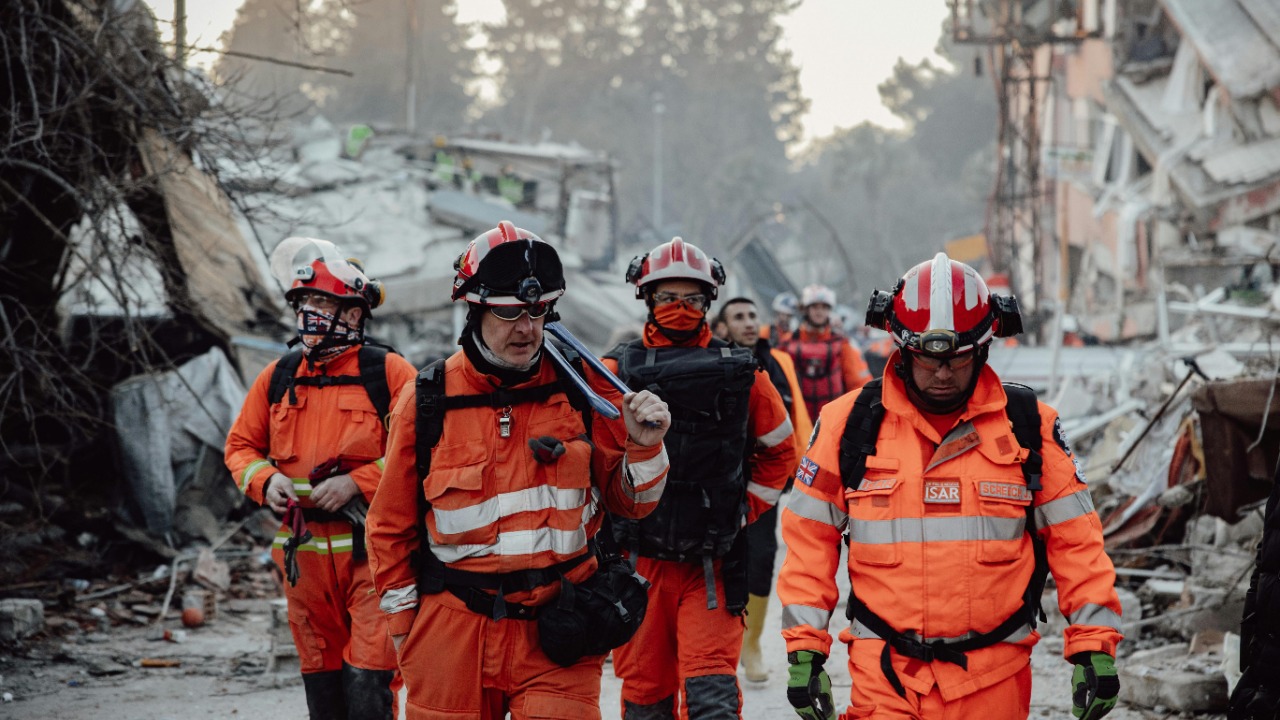
The humanitarian impact of early earthquake prediction cannot be overstated. By providing advance warning of seismic events, AI systems empower communities to take action, potentially saving countless lives. Evacuations can be organized more efficiently, ensuring that individuals in high-risk areas have the opportunity to reach safety before an earthquake strikes. This capability is particularly crucial in regions with dense populations, where the stakes are highest.
Economically, early earthquake prediction offers substantial benefits. Businesses and governments can mitigate financial losses by preparing in advance, reducing the economic fallout of seismic events. By safeguarding critical assets and infrastructure, organizations can avoid costly repairs and disruptions, maintaining continuity in the face of natural disasters. The potential savings are significant, making AI-driven earthquake prediction a valuable investment for both the public and private sectors.
Protecting infrastructure is another key benefit of early earthquake prediction. With advance notice of seismic activity, measures can be taken to fortify buildings, bridges, and other critical infrastructure. By implementing strategies such as structural reinforcements and emergency response plans, communities can reduce the extent of damage and expedite recovery efforts. In this way, AI technology not only helps to protect lives but also preserves the essential systems that support modern society.
Challenges and Limitations

Despite the promising advancements, AI earthquake prediction is not without its challenges. One of the primary technical limitations is the inherent complexity of seismic phenomena. Earthquakes are influenced by a multitude of factors, making it difficult for even the most sophisticated AI systems to achieve perfect accuracy. Researchers continue to explore ways to improve prediction models, as outlined in a recent publication, but significant hurdles remain.
Ethical and privacy concerns also arise with the use of AI in earthquake prediction. The collection and analysis of vast amounts of data raise questions about data privacy and the potential for misuse. Ensuring that AI systems are used ethically and transparently is essential to gaining public trust and maximizing their societal benefits. Addressing these concerns will require ongoing dialogue and collaboration among researchers, policymakers, and the public.
Future research directions for AI earthquake prediction are vast and varied. Areas for further development include enhancing the accuracy of predictive models, expanding data collection methods, and improving the integration of AI systems into existing disaster management frameworks. By addressing these challenges, researchers hope to unlock the full potential of AI in earthquake prediction, paving the way for safer and more resilient communities worldwide.
