
Artificial Intelligence has revolutionized the medical field once again, this time with a groundbreaking system that can identify cancer from a simple blood test in mere minutes. This technological advancement promises to enhance early detection, improve patient outcomes, and streamline the diagnostic process.
The Science Behind AI-Powered Cancer Detection
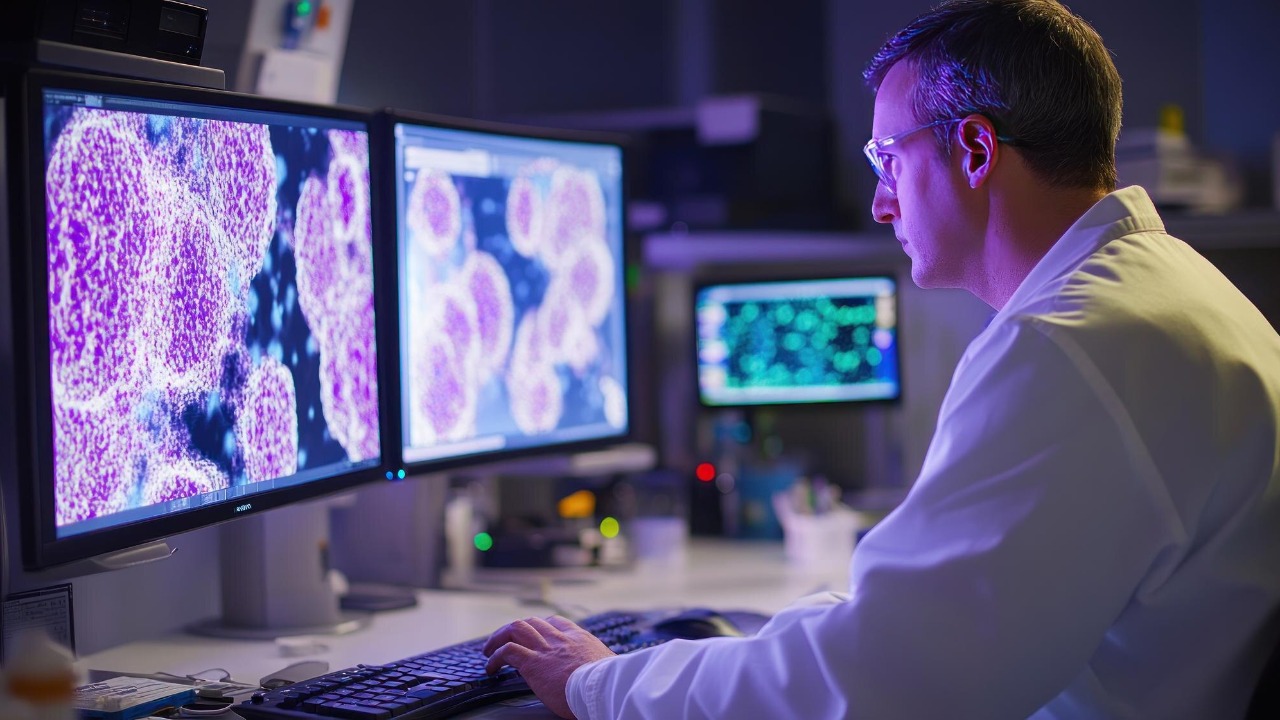
Artificial Intelligence is reshaping the landscape of medical diagnostics by harnessing the power of machine learning algorithms to process complex datasets. These algorithms can identify cancer biomarkers with remarkable efficiency, transforming raw data into actionable insights. Through the analysis of patterns and anomalies in blood samples, AI systems have the capacity to identify the presence of cancer with unprecedented speed and accuracy. This capability is vital as it allows for quick decision-making, crucial in life-threatening conditions like cancer.
At the heart of this innovation is the integration of AI with advanced biosensors, designed to conduct real-time analysis and deliver instant results. These biosensors detect minute changes in the biochemical composition of blood samples, providing data that AI algorithms can interpret. The synergy between AI and biosensors represents a leap forward in medical diagnostics, offering a non-invasive and rapid diagnostic tool that can be utilized in various healthcare settings.
When it comes to accuracy and reliability, studies have demonstrated the AI system’s 99% accuracy in identifying various cancers. This high level of precision is achieved through continuous learning and adaptation, where AI systems refine their algorithms based on new data and outcomes. As a result, they become increasingly adept at recognizing cancer markers across different patient profiles and cancer types, ensuring consistent and dependable results.
Early Detection and Its Impact on Treatment
Early diagnosis of cancer is a cornerstone of effective treatment, as it significantly improves survival rates and treatment success. With AI-powered blood tests, healthcare providers can detect cancer at its nascent stages, offering patients a better prognosis and a wider range of treatment options. The ability to identify cancer before it progresses allows for timely intervention, increasing the likelihood of successful treatment and reducing the chances of recurrence.
This early detection capability supports the development of personalized treatment plans tailored to individual patient needs. By understanding the specific type and stage of cancer, healthcare providers can devise targeted therapies that enhance the effectiveness of treatment while minimizing side effects. AI systems enable this personalized approach by providing detailed insights into the cancer’s characteristics, allowing for precision medicine that addresses the unique challenges of each patient.
Furthermore, the advent of non-invasive blood tests reduces the reliance on traditional diagnostic methods such as biopsies, which can be invasive and uncomfortable for patients. By offering a simpler alternative, AI-powered diagnostics minimize patient discomfort and the potential risks associated with invasive procedures. This shift not only enhances patient experience but also streamlines the diagnostic process, reducing wait times and expediting treatment initiation.
Challenges and Ethical Considerations

Despite the promising potential of AI in cancer detection, several challenges and ethical considerations must be addressed. One of the primary concerns is the protection of patient data privacy and security. With AI systems processing large volumes of sensitive health information, there is a heightened need for robust data protection measures to prevent unauthorized access and misuse. Ensuring that patient data is handled with the utmost care and confidentiality is paramount to maintaining trust in AI-driven healthcare solutions.
Algorithm transparency is another critical aspect that demands attention. For AI systems to gain widespread acceptance in medical diagnostics, it is essential to ensure transparency in how these algorithms operate and make decisions. Healthcare providers and patients alike need to understand how AI reaches its conclusions to build trust and accountability. This transparency can be achieved through explainable AI systems that provide insights into their decision-making processes, allowing for informed and confident clinical use.
Accessibility and cost implications also pose significant challenges. While AI-powered diagnostics hold great promise, their implementation may be hindered by cost barriers and limited availability in certain regions. Addressing these issues requires collaboration between healthcare providers, technology developers, and policymakers to develop equitable solutions that ensure access to cutting-edge diagnostics for all patients, regardless of geographic or economic constraints.
Future Prospects and Innovations

Looking to the future, the potential applications of AI systems extend beyond cancer diagnostics. Researchers are actively exploring opportunities to leverage AI for the diagnosis and management of other diseases, ranging from cardiovascular conditions to neurological disorders. The ability to identify a wide range of diseases through a single blood test could revolutionize healthcare, enabling proactive and comprehensive health monitoring.
Integrating AI-powered diagnostics with existing medical systems is another promising avenue for innovation. By seamlessly incorporating AI into current healthcare infrastructures, providers can enhance the efficiency and effectiveness of patient care. This integration can facilitate better data sharing, improve coordination among healthcare teams, and support decision-making processes, ultimately leading to improved patient outcomes.
Ongoing research and development efforts are driving continuous advancements in AI-driven diagnostics. As technology evolves, we can expect to see further improvements in accuracy, speed, and accessibility, making AI an indispensable tool in the fight against cancer and other diseases. The commitment to research and innovation will pave the way for groundbreaking discoveries that redefine the future of healthcare.
Real-World Applications and Success Stories

In clinical settings, AI systems have already demonstrated their potential to transform cancer detection and diagnosis. Case studies highlight successful instances where AI-powered blood tests have identified cancers that might have otherwise gone undetected until much later stages. These success stories underscore the value of AI in providing timely and accurate diagnoses, ultimately saving lives and improving patient outcomes.
Patient testimonials further illustrate the impact of AI-driven diagnostics. Individuals who have benefited from early detection through AI-powered blood tests share their experiences of receiving a diagnosis at a stage when treatment options were more effective and less invasive. These personal accounts emphasize the life-changing potential of AI in healthcare, offering hope and reassurance to patients facing the uncertainty of a cancer diagnosis.
Collaboration between AI companies and healthcare providers is essential to broaden the reach of this technology. By forming strategic partnerships, these entities can work together to integrate AI solutions into mainstream medical practice, ensuring that more patients have access to cutting-edge diagnostics. Such collaborations also foster innovation and knowledge sharing, driving further advancements in AI-powered healthcare solutions.
