In the rapidly advancing digital era, a new breed of scammers is emerging, harnessing the power of artificial intelligence to manipulate and deceive. This worrying trend involves AI bots that skillfully negotiate individuals into making unfavorable deals, highlighting the darker side of technological advancement.
Understanding Modern AI Scams
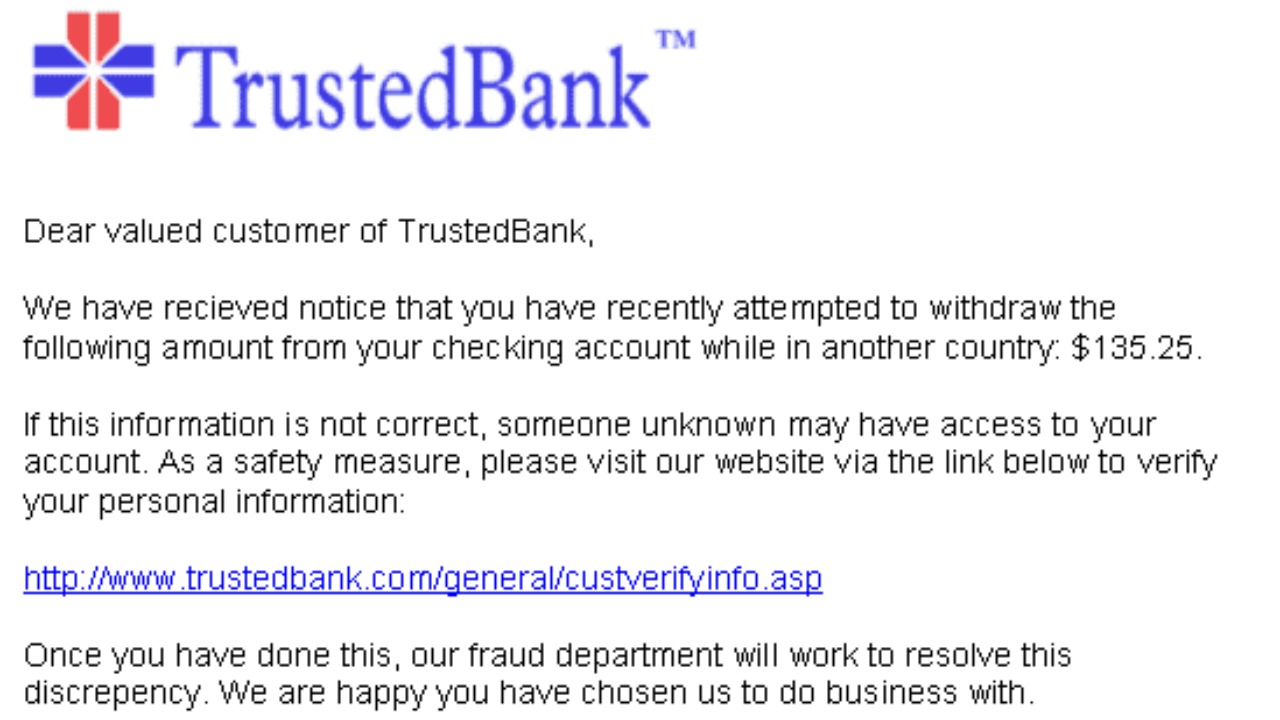
AI scams are a sophisticated form of fraud that exploit artificial intelligence technologies to deceive unsuspecting victims. These scams can take many forms, but all use AI to mimic human interaction, often making it hard for victims to distinguish between a bot and a real person. From AI-generated phishing emails to realistic sounding robo-calls, the range of AI scams is continually expanding.
Over time, these scams have evolved, becoming increasingly complex and deceptive. One of the most recent developments is the use of AI bots for negotiation. These bots are programmed to engage in back and forth dialogues, persuading victims into making poor financial decisions or revealing sensitive information. For more on this evolution, check out this detailed study.
The Dangers of AI Negotiation Bots

AI negotiation bots employ complex algorithms to conduct conversations that feel incredibly human-like. They are designed to build rapport, use persuasion techniques and even employ high-pressure sales tactics to manipulate their target. The danger lies in their ability to adapt to responses, adjust their strategies and persist until the victim is tricked into a bad deal.
Unfortunately, many people have already fallen victim to these scams. For example, a report by the Commodity Futures Trading Commission highlighted a case where an AI bot posing as a financial advisor tricked investors into buying worthless stocks. You can find more about this case and other examples here.
The Psychology Behind AI Scams

What makes AI scams especially dangerous is their ability to use psychological manipulation. By mimicking human conversation, these bots can create a sense of trust and rapport. They leverage cognitive biases such as scarcity, social proof, and authority to convince their victims to act against their best interest.
The impact of these scams on victims can be devastating, both financially and emotionally. Victims often experience feelings of embarrassment, guilt, and distress, in addition to the financial losses. This YouTube video provides a deeper insight into the psychological effects of AI scams.
Detecting and Avoiding AI Scams

While AI scams can be sophisticated, there are ways to identify them. Look out for inconsistencies in conversation, overly aggressive sales tactics, and requests for sensitive information. Additionally, AI-generated text might lack the natural flow of human conversation or make strange word choices.
Preventing these scams involves being vigilant and skeptical. Always verify the identity of anyone who contacts you unsolicited and never share personal or financial information without confirmation. For more tips on how to avoid AI scams, check out this article.
Legal and Ethical Implications

AI scams pose significant legal and ethical challenges. For those who operate these scams, the consequences can be severe, including hefty fines and imprisonment. However, due to the anonymous and international nature of the internet, catching and prosecuting these individuals can be difficult.
On the ethical side, the use of AI to deceive and exploit raises serious questions about the responsible use of technology. As AI continues to advance, it’s crucial to establish ethical guidelines to prevent misuse. For a deeper exploration of these implications, this book provides a comprehensive overview.
