An Australian solar farm is harnessing the power of artificial intelligence (AI) and robotics to install almost half a million solar panels, a task that would be daunting for human crews. These AI-powered robots, each capable of doing the work of three to four humans, are revolutionizing the efficiency of renewable energy construction. The Leapting robot, a model used in this project, successfully installed 10,000 photovoltaic (PV) modules by April 23, 2025, setting the stage for the large-scale deployment currently underway.
Project Scale and Location
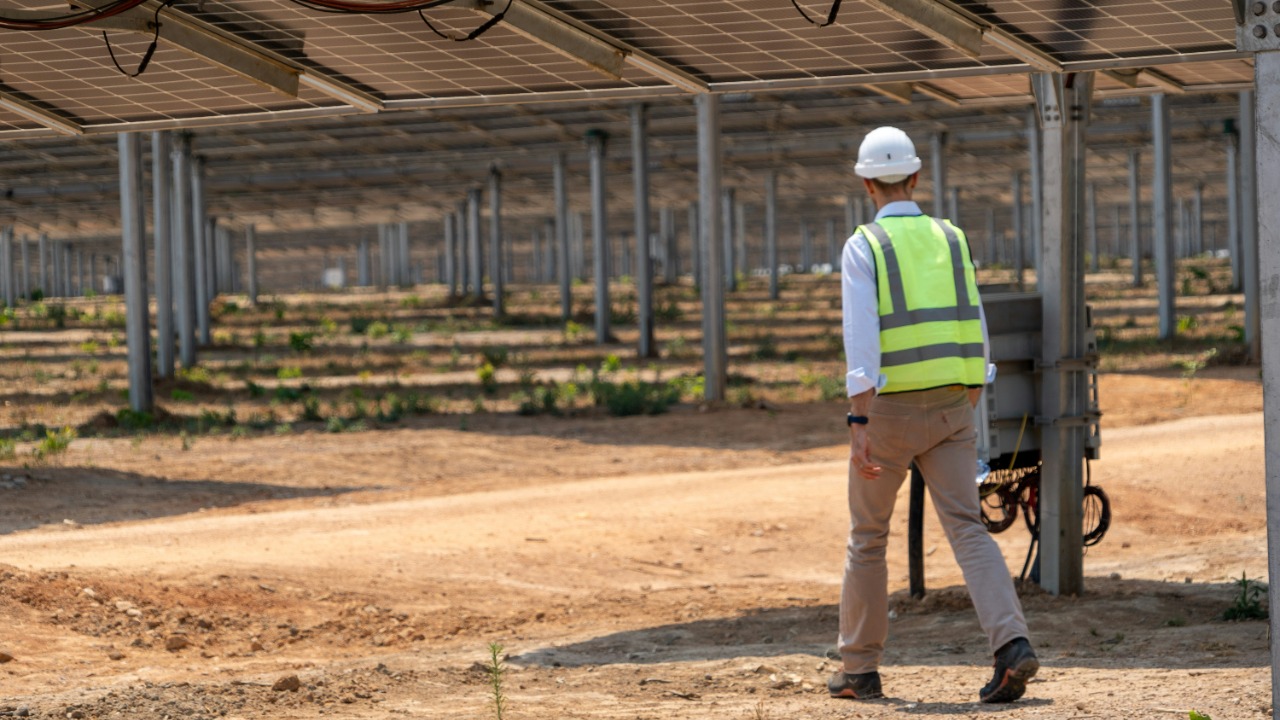
The scale of this project is immense, with nearly 500,000 solar panels being installed at an undisclosed solar farm in Australia. This ambitious undertaking is part of a broader Australian solar project involving thousands of panels. The location of the project within Australia serves as the primary site for this groundbreaking robotic deployment.
While the exact location of the solar farm remains undisclosed, it’s clear that the project is a significant step forward in Australia’s renewable energy sector. The use of AI and robotics in this project is not only a testament to the country’s commitment to renewable energy but also a demonstration of the potential for technology to accelerate the transition to cleaner energy sources.
Given the sheer number of panels being installed, the project represents a significant investment in renewable energy. The undisclosed location in Australia is likely chosen for its optimal solar conditions, allowing for maximum energy generation. The project’s scale also indicates a significant commitment to renewable energy, as it represents one of the largest single deployments of solar panels in the country’s history.
Furthermore, the location within Australia is significant as the country has been making strides in renewable energy. Australia’s vast and often sun-drenched landscapes make it an ideal location for solar farms. The country’s commitment to renewable energy, coupled with its geographical advantages, makes it a fitting location for this groundbreaking project.
AI Robot Technology Overview
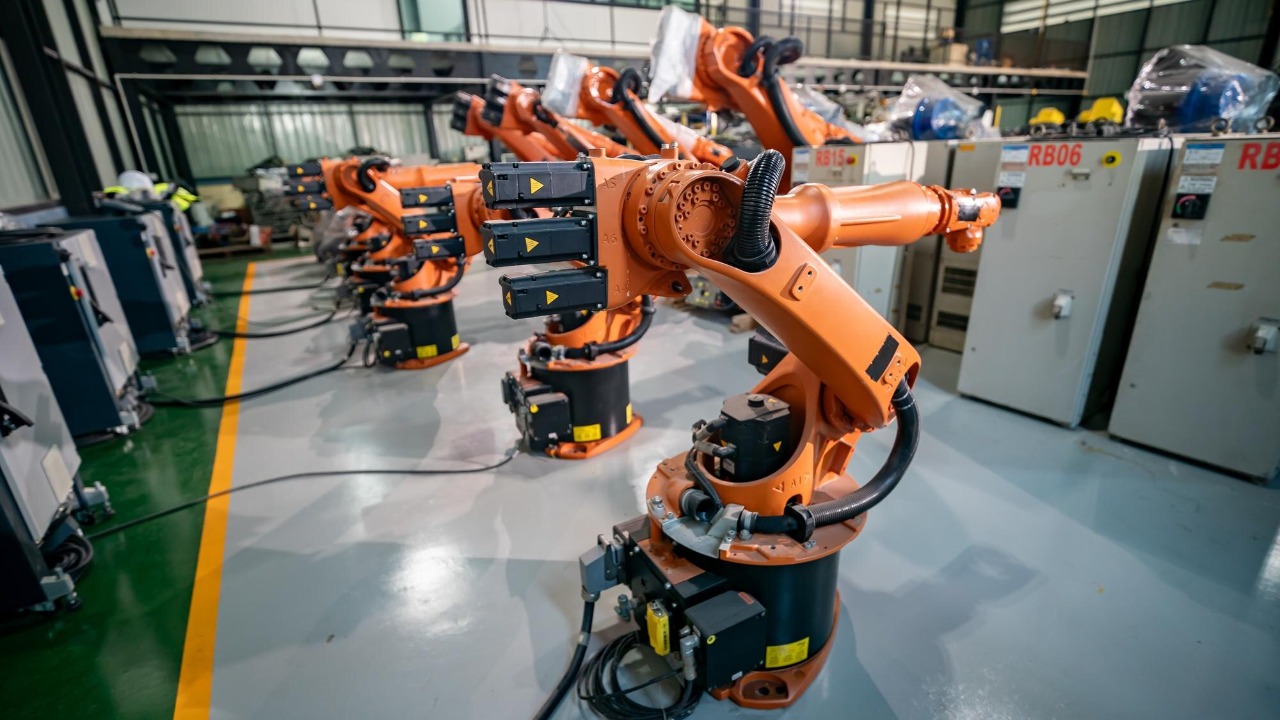
The AI robots are playing a crucial role in speeding up the installation of the solar panels. These robots, under the evocative framing “They Build the Sun Itself,” are installing the panels at a pace that far surpasses human capabilities. The Leapting robot, a specific model used in the installation process, has proven to be particularly effective.
These robots are not just fast; they’re also precise and efficient. They can work around the clock without breaks, and their AI programming allows them to adapt to different conditions and tasks. This combination of speed, precision, and adaptability is what makes these robots so effective in accelerating the installation of solar panels.
The Leapting robot, in particular, has been a game-changer in the installation process. Its AI capabilities allow it to quickly and accurately install panels, reducing the time and cost associated with manual installation. The robot’s design also allows it to navigate the solar farm with ease, further enhancing its efficiency.
Moreover, the AI technology used in these robots is not limited to installation tasks. It also includes advanced algorithms for optimizing the layout of the solar panels, ensuring maximum energy generation. This level of sophistication in AI technology is a testament to the potential of robotics in revolutionizing the renewable energy sector.
Efficiency Advantages Over Human Labor
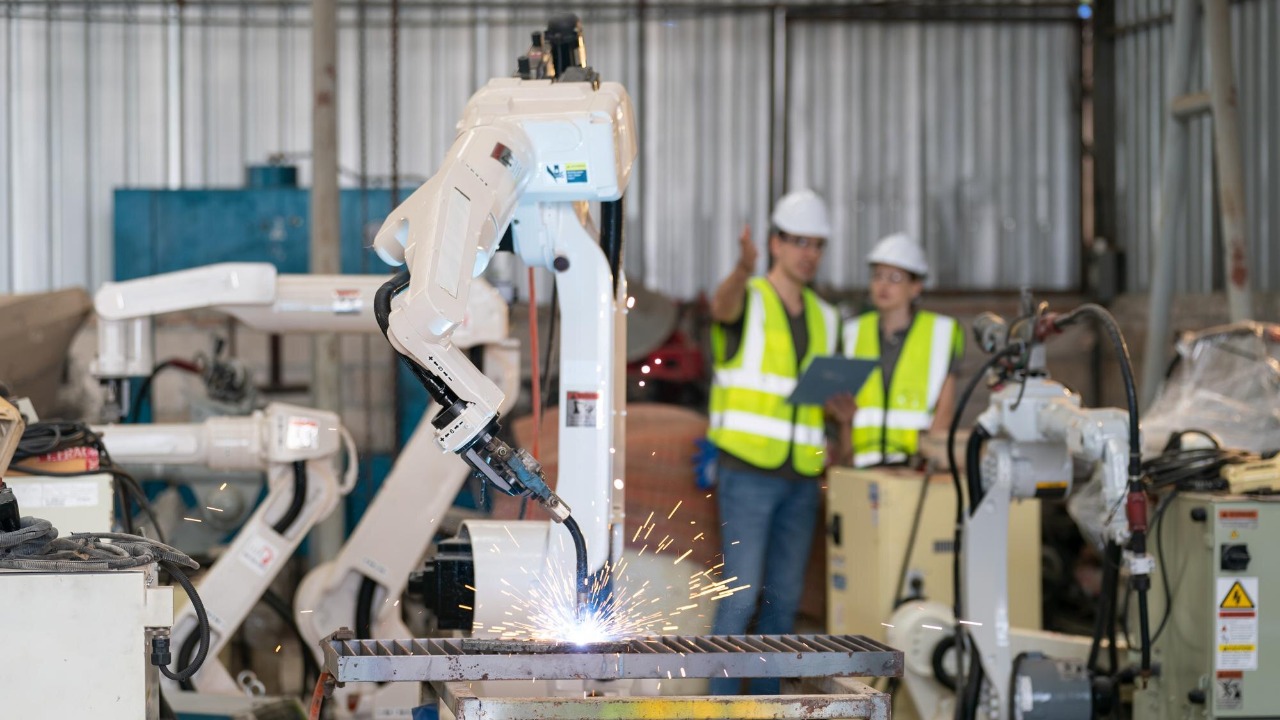
The efficiency of these robots is truly remarkable. A single robot can do the work of three to four humans, dramatically speeding up the installation process. This efficiency is not just about speed; it’s also about precision and consistency. Robots can work without breaks and are not prone to the errors or accidents that can occur with human labor.
Moreover, the use of AI further enhances the efficiency of these robots. The AI programming allows the robots to adapt to different conditions and tasks, further accelerating the installation process. This AI-driven acceleration is enabling the faster-than-human installation of the 500,000 solar panels.
Aside from speed and precision, the robots also offer significant cost savings. The initial investment in these robots can be offset by the savings in labor costs over time. Additionally, the use of robots reduces the risk of workplace accidents, further contributing to cost savings and ensuring a safer work environment.
Furthermore, the robots’ ability to work in various weather conditions without fatigue or loss of efficiency is another significant advantage over human labor. This allows for continuous operation, even under harsh conditions, ensuring that the project timeline is met without delays. The use of AI and robotics in this project is a clear demonstration of how technology can enhance efficiency and productivity in the renewable energy sector.
Timeline of Robotic Implementation

The implementation of these robots has been a gradual process. The initial deployment involved a Chinese robot that was reported to be capable of installing thousands of panels. This was followed by the Leapting robot’s completion of 10,000 PV modules on April 23, 2025.
By October 3, 2025, the robots had significantly sped up the installation of the panels, with reports indicating that they were installing 500,000 panels at a pace faster than any human crew could manage. This rapid progress was further highlighted in a follow-up report on October 5, 2025.
The timeline of the robotic implementation also reflects the rapid advancements in AI and robotics technology. The initial deployment of the Chinese robot marked the beginning of a new era in solar panel installation. Since then, the technology has evolved rapidly, with the Leapting robot demonstrating even greater efficiency and precision.
Furthermore, the timeline also highlights the scalability of this technology. The fact that the robots were able to install 500,000 panels in such a short time frame is a testament to their potential for large-scale deployment. This scalability is crucial for the future of renewable energy, as it allows for the rapid expansion of solar farms to meet growing energy demands.
Impact on Renewable Energy Development
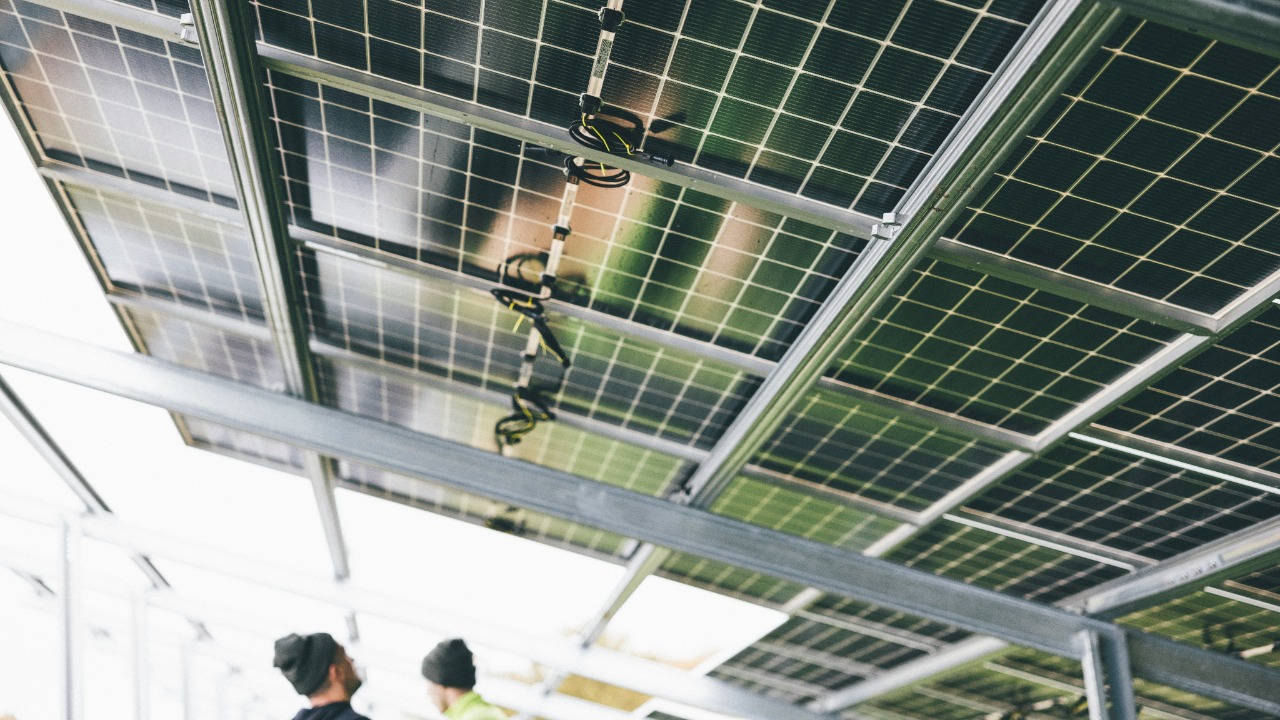
The robotic installation of almost 500,000 panels is significantly enhancing Australia’s solar capacity. This project is not just about the number of panels being installed; it’s also about the speed and efficiency with which they’re being installed. This could potentially revolutionize the way solar farms are built, not just in Australia, but around the world.
Moreover, the potential for scaling similar AI technologies beyond the current Australian project is immense. If these technologies can be applied to other projects, it could lead to a significant increase in the speed and efficiency of solar farm construction worldwide. This could potentially accelerate the global transition to renewable energy, making a significant contribution to the fight against climate change.
The impact of this project extends beyond Australia. The success of this project could inspire similar initiatives worldwide, leading to a global acceleration in the adoption of renewable energy. The use of AI and robotics in solar farm construction could become the new norm, transforming the way we approach renewable energy development.
Moreover, the project’s success could also stimulate further advancements in AI and robotics technology. As these technologies continue to evolve, they could unlock even greater efficiencies in renewable energy construction, further accelerating the transition to cleaner energy sources. This project serves as a powerful demonstration of the potential of AI and robotics in driving the global shift towards renewable energy.
