
Microsoft has developed a groundbreaking AI system, the MAI-DxO, that is redefining the landscape of medical diagnostics. This advanced tool has demonstrated the ability to outperform human doctors in complex medical diagnoses, promising a future where AI can enhance healthcare delivery and accuracy.
The Evolution of AI in Healthcare
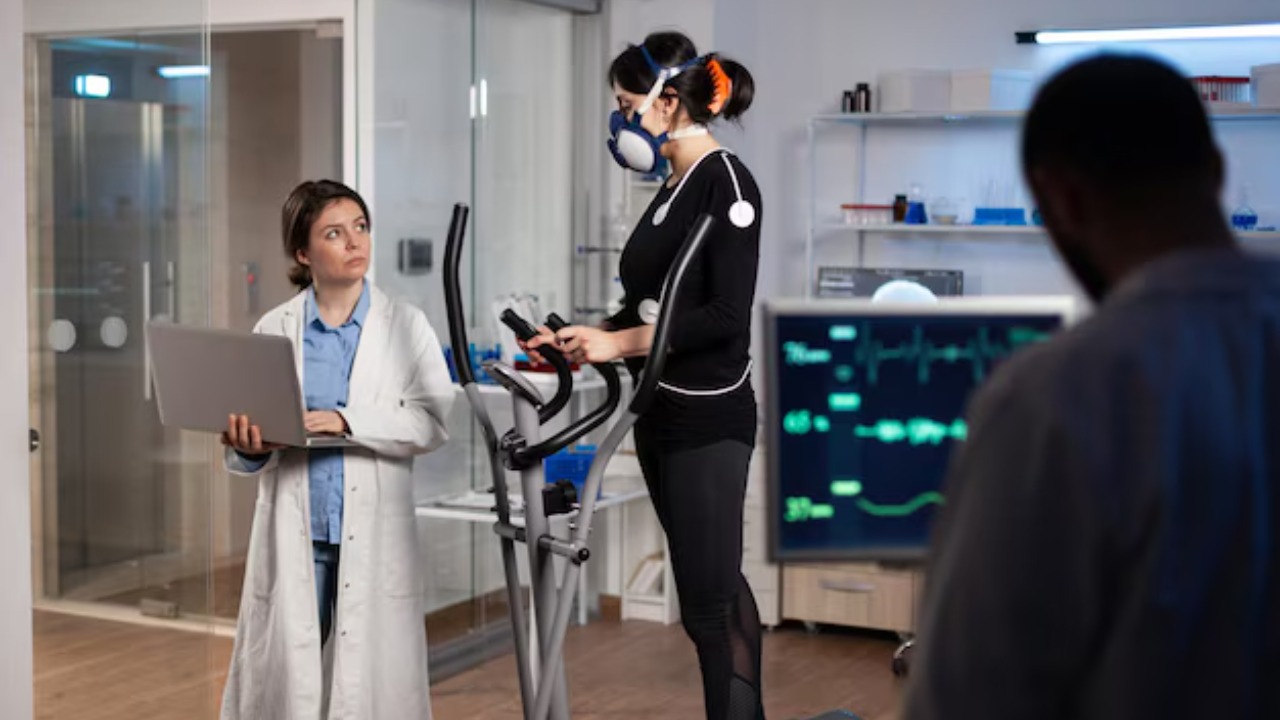
AI has come a long way in healthcare, evolving from basic algorithms to sophisticated systems capable of handling complex medical diagnostics. Early applications of AI primarily focused on simple data analysis tasks, but recent advancements have enabled AI to take on more intricate roles, such as assisting in surgeries and predicting patient outcomes. Today, AI is increasingly integrated into healthcare practices, offering promising solutions for enhancing diagnostic accuracy and patient care.
The challenges faced by human doctors in diagnosis often include managing vast amounts of data and recognizing atypical presentations of diseases. AI systems, like Microsoft’s MAI-DxO, aim to address these challenges by quickly processing data and identifying patterns that might be overlooked by human practitioners. This capability not only aids in quicker diagnostics but also reduces the risk of human error, thereby improving patient outcomes.
Understanding Microsoft’s MAI-DxO
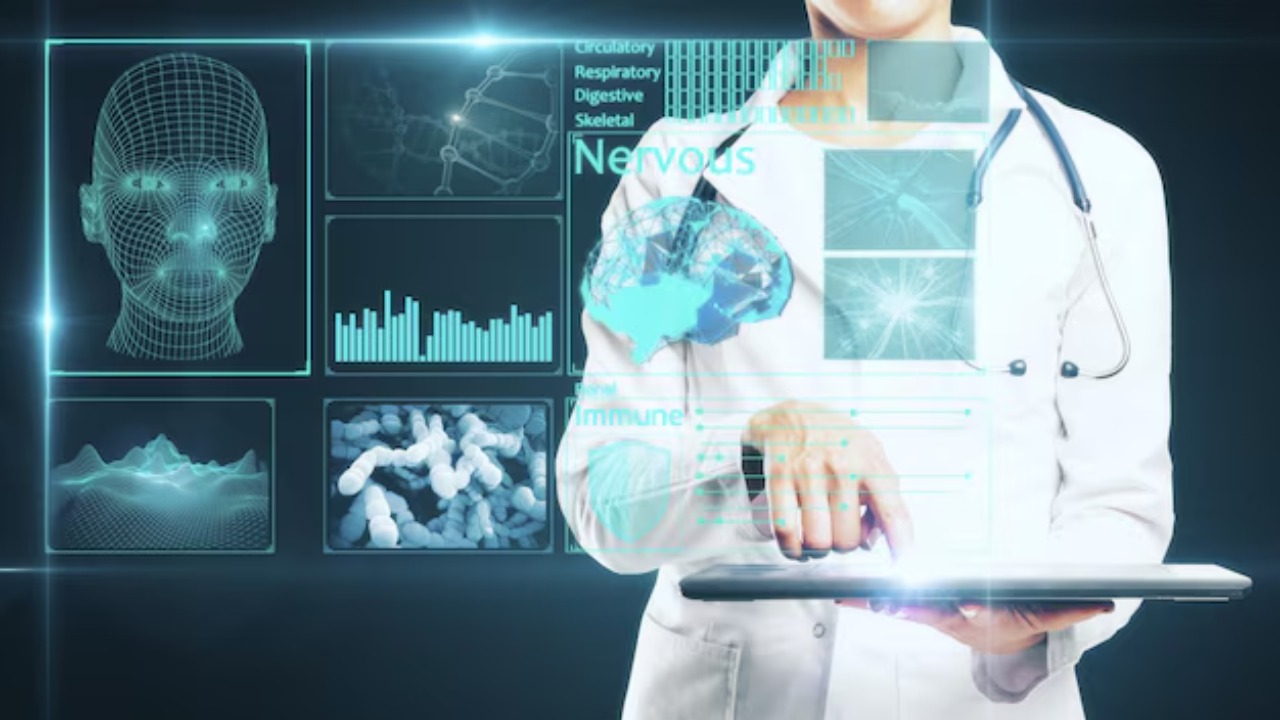
The MAI-DxO system operates by leveraging machine learning algorithms to analyze patient data and generate diagnostic reports. What sets it apart is its ability to process large datasets with precision and speed, allowing it to identify conditions that might be missed in traditional diagnostic processes. The development of MAI-DxO involved rigorous testing and fine-tuning by Microsoft to ensure it could deliver high accuracy rates consistently.
Compared to other AI diagnostic systems, MAI-DxO stands out for its advanced analytics capabilities and user-friendly interface. It is designed to integrate seamlessly with existing healthcare systems, allowing doctors to easily access and interpret its findings. According to industry experts, MAI-DxO represents a significant leap forward in AI diagnostics, offering features that are not available in other systems.
Performance Metrics: MAI-DxO vs. Human Doctors
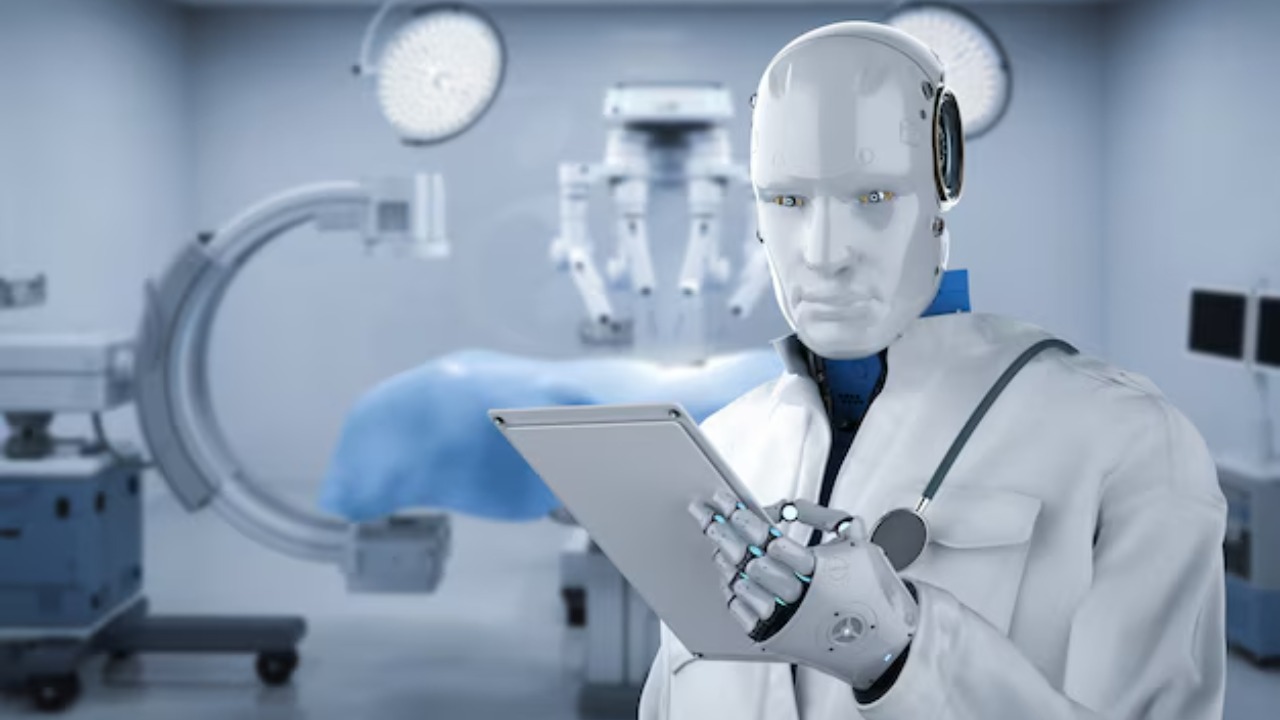
In clinical trials, MAI-DxO has demonstrated impressive performance metrics, boasting higher accuracy rates compared to human doctors. Studies have shown that the system successfully diagnosed 85.5% of complex conditions, surpassing traditional diagnostic methods. These findings underscore the potential of MAI-DxO to revolutionize how medical professionals approach complex case evaluations.
Case studies highlight the system’s ability to identify conditions that human doctors missed. For instance, in a recent trial, MAI-DxO accurately diagnosed a rare disease that eluded experienced medical professionals. Experts from the medical community, including those from KUGN News, have praised the system’s reliability and potential to enhance diagnostic accuracy significantly.
Implications for the Medical Field

The introduction of MAI-DxO into the medical field has far-reaching implications for healthcare professionals. While the system is not designed to replace doctors, it can complement their work by providing data-driven insights that enhance decision-making and improve patient outcomes. By working alongside AI, doctors can focus more on patient interaction and care, while the system handles data analysis and diagnostics.
However, the integration of AI in healthcare raises ethical considerations. It is crucial to maintain human oversight in decision-making processes to ensure patient safety and trust. As the healthcare industry embraces AI advancements like MAI-DxO, it is essential to establish clear guidelines on the role and limitations of AI in clinical settings. The future of healthcare may involve a balanced partnership between AI and human expertise, fostering an ecosystem where technology enhances rather than replaces human judgment.
The Road Ahead: Integrating AI into Everyday Healthcare
Integrating AI tools like MAI-DxO into everyday healthcare requires strategic planning and collaboration among stakeholders. Healthcare providers must invest in training and infrastructure to effectively incorporate these technologies into their practices. Moreover, addressing potential barriers such as regulatory challenges and societal acceptance is crucial for successful AI adoption.
Looking forward, the vision for a healthcare ecosystem where AI and human expertise work in tandem promises to improve diagnostics and patient care significantly. By embracing AI technologies, healthcare systems can achieve greater efficiency and accuracy, ultimately leading to better health outcomes for patients worldwide. As the field continues to evolve, the collaboration between AI innovators and medical professionals will be key to unlocking the full potential of AI in healthcare.
