An AI analysis has revealed that leopards targeted and ate the faces of ancient human ancestors, providing new insights into prehistoric predation patterns on early hominins. This discovery challenges previous assumptions about the vulnerabilities of our evolutionary forebears to large carnivores. The findings highlight how facial bones from fossil records show distinct leopard bite marks, underscoring the brutal realities of survival in ancient ecosystems (Live Science).
The AI Analysis Technique
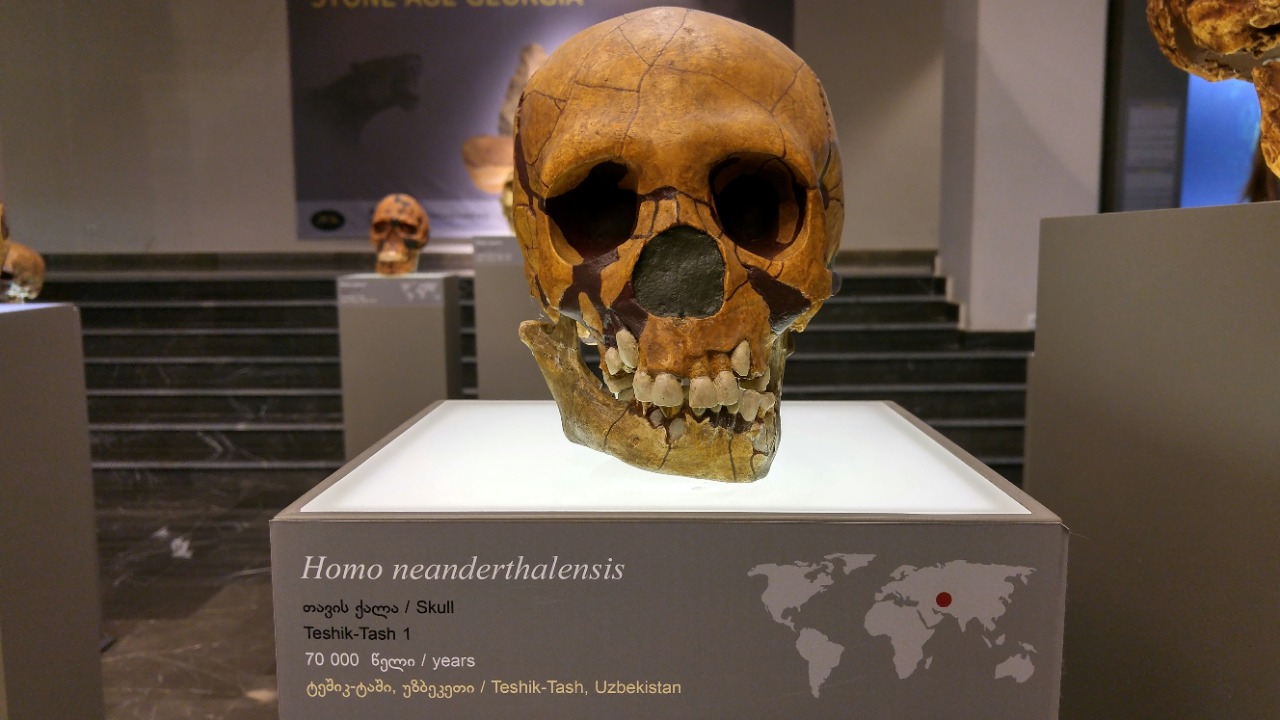
The AI methodology employed in this study involved machine learning algorithms trained on modern leopard bite patterns to identify matching damage on ancient hominin facial fossils. By processing 3D scans of these fossils, the AI was able to differentiate between leopard attacks and other causes such as tool use or post-mortem damage. This approach allowed researchers to accurately classify predation evidence, providing a clearer picture of the threats faced by early humans (Live Science).
The dataset used in the analysis included a significant number of fossils, allowing for a comprehensive examination of predation patterns. The AI demonstrated a high accuracy rate in classifying evidence of leopard attacks, underscoring its effectiveness as a tool for paleontological research. This technological advancement opens new avenues for understanding the interactions between ancient predators and their prey.
Key Fossil Evidence
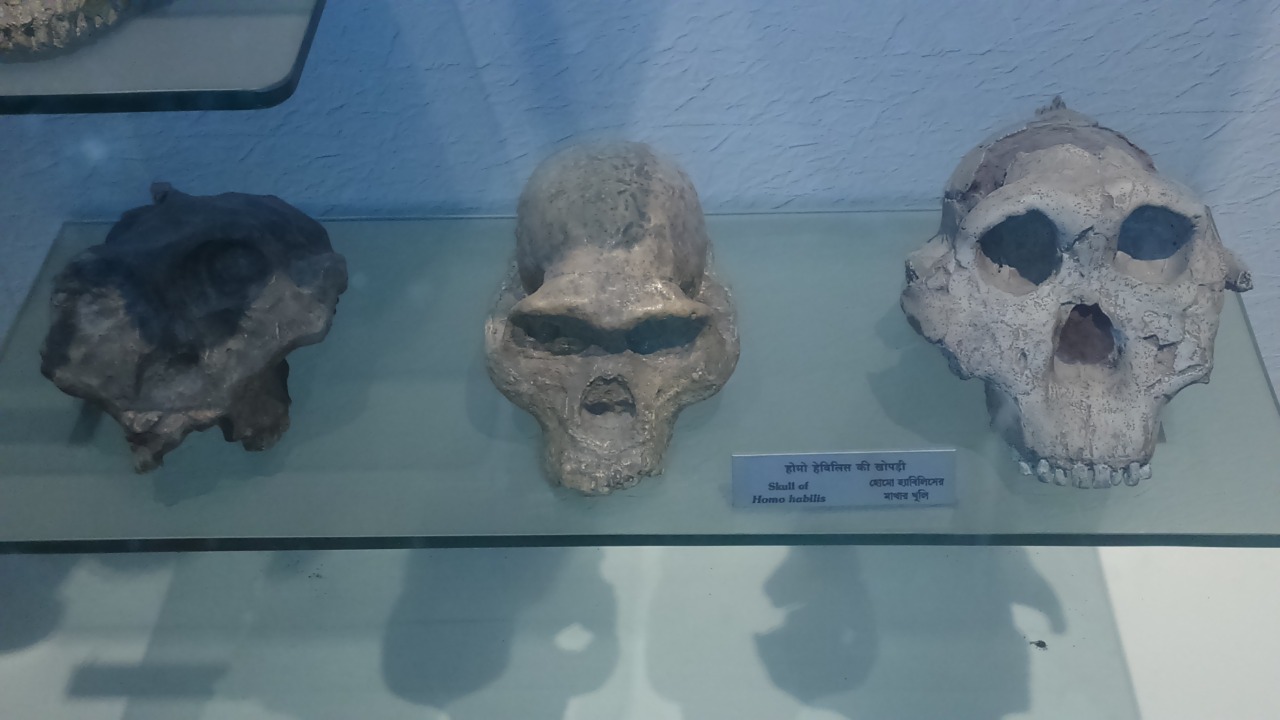
The primary fossils examined in this study were facial remains from sites in East Africa, dated to approximately 1.8 million years ago. These fossils showed crushed zygomatic bones consistent with leopard jaws, providing concrete evidence of predation. Specific examples include bite marks on Homo habilis specimens, where leopards removed soft tissue from the face while leaving the cranium intact. This pattern of damage highlights the targeted nature of leopard attacks on early humans (Live Science).
Comparative analysis with non-human primate fossils was also conducted to isolate human-specific predation patterns. This comparison revealed distinct differences in how leopards interacted with early humans versus other primates, further emphasizing the unique challenges faced by our ancestors in their environment.
Further examination of the fossil evidence reveals that the damage patterns on the facial bones are not only indicative of predation but also provide insights into the behavioral ecology of leopards during the Pleistocene epoch. The strategic targeting of the face suggests a sophisticated hunting technique, possibly developed to maximize nutritional intake while minimizing the risk of injury from struggling prey. This behavior aligns with the known opportunistic and adaptable nature of leopards, which are capable of modifying their hunting strategies based on the availability and type of prey.
Additionally, the study of these fossils contributes to a broader understanding of the ecological dynamics of the time. The presence of leopard bite marks on hominin fossils alongside those of other large predators, such as saber-toothed cats, indicates a complex predator-prey landscape. This environment would have required early humans to develop adaptive strategies for survival, potentially influencing social structures and the development of early warning systems within groups. Such insights are crucial for reconstructing the ecological pressures that shaped the evolutionary trajectory of early hominins.
Predation Patterns and Evolutionary Impact
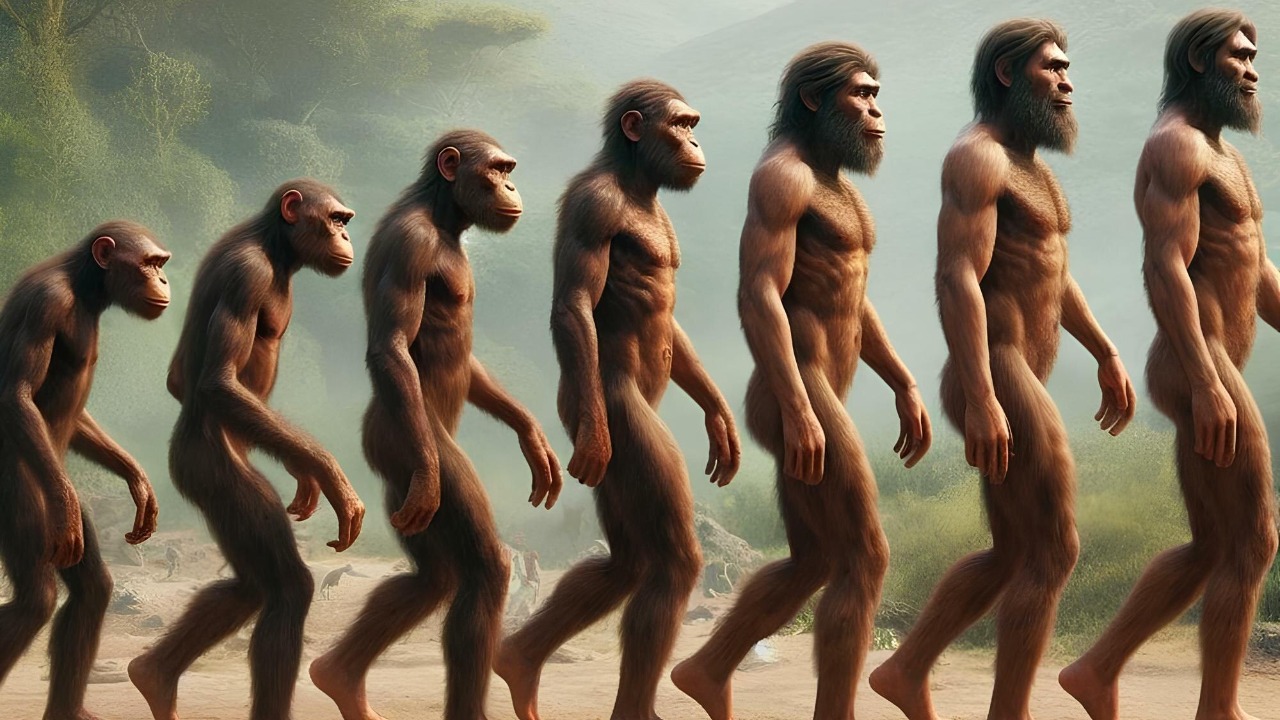
Leopards targeted the faces of early humans due to the accessibility of eyes, nose, and mouth as initial attack points. These predation patterns were likely facilitated by arboreal or nocturnal ambushes, taking advantage of the vulnerabilities of early humans. The implications for human evolution are significant, as frequent facial predation may have driven adaptations such as larger brain cases or the development of social behaviors for protection (Live Science).
Lead researcher comments, such as “This AI-driven revelation shows leopards were face specialists in their assaults on our ancestors,” emphasize the novelty of these findings. The study provides a new perspective on the evolutionary pressures that shaped the development of early hominins, highlighting the role of predation in driving human evolution.
Modern Parallels and Conservation Context
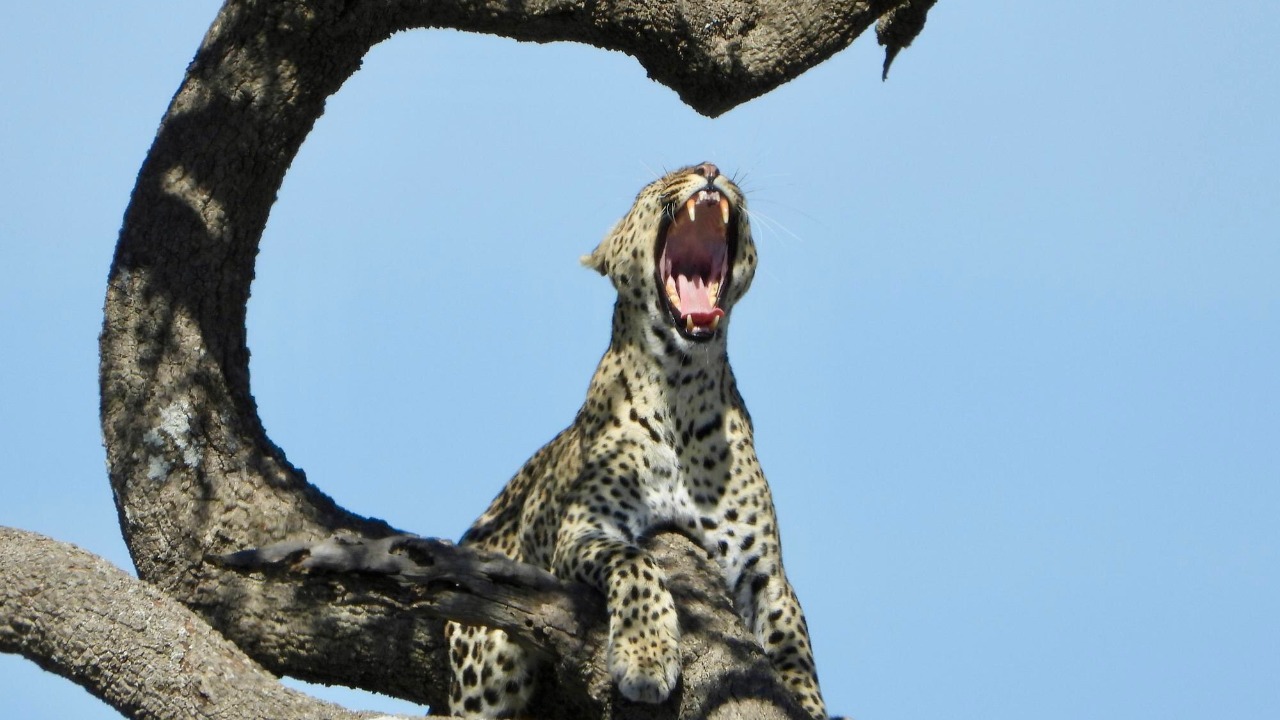
Modern observations of leopard attacks on primates in African savannas reveal parallels with ancient behavior, particularly in the targeting of faces. These similarities underscore the persistent nature of leopard predation strategies over millions of years. The study also highlights broader ecological lessons, such as how habitat loss today increases human-leopard conflicts, echoing ancient risks (Live Science).
Future research could apply the same AI techniques to other predator-prey dynamics in the fossil record, offering further insights into the evolutionary history of various species. Understanding these ancient interactions can inform current conservation efforts, helping to mitigate conflicts and preserve biodiversity in modern ecosystems.
In contemporary settings, the persistence of leopard predation strategies highlights the importance of understanding these ancient behaviors in the context of modern conservation efforts. As human populations expand into traditional leopard habitats, the risk of conflict increases, necessitating strategies that balance human safety with wildlife conservation. By studying the historical interactions between leopards and early humans, conservationists can develop more effective management plans that consider the natural behaviors of these predators.
Moreover, the study emphasizes the role of technological advancements, such as AI, in enhancing our understanding of wildlife ecology. By applying AI techniques to analyze fossil records, researchers can uncover patterns that inform current conservation strategies, ensuring that efforts to protect endangered species are grounded in a deep understanding of their evolutionary history. This approach not only aids in preserving biodiversity but also fosters coexistence between humans and wildlife in shared environments.
