
As climate change intensifies the frequency and severity of tornadoes, meteorologists are turning to artificial intelligence (AI) for help. Recent advancements in AI technology have made it possible to predict tornadoes days in advance, offering communities the chance to prepare and potentially save lives. The revolution in tornado forecasting through AI holds significant implications for public safety, emergency preparedness, and policy-making.
Historical Methods of Tornado Prediction
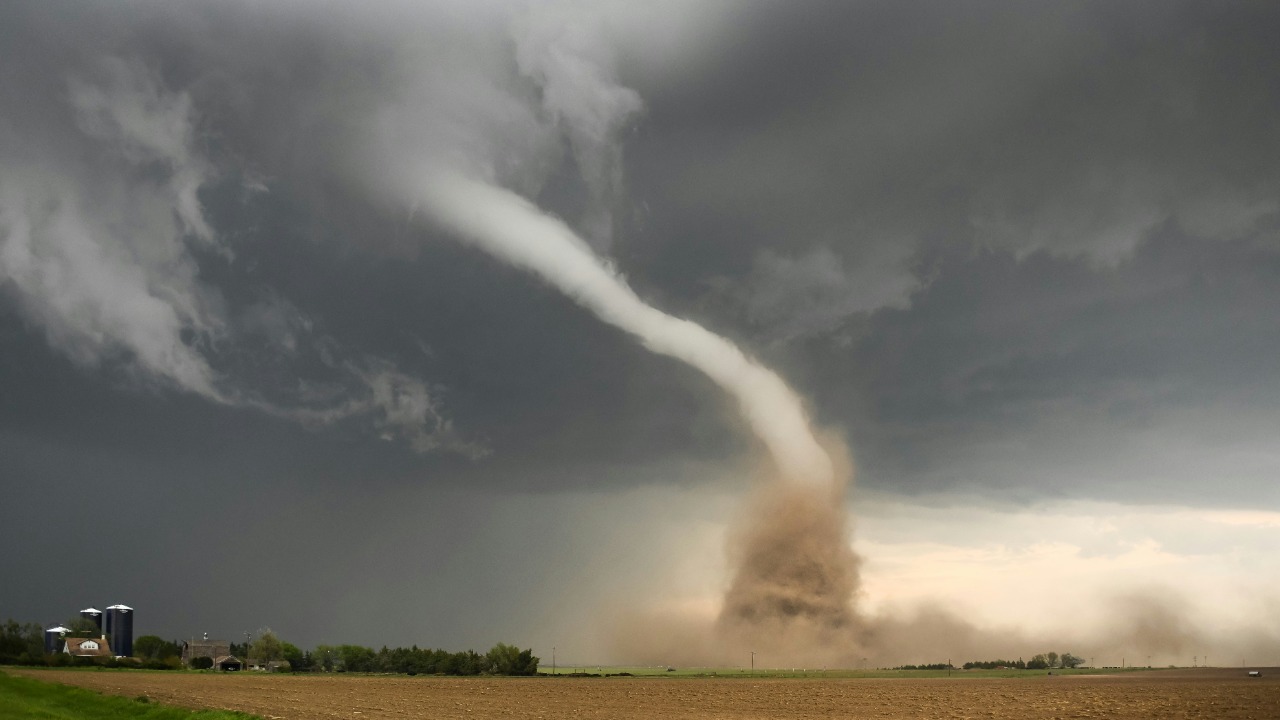
Traditional tornado prediction methods primarily relied on radar technology and human expertise. Meteorologists would analyze Doppler radar data to identify patterns indicative of severe weather, such as rotation in thunderstorms. While effective to some extent, these methods often provided only short-term warnings, sometimes with just minutes to spare. The limitations of radar-based systems, including their dependency on real-time data and human interpretation, often resulted in a high false alarm rate or insufficient warning times.
The Advent of AI

With the advent of AI, meteorological practices have embraced a more data-driven approach. AI has the capability to analyze vast amounts of historical weather data, leading to more precise predictions. This integration allows meteorologists to not only detect the conditions favorable for tornado formation but also to predict them with greater lead times. AI systems, such as those utilizing neural networks, can recognize complex patterns in weather data that might be overlooked by human analysts.
Case Studies
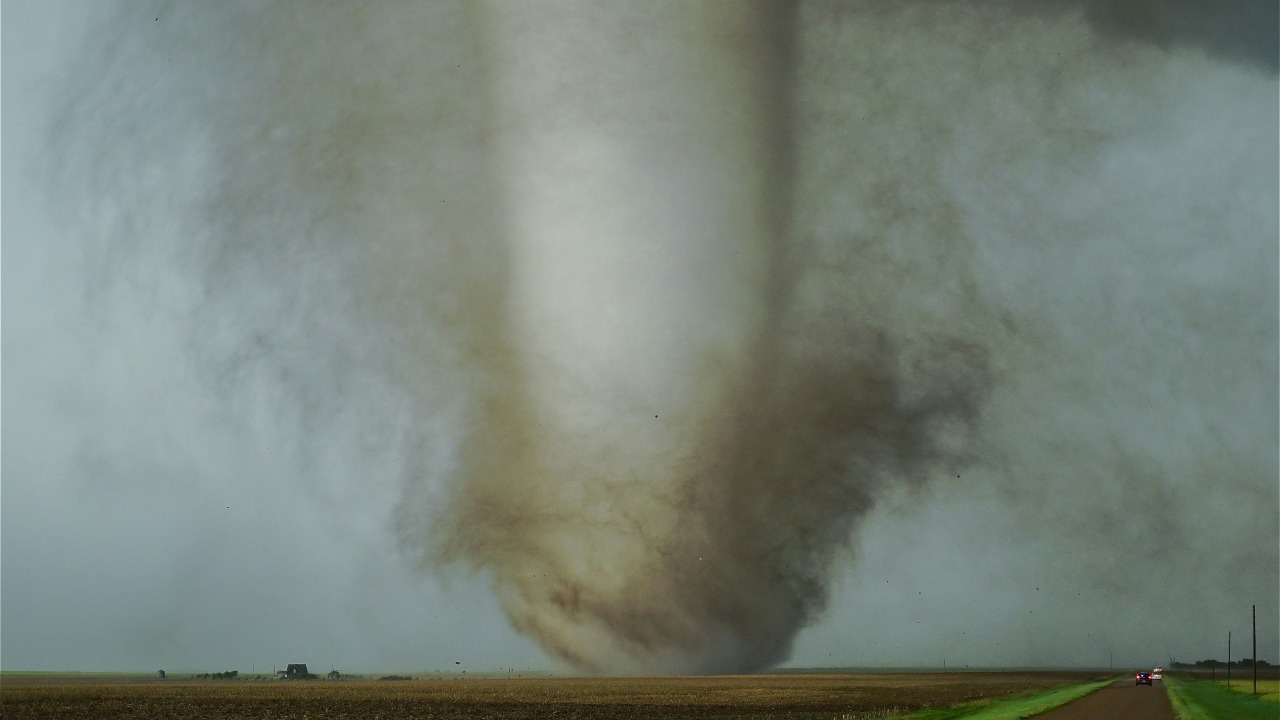
In recent years, AI has successfully predicted tornadoes in several instances. For example, during the March 2025 tornado outbreak in Arkansas, AI-driven systems were able to provide advance warnings, giving residents crucial time to seek shelter. This success was attributed to the combination of AI technology and traditional methods. More details about the integration of technology and balloons in this case can be found here.
How AI Predicts Tornadoes Using Data Collection and Analysis
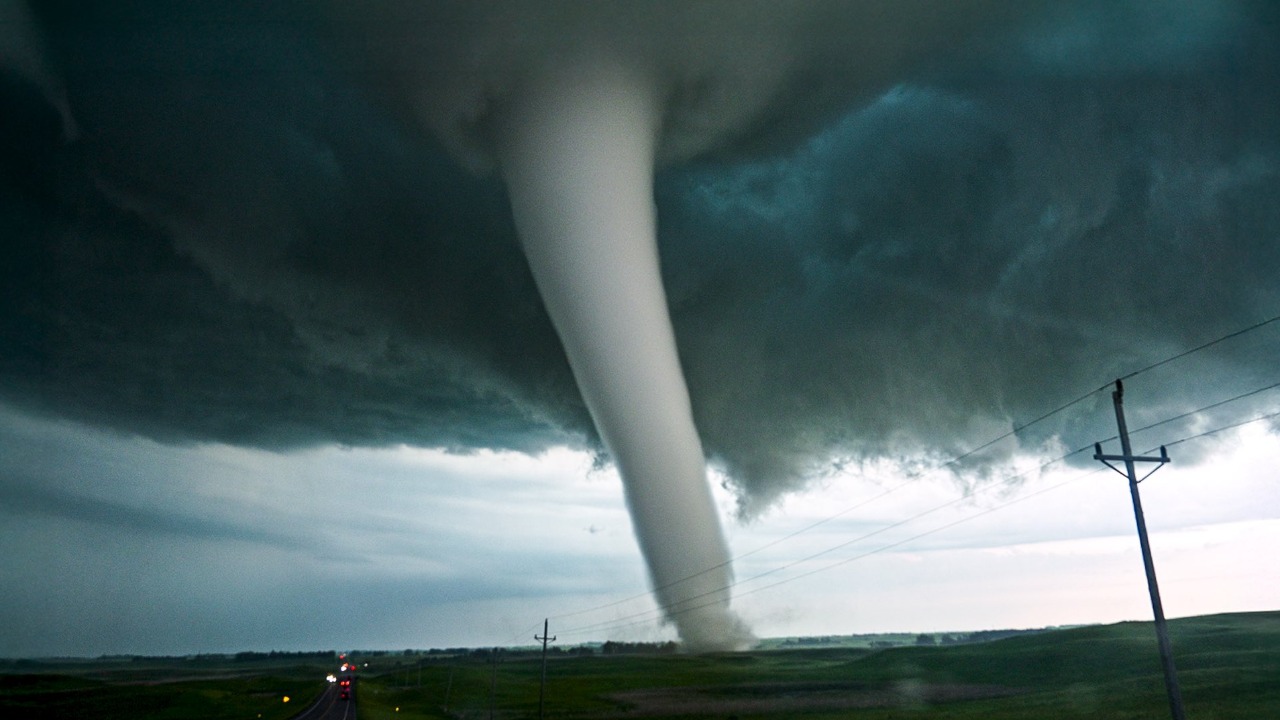
AI systems utilize a diverse array of data sources to forecast tornadoes, including satellite imagery, atmospheric conditions, and historical weather data. These data are fed into machine learning models that can discern specific patterns associated with tornado formation. This comprehensive data collection allows AI to create detailed models of atmospheric behavior, improving the accuracy and lead time of tornado warnings.
Machine Learning Models
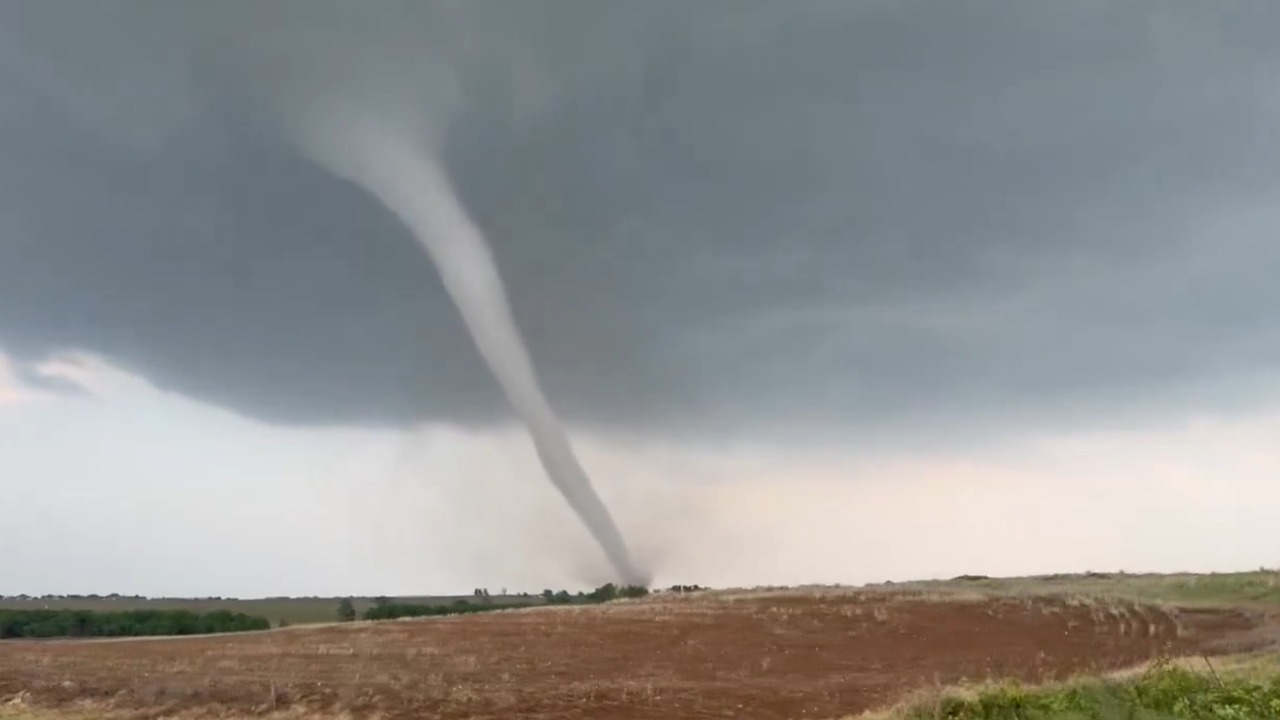
Machine learning algorithms play a crucial role in processing the data collected. Techniques such as deep learning and neural networks are employed to identify subtle patterns and correlations in the data that might indicate an impending tornado. These models are continuously trained and refined using past data, enabling them to make increasingly accurate predictions over time.
Accuracy and Reliability
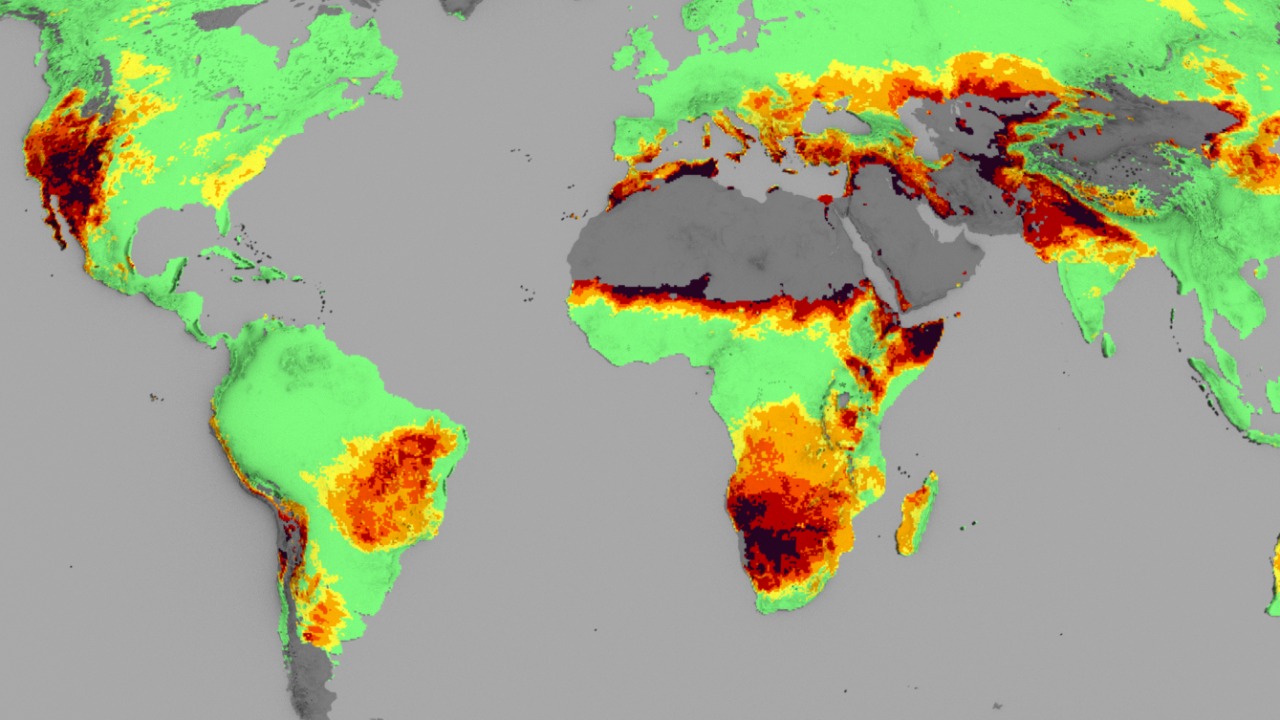
The accuracy of AI-driven tornado predictions has shown promising results compared to traditional methods. Studies have indicated that AI can reduce false alarms and improve lead times, offering more reliable warnings. According to experts, the ability of AI to process and integrate vast datasets significantly enhances its predictive power, making it a valuable tool in the meteorologist’s arsenal. For a deeper insight into the reliability of AI in weather forecasting, read more here.
Integration with Existing Systems
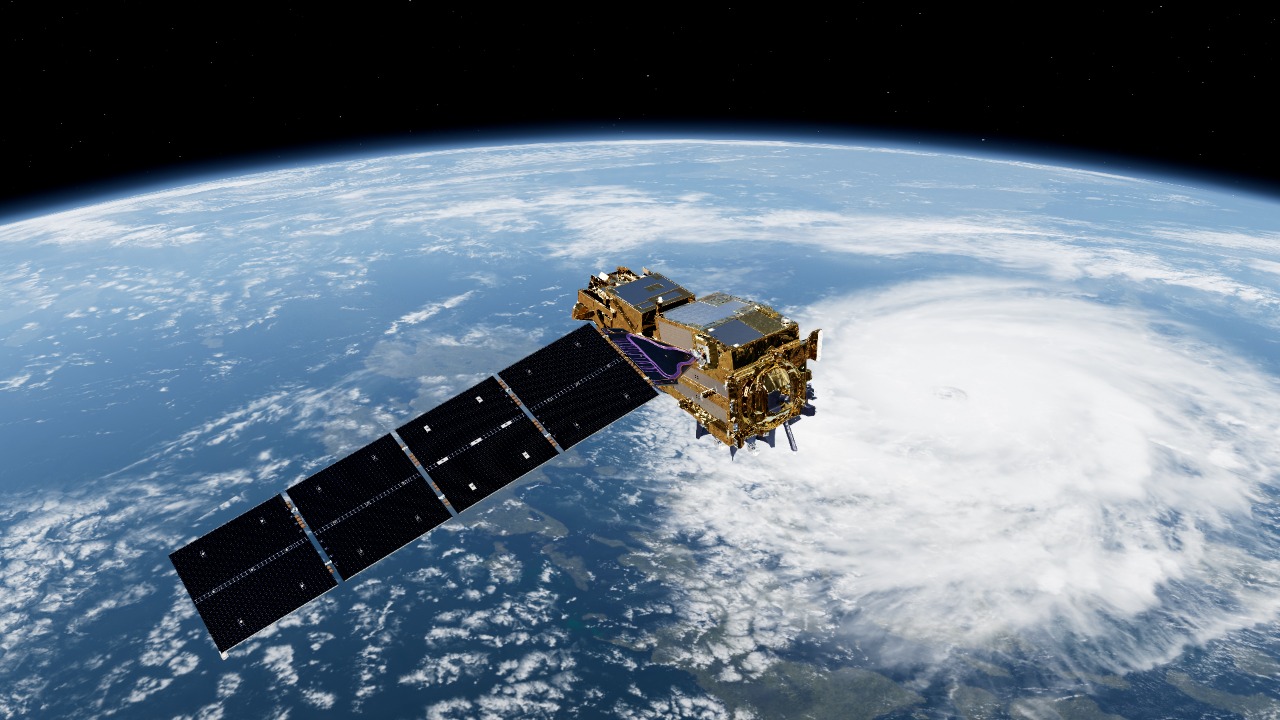
AI is being seamlessly integrated with existing meteorological systems, such as weather balloons and radar. This integration enhances the overall capability of weather forecasting systems by combining the strengths of traditional and modern technologies. For instance, radar can provide real-time data, which AI can analyze to predict longer-term trends and risks.
Technological Challenges
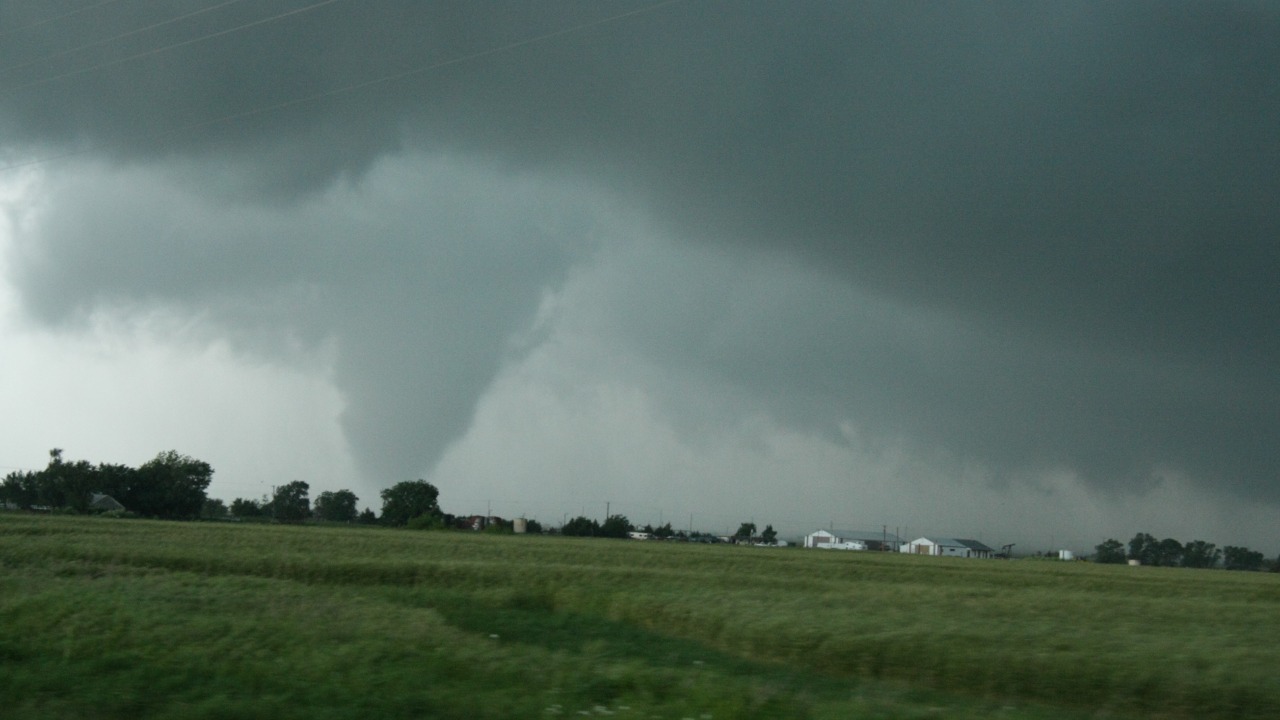
Despite its potential, AI-driven tornado prediction faces several challenges. The computational power required to analyze massive datasets and run complex models is substantial. Additionally, the quality and availability of data can impact the effectiveness of AI predictions. Addressing these challenges will be crucial for the continued advancement of AI in meteorology.
Future Innovations

The future of AI in weather forecasting holds exciting possibilities. Advances in computational technology, such as quantum computing, could further enhance the speed and accuracy of AI predictions. Moreover, the development of more sophisticated algorithms and models will likely lead to even greater improvements in tornado forecasting capabilities. For an exploration of future innovations in AI weather prediction, see this article.
Emergency Preparedness
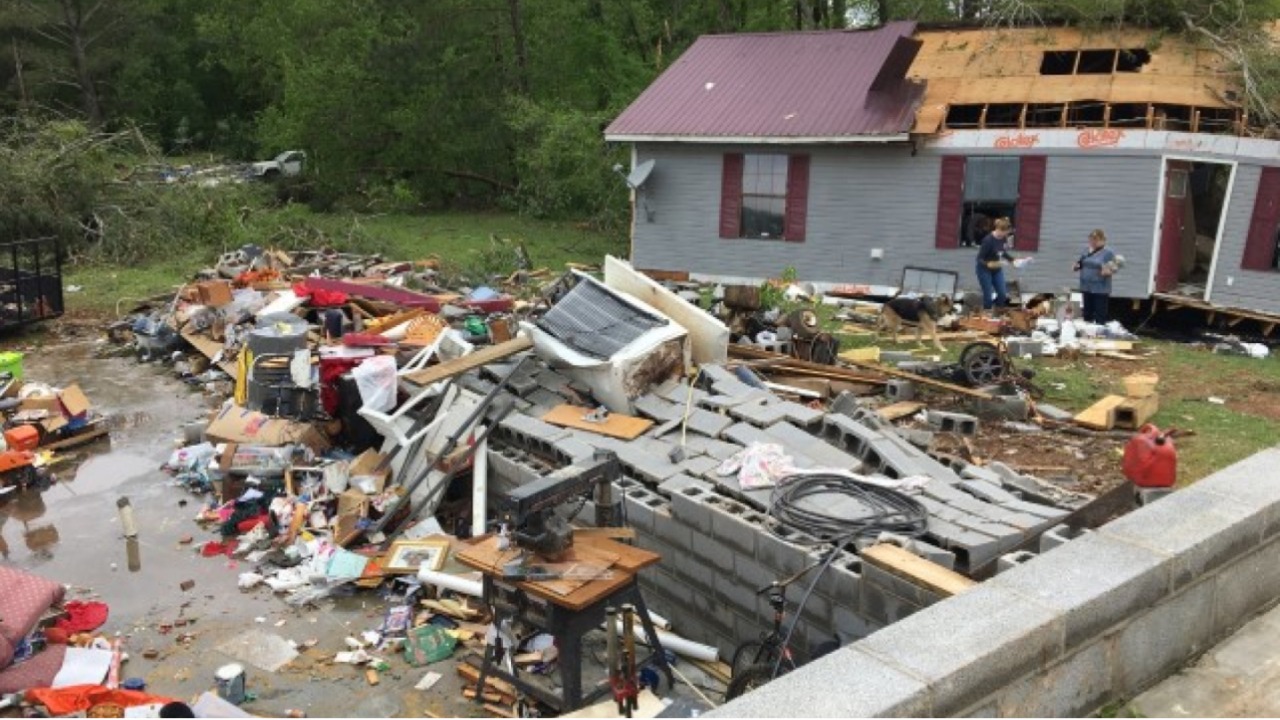
AI predictions have the potential to significantly improve emergency response and community preparedness for tornadoes. By providing more accurate and timely warnings, AI enables communities to implement evacuation plans and other safety measures more effectively. This capability could drastically reduce the loss of life and property damage associated with tornadoes.
Policy and Investment
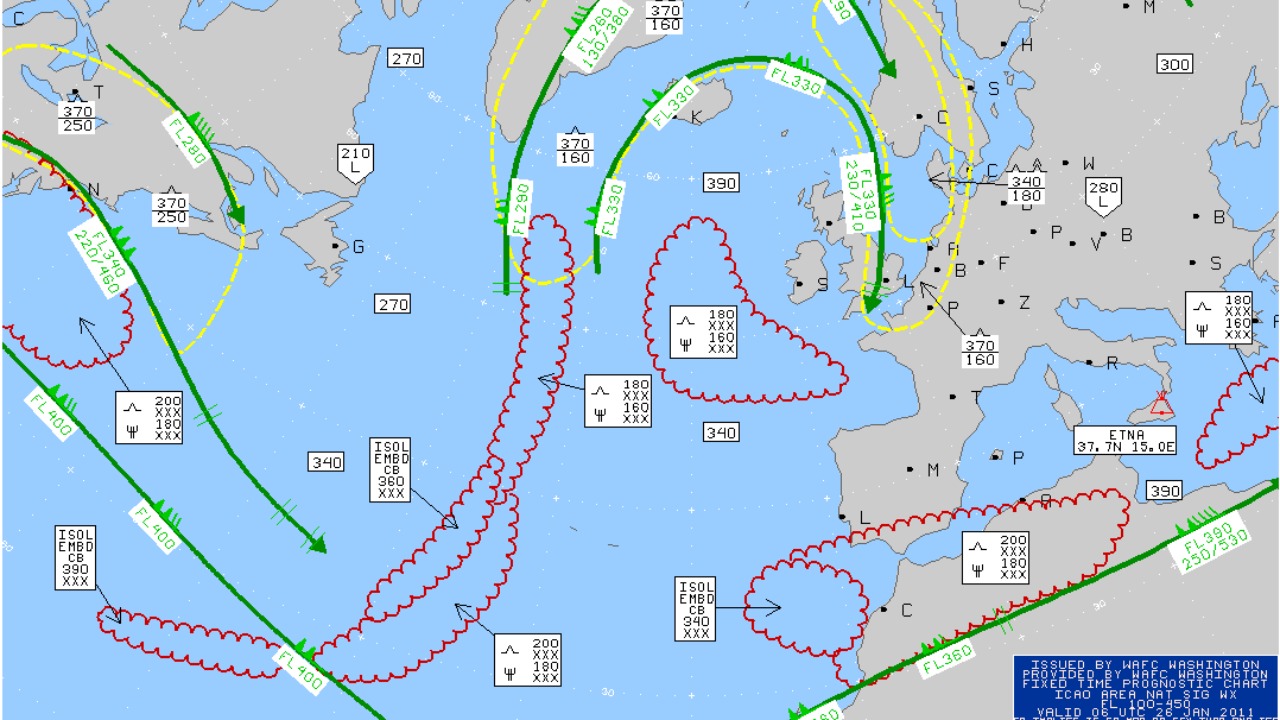
The integration of AI into weather forecasting calls for thoughtful policy development and increased investment. Governments and organizations must prioritize funding for AI research and infrastructure to fully realize its potential in enhancing public safety. Policies should also address the ethical use of AI, ensuring transparency and accountability in its deployment.
Public Trust and Education

Building public trust in AI predictions is vital for their successful implementation. Education campaigns can help the public understand the benefits and limitations of AI-driven forecasts, fostering greater acceptance and reliance on these advanced systems. For more information on the importance of public trust in AI for weather prediction, click here.
Ethical Use of AI

The ethical considerations surrounding the use of AI in weather forecasting are multifaceted. Issues such as data privacy and algorithm transparency must be addressed to ensure ethical application. It is crucial that AI systems are designed and operated with these principles in mind to maintain public confidence and trust.
Environmental Impact

Advanced tornado predictions can have significant environmental benefits, potentially reducing property damage and minimizing the ecological impact of severe weather events. By enabling better preparedness, AI can contribute to more sustainable and resilient communities in the face of climate change.
Balancing Technology with Human Expertise

While AI offers powerful tools for tornado prediction, the role of human meteorological expertise remains indispensable. The combination of AI technology and skilled meteorologists ensures that predictions are not only accurate but also contextually relevant. This balance is essential for making informed decisions that safeguard lives and property.
