As we stand on the brink of technological evolution, our capacity to delve deeper into the cosmic abyss is escalating. The potent synergy between artificial intelligence (AI) and astronomy is creating waves in the scientific community, with AI-powered telescopes uncovering new galaxies daily, offering unprecedented insights into the cosmos.
The Marriage of AI and Astronomy
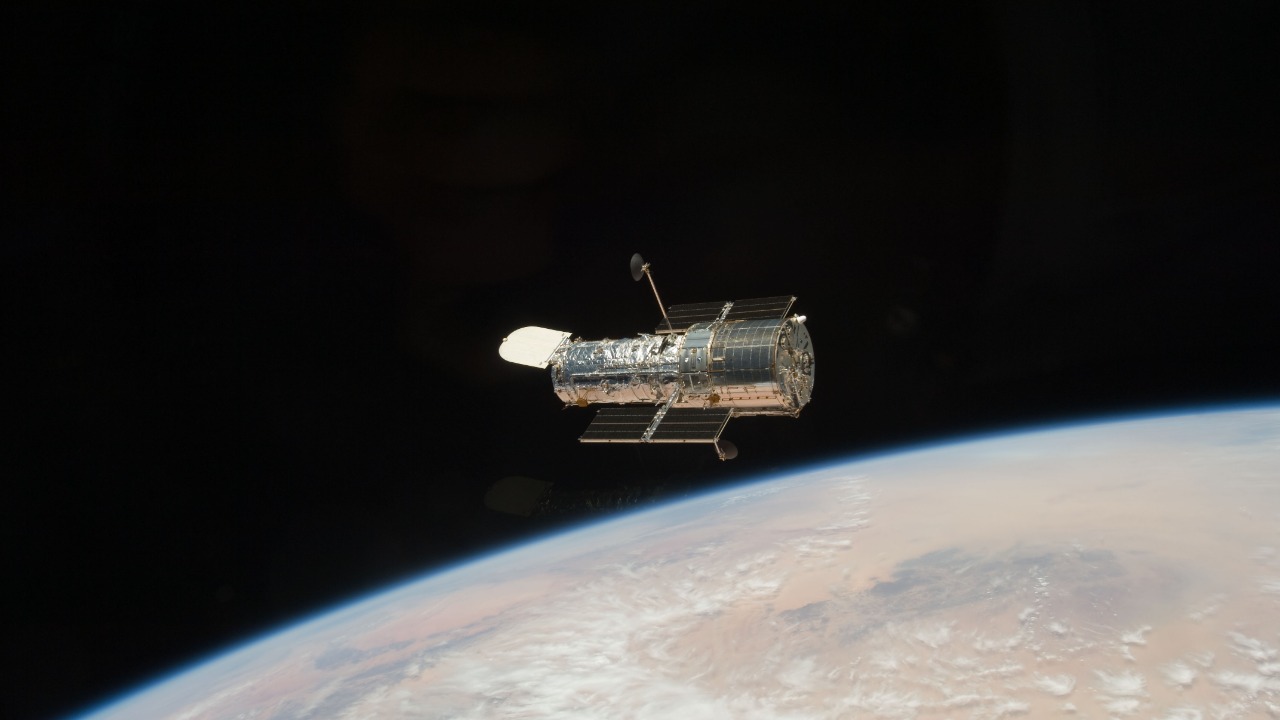
Artificial Intelligence has become an indispensable tool in modern astronomy. The sheer volume of data derived from telescopic observations is staggering, and AI has proved instrumental in managing this astronomical data. Machine learning algorithms are proficient at identifying patterns and anomalies in data sets, making them adept at detecting celestial bodies and cosmic phenomena.
AI-powered telescopes represent the next phase in the evolution of astronomical tools. These advanced devices utilize machine learning to augment their capabilities, interpreting vast data sets at incredible speeds, and identifying celestial bodies with unparalleled precision. This technological breakthrough is reshaping our approach to the observation and study of the universe.
Unveiling the Power of AI-Powered Telescopes
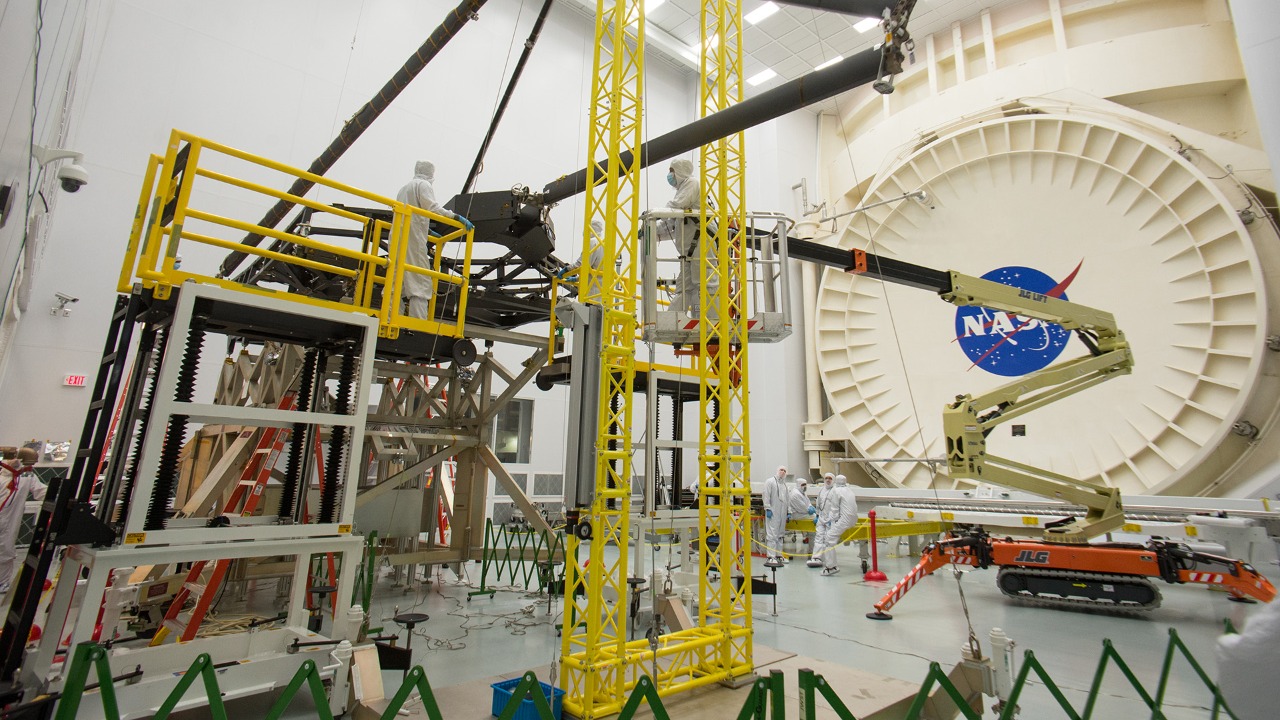
Diving deeper into the mechanics of AI-powered telescopes, we find that these machines employ deep learning algorithms to analyze and interpret cosmic data. The telescopes capture images of the cosmos and feed them into the AI system, which sifts through the data to identify galaxies, stars, and other celestial bodies.
Thanks to AI technology, the field of astronomy has witnessed significant advancements. For instance, the discovery of new galaxies has soared, providing valuable information about the composition and evolution of the universe. AI-powered telescopes have been pivotal in these discoveries, identifying galaxies that may have otherwise gone unnoticed by human astronomers.
Challenges and Solutions in AI-Astronomy
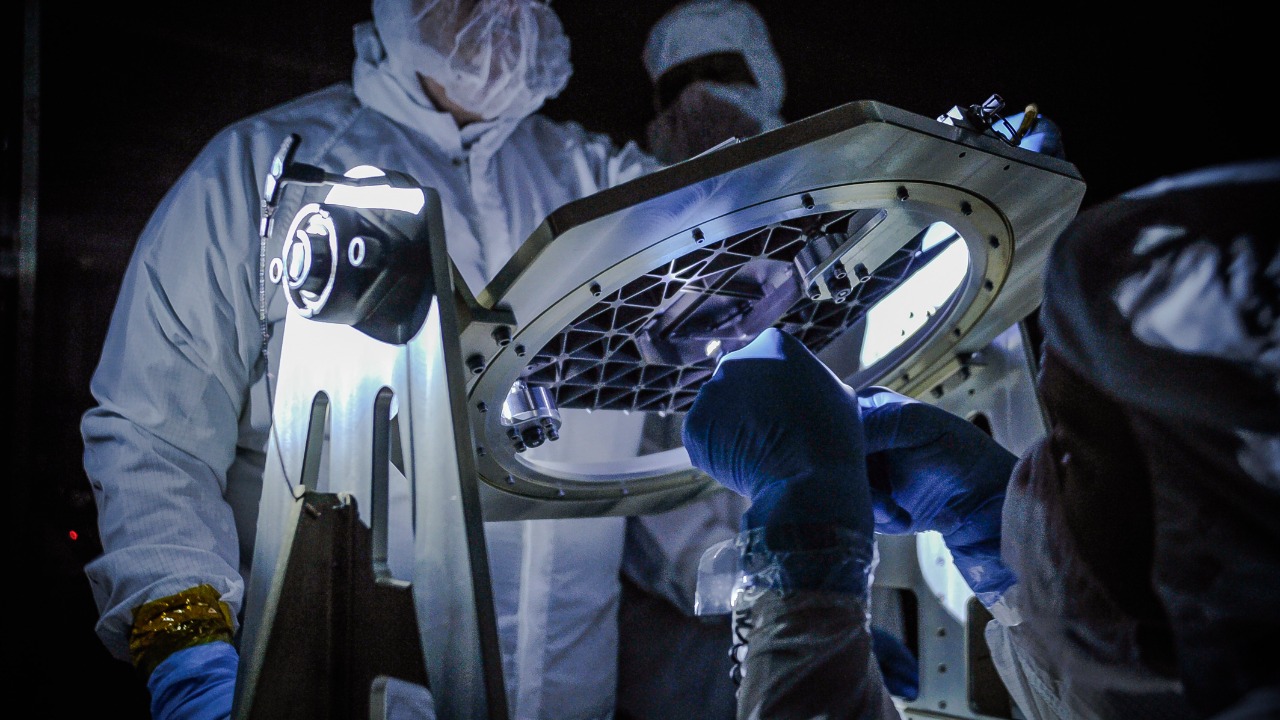
Despite the promising benefits of AI in astronomy, the integration of these two fields is not without its challenges. One major hurdle is the need for massive computational power to process the enormous volumes of data generated by telescopes. Additionally, the accuracy of AI predictions can be affected by factors such as atmospheric interference and equipment limitations.
However, AI provides solutions to these challenges, such as advanced algorithms capable of handling massive data sets and techniques to mitigate the effects of atmospheric interference. Moreover, as we continue to improve AI technology, we can expect these systems to become more accurate and efficient in their astronomical predictions. Still, we must be mindful of the potential risks and ethical considerations of AI, such as the potential misuse of technology and data privacy concerns.
The Future of AI in Space Exploration
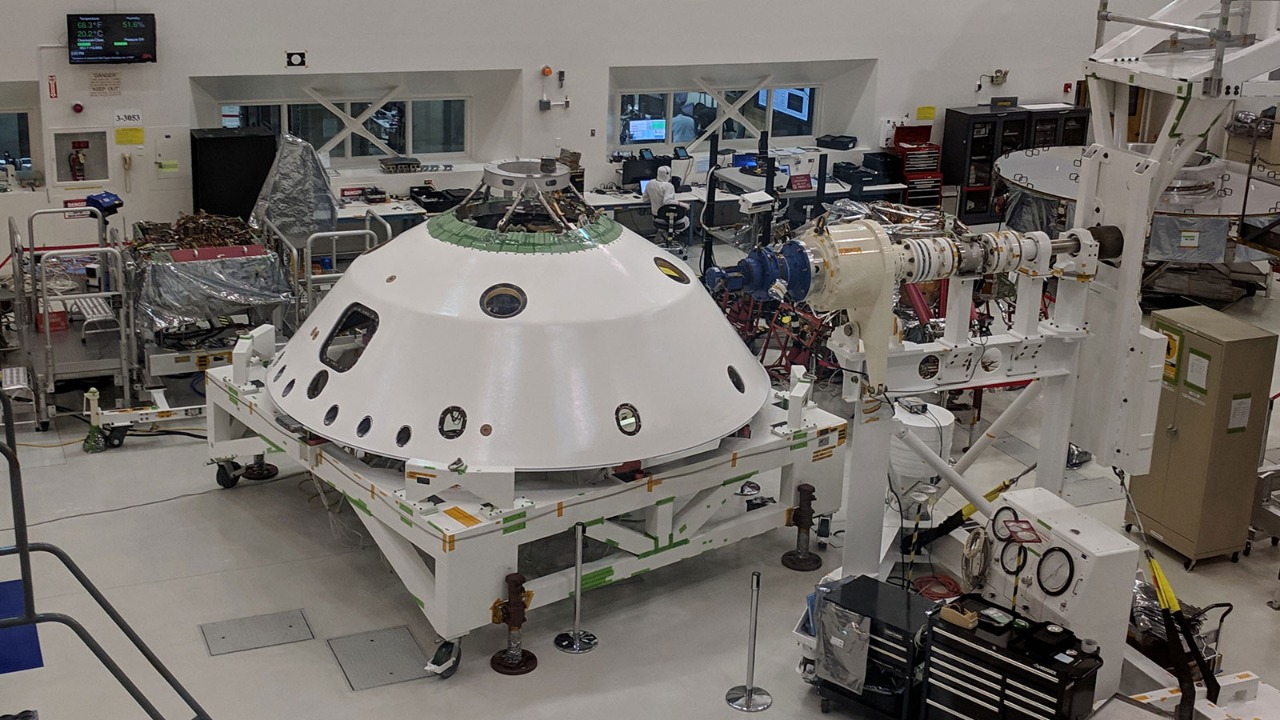
Looking forward, there’s no doubt AI will play an increasingly crucial role in space exploration. As AI systems continue to evolve, we can expect them to aid in the discovery of habitable planets and the search for extraterrestrial life. AI will be instrumental in analyzing the data collected by future space missions, making sense of the vast information collected by our probes and rovers.
In the upcoming years, AI is poised to play a prominent role in space missions and research. From the deployment of the James Webb Space Telescope to NASA’s Mars 2020 mission, AI is becoming an integral part of our journey into the cosmos.
Implications for Science and Society
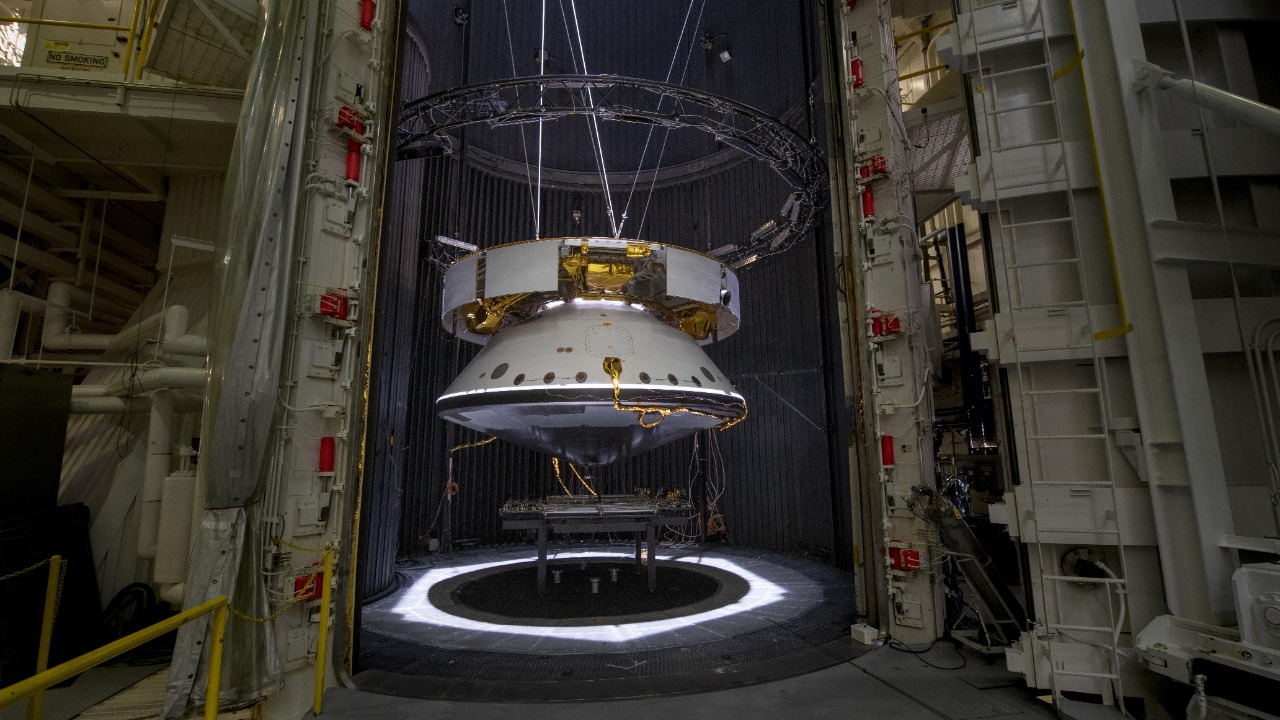
The advent of AI-powered telescopes has significantly impacted our understanding of the universe. These advanced devices are continually enhancing our knowledge of the cosmos, influencing science education and the public’s understanding of space. As we discover new galaxies and celestial phenomena, we gain a deeper appreciation for the complexities and wonders of the universe.
The societal implications of rapidly advancing AI technology in astronomy are profound. The discoveries made possible by AI are not only reshaping our understanding of the cosmos, but also raising important questions about our place in the universe. As we continue to harness the power of AI, we must also grapple with the ethical considerations and societal implications of this powerful technology. Our understanding of the universe and our place within it is rapidly changing, and AI is at the forefront of this transformation.
