Recent advancements in artificial intelligence (AI) have led to the development of platforms capable of designing molecular “missiles” that specifically target cancer cells. These innovations hold the promise of revolutionizing cancer treatment by enhancing precision and reducing side effects associated with conventional therapies.
The Rise of AI in Cancer Treatment

In recent years, AI has increasingly become a cornerstone in modern medicine, transforming the way diseases are diagnosed and treated. The evolution of AI technologies has seen their roles expand from simple data analysis tools to sophisticated systems capable of simulating complex biological processes. This shift is particularly evident in healthcare, where AI is harnessed to tailor treatments to individual patients, improving outcomes and minimizing adverse effects. By analyzing vast datasets, AI can identify patterns and correlations that might elude human researchers, making it invaluable for personalized medicine.
One of the most promising applications of AI in medicine is in the field of molecular design. AI algorithms are now capable of predicting and designing molecules that can target cancer cells with unprecedented precision. These AI-driven platforms can model the interactions between potential drug compounds and cancer cells, allowing researchers to identify the most promising candidates for further development. This not only accelerates the drug discovery process but also reduces the time and cost associated with bringing new treatments to market. A notable example is the recent AI platform that has been designed to create molecular missiles, showcasing a significant leap forward in AI’s capabilities.
How Molecular Missiles Work
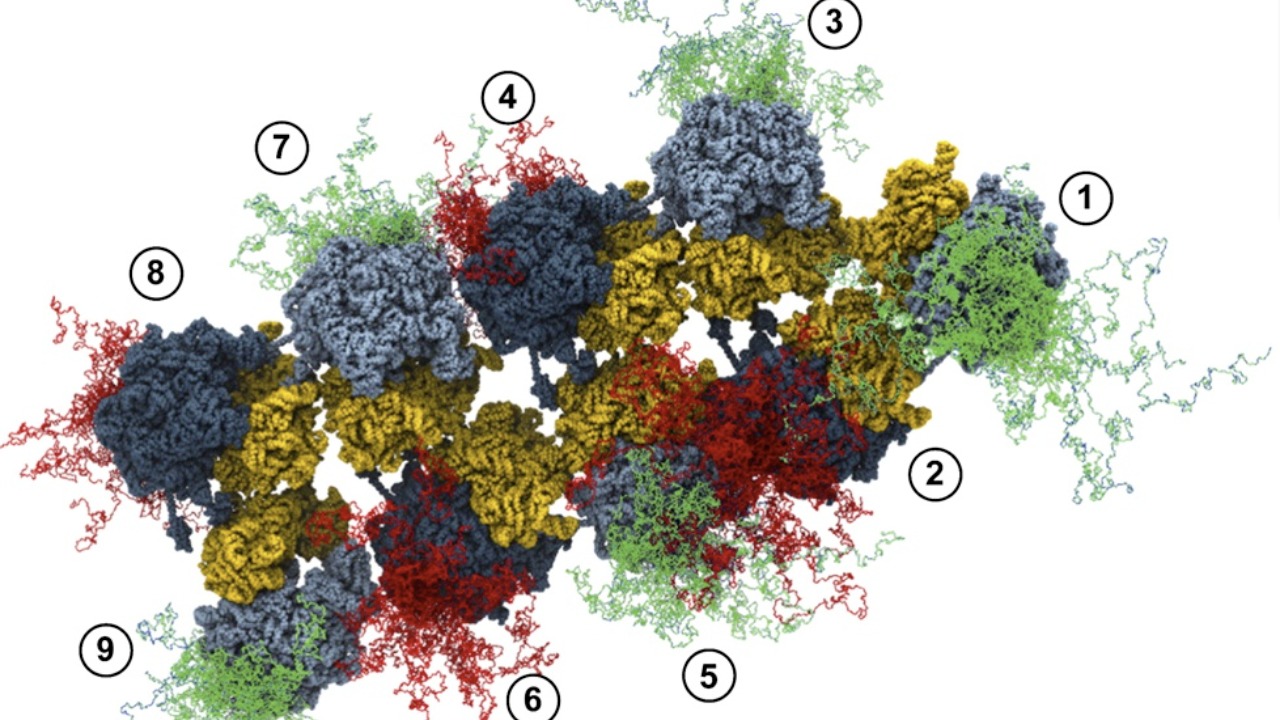
The concept of “molecular missiles” revolves around engineering molecules to specifically target cancer cells, akin to guided missiles seeking out their targets. These molecules are designed to recognize and bind to specific markers on the surface of cancer cells, enabling them to deliver therapeutic agents with high precision. This mechanism of action relies on the unique characteristics of cancer cells, which often express proteins or other molecules not found on healthy cells. By exploiting these differences, molecular missiles can zero in on cancerous cells while sparing healthy tissue.
Compared to traditional cancer treatments like chemotherapy and radiation, AI-designed molecular missiles offer several significant advantages. Traditional therapies often affect both cancerous and healthy cells, leading to a range of side effects such as hair loss, nausea, and fatigue. In contrast, the precision of molecular missiles reduces collateral damage to healthy cells, potentially leading to fewer side effects and improved patient outcomes. This precision not only enhances the overall efficacy of the treatment but also improves the quality of life for patients undergoing therapy.
Case Studies and Clinical Trials
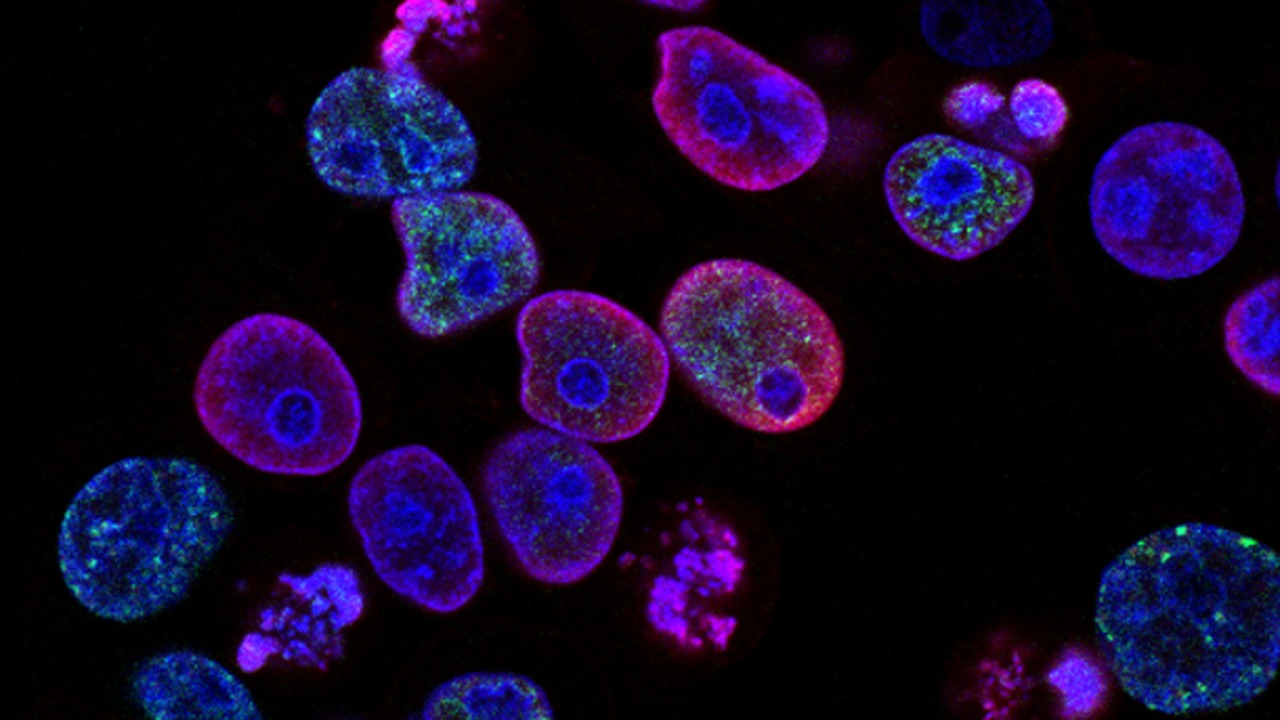
Several studies have highlighted the potential of AI-designed molecular missiles in cancer treatment. For instance, a recent study published in Nature demonstrated how AI-generated molecules successfully targeted cancer cells in laboratory settings. These breakthroughs offer a glimpse into the future of cancer therapy, where treatments are tailored to the unique molecular profile of each patient’s disease. The outcomes of such studies have significant implications for the development of more effective and less toxic therapies, paving the way for new standards in cancer care.
While promising, these advancements are still in the early stages of clinical validation. Several ongoing clinical trials are currently examining the efficacy and safety of AI-designed treatments in humans. These trials are crucial for moving from laboratory studies to real-world applications, providing the necessary data to support regulatory approval and widespread adoption. Despite the challenges, such as ensuring the safety and efficacy of these novel treatments, the progress so far is encouraging. For instance, ongoing research is focusing on AI-designed modifications to the immune system to enhance the body’s natural ability to fight cancer.
Challenges and Ethical Considerations

The development of molecular missiles is not without its challenges. Technically, designing molecules that can accurately target cancer cells while avoiding healthy tissue requires precise engineering and validation. AI algorithms must be continually improved and validated to ensure their predictions are accurate and reliable. This requires significant computational resources and expertise in both AI and molecular biology, highlighting the need for interdisciplinary collaboration.
Ethical and regulatory considerations also play a critical role in the deployment of AI in medicine. Issues such as data privacy and the transparency of AI decision-making processes must be addressed to ensure patient trust and safety. Furthermore, the regulatory landscape must evolve to accommodate the unique challenges posed by AI-driven therapies. Regulatory bodies must balance the need for rigorous testing and validation with the desire to bring innovative treatments to patients as quickly as possible. As highlighted by Thieme Connect, these considerations are essential for the safe and effective implementation of AI technologies in healthcare.
Future Prospects and Implications

The potential of AI to revolutionize personalized medicine is immense. By tailoring treatments to the genetic profile of individual patients, AI promises to deliver more effective and targeted therapies. This approach could transform cancer treatment, moving away from the one-size-fits-all model to a more personalized strategy that considers the unique characteristics of each patient’s disease. Beyond cancer, the implications of AI-driven personalized medicine extend to other diseases, offering hope for more effective treatments across a range of conditions.
The advancement of AI technologies in medicine requires collaboration between researchers, healthcare professionals, and industry partners. Interdisciplinary collaboration is essential to harness the full potential of AI, combining expertise from diverse fields to drive innovation. Public-private partnerships can play a vital role in accelerating the development and adoption of AI technologies, providing the resources and infrastructure needed to bring these innovations to market. As highlighted in a study by MDPI, such partnerships are crucial for advancing AI research and ensuring that cutting-edge treatments are accessible to patients worldwide.
