Artificial Intelligence (AI) is transforming many fields of study, and biology is no exception. As AI technologies advance, they are challenging old assumptions and leading to discoveries that are fundamentally changing our understanding of biology.
AI and its Role in Modern Biology

AI’s role in modern biology is multifaceted and profound. It’s influencing the way biological research is conducted and is instrumental in debunking long-standing biological assumptions. For instance, AI is helping scientists make breakthrough discoveries by offering enhanced data analysis capabilities and predictive models. This accelerates the pace of research and provides insights that might otherwise be overlooked.
One notable instance is when Johns Hopkins scientists used AI to debunk a century-old assumption about brain cells. The research challenged the belief that axons – nerve fibers in the brain – behave the same way regardless of their location. This revelation, enabled by AI, may have significant implications for the understanding of brain functions and disorders.
AI-Driven Discoveries That Are Rewriting Textbooks
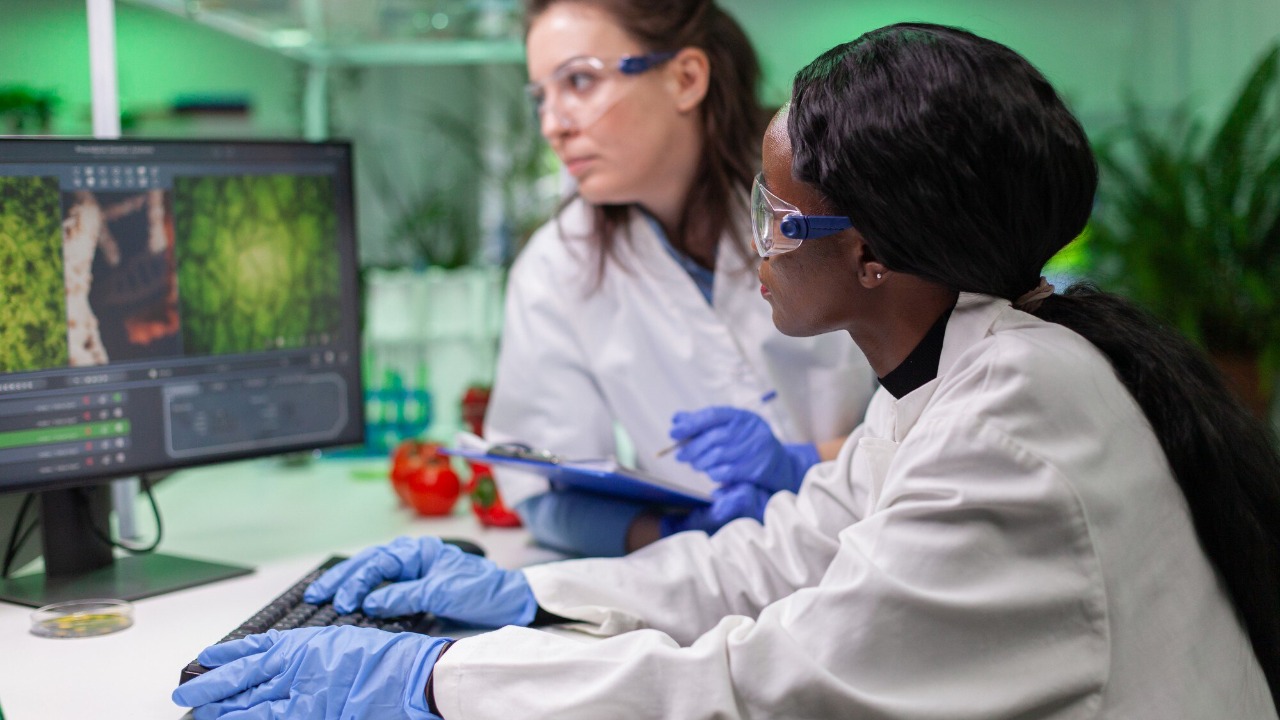
AI is not just enhancing research methods; it’s also leading to discoveries that are rewriting biology textbooks. For example, AI has been pivotal in unearthing new organisms. A recent study revealed the discovery of a new organism that could significantly change our understanding of life on Earth. This discovery was made possible through AI algorithms that analyzed large amounts of genetic data.
In another fascinating instance, scientists utilized AI to uncover a microbe that challenges the definition of life. This microbe, found deep under the ocean floor, exhibits characteristics that blur the line between what is considered living and non-living. This finding, enabled by AI, could lead to a redefinition of life as we know it.
The Impact of AI on Biology Education
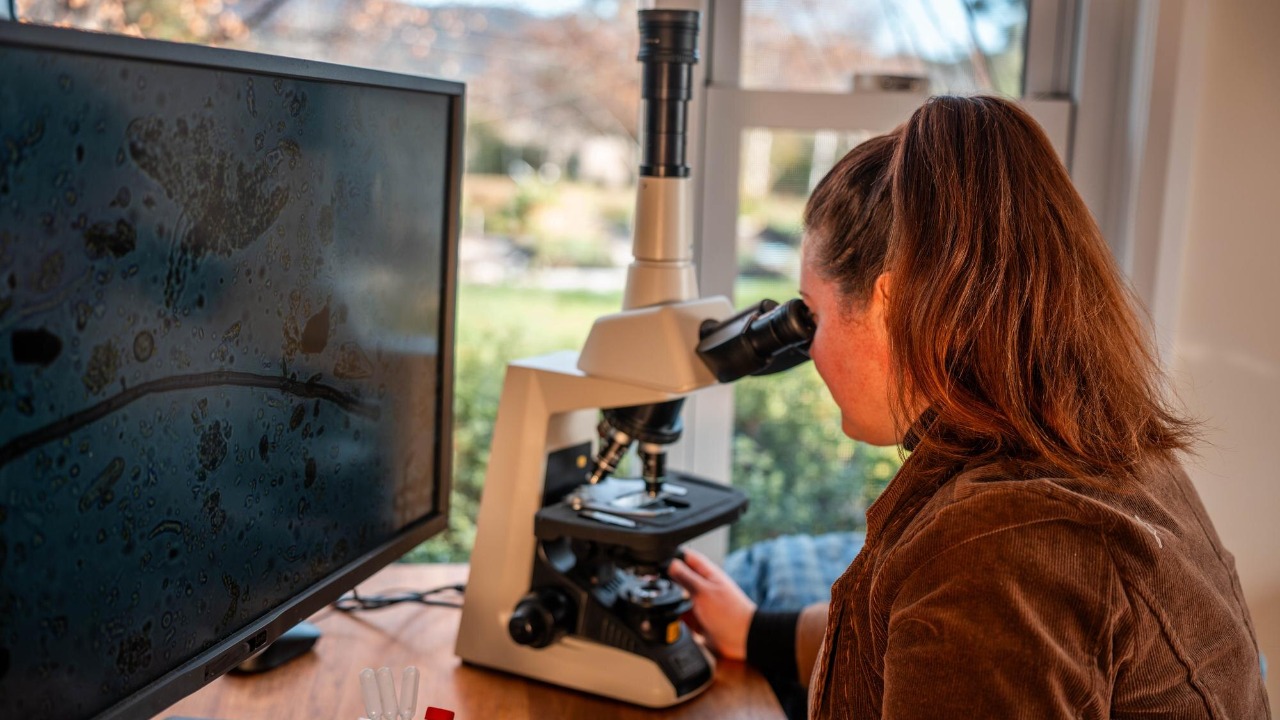
AI is not only making waves in research; it’s also transforming biology education. By making textbooks interactive and dynamic, AI tools are making learning more engaging and personalized. For example, a new interactive AI tool developed at the University of Colorado Boulder brings biology textbooks to life, offering students a more immersive learning experience.
The potential of AI-driven education is vast. It could revolutionize the way biology is taught and learnt, making it more accessible and intuitive. With AI, students can have a more hands-on experience, exploring biological concepts through simulations and virtual labs. This not only enhances understanding but also fosters a deeper appreciation of the subject.
Challenges and Ethical Considerations

Despite the immense benefits, the integration of AI in biology also poses challenges. For instance, verifying the accuracy of AI-generated biological data is an ongoing concern. AI algorithms can generate vast amounts of data, but ensuring the validity of this information is crucial. Incorrect data could lead to false conclusions, potentially causing setbacks in research and education.
Moreover, ethical considerations surrounding the use of AI in biological research and education cannot be overlooked. Issues such as data privacy, informed consent, and the potential misuse of AI-generated information need careful consideration. It’s essential to establish robust ethical guidelines to govern the use of AI in biology.
The Future of AI in Biology
The future of AI’s role in biological research appears promising. As AI technologies continue to evolve, they could lead to even more groundbreaking discoveries. Imagine a future where AI can predict biological phenomena or simulate complex biological systems. These capabilities could drastically accelerate the pace of biological research, leading to discoveries that could further revolutionize our understanding of life.
Similarly, the impact of AI on the future of biology education could be profound. As AI tools become more sophisticated, they could offer even more immersive and personalized learning experiences. Imagine a future where every student has a virtual biology lab at their fingertips, enabling them to explore and experiment without any limitations. This could fundamentally change the way biology is taught and learnt, making it more engaging and accessible for all.
