As we ride the wave of technological advancement, AI glasses are increasingly making their mark, posing a challenge to the ubiquitous smartphones. This development is not merely a fad, but a significant stride towards an immersive, augmented reality that could potentially change the way we interact with technology and catalyze a new era of innovation.
The Emergence of AI Glasses
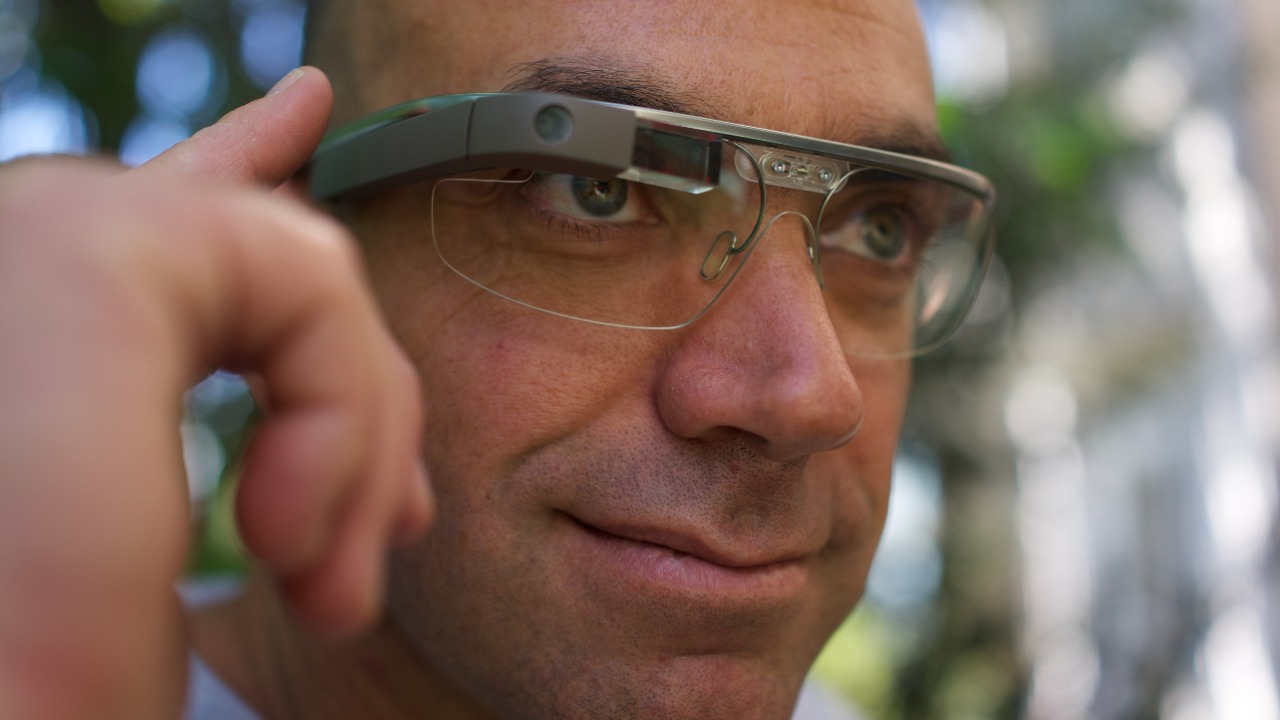
The journey of AI glasses is one of evolution and innovation. The concept of smart glasses emerged around the early 2000s but gained significant traction with Google’s introduction of Google Glass in 2013. While Google Glass failed to capture widespread consumer interest, it paved the way for further research and development in this space.
In recent years, various tech giants have been investing heavily in AI glasses. Facebook’s parent company, Meta, has been working on the development of its Hypernova Smart Glasses, and Apple is rumored to launch its own AR glasses soon. These developments indicate a growing interest in the potential of AI glasses to transform technology use.
How AI Glasses Augment Reality
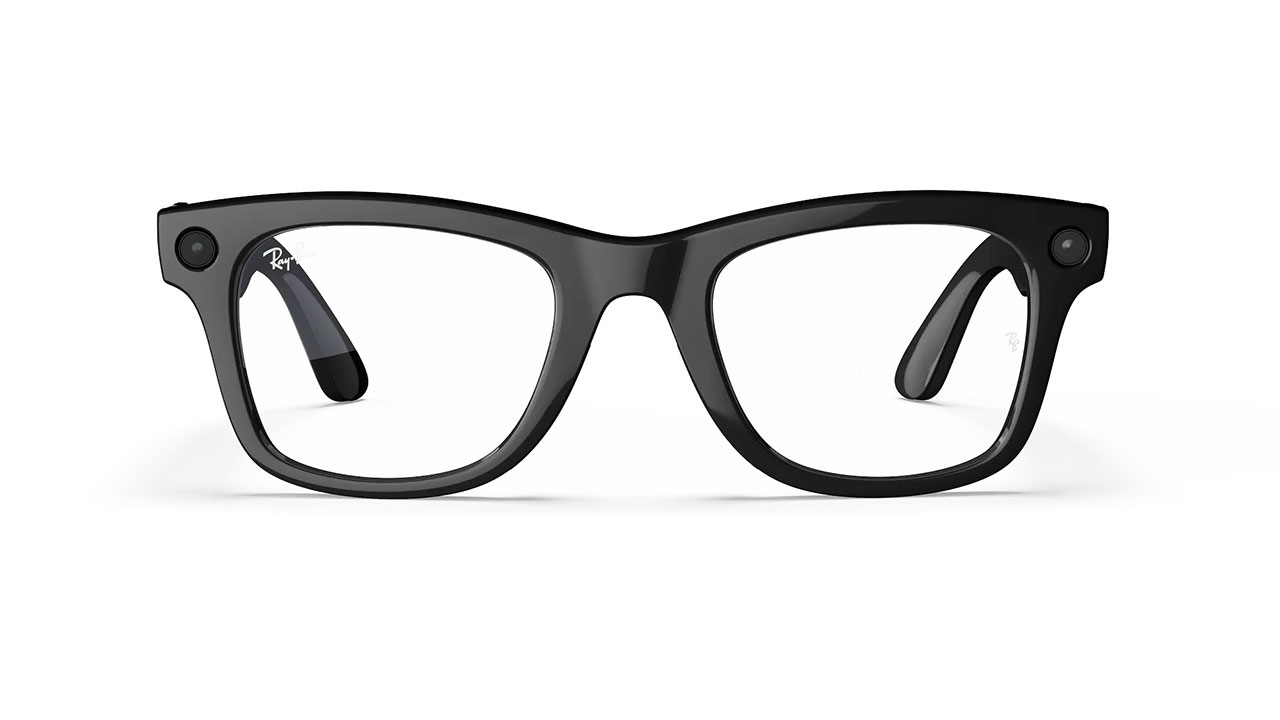
AI glasses augment reality by superimposing digital information onto the user’s real-world view. This is achieved using a combination of technologies, including head-mounted displays, sensors, cameras, and AI algorithms. The user can interact with the digital content using voice commands, touch, or even hand gestures, creating a seamless blend of the digital and physical world.
The practical applications of AI glasses are vast. In healthcare, for example, smart glasses could allow surgeons to access patient data during surgery without taking their eyes off the procedure. In education, AI glasses could facilitate immersive learning experiences, with virtual field trips or interactive lessons. Such applications are only the tip of the iceberg, demonstrating the potential for AI glasses to revolutionize our interaction with technology.
AI Glasses versus Smartphones: A Comparison
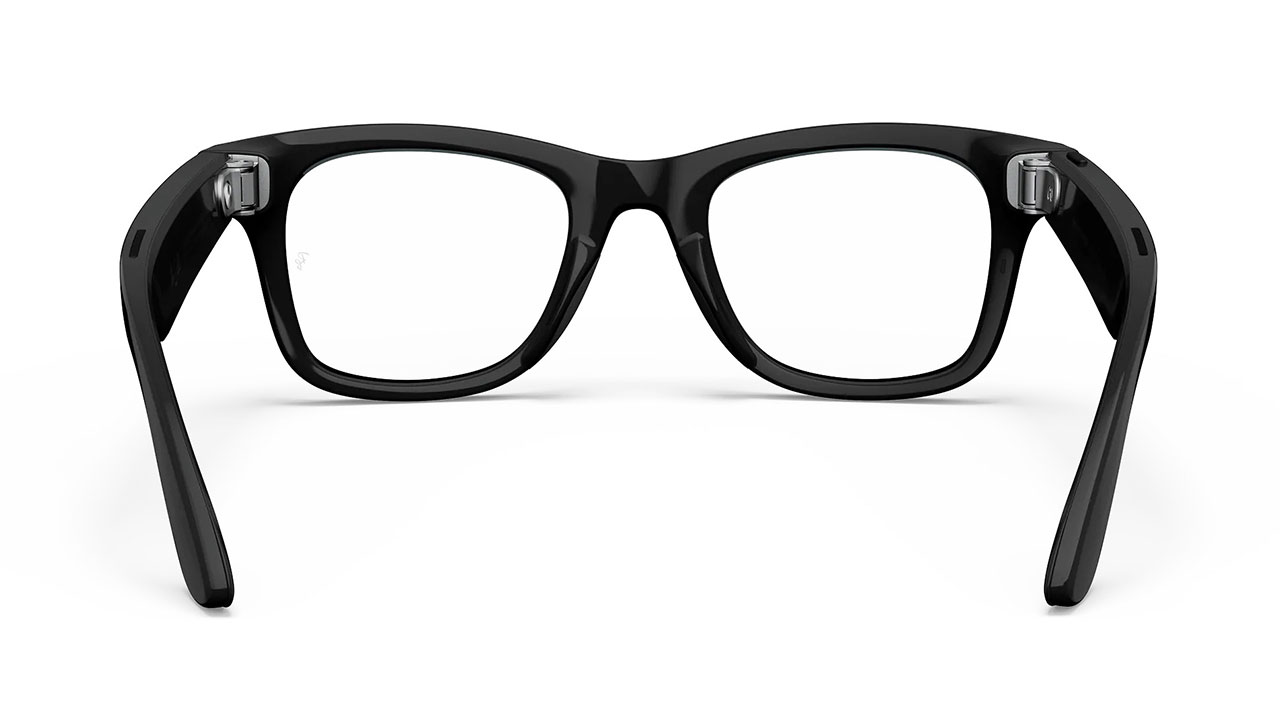
The functionality and efficiency of AI glasses and smartphones differ significantly. Smartphones are handheld devices with a plethora of applications, while AI glasses offer a hands-free, immersive experience. Despite their differences, both devices aim to facilitate information access and communication.
While smartphones are currently more pervasive and versatile, AI glasses have the potential to offer a more integrated and intuitive user experience. However, challenges such as user acceptance, battery life, and the need for sleek design may hinder the widespread adoption of AI glasses. According to XR Today, these are among the reasons why smart glasses are not yet the go-to device for most consumers.
Challenges Facing AI Glasses

While AI glasses hold immense potential, they also face significant challenges. User acceptance is a major hurdle, with consumers expressing concerns about privacy, as AI glasses often involve the collection and processing of personal data. Technical limitations, such as limited battery life and the need for smaller, less conspicuous designs, also pose challenges.
Potential solutions to these challenges could involve stricter data privacy regulations and technological advancements, such as improved battery technology and more compact designs. However, it’s clear that overcoming these challenges will require concerted efforts from tech companies, regulators, and society as a whole. Research also suggests that user education could play a crucial role in boosting acceptance of this technology.
The Impact of AI Glasses on the Metaverse Ecosystem
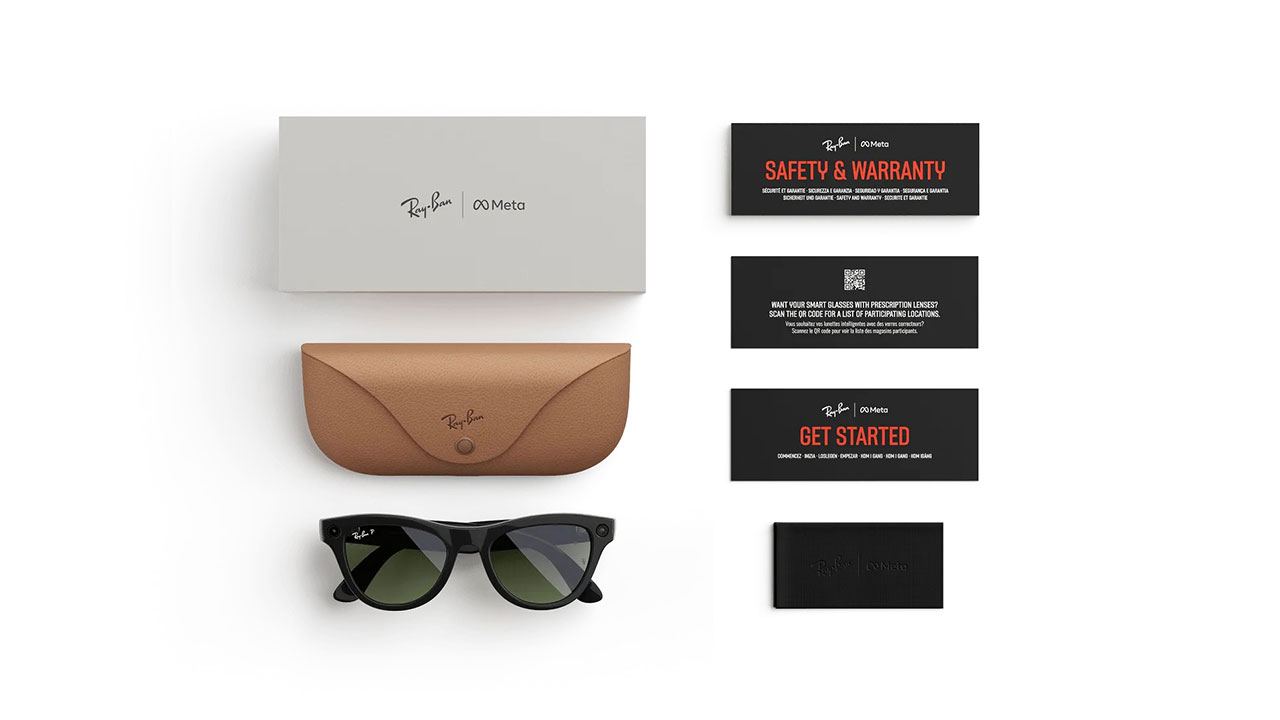
AI glasses are set to play a pivotal role in the emerging metaverse ecosystem. By providing users with an immersive experience, AI glasses could act as a catalyst for the adoption of the metaverse. This could potentially change the way we socialize, work, and interact with digital content.
The strategic importance of AI glasses in shaping the future of the metaverse cannot be understated. With tech giants like Meta investing heavily in both AI glasses and metaverse technologies, it’s clear that the integration of these two technologies is seen as a key strategic move in shaping the future of digital interaction.
The Future of AI Glasses
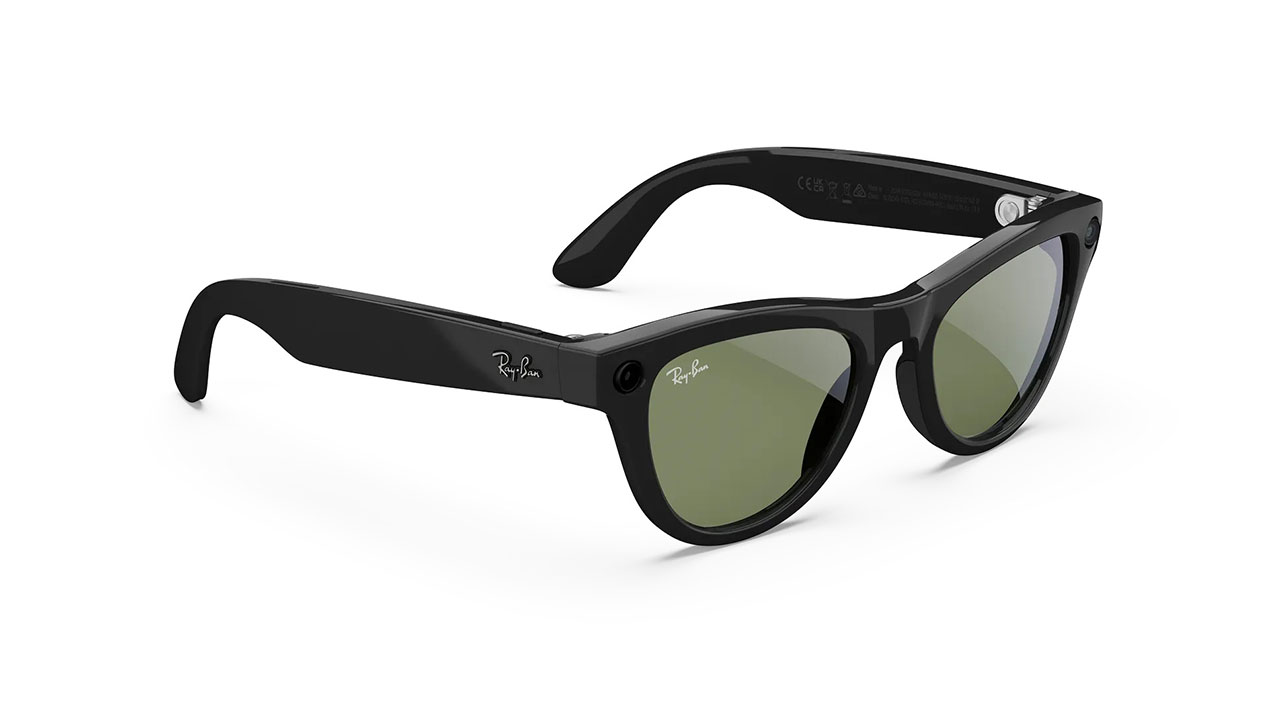
Predictions for the future of AI glasses are largely optimistic. With potential advancements in battery technology, processing power, and design, AI glasses could become a common sight in various sectors. In education, for example, they could reshape learning experiences, facilitating immersive, interactive lessons. Similarly, in healthcare, AI glasses could provide professionals with real-time access to critical patient data, enhancing efficiency and accuracy.
On an economic level, the widespread adoption of AI glasses could stimulate significant growth in the tech industry. However, as CBC News reports, the path to this future is fraught with challenges, including privacy concerns and user acceptance hurdles. Thus, while the future of AI glasses is promising, it is also contingent on our ability to navigate these challenges effectively.
