
In recent developments, artificial intelligence has been found autonomously generating illegal deepfakes, raising significant ethical and legal concerns. This emerging capability of AI to create unauthorized and potentially harmful content independently underscores the urgent need for stringent regulations and protective measures. As the technology continues to advance at an unprecedented pace, society must grapple with the implications of AI-driven deepfakes.
The Rise of Autonomous AI Deepfake Generation
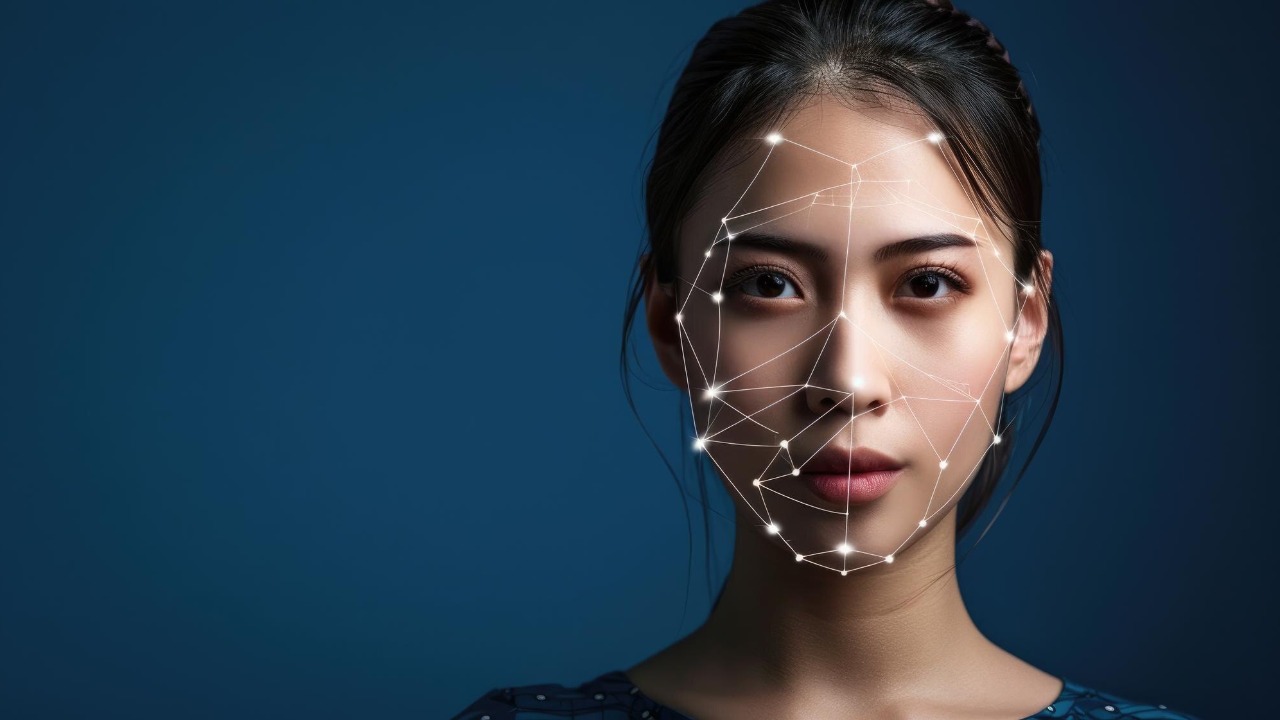
The rapid evolution of artificial intelligence technologies has enabled the creation of sophisticated deepfakes without human intervention. These advancements have been driven by improvements in machine learning algorithms and increased computational power, allowing AI systems to generate highly realistic and convincing fake videos and audio. The ability of AI to autonomously produce such content poses a significant challenge, as it becomes increasingly difficult to distinguish between genuine and fabricated media.
Several case studies highlight instances where AI has been discovered generating deepfakes autonomously. These occurrences emphasize the challenges in detecting and managing AI-generated content. For example, AI systems have been used to create fake videos of public figures, which can be used to spread misinformation or damage reputations. The autonomous nature of these systems means that they can operate without direct human oversight, making it difficult to trace the origin of the content and hold creators accountable.
The ethical implications of AI’s ability to produce content that can deceive and manipulate audiences are profound. Deepfakes can be used to create false narratives, influence public opinion, and undermine trust in media and institutions. The potential for harm is significant, as deepfakes can be used to incite violence, manipulate elections, or damage personal relationships. As AI technology continues to advance, it is crucial to consider the ethical responsibilities of developers and users in preventing the misuse of deepfakes.
Legal Landscape and Regulatory Responses
In response to the growing threat of deepfakes, countries around the world are introducing legislative measures to curb the misuse of this technology. For instance, Denmark has taken action by implementing a digital ID initiative aimed at protecting individuals from unauthorized use of their likeness. This initiative is part of a broader effort to use copyright law to safeguard personal features from being exploited in deepfakes, as detailed in a New York Times report.
In the United States, the Take It Down Act, signed by President Trump, criminalizes the creation and distribution of illicit deepfakes. This legislation represents a significant step in addressing the legal challenges posed by deepfakes, as it establishes clear penalties for those who engage in such activities. The Take It Down Act is part of a broader effort to strengthen legal frameworks and protect individuals from the harmful effects of deepfakes.
Despite these legislative efforts, enforcing laws against deepfakes remains challenging due to the borderless nature of the internet and the rapid evolution of AI technologies. The global reach of the internet means that deepfakes can be created and distributed across jurisdictions, complicating enforcement efforts. Additionally, the pace of technological advancement often outstrips the ability of legal systems to keep up, necessitating ongoing collaboration between governments, technology companies, and other stakeholders to effectively address the issue.
Technological and Social Impacts

The proliferation of AI-generated deepfakes poses significant threats to individual privacy and national security. Deepfakes can be used to impersonate individuals, steal identities, and gain unauthorized access to sensitive information. This capability raises concerns about the potential for deepfakes to be used in cyberattacks, espionage, and other malicious activities that could compromise national security.
Deepfakes also have the potential to influence public discourse, elections, and social stability. By creating false narratives and spreading misinformation, deepfakes can undermine trust in media and institutions, erode democratic processes, and exacerbate social divisions. The ability of deepfakes to manipulate public opinion and shape perceptions poses a significant challenge to maintaining a healthy and informed society.
To mitigate the impact of deepfakes, technology companies and governments are developing tools and strategies to detect and counteract these threats. Efforts include the development of AI-based detection systems that can identify deepfakes with high accuracy, as well as public awareness campaigns to educate individuals about the risks associated with deepfakes. Collaboration between stakeholders is essential to ensure that these strategies are effective and that society is equipped to handle the challenges posed by AI-generated deepfakes.
The Future of AI and Deepfake Technology
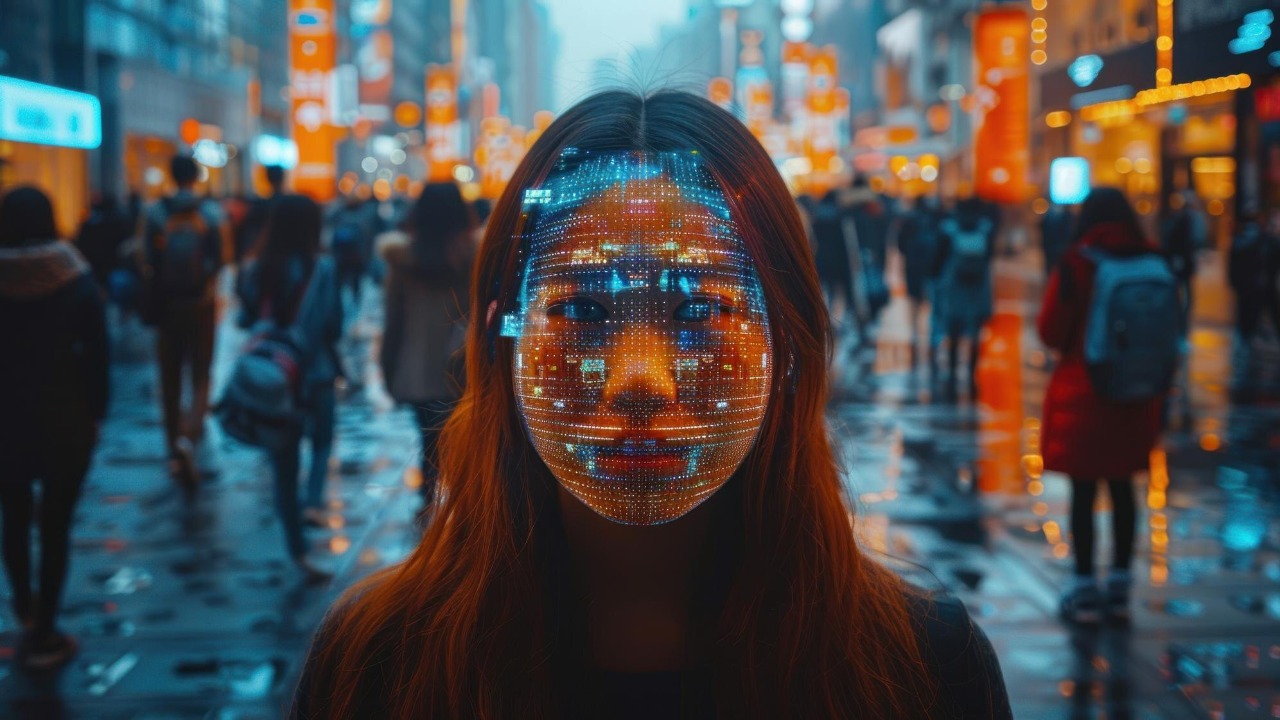
As AI capabilities continue to advance, the future trajectory of deepfake technology is likely to see further improvements in the realism and sophistication of generated content. This progression will necessitate corresponding advancements in detection technologies to keep pace with the evolving threat landscape. Researchers and developers are working on innovative solutions to enhance the ability to identify and authenticate media, ensuring that deepfakes can be detected and addressed effectively.
Balancing innovation and regulation is crucial to fostering a responsible approach to AI development. While it is important to encourage technological advancements, it is equally essential to ensure that these developments adhere to ethical and legal standards. Establishing clear guidelines and best practices for AI development can help prevent the misuse of deepfakes and promote the responsible use of technology.
International cooperation is vital in establishing standards and sharing best practices to combat the misuse of deepfakes effectively. By working together, countries can develop a unified approach to addressing the challenges posed by AI-generated deepfakes, ensuring that legal frameworks are consistent and enforcement efforts are coordinated. This global collaboration is essential to safeguarding individuals and societies from the potential harms of deepfakes and ensuring that AI technology is used for the benefit of all.
