
Artificial Intelligence (AI) is revolutionizing how we predict and respond to natural disasters, with an AI-driven flood-forecasting system now reaching 700 million people across 100 countries. This innovative technology spearheaded by companies like Google marks a significant advancement in global disaster preparedness and climate resilience.
The Role of AI in Flood Forecasting
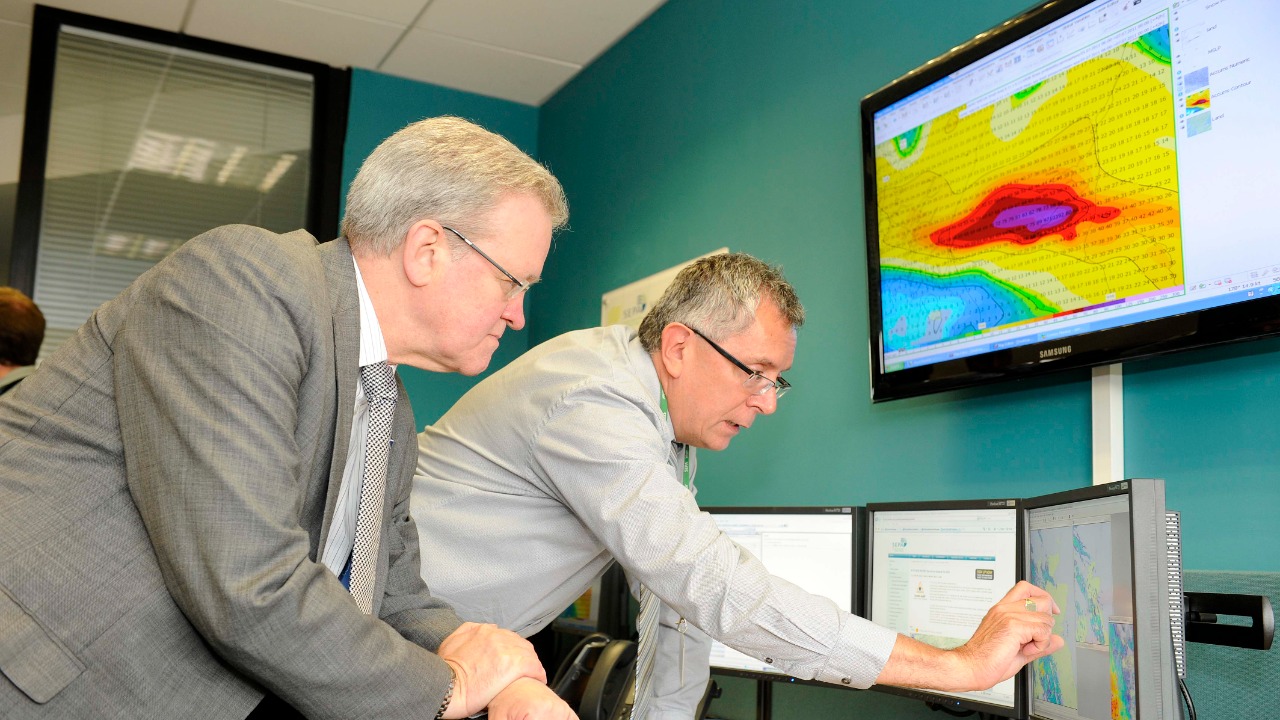
AI technology has become a cornerstone in the field of meteorology, especially in flood forecasting. The ability of AI to analyze vast amounts of data in real-time makes it an invaluable tool for predicting weather patterns and natural disasters. Traditional meteorological methods rely heavily on human interpretation and historical data, which can be limited in scope and speed. In contrast, AI-driven systems can process and interpret data from multiple sources instantaneously, enhancing the accuracy and timeliness of flood forecasts.
At the heart of AI’s capability in flood forecasting lies machine learning and data analysis. These systems utilize sophisticated algorithms that learn from immense datasets, including satellite imagery, precipitation levels, river flow rates, and historical flood events. By continuously analyzing this data, AI can identify patterns and predict potential flooding events with unprecedented precision. This allows for quicker responses to impending disasters, potentially saving lives and reducing property damage.
The integration of AI with existing forecasting systems has further enhanced predictive capabilities. AI systems are not meant to replace traditional meteorological tools but rather complement them. By working in tandem with established methods, AI can enhance the overall accuracy of flood predictions. For instance, AI can refine predictions made by numerical weather models, providing a more comprehensive understanding of potential flooding events and their likely impact on different regions.
Global Expansion and Coverage
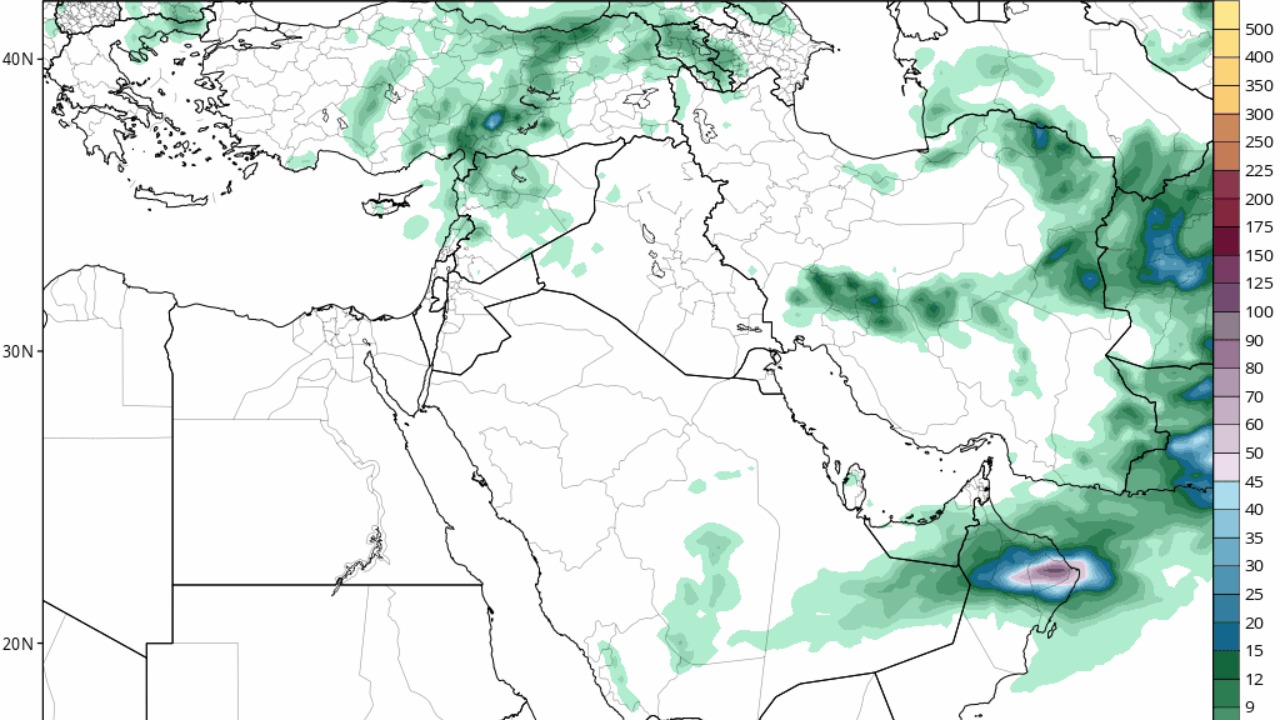
Google has been at the forefront of expanding AI-driven flood forecasting on a global scale. Through its ambitious initiative, Google has successfully extended its flood-forecasting system coverage to reach 100 countries, impacting 700 million individuals. This expansion is a significant step towards democratizing access to advanced warning systems, particularly in regions that are most vulnerable to flooding.
The impact of this expanded coverage is particularly significant in flood-prone areas that lack advanced warning systems. In many developing countries, traditional forecasting methods are either unavailable or insufficient, leaving communities vulnerable to sudden and devastating floods. By providing these regions with real-time flood warnings, AI-driven systems empower communities to take proactive measures, potentially saving lives and minimizing economic losses.
Google’s global reach is further bolstered through partnerships and collaborations with governments and organizations. These collaborations are essential for tailoring the AI systems to meet the specific needs of different regions. By working closely with local meteorological agencies and emergency response teams, Google ensures that its flood-forecasting system is both effective and culturally relevant. Such partnerships also facilitate the necessary infrastructure and logistical support required for the successful deployment of these systems.
Technological Advancements and Challenges
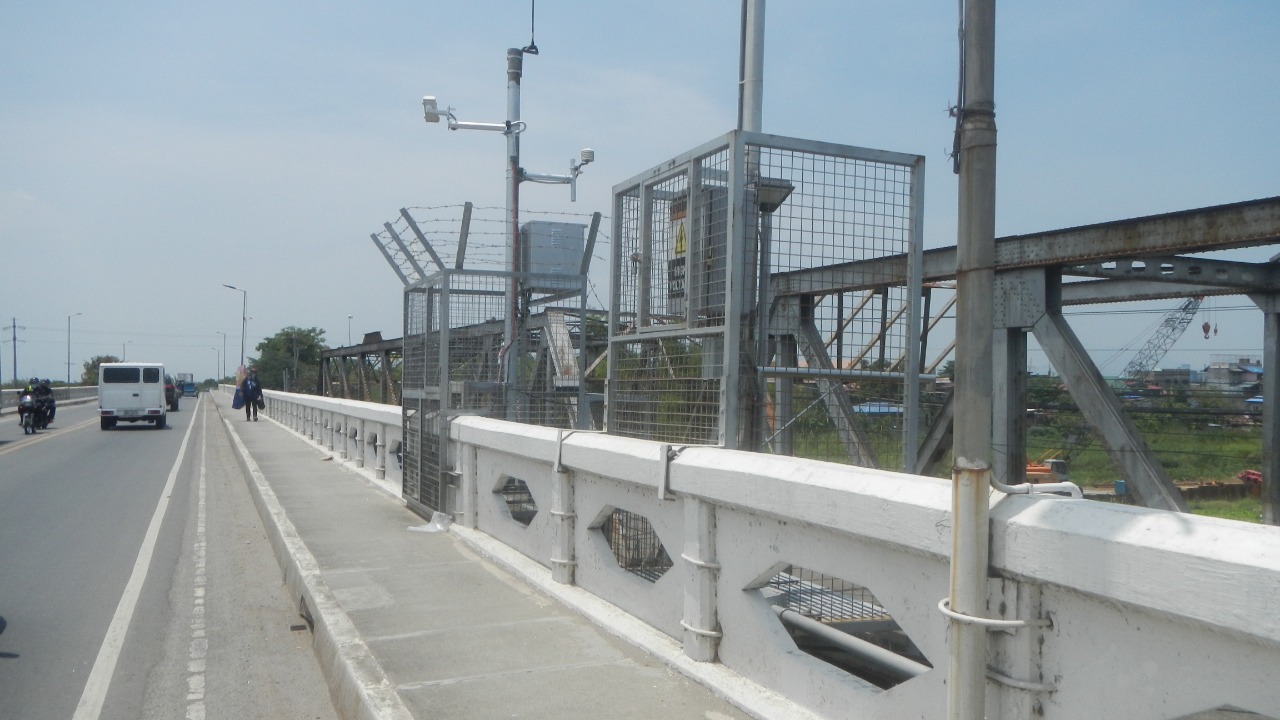
The development of sophisticated flood-forecasting systems has been made possible by several technological advancements. One notable breakthrough is the use of real-time satellite imagery, which provides up-to-date information on weather patterns and potential flood zones. This data, combined with historical records and machine learning algorithms, allows for highly accurate flood predictions. Additionally, advances in computational power have enabled AI systems to process large datasets quickly, making real-time forecasting a reality.
However, the implementation of AI-driven flood-forecasting systems is not without its challenges. One major hurdle is the collection and processing of data. While AI can analyze large datasets efficiently, the quality and availability of data can vary significantly across different regions. In some areas, there may be limited access to accurate weather data, hindering the effectiveness of AI predictions. Furthermore, deploying AI systems on a global scale presents logistical challenges, such as ensuring reliable internet connectivity and maintaining the necessary hardware infrastructure.
Ethical considerations also play a crucial role in the deployment of AI systems. Ensuring that AI-driven forecasts are equitable and accessible to all communities, regardless of socioeconomic status, is vital. This requires careful planning and collaboration with local stakeholders to avoid exacerbating existing inequalities. Addressing these challenges is essential for maximizing the benefits of AI in flood forecasting and ensuring its long-term success.
Benefits of AI Flood Forecasting

One of the most significant benefits of AI flood forecasting is its ability to provide early warning systems. These systems deliver timely alerts to communities, allowing them to prepare and respond effectively to imminent floods. By providing advance warning, AI-driven systems enable individuals and authorities to take precautionary measures, such as evacuating vulnerable areas and securing valuable assets. This proactive approach can significantly reduce the human and financial toll of flooding events.
Accurate flood forecasts also play a crucial role in minimizing the economic impact of floods. By predicting the severity and timing of floods, businesses and governments can implement strategies to protect infrastructure and reduce disruption to economic activities. For instance, insurance companies can use AI forecasts to assess risk more accurately, leading to more equitable premium pricing and reduced financial losses for policyholders.
Beyond immediate benefits, AI flood forecasting contributes to enhancing climate resilience. As the frequency and intensity of extreme weather events increase due to climate change, building resilient infrastructure becomes essential. AI-driven systems provide valuable insights into potential future scenarios, enabling policymakers to design and implement strategies that adapt to changing environmental conditions. By incorporating AI forecasts into urban planning and infrastructure development, communities can build resilience against the long-term impacts of climate change.
Future Prospects and Innovations

The field of AI flood forecasting is poised for continuous improvement and innovation. Ongoing research and development efforts aim to enhance the accuracy and reliability of AI predictions. Advances in machine learning algorithms and data processing techniques will further refine flood forecasts, providing even greater precision and detail. Additionally, expanding the range of data sources, such as incorporating social media and crowd-sourced information, can enrich the datasets used by AI systems, leading to more comprehensive predictions.
Beyond flood forecasting, the potential applications of AI-driven systems extend to other types of natural disasters. Researchers are exploring the use of AI for predicting events such as hurricanes, earthquakes, and wildfires. By leveraging the same technologies and methodologies, AI could revolutionize disaster preparedness and response across a wide range of scenarios. This versatility highlights the transformative potential of AI in building a more resilient global ecosystem.
The long-term vision for AI in disaster forecasting is to create a sustainable and resilient planet. By harnessing the power of AI, we can develop systems that not only predict natural disasters but also support sustainable development and environmental conservation. Google’s commitment to using AI for climate resilience reflects this vision, offering hope for a future where technology and nature coexist harmoniously.
