As advancements in artificial intelligence (AI) and robotics continue to shape the medical technology landscape, the creation of AI-powered exoskeletons has emerged as a major breakthrough. These devices are not just transforming the lives of amputees but are also enabling them to indulge in activities, like running a marathon, that were once considered unthinkable.
Understanding AI-Powered Exoskeletons
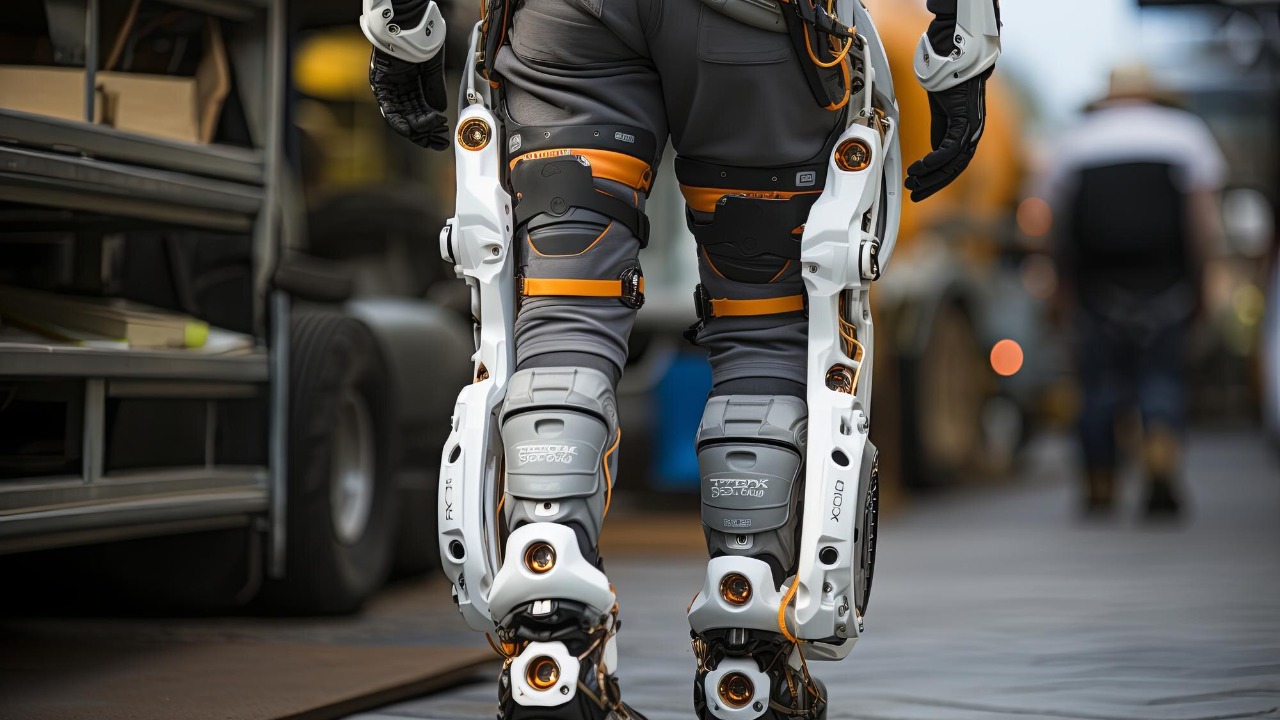
An exoskeleton is a wearable device that works in tandem with the user’s limbs, enhancing their physical abilities. When integrated with artificial intelligence, these devices become capable of interpreting the user’s intentions, thereby making movements smoother and more natural. AI-powered prosthetic knee is a perfect example of such technology.
The science behind these devices involves complex algorithms that analyze the user’s muscle signals. These signals are then used to predict and execute the desired movement. The integration of AI has significantly improved the mobility of amputees, allowing them to perform activities that require agility and precision.
Adopting AI Exoskeletons in Sports
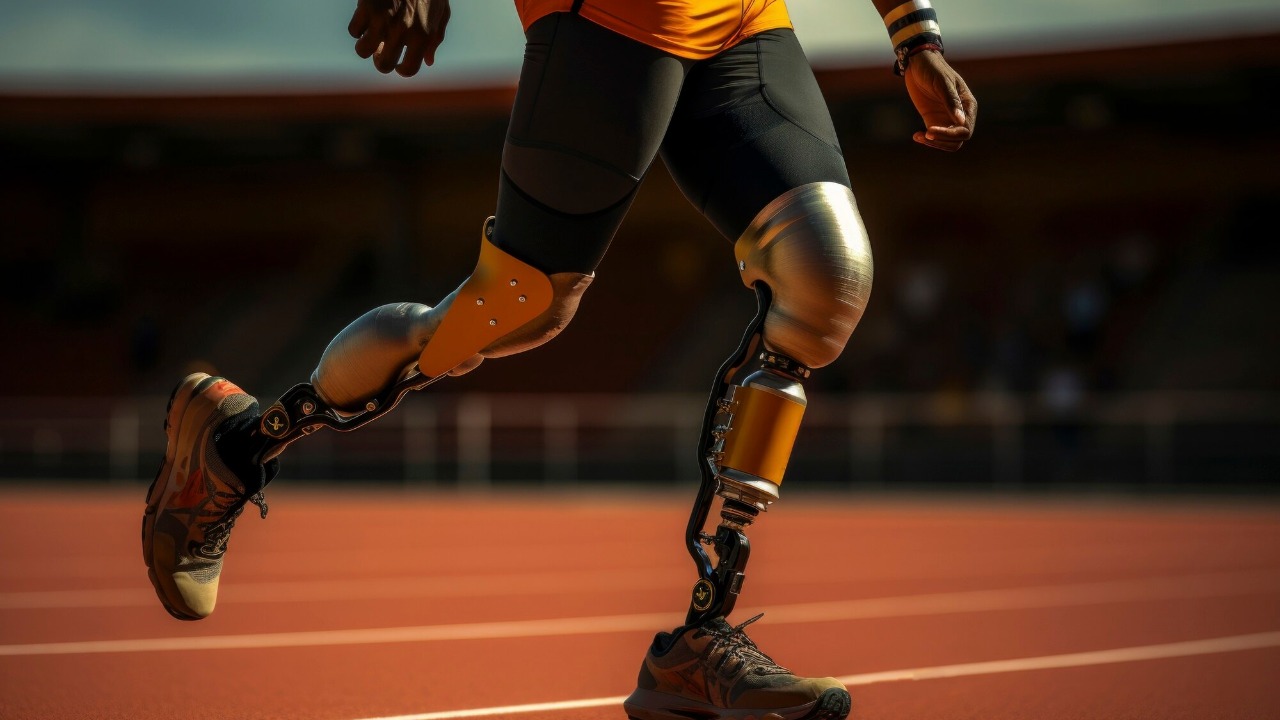
The use of exoskeletons has seen a significant surge in the world of sports and athletics. AI-powered exoskeletons have been adopted by amputees to participate in competitive sports, including marathon running. These devices have not just helped them compete but have also empowered them to set new records.
For instance, a paralyzed marathoner was able to break the world record for finishing a race in an exoskeleton suit. The Charleston marathon was a testament to the potential of AI exoskeletons in sports. The future of these devices in paralympic sports looks promising, with research ongoing to further enhance their capabilities.
Personal Stories: Marathon Running with an AI Exoskeleton
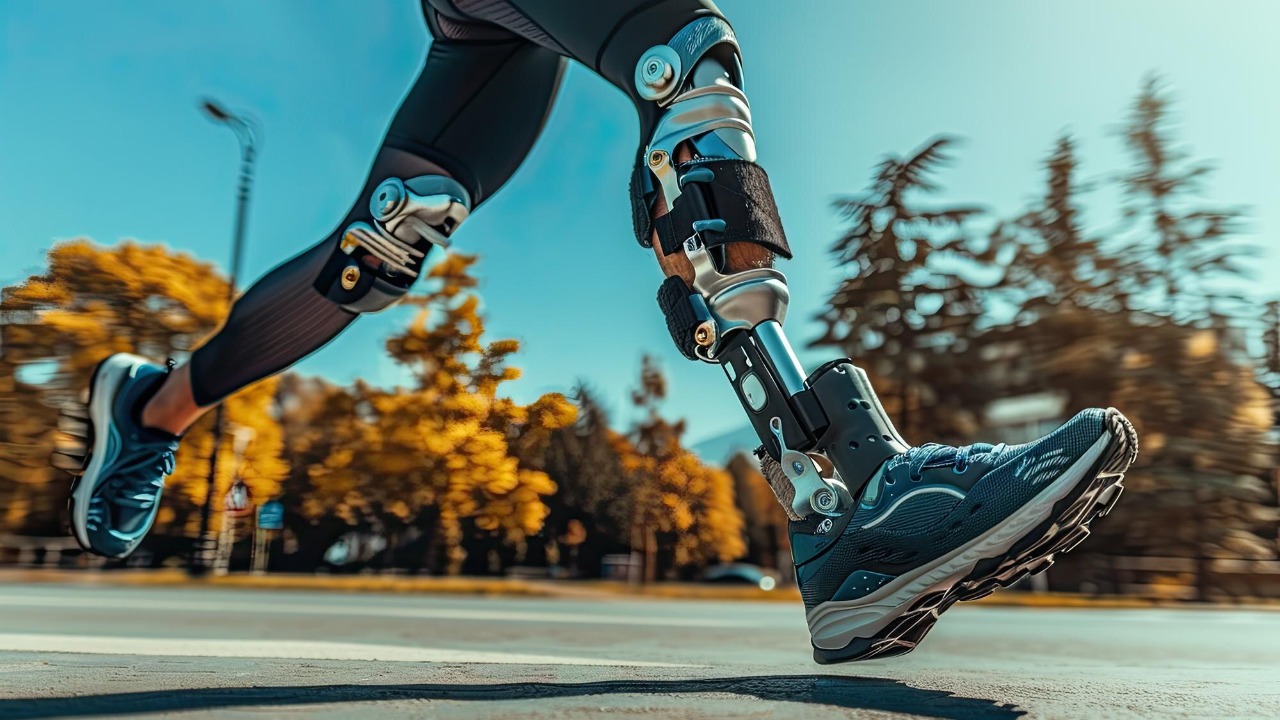
One of the most inspiring stories in the world of marathon running involves an individual who, despite being paralyzed, was able to complete a marathon using an AI exoskeleton. The individual was not just able to finish the race, but also managed to set a new world record. This accomplishment did not just serve as a personal victory, but also inspired many others facing similar challenges.
There are countless other amputees who have used AI exoskeletons to run marathons. These stories not only highlight the technological advancements in the field but also underscore the psychological impact and sense of achievement for the individuals involved. The possibility of engaging in activities that were once considered impossible becomes a source of immense joy and satisfaction.
Challenges and Limitations of AI Exoskeletons

Despite the remarkable advancements, AI-powered exoskeletons are not without limitations. One of the primary challenges involves the device’s ability to adapt to different terrains and weather conditions. This becomes particularly problematic for marathon runners who often have to navigate uneven surfaces and unpredictable weather.
The high cost of these devices also poses a significant challenge, limiting their accessibility for many amputees. However, with ongoing research and development in the field, experts are optimistic that these challenges will be addressed in the near future. A comprehensive overview of the challenges and potential improvements can be found in this study.
The Future of AI Exoskeletons in Rehabilitation and Mobility

The potential of AI exoskeletons extends beyond sports. These devices play a crucial role in rehabilitation and physical therapy. By mimicking natural human movements, they help amputees regain their mobility, thereby improving their quality of life. Future advancements in this technology can potentially make these devices more accessible and efficient.
Moreover, the progression of AI exoskeletons holds a broader societal impact. These devices not only aid in mobility but also empower amputees to lead a fulfilling life, pursue their interests, and participate actively in society. The future prospects of AI exoskeleton technology look promising, opening up new possibilities for amputees worldwide.
