
The rise of modern technology has opened up new avenues for addressing pressing global issues such as deforestation and climate change. Leading the charge in this green revolution are Artificial Intelligence (AI) drones, which have taken the field of forestry and environmental conservation by storm by planting an astounding one million trees each month.
The Problem of Deforestation and The Need for Reforestation
The world is currently facing a serious deforestation crisis. Large swathes of forests are disappearing at an alarming rate, leading to a significant increase in greenhouse gases in the atmosphere and exacerbating climate change. The need for reforestation is more crucial than ever, but traditional tree-planting methods are labor-intensive, slow, and often unable to keep pace with the rate of deforestation.
Reforestation is essential not only for mitigating climate change but also for preserving biodiversity and maintaining the health of our ecosystems. However, the challenges associated with traditional reforestation methods, including the physical strain on workers and the difficulty of accessing remote or rugged areas, pose significant hurdles.
How AI Drones are Revolutionizing Reforestation
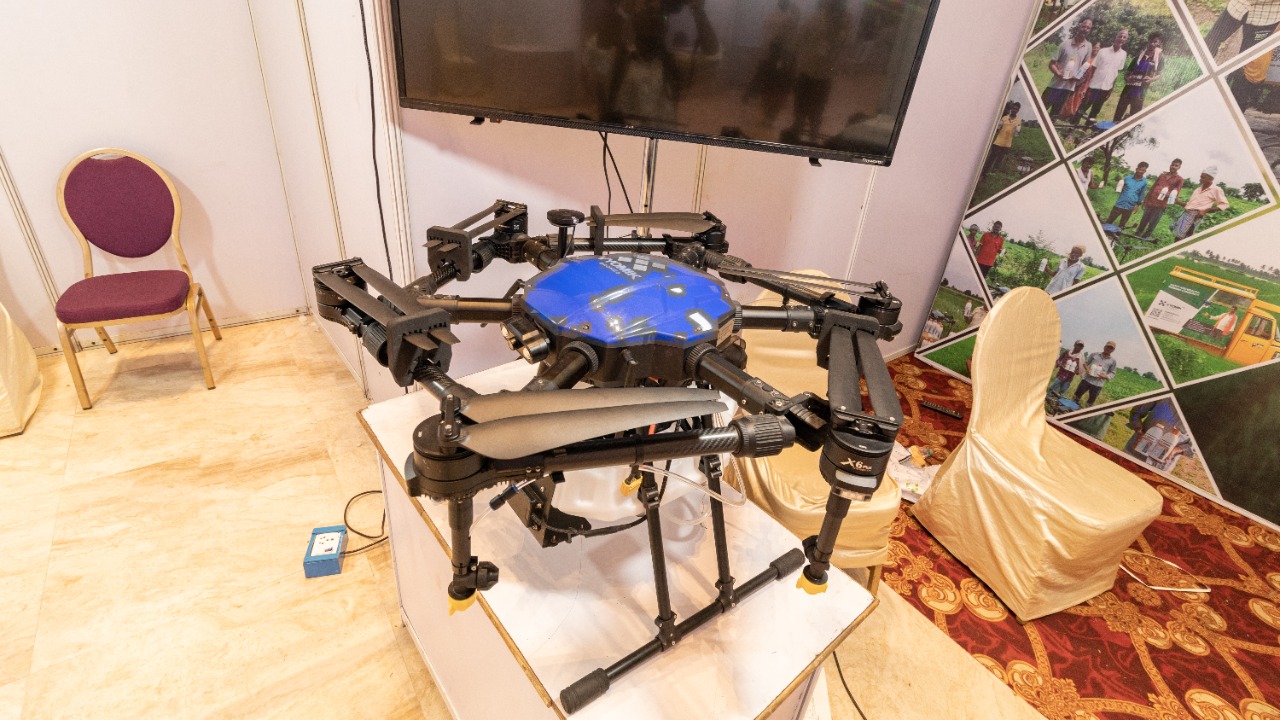
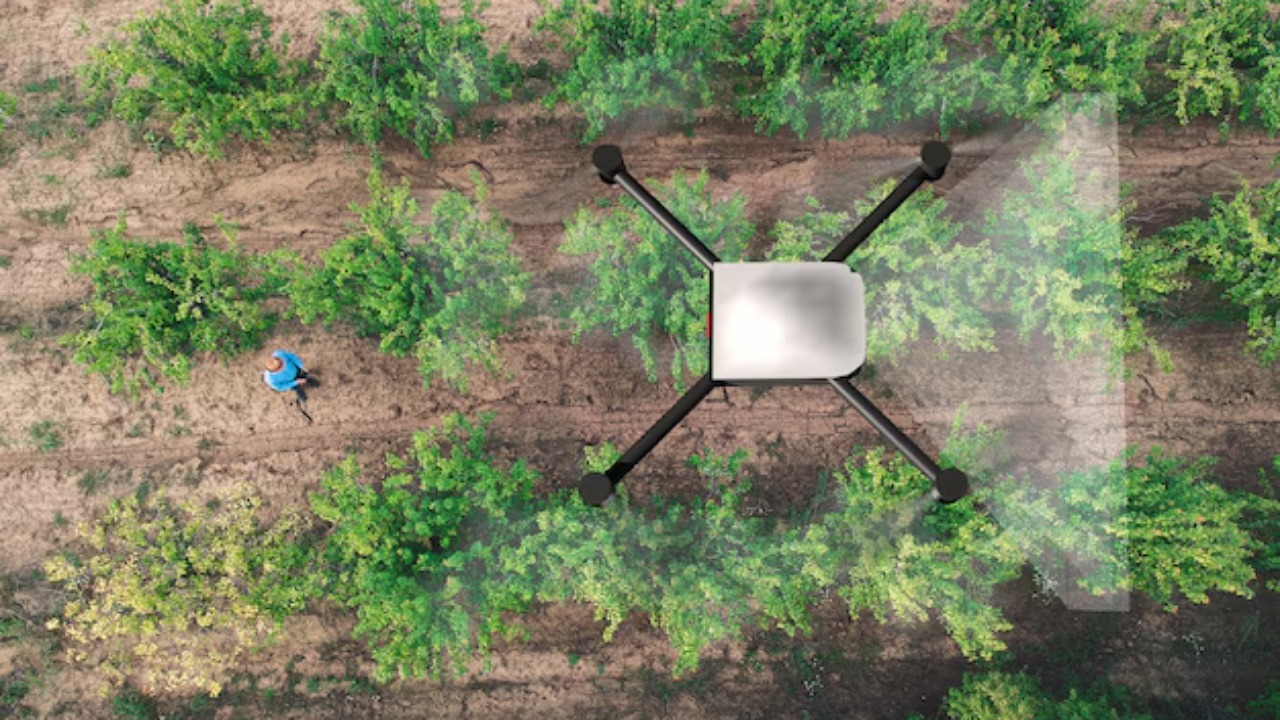
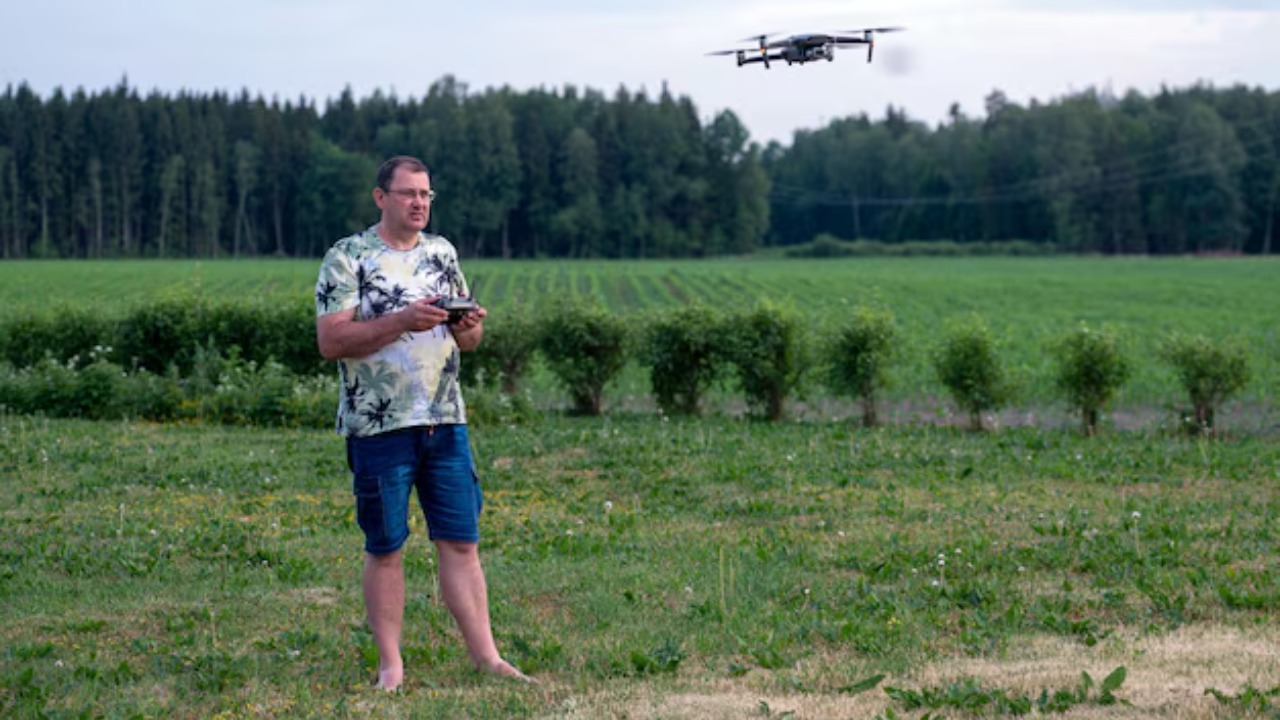
Enter AI drones: a game-changing solution powered by cutting-edge technology. These drones are designed to carry and drop seed pods into the soil at a pre-determined depth and spacing. They operate autonomously, using onboard cameras and AI algorithms to identify suitable planting sites, thus enabling them to plant trees at a rate far exceeding that of human planters.
Several companies and initiatives are harnessing this technology to accelerate reforestation efforts. For instance, an Australian start-up is deploying an army of drones to combat deforestation. Similarly, a project highlighted in a Reddit thread has set a goal of planting 40,000 trees in a month using drone technology.
Benefits of Using AI Drones for Tree Planting
One of the key advantages of using AI drones for tree planting is their efficiency. These drones can work day and night, regardless of weather conditions, and can plant thousands of trees in a day. This level of productivity is orders of magnitude higher than what humans can achieve. Furthermore, AI drones are cost-effective, requiring less manpower and resources than traditional tree-planting methods.
Another significant benefit is that AI drones can reach areas that are inaccessible or hazardous for humans. They can fly over steep slopes, dense undergrowth, and other difficult terrains, planting trees in these areas with pinpoint accuracy. This capability could potentially expedite reforestation efforts and help mitigate climate change on a much larger scale than previously possible.
Challenges and Future Prospects of AI Drone Tree Planting
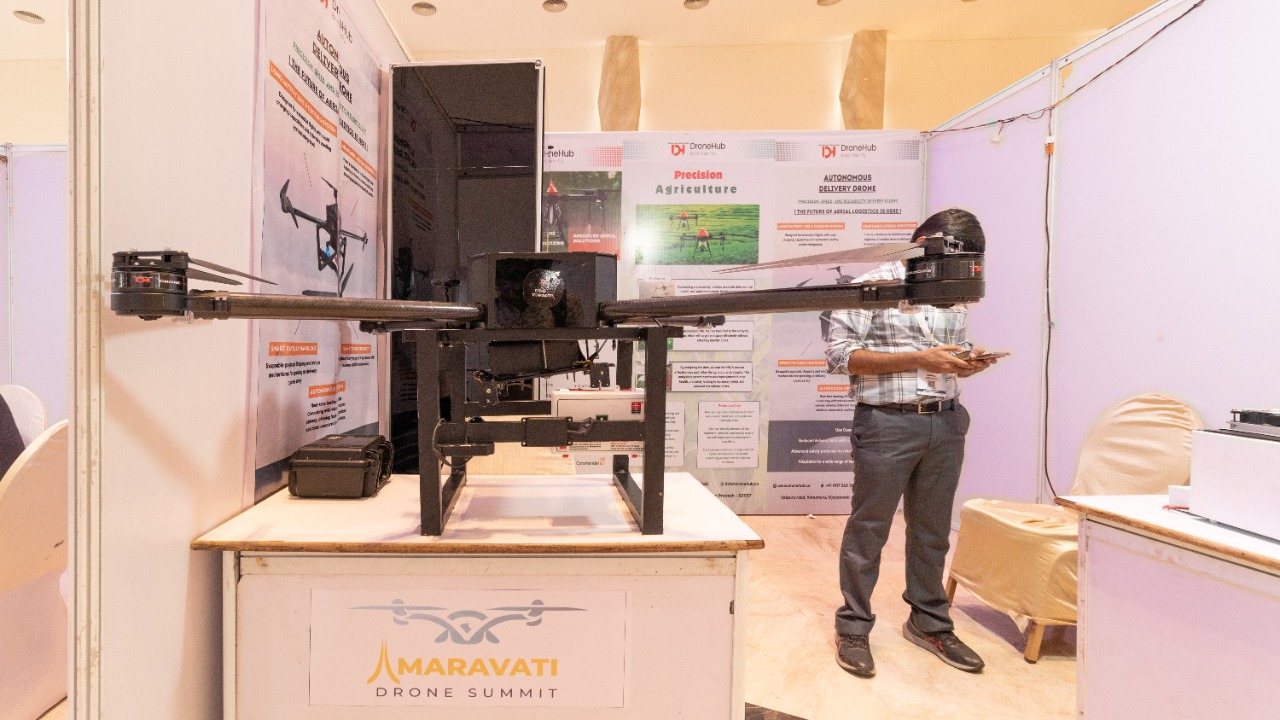
Despite the promising prospects, AI drone tree planting is not without its challenges. Technological issues, regulatory hurdles, and ecological considerations all need to be addressed. For example, the drones’ ability to identify suitable planting sites is not foolproof, and there can be concerns about the genetic diversity of the planted trees.
However, the field is rapidly evolving, with continuous advancements in drone technology and AI algorithms. Future developments could potentially enhance the efficiency and effectiveness of drone-based reforestation. For instance, drones could be equipped with more advanced sensors for more accurate site identification, or they could be designed to plant a wider variety of tree species.
Case Studies of Successful AI Drone Tree Planting Initiatives

A prime example of a successful AI drone tree planting initiative is an Australian start-up that has deployed a fleet of drones to combat deforestation. The drones are capable of planting up to 100,000 trees per day, a feat that would be impossible to achieve with traditional methods. This initiative serves as a powerful demonstration of the potential of AI drones in reforestation.
Another notable example emerged from a Reddit discussion, where it was reported that drones will plant 40,000 trees in a month. This is another testament to the efficiency and effectiveness of drone-based reforestation efforts.
A scientific investigation further supports the viability of using drones for reforestation, highlighting the drones’ capability to plant trees quickly, accurately, and cost-effectively. The study also underlines the potential of this technology to significantly accelerate global reforestation efforts.
In conclusion, AI drone technology is providing a powerful new tool in the fight against deforestation and climate change. While challenges remain, the potential benefits of this technology are immense. With ongoing advancements and increased acceptance, AI drones could play a pivotal role in shaping the future of reforestation and environmental conservation.
