The AI industry is witnessing a transformative trend: the use of distillation to make AI models smaller and cheaper. This shift, spearheaded by companies like DeepSeek and OpenAI, is reshaping the AI models market and redefining the application of AI technologies.
Understanding Distillation in AI

Distillation, as applied in AI, is a process that simplifies complex models into smaller, more manageable ones without significant loss of performance. This technique, as explained by Wired, allows for the creation of AI models that are not only more efficient but also more accessible.
The benefits of distillation are manifold, but the most notable are the reduction in size and cost of AI models. According to the Financial Times, distillation can significantly reduce the computational resources required to run AI models, making them more affordable and accessible to a wider range of users and applications.
Distillation in AI is not just about size and cost reduction. As Wired points out, it also has implications for the speed and efficiency of AI models. By simplifying complex models, distillation allows for faster processing times, which is crucial in applications where real-time decision making is required. This makes distillation an attractive option for industries such as autonomous driving and healthcare, where speed and accuracy are paramount.
Moreover, the Financial Times highlights that distillation can also improve the interpretability of AI models. By reducing the complexity of these models, distillation can make it easier for users to understand how the AI is making its decisions. This increased transparency can help build trust in AI systems, a critical factor in their wider adoption.
Leading Companies and Their Innovations
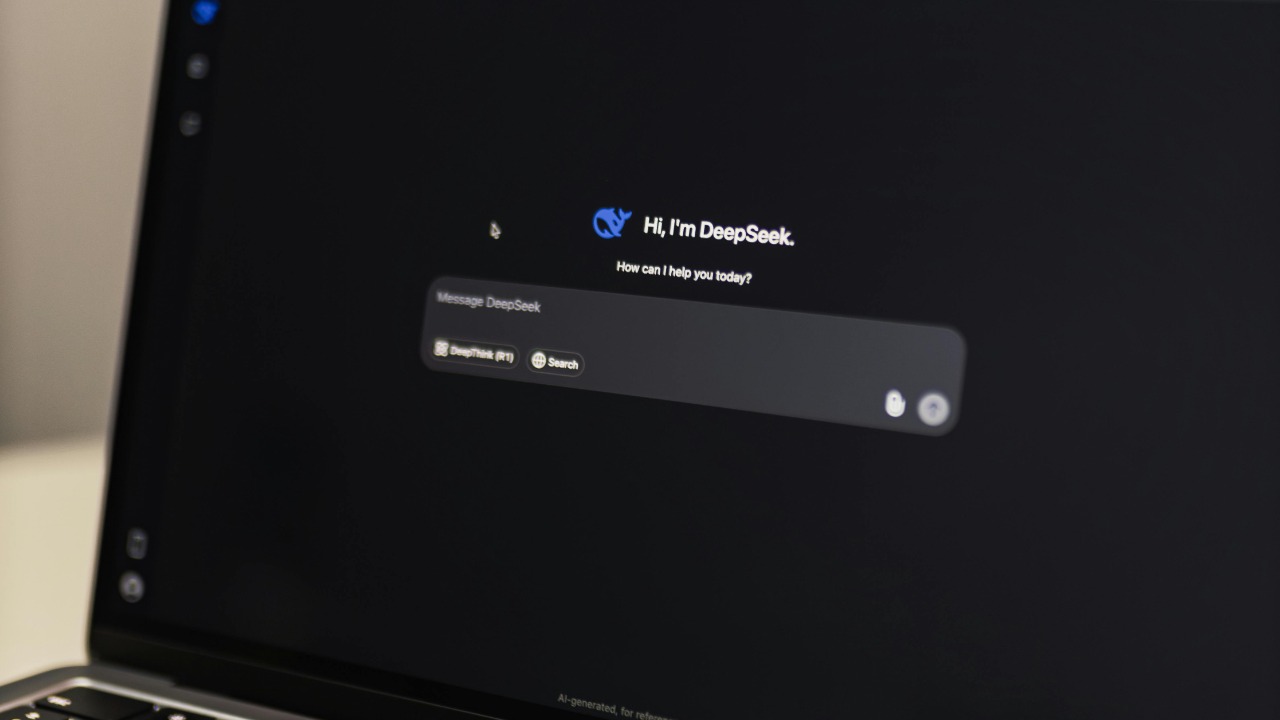
Among the companies leading the charge in AI model distillation is DeepSeek, with its innovative R1 model. As reported by Medium, the R1 model exemplifies the potential of distillation, offering high performance in a smaller, more cost-effective package.
OpenAI, another major player in the AI industry, is also making significant strides in the use of distillation. According to VentureBeat, OpenAI’s deep research into distillation is not only advancing the technology but also redefining its potential applications.
DeepSeek’s R1 model, as Medium reports, is not just a testament to the power of distillation, but also an example of how this technique can drive innovation in AI. The R1 model’s compact size and high performance have opened up new possibilities for AI applications, particularly in areas where computational resources are limited. This has set a new benchmark for other companies in the AI industry, pushing them to innovate and develop their own distilled models.
OpenAI’s work in distillation, as VentureBeat notes, is also noteworthy. The company’s deep research has led to breakthroughs in distillation techniques, enabling the creation of even smaller and more efficient models. This has not only advanced the state of the art in AI but also expanded the potential applications of distilled models, from consumer electronics to large-scale data analysis.
Impact on the AI Models Market

The rise of distillation is having a profound impact on the AI models market. As the Financial Times notes, the shift towards cheaper, more efficient models is transforming the market dynamics, making AI technologies more accessible to a broader range of users and industries.
Furthermore, the race among AI companies to leverage distillation for their models is intensifying. Business Insider reports that companies are increasingly “copying each other’s homework” in a bid to produce cheaper models, indicating a highly competitive market environment.
The Financial Times suggests that the rise of distillation is not just changing the dynamics of the AI models market, but also the broader tech industry. As AI models become cheaper and more efficient, they are becoming an increasingly integral part of various tech products and services. This is leading to a shift in the tech industry, with companies now having to consider AI capabilities as a key factor in their product development and competitive strategies.
Business Insider also highlights that the competitive environment in the AI models market is leading to a rapid pace of innovation. As companies race to leverage distillation, they are constantly pushing the boundaries of what is possible with AI models. This is leading to a rapid evolution of the market, with new models and applications emerging at an unprecedented rate.
Future Implications and Considerations

The rise of distillation in AI models has significant implications for the future of the industry. As Medium predicts, the trend towards smaller, cheaper models could lead to a democratization of AI technologies, opening up new possibilities for their application.
However, the widespread use of distillation also raises potential challenges and ethical concerns. As noted by VentureBeat, the simplification of AI models through distillation could potentially lead to misuse or misinterpretation of AI technologies, necessitating careful consideration and regulation.
Medium suggests that the democratization of AI technologies through distillation could have far-reaching implications. As AI models become more accessible, they could be used in a wider range of applications, from small-scale projects to large-scale industrial processes. This could lead to a surge in innovation and productivity, potentially transforming various sectors of the economy.
However, VentureBeat warns that the widespread use of distillation could also pose challenges. As AI models become simpler and more accessible, there is a risk that they could be misused or misunderstood. This could lead to unintended consequences, from biased decision-making to privacy violations. Therefore, as the use of distillation grows, there will be a need for robust regulatory frameworks to ensure that AI technologies are used responsibly and ethically.
