
The discovery of a new planet in our galaxy, aided by artificial intelligence, marks a significant milestone in space exploration. This breakthrough not only enhances our understanding of the cosmos but also showcases the potential of AI in uncovering celestial bodies that might have been overlooked by traditional methods.
The Role of AI in Space Exploration

AI technology is increasingly becoming a cornerstone in astronomical studies. With the advent of sophisticated machine learning algorithms and advanced data processing techniques, AI can sift through enormous amounts of data to identify patterns and anomalies that human eyes might miss. These algorithms are trained to recognize the subtle changes in light and other indicators that suggest the presence of celestial bodies, making them invaluable tools in the search for new planets.
Over the years, there have been numerous success stories of AI contributing to space discoveries. For instance, AI has played a pivotal role in the identification of exoplanets by analyzing data from telescopes more quickly and accurately than traditional methods. When compared to conventional techniques, AI-driven approaches have shown remarkable efficiency, significantly reducing the time it takes to confirm the presence of new celestial bodies while maintaining a high level of accuracy.
The Discovery of the New Planet
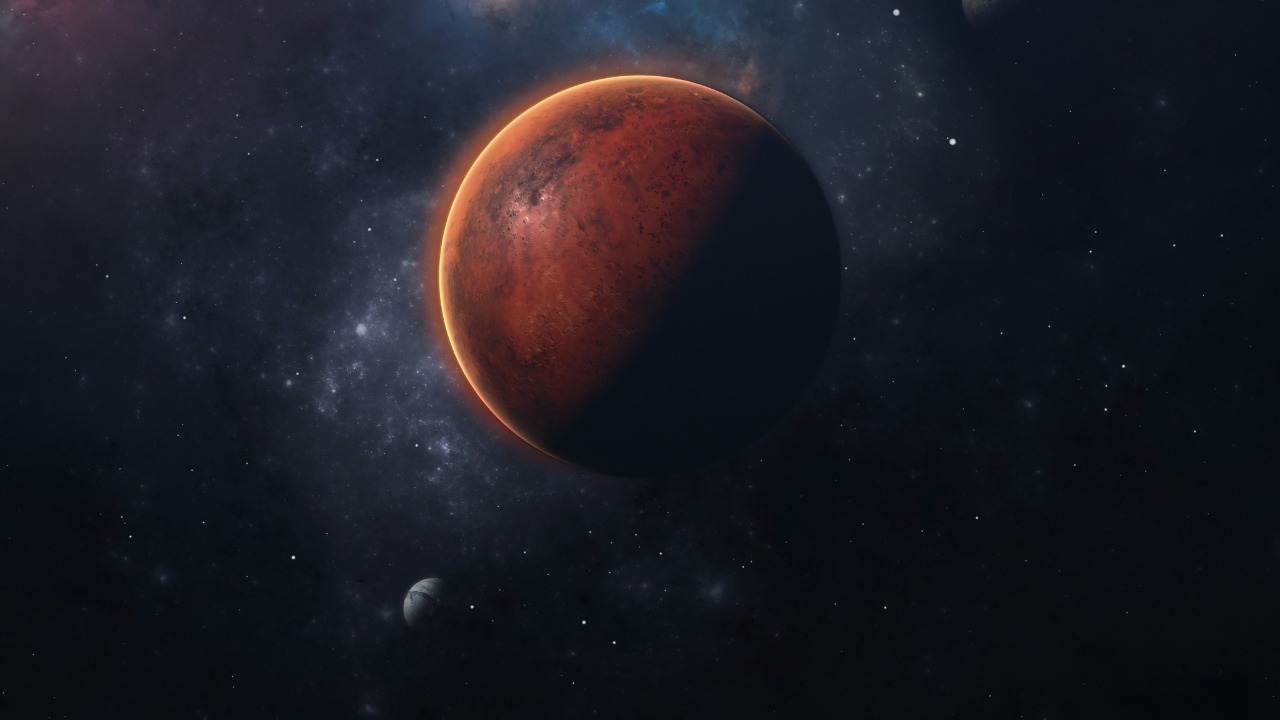
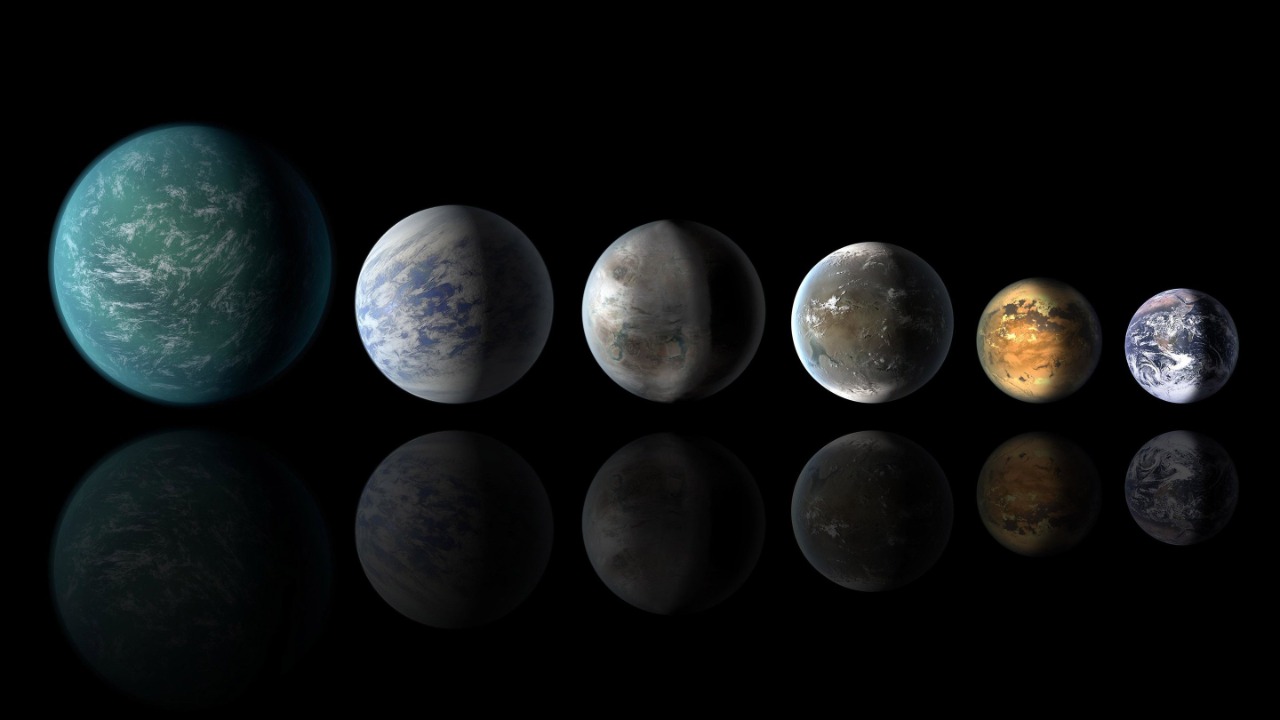
The newly discovered planet boasts several intriguing characteristics. It is located within a habitable zone, suggesting the potential for water and perhaps life. The size of this planet is comparable to Earth, sparking interest in its potential habitability. By comparing its traits with those of Earth and other known exoplanets, scientists can gain insights into the diverse conditions that exist within our galaxy.
The significance of this discovery extends beyond its immediate characteristics. It opens new avenues for future space missions and research, potentially altering the course of galactic exploration. The discovery could also have profound implications for the ongoing search for extraterrestrial life, prompting scientists to reconsider the criteria used to evaluate the habitability of other worlds.
Methods and Technologies Behind the Discovery

The discovery of this new planet was made possible through the use of cutting-edge AI tools and techniques. Specific algorithms, such as those detailed in the Planet Hunter AI model, played a crucial role in processing the data gathered from various telescopes and satellites. These AI systems were trained on vast datasets, enabling them to detect the minute fluctuations in light that often signal the presence of a planet.
This achievement is a testament to the power of collaboration between AI engineers and astronomers. By combining expertise from both fields, the discovery process was significantly enhanced. This interdisciplinary approach underscores the importance of merging AI proficiency with deep astronomical knowledge to push the boundaries of what is possible in space exploration.
Implications for Future Space Discoveries
As AI continues to evolve, it is poised to revolutionize the search for new planets. Experts predict that AI-driven discoveries will become more commonplace, not only within our galaxy but also in others. The role of AI in identifying planets that could support life is becoming increasingly important, as these technologies can analyze vast datasets to pinpoint promising candidates more efficiently than ever before.
However, the integration of AI into astronomical research presents both challenges and opportunities. While there are potential obstacles, such as ensuring the accuracy and reliability of AI models, the opportunities for technological advancements and increased funding are significant. As AI becomes more entrenched in space exploration, it promises to accelerate the pace of discovery and enhance our understanding of the universe.
Ethical and Philosophical Considerations
The impact of AI discoveries on our understanding of the universe is profound. New findings challenge existing scientific theories and beliefs, leading to philosophical discussions about our place in the cosmos. The potential discovery of habitable worlds forces us to confront questions about the uniqueness of Earth and the possibility of life elsewhere in the universe.
Furthermore, ethical considerations arise as AI becomes a more prominent tool in space research. Scientists must navigate the responsibility of using AI for exploration, ensuring that these powerful tools are used ethically and transparently. The debate over AI’s role in shaping humanity’s future in space is ongoing, with implications for both current and future generations.
The Future of AI in Astronomy

Looking ahead, there are numerous exciting AI projects and initiatives on the horizon in space exploration. Planned missions and AI-driven research studies promise to uncover further mysteries of the universe, building on the momentum generated by recent discoveries. The potential for AI to unlock new cosmic phenomena is vast, offering a glimpse into a future where technology and science are seamlessly intertwined.
In the long term, AI’s role in the scientific community is set to expand. As AI continues to transform various fields of study, its development will be crucial for achieving future astronomical breakthroughs. Nurturing AI technologies will be essential for pushing the boundaries of our knowledge and exploring the farthest reaches of the cosmos.
