
The field of artificial intelligence (AI) is now revolutionizing the medical sector, particularly in the discovery of new antibiotics. Thanks to AI, new antibiotics have been discovered in a fraction of the time traditionally required, ushering in a new era of faster, more efficient drug discovery.
The Need for New Antibiotics
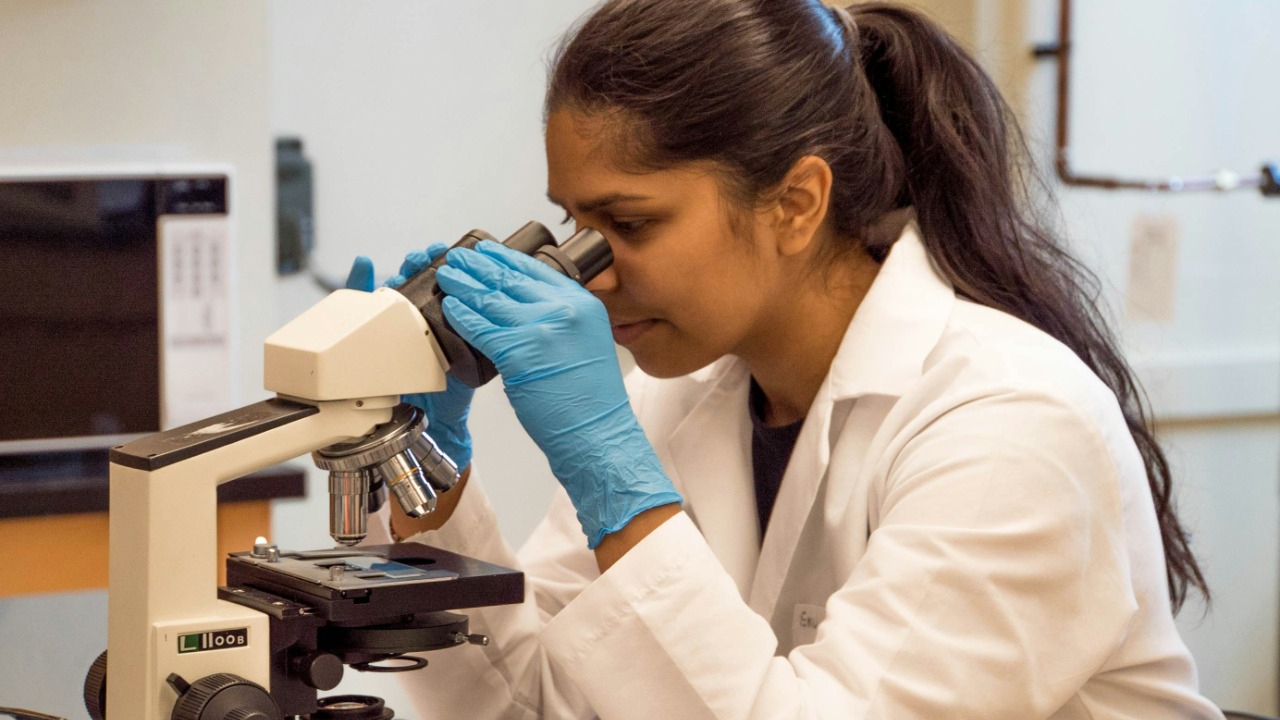
Antimicrobial resistance is a growing issue worldwide. This phenomenon, where bacteria become resistant to the drugs designed to kill them, poses a significant threat to global health, as current antibiotics become less effective. A study published in MDPI highlights the urgent need for new antibiotic discovery to combat this crisis.
Traditionally, the process of discovering new antibiotics is slow and costly. It involves labor-intensive laboratory testing and lengthy clinical trials. The high costs and low return on investment have led to a significant decline in antibiotic research and development. Thus, the emergence of AI in this field presents an exciting opportunity to accelerate the discovery process and make it more cost-effective.
The Role of AI in Drug Discovery
AI has found its way into various sectors of the medical field, one of which is drug discovery. AI, particularly machine learning and deep learning, is being used to analyze vast amounts of data, predict potential drug candidates, and accelerate the drug discovery process. A New York Academy of Sciences report emphasizes the role of AI in medical research, including drug discovery.
Machine learning, a subset of AI, uses algorithms to analyze data, learn from it, and then make predictions or decisions without being explicitly programmed. In the context of antibiotic discovery, machine learning can be used to predict the antibacterial activity of a compound. Deep learning, a more complex form of machine learning, can further enhance the accuracy of these predictions, making the drug discovery process more efficient.
Case Study: The Discovery of Halicin

The discovery of a new antibiotic, Halicin, showcases the potential of AI in this field. AI was used to analyze a database of more than 100 million chemical compounds in just a few days, a task that would have taken traditional methods years to complete. The AI was trained to recognize compounds that inhibit bacterial growth, leading to the discovery of Halicin.
Halicin, named after the AI system in the movie “2001: A Space Odyssey,” has been effective against a wide range of bacteria, including several strains that are resistant to traditional antibiotics. This DDW report details the discovery process and the potential of Halicin.
Advantages and Challenges of Using AI in Antibiotic Discovery
One of the main advantages of using AI in antibiotic discovery is the acceleration of the discovery process. AI can analyze vast amounts of data quickly and accurately, reducing the time required for discovery from years to days or even hours. This not only speeds up the process but also reduces the costs associated with traditional methods.
However, there are challenges associated with using AI in this field. One of the main challenges is the need for large, high-quality datasets to train the AI. There is also a need for continued development and improvement of AI algorithms to increase their accuracy and reliability. Furthermore, while AI can identify potential drug candidates, further laboratory testing and clinical trials are still required to confirm their efficacy and safety.
Future Prospects of AI in Antibiotic Discovery
Given the success in the discovery of Halicin, the potential of AI to revolutionize antibiotic discovery is enormous. AI can help address the growing antimicrobial resistance crisis by accelerating the discovery process and reducing costs. A blog post from the University of Pennsylvania details how AI is uncovering antibiotics in ancient microbes, providing a glimpse into the future of antibiotic discovery.
As AI technology continues to evolve, its utility in antibiotic discovery is likely to increase. Future developments, such as more advanced machine learning algorithms and more extensive databases, could further enhance the discovery process. Additionally, the integration of AI with other technologies, such as genomics and bioinformatics, could open up new avenues for antibiotic discovery.
While challenges remain, the potential benefits of AI in antibiotic discovery are too significant to ignore. As we move forward, it is likely that AI will play an increasingly important role in combating antimicrobial resistance and ensuring global health.
