
The technological landscape is on a constant journey of evolution, with Artificial Intelligence (AI) leading the way. Recent advancements in AI have reached an unprecedented success rate in detecting deepfakes, effectively disrupting the world of fake content with a striking 100% accuracy.
Understanding Deepfakes and Their Impact

In the digital age, deepfakes are becoming increasingly prevalent. These are manipulated digital content where AI is used to replace faces or voices in videos with those of other individuals, often in a highly convincing manner. The technology has matured to an extent where distinguishing between real and fake content has become considerably difficult.
Deepfakes pose significant potential risks to society. From spreading misinformation and fake news to blackmail and identity theft, the impact can be damaging on both individual and societal levels. The need for accurate detection tools has thus become increasingly critical.
The Evolution of AI in Detecting Deepfakes

The fight against deepfakes started with early AI tools, which sought to detect anomalies in videos that human eyes might miss. These tools were designed to identify subtle inconsistencies such as unnatural blinking patterns or lip movements. However, as deepfake technology evolved, these methods became less effective.
Over time, AI technology itself has seen tremendous advancements for deepfake detection. Enhanced machine learning algorithms and deep learning models have been developed to detect deepfakes with higher accuracy. These advancements now allow us to analyze subtle facial movements, changes in skin texture, and even the background noise in audio files.
The New Era: 100% Accuracy in Deepfake Detection
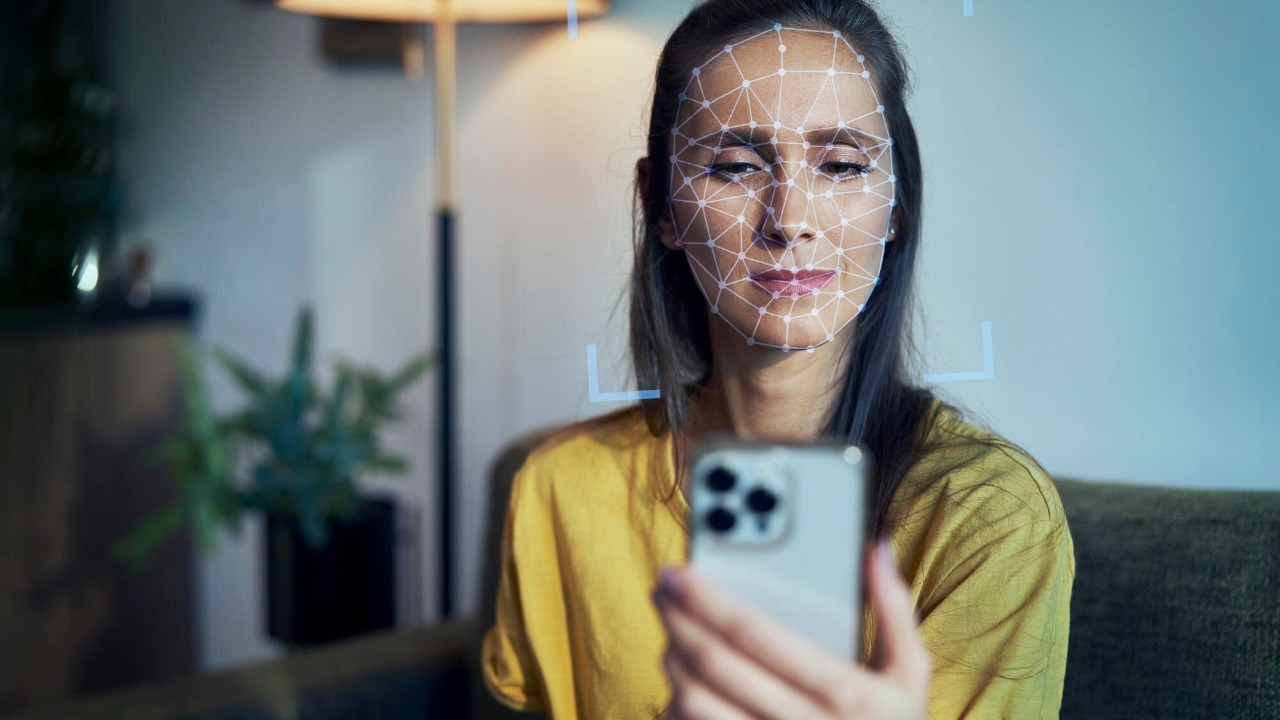
The world of AI detection was recently stunned by the introduction of a revolutionary tool by Facia. This tool, as reported by Yahoo Finance, has achieved an incredible 100% accuracy rate in detecting deepfakes, a feat previously thought impossible.
The methodology behind this success is the use of advanced deep learning algorithms that analyze even the minutest details in a video or audio file. The technology looks for inconsistencies in the background noise, facial expressions, skin texture, and more. The comprehensive nature of this analysis is what enables the tool to detect deepfakes with such high accuracy.
Comparison with Other AI Tools

When compared to other top AI deepfake detectors listed on CyberNews, Facia’s tool stands out for its remarkable accuracy. While most tools achieve a detection accuracy in the range of 90-98%, none have claimed a 100% success rate until now.
However, each AI detection tool has its own strengths and weaknesses. Some tools may perform exceptionally well in detecting video deepfakes but struggle with audio deepfakes, and vice versa. The key is to find the right balance between accuracy and versatility, and Facia’s tool seems to have struck this balance successfully.
Future Implications and Challenges

Achieving 100% accuracy in deepfake detection can have far-reaching implications. It could potentially help combat the spread of misinformation, protect individuals from identity theft, and safeguard the integrity of digital content. However, it also brings forth a new set of challenges.
As deepfake technology continues to evolve, so must the tools used to detect them. The race between deepfake creators and detectors is a continuous one, and staying ahead will require constant innovation and improvement. Furthermore, while a 100% detection rate is impressive, it’s crucial to ensure that this rate remains consistent across all types of deepfakes, regardless of their complexity.
