
The advent of artificial intelligence (AI) has revolutionized many sectors, including robotics. One of the most fascinating applications of this technology is in the design and construction of fully functional robotic hands. But how does AI make this possible? Let’s dive in and explore.
Understanding the Basics of AI in Robotics
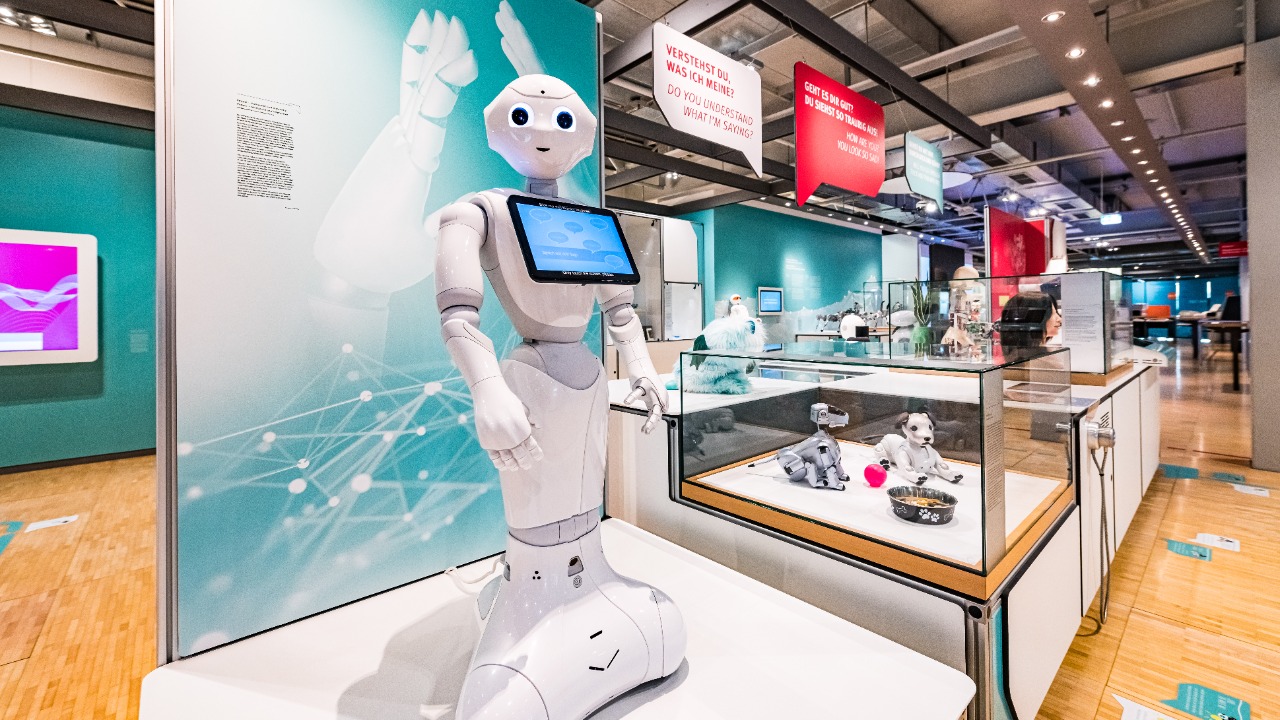
The role of AI in robotics is multifaceted, but primarily, it adds a level of autonomy to robots, enabling them to learn, adapt, and make decisions based on their environment. This is achieved through various AI techniques such as machine learning and deep learning, which allow the robots to learn from their experiences, similar to how humans do. For more in-depth information on the role of AI in robotics, you can refer to this comprehensive guide.
Robotic hands, on the other hand, are mechanical devices designed to mimic the functionality of human hands. They are typically comprised of fingers and thumbs, which can be manipulated to grasp, hold, or manipulate objects. The complexity of human hand movements, combined with the need for precision, makes the design and construction of robotic hands a challenging task, a challenge that AI has proven more than capable of handling.
The Intersection of AI and Robotic Hands
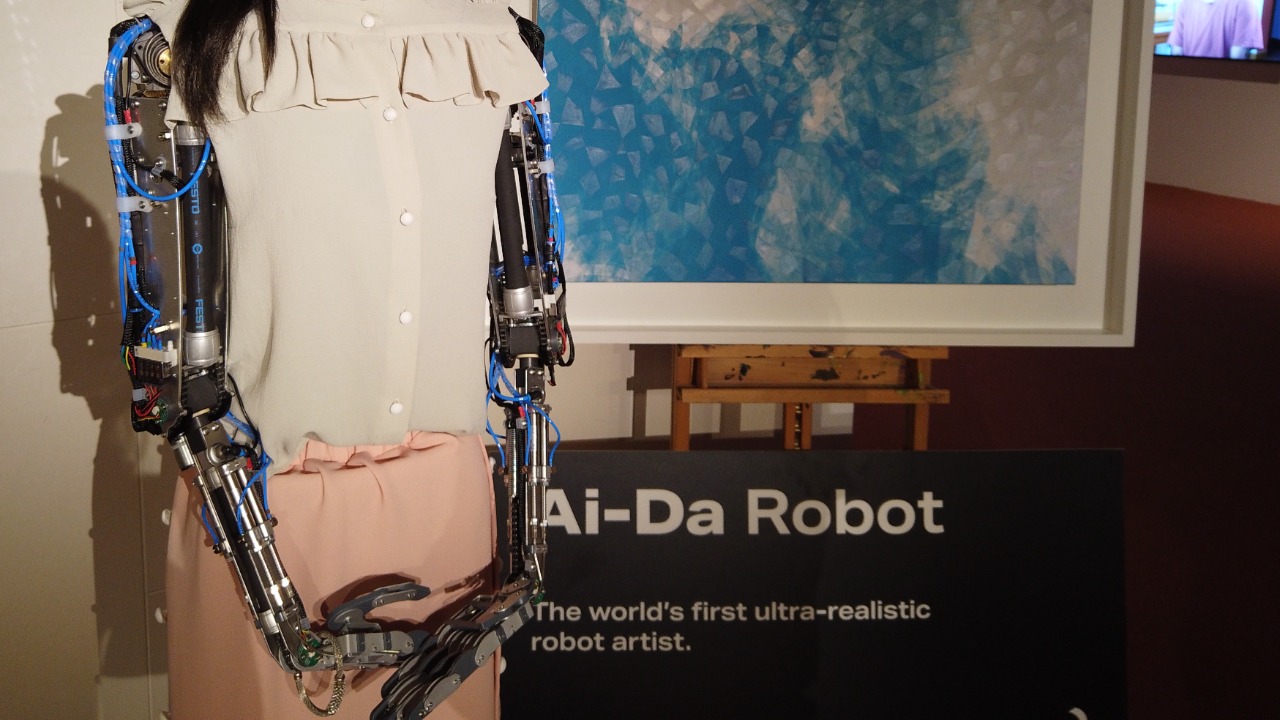
AI has played a crucial role in facilitating the construction of robotic hands. Through machine learning algorithms, AI can leverage vast amounts of data to design sophisticated models of robotic hands. These models can simulate different hand movements and grips, leading to a more accurate and functional design.
Furthermore, AI enhances the functionality and precision of robotic hands. By processing real-time data from sensors, AI can control the movements of the robotic hand with a high degree of precision, enabling it to perform tasks that require delicate handling or fine motor skills. For instance, a robotic hand controlled by AI can pick up a fragile object without breaking it, or perform a complex task like tying a knot.
Case Studies: AI-built Robotic Hands in Action
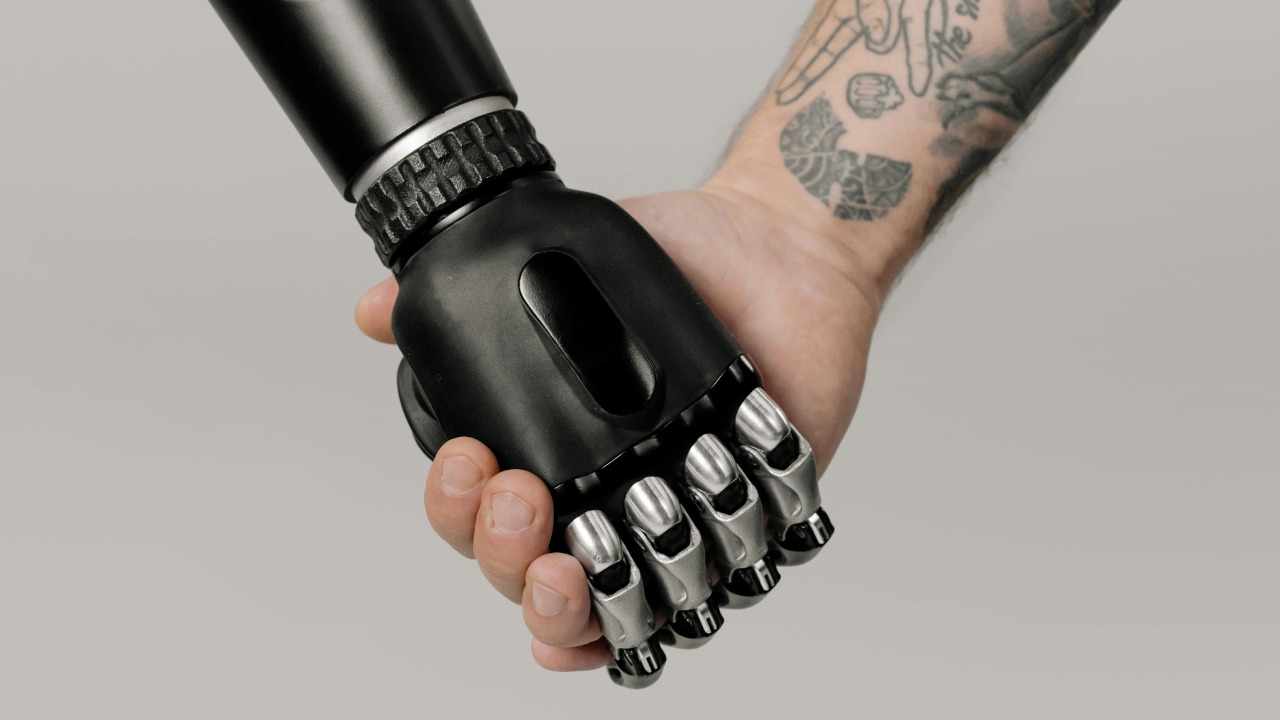
There are several impressive examples of AI-built robotic hands in action. For instance, the “Nano Hand” project is a remarkable demonstration of a robotic hand constructed using AI. The robotic hand, which is just one millimeter in size, is capable of performing tasks such as picking up and moving tiny objects with remarkable precision.
Another notable project is one where a robot gripper is able to prepare food independently. This robot uses AI to learn how to handle different food items, from slicing soft tomatoes to flipping pancakes. The success of these projects underscores the potential of AI in designing and constructing highly functional robotic hands.
Benefits and Potential Applications of AI-Built Robotic Hands
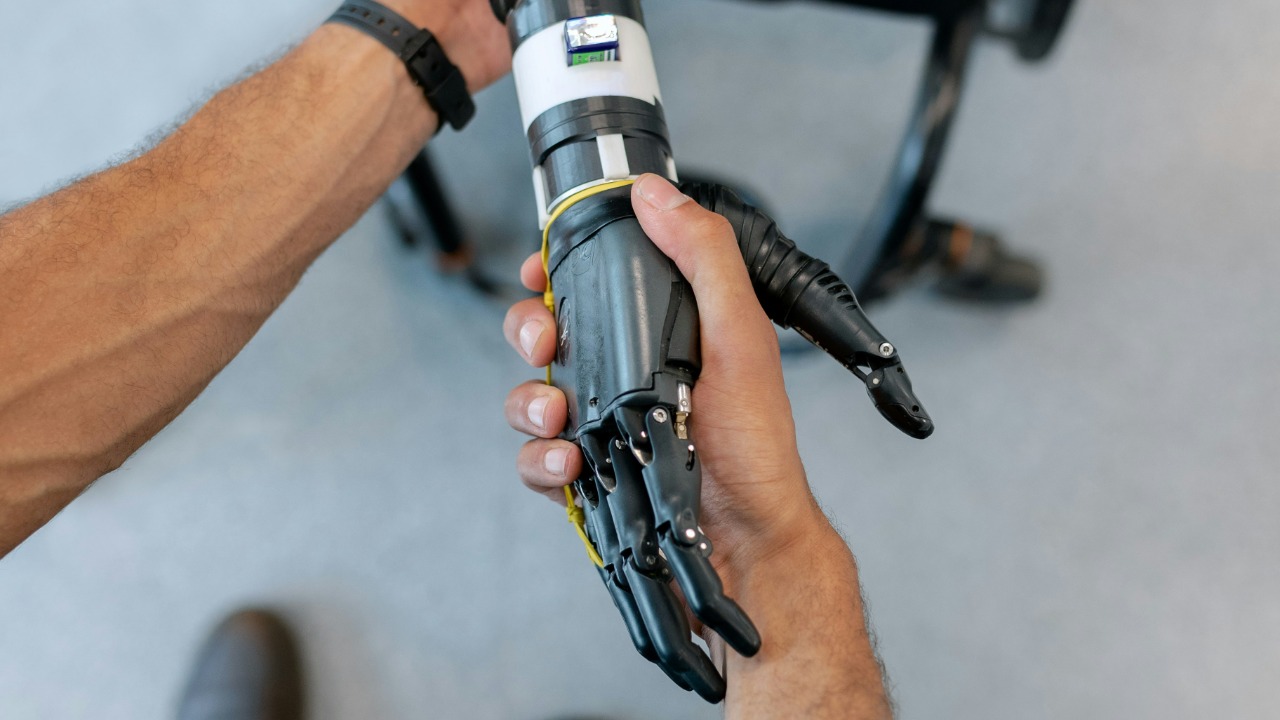
AI-built robotic hands have numerous potential applications in the real world. In the medical field, they can be used to perform delicate surgeries or handle biohazardous materials. In the manufacturing sector, robotic hands can carry out repetitive tasks with high precision, improving efficiency and reducing the risk of human error. Additionally, they could be used in space exploration, where human-like dexterity is required in harsh or dangerous environments.
The benefits of these AI-built robotic hands are immense. Besides improving efficiency in various sectors, they also reduce the risk of injury by taking over hazardous tasks. Furthermore, they can perform tasks round the clock without fatigue, further boosting productivity. The versatility of these robotic hands also allows for their use in a wide range of applications, opening up new possibilities in various fields.
Challenges and Future Prospects in AI-Built Robotic Hands
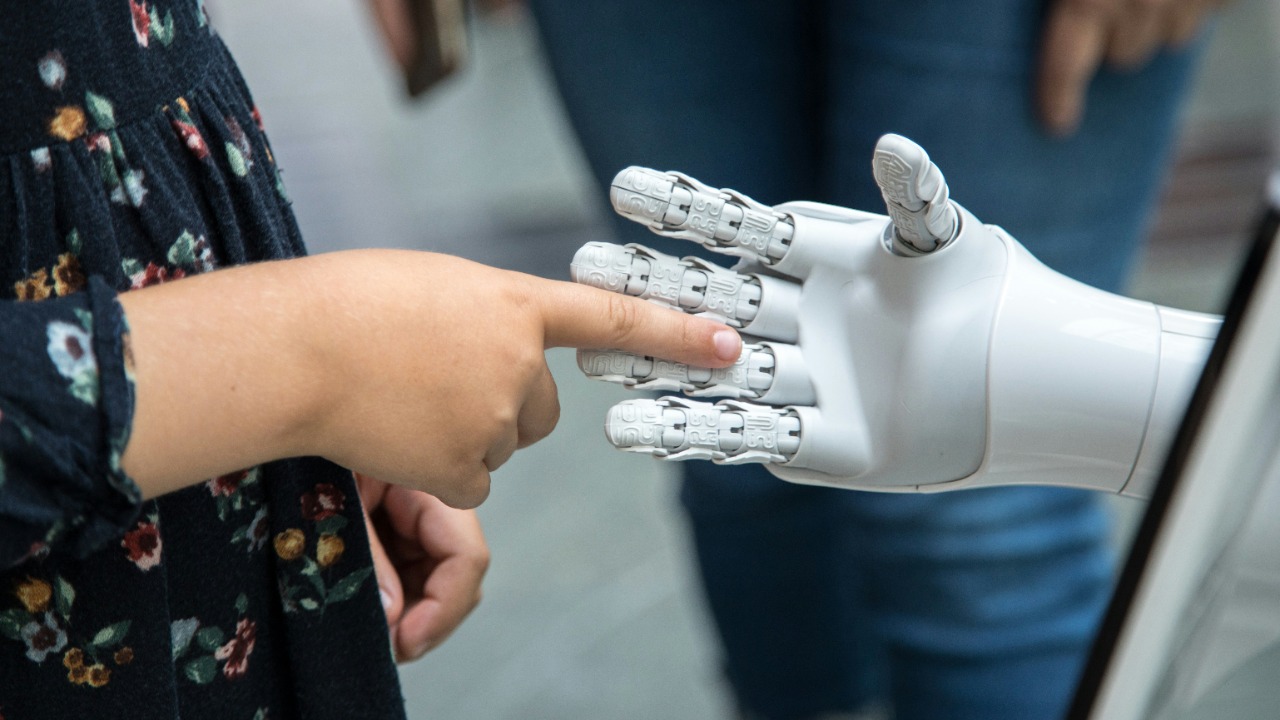
Despite the exciting advancements, there are still challenges to overcome in constructing AI-built robotic hands. One of the most significant challenges is replicating the tactile sensitivity of the human hand. While AI can design robotic hands that mimic the movements of human hands, simulating the sense of touch is more complex. Another challenge is the need for vast amounts of data to train the AI algorithms, which can be both time-consuming and expensive.
Looking ahead, the future of AI and robotics is undeniably promising. With ongoing advancements in AI technologies, we can expect to see even more sophisticated robotic hands that can perform increasingly complex tasks. As outlined in this Access Academy’s AI Summer Camp report, the focus is now shifting towards equipping these robotic hands with advanced sensory capabilities to enhance their functionality and make them more human-like. The journey is still in its early stages, but the prospects are indeed exciting.
