
Swapping faces in video calls has become a popular trend, allowing users to enjoy a unique and fun twist to their virtual interactions. By leveraging artificial intelligence (AI), several apps now offer this playful feature, often leading to hilarious and entertaining results. However, amid the fun, there are also significant privacy concerns to consider.
Understanding Face Swapping Technology
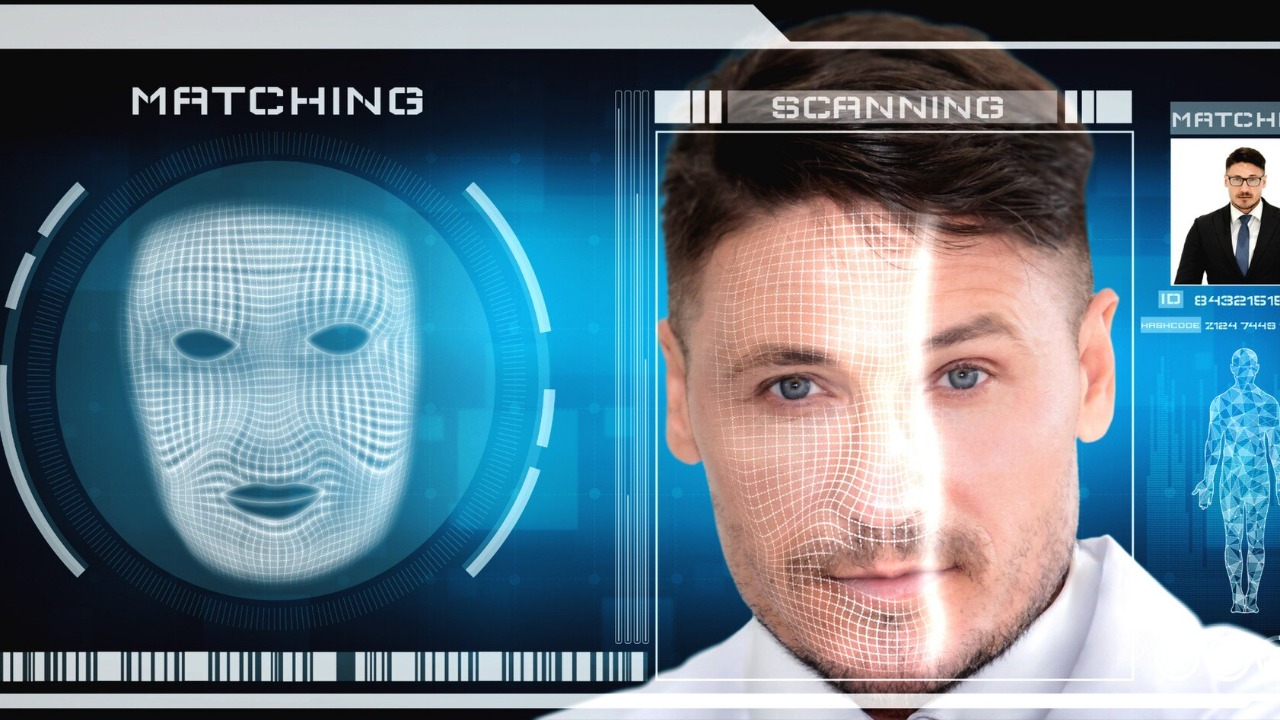
Face swapping technology is a fascinating blend of computer vision, machine learning, and graphics. It primarily involves detecting faces in a given image or video and replacing them with other faces. The technology has significantly evolved over the years, thanks to artificial intelligence. AI has made it possible to swap faces in real-time, creating a seamless and realistic experience for users.
The development of face swapping technology has been progressive and rapid. Initially, it was mainly used in the entertainment industry, particularly in movies for special effects. However, with the advent of deep learning technologies and the proliferation of AI, face swapping has become more accessible to the general public. In fact, one can now swap faces in video calls, thanks to innovative AI apps that have made this technology available at our fingertips.
Popular AI Apps for Face Swapping in Video Calls

Several AI apps have surfaced in recent years, offering face swapping features for video calls. One such app is FaceSwap Live. This app allows users to swap faces with friends or photos in real-time during video calls, leading to entertaining and often hilarious results. Other similar apps include Snapchat’s Face Swap feature and MSQRD.
These apps have various features that enhance the user experience. For instance, they offer real-time face detection and swapping, multiple face swapping, and even the ability to swap faces with celebrities or cartoon characters. They also provide a user-friendly interface and easy-to-use tools for the best possible experience. The result is an engaging and fun video call, far removed from the conventional.
How to Use AI Apps for Face Swapping

Using AI apps for face swapping is straightforward. After installing the app, users need to give the necessary permissions, select the face swap feature, and choose the face they want to swap with. During the video call, the app will detect the user’s face and replace it with the chosen face in real-time. Some apps also offer additional features, like adding filters or animated effects.
However, it’s essential to note that while these apps can be fun, they may also present certain challenges. For instance, the face swapping may not always be perfect, especially in poor lighting conditions or if the user moves too quickly. To overcome these potential issues, users should ensure they are in a well-lit environment and try to move slowly and steadily during the call.
The Fun and Entertainment Aspect

Face swapping apps have added a whole new level of fun and entertainment to video calls. They have been used in numerous fun and creative ways, from pranking friends to making work meetings more enjoyable. For instance, a team could have a theme-based meeting where everyone swaps faces with their favorite superhero character. This not only lightens the mood but also encourages participation and engagement.
These apps have the potential to transform social interactions and virtual meetings by introducing a fun and creative element. With the ongoing pandemic and the subsequent rise in virtual meetings, face swapping apps have served as a source of entertainment and relief, helping to break the monotony of routine video calls.
Privacy Concerns and Ethical Implications

While face swapping apps offer a fun way to spice up video calls, they also raise several privacy concerns. These apps often require access to the camera and photo library, essentially collecting and storing facial data. This raises concerns about how this data is stored, used, and potentially shared.
There are also ethical implications to consider. For instance, the ‘Studio Ghibli AI art trend’, as reported by Business Standard, sparked privacy concerns as it involved using AI to recreate Studio Ghibli’s unique art style. However, the app used to achieve this was found to be collecting user data without explicit consent. This highlights the need for users to be aware of the privacy policies of these apps and to use them responsibly.
Future of Face Swapping Apps
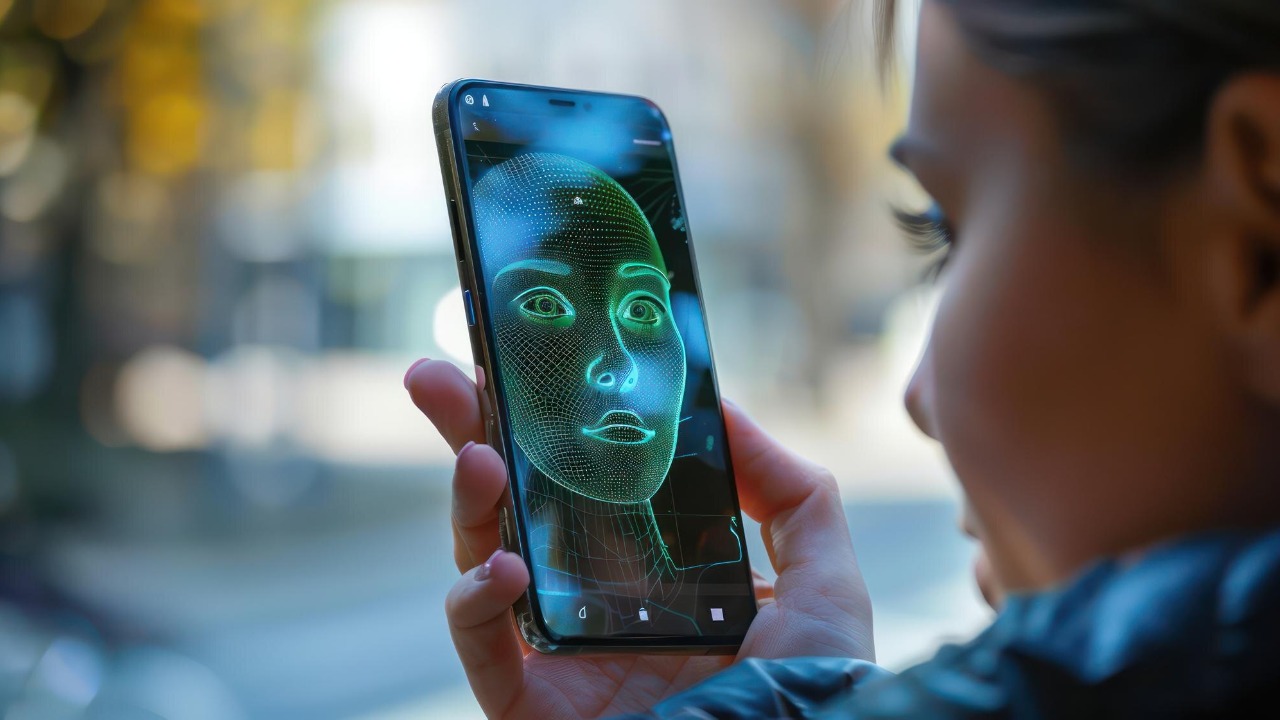
The future of face swapping technology is promising, with several possibilities on the horizon. As AI continues to advance, we can expect to see more realistic and seamless face swapping. However, with the growing privacy concerns, developers will need to focus on ensuring that their apps are secure and respect user privacy.
Face swapping technology has potential applications beyond video calls. For instance, it could be used in the film industry for special effects, in gaming for creating personalized avatars, or in virtual reality for a more immersive experience. As this technology continues to evolve, it will be interesting to see how it shapes our digital interactions in the future.
