
Artificial intelligence (AI) has become a pervasive force, shaping various aspects of our existence, not least of which is communication. Let’s delve into how AI apps can subtly tweak your messages, enhancing both their quality and impact.
Understanding the Role of AI in Communication
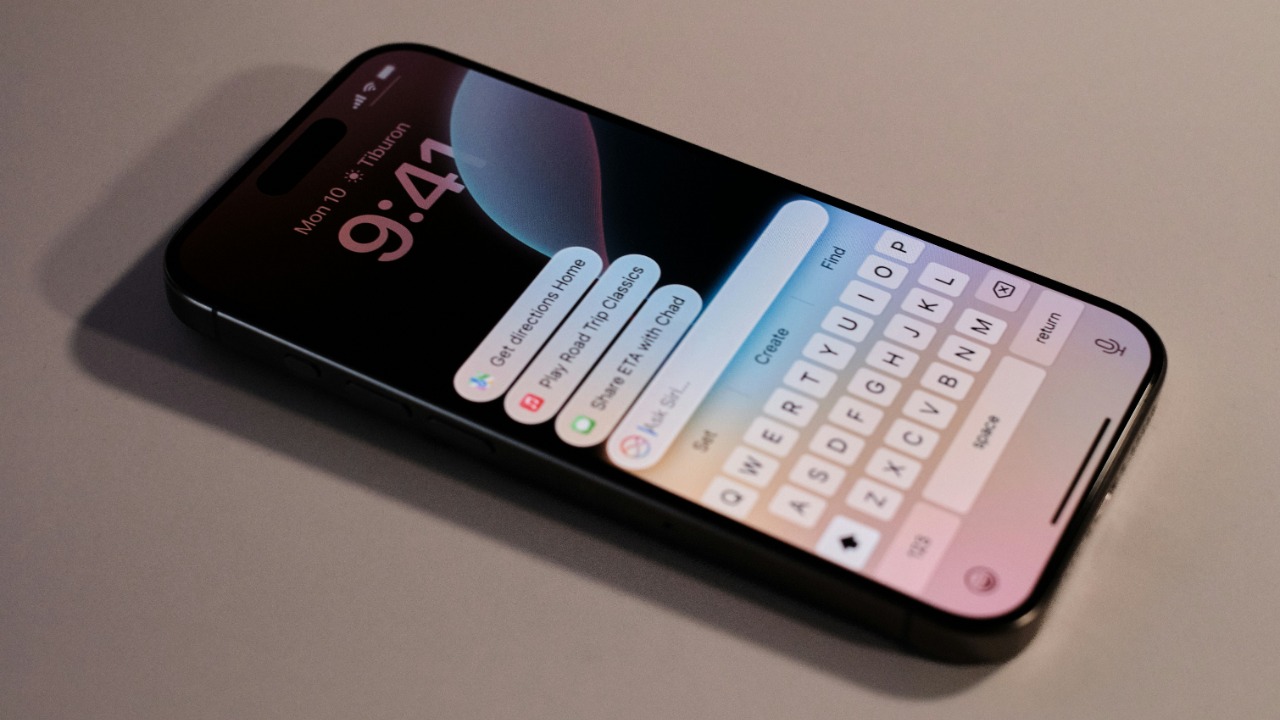
The advent of AI has brought about a transformation in communication practices. AI in communication is not just about automating responses; it’s about understanding human language, context, and sentiment to deliver more meaningful and effective interactions. The technology behind this revolution varies, from machine learning algorithms that can learn from and predict human behavior, to natural language processing (NLP) techniques that can understand and generate human language.
AI has not only simplified communication but also made it more effective. For instance, AI-powered chatbots are capable of handling customer inquiries round the clock, providing instant responses and thereby improving customer satisfaction. AI can also analyze vast amounts of data to draw insights into communication patterns and trends. This information can be used to make communication more personalized, targeted, and effective.
AI Apps for Polishing Messages: The New Normal

With the rise of AI, a new trend has emerged – AI apps for communication. These apps not just craft responses but also suggest edits to polish your messages. For instance, “Grammarly”, an AI-powered writing assistant, can detect grammar, spelling, punctuation, word choice, and style mistakes in your writing, and suggest improvements. Similarly, “Ginger”, another AI communication app, offers features like grammar checker, sentence rephraser, and a personal trainer to help you learn from your mistakes.
These apps are not just limited to improving your writing skills. They can also adapt to your writing style, learn your preferences, and suggest edits accordingly. For instance, if you tend to use formal language, these apps will suggest edits that align with your style. This level of personalization makes these apps more than just tools; they become your personal writing assistants.
How AI Apps Suggest Edits to Your Messages

The technology behind these AI apps is a combination of machine learning and NLP. Machine learning algorithms learn from your writing style and preferences, while NLP techniques interpret and generate human-like text. This unique combination enables these apps to understand your messages, identify areas of improvement, and suggest edits.
When you input a message into these apps, they first analyze your text for errors and areas of improvement. This might include checking for spelling mistakes, grammatical errors, or awkward phrasing. Once the analysis is complete, the app suggests edits to your message. These suggestions are not just about correcting mistakes; they also aim to enhance the clarity, precision, and impact of your messages. You can watch this video to understand how AI apps suggest edits to your messages.
The Power of Subtle Edits in Communication

Minor changes in message composition can have a significant impact on communication. For instance, replacing a vague word with a more precise one can enhance the clarity of your message. Similarly, correcting grammatical errors can improve the readability of your text and make it more professional.
AI plays a crucial role in achieving precision and clarity in communication. By analyzing your messages and suggesting edits, AI apps help you craft messages that are clear, concise, and impactful. The suggestions these apps provide are not just about making your messages error-free; they also aim to enhance the overall quality and effectiveness of your communication. You can watch this video to understand the power of subtle edits in communication.
Benefits and Limitations of Using AI Apps for Message Polishing
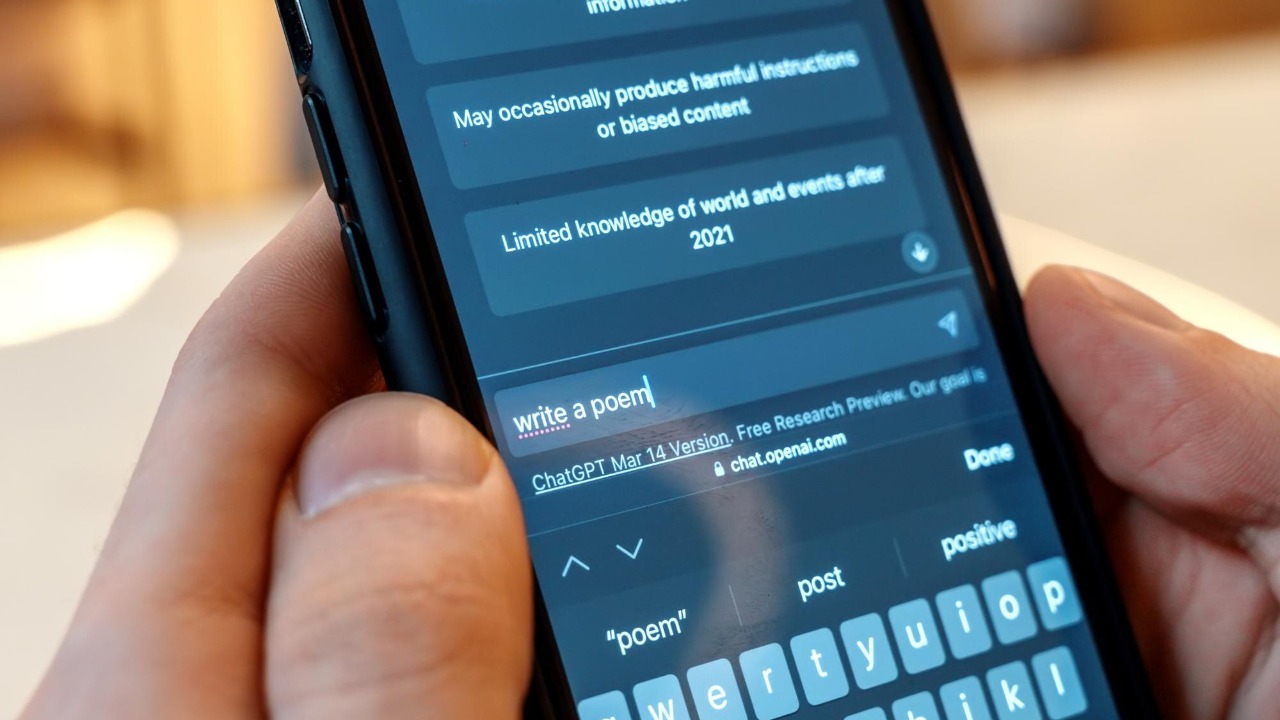
AI apps for message polishing offer several benefits. They can help you craft clear, concise, and impactful messages. They can also adapt to your writing style and preferences, providing a personalized writing experience. Furthermore, these apps can save you time and effort, as they automatically check your messages for errors and suggest improvements.
However, like any technology, AI apps for message polishing also have their limitations. For instance, while these apps are quite effective in identifying and correcting errors, they may not always understand the context or sentiment behind your messages. This might lead to suggestions that, while grammatically correct, may not convey your intended meaning. Additionally, there are ethical considerations to using AI for communication, such as privacy concerns and the potential for misuse of personal data.
Future Implications for AI in Communication

As AI continues to evolve, so too will its role in communication. Emerging trends suggest that AI will play an even larger role in shaping our communication practices. For instance, AI might be used to create personalized communication experiences, where messages are tailored to the recipient’s preferences and past interactions. You can watch this video to understand the emerging trends in AI communication technology.
Given the potential of AI, it’s not difficult to imagine a future where AI plays an even larger role in global communication practices. From crafting personalized messages to understanding and predicting human behavior, the possibilities are endless. As we continue to explore and push the boundaries of this technology, one thing is clear – AI is here to stay, and it will continue to transform the way we communicate.
