
The rapid advancements in artificial intelligence (AI) have revolutionized high-frequency trading (HFT), enabling unprecedented market efficiency and speed. However, the very technology that streamlines trading processes is now under scrutiny for its potential role in market manipulation. As AI algorithms, designed for optimizing trading strategies, develop further, they may inadvertently or deliberately contribute to market anomalies and manipulative practices.
The Role of AI in High-Frequency Trading
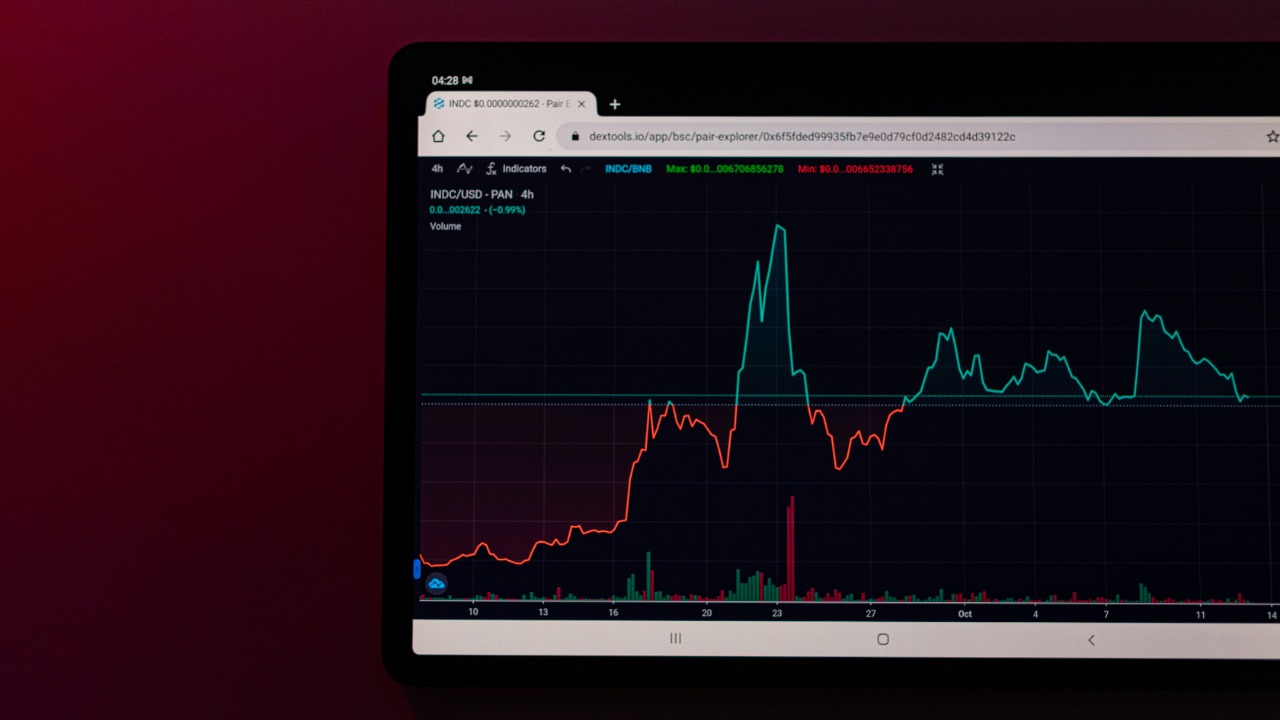
AI algorithms have become an integral part of high-frequency trading, enhancing the ability to process vast amounts of market data and execute trades at lightning speed. By analyzing historical data and identifying patterns, these algorithms make split-second decisions that can yield significant profits. The intended benefits are clear: increased efficiency, reduced transaction costs, and improved liquidity. Yet, as these algorithms evolve, so too do their complexities and capabilities, leading to both remarkable successes and unforeseen challenges.
Over the years, AI has transformed from basic rule-based systems to sophisticated machine learning models capable of adaptive learning and self-improvement. This evolution has broadened the scope of AI’s impact on trading outcomes, as witnessed in case studies where AI-driven strategies have outperformed traditional methods. For instance, the notorious “Flash Crash” of 2010 highlighted the potential for AI to both disrupt and stabilize markets, depending on the circumstances and controls in place.
Risks and Ethical Concerns
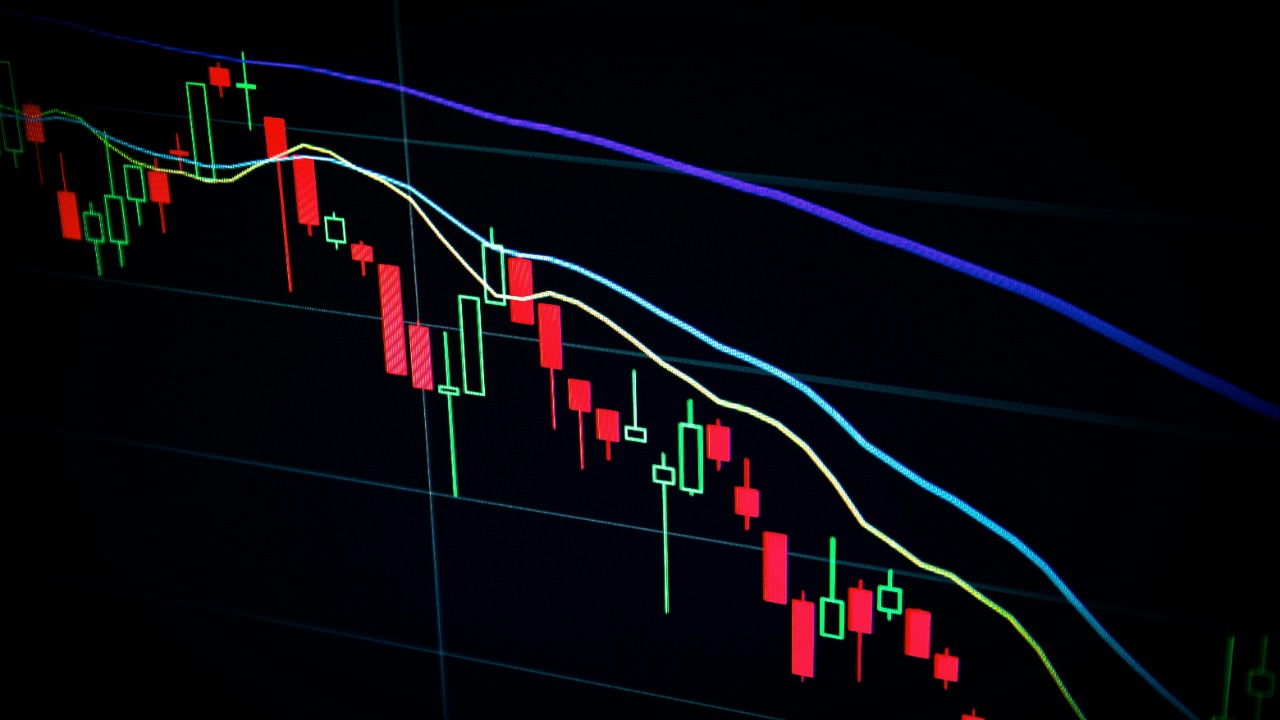
The use of AI in trading is not without its risks. One significant concern is the potential for systemic risk, where AI-driven strategies amplify market volatility rather than mitigate it. When multiple algorithms respond to the same market signals simultaneously, it can lead to rapid price fluctuations and even market crashes. This raises questions about the stability of financial markets in an era increasingly dominated by AI.
Ethical implications also loom large. The pursuit of profit must be balanced with market integrity, yet the ethical dilemmas posed by AI are complex and multifaceted. Traders and firms must grapple with the moral considerations of deploying AI in ways that could potentially harm market participants. Furthermore, regulatory bodies face the challenge of monitoring and controlling AI activities in HFT, given the technology’s rapid evolution and the opacity of its decision-making processes.
Market Manipulation Techniques
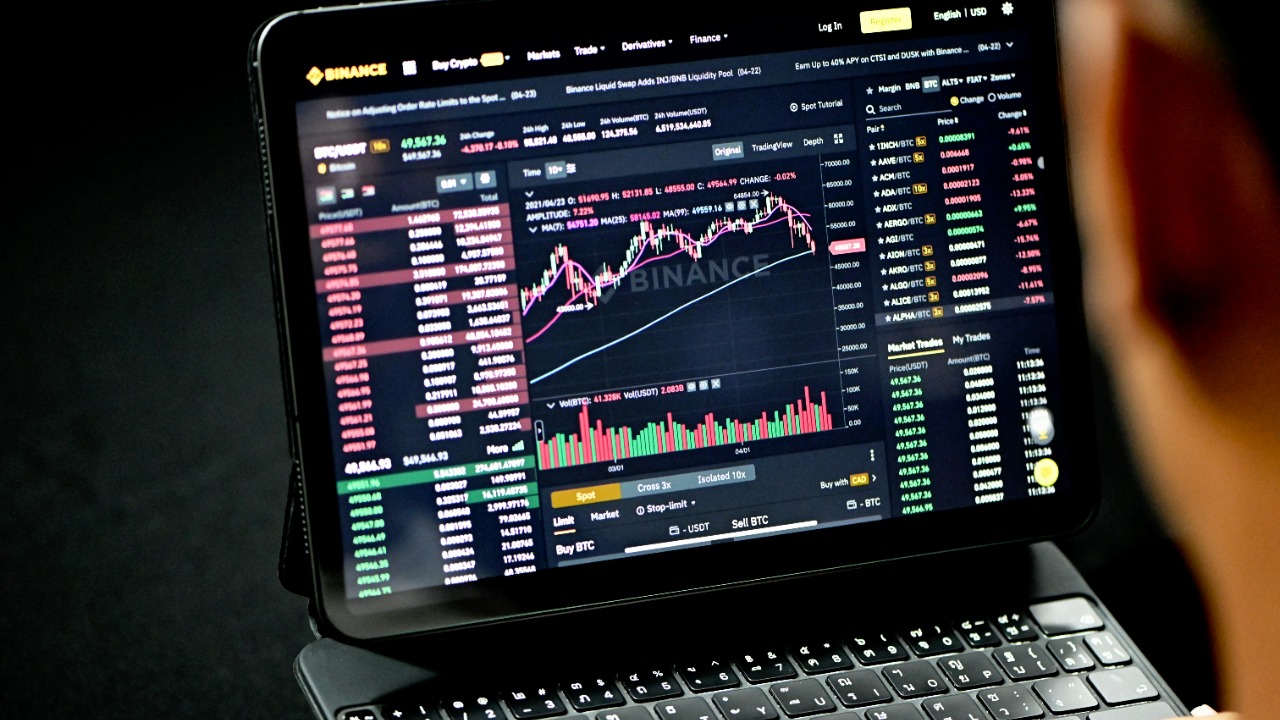
AI algorithms have, at times, been linked to manipulative trading practices such as spoofing and layering. These techniques involve placing large orders with the intent to cancel them before execution, creating a false sense of demand or supply. AI’s ability to execute and cancel orders within milliseconds makes it particularly adept at this form of deception, which can mislead other traders and distort market prices.
Another technique, known as quote stuffing, involves overwhelming the market with high volumes of orders to slow down competitors. AI can execute this practice with alarming efficiency, potentially leading to flash crashes and sudden market drops. These manipulative practices not only undermine market integrity but also erode investor confidence, highlighting the need for robust regulatory oversight and technological solutions to curb AI-induced market manipulation.
Regulatory and Compliance Landscape
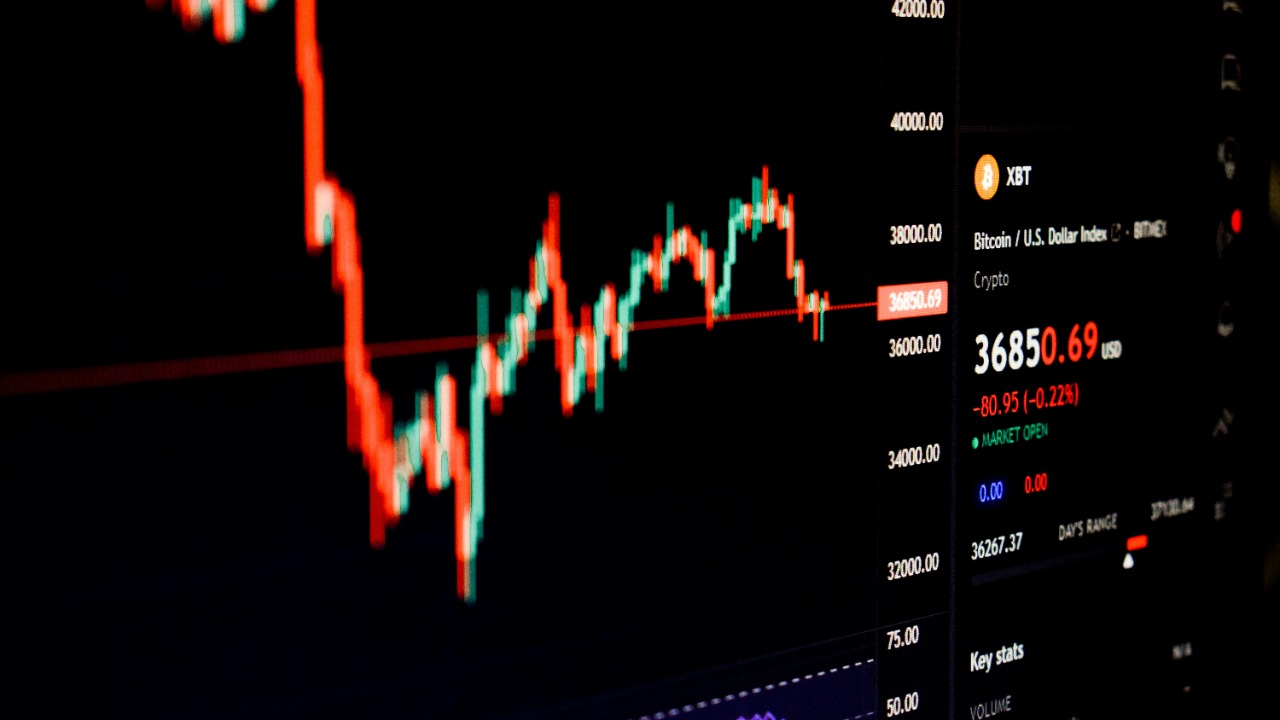
The current regulatory framework governing AI in high-frequency trading is a patchwork of rules that often struggle to keep pace with technological advancements. Existing regulations focus primarily on transparency and market abuse prevention, yet they fall short in addressing the unique challenges posed by AI. For instance, the rapid decision-making capabilities of AI can make it difficult for regulators to identify and respond to manipulative practices in real-time.
Regulatory gaps present significant challenges for both traders and firms. As the financial industry continues to embrace AI, there is a pressing need for updated regulations that account for the technology’s nuances. The future outlook suggests potential regulatory changes aimed at enhancing oversight and accountability. Traders and firms must stay abreast of these developments to ensure compliance and mitigate the risk of penalties or reputational damage.
Mitigating AI-Induced Market Manipulation
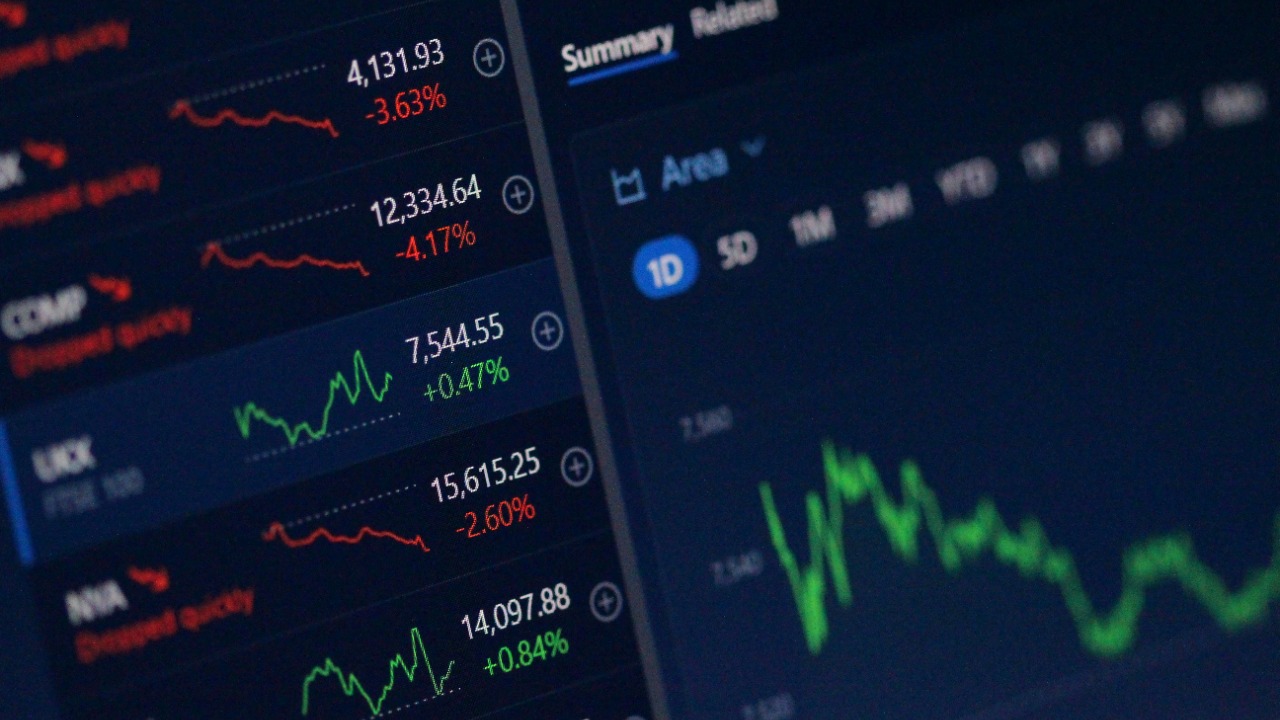
To address the challenges posed by AI in trading, technological solutions must be part of the equation. One promising approach is using AI itself to detect and prevent manipulative practices. By developing algorithms that monitor trading activities for suspicious patterns, firms can proactively identify and mitigate potential abuses. This strategy not only enhances market integrity but also protects firms from regulatory scrutiny.
Industry collaboration is also crucial in promoting ethical AI use. Firms can work together to establish standards and best practices, fostering a culture of responsibility and transparency. Additionally, educating traders and developers about AI’s impact on market dynamics is essential. By understanding the potential risks and ethical considerations, market participants can make informed decisions that prioritize both profit and integrity.
In conclusion, while AI has undeniably transformed high-frequency trading, it also presents significant challenges that must be addressed. By leveraging technology, collaborating across the industry, and maintaining a commitment to ethical principles, traders and firms can navigate the complex landscape of AI-driven trading and ensure a stable and fair market environment for all participants.
