The Amazon Rainforest, often referred to as the “lungs of the Earth,” is defying expectations as recent studies reveal it is thriving rather than declining, contrary to decades of predictions by climate scientists. This surprising development has been reported by Daily Galaxy, highlighting a significant shift in the understanding of the Amazon’s ecological dynamics.
The Unexpected Resilience of the Amazon
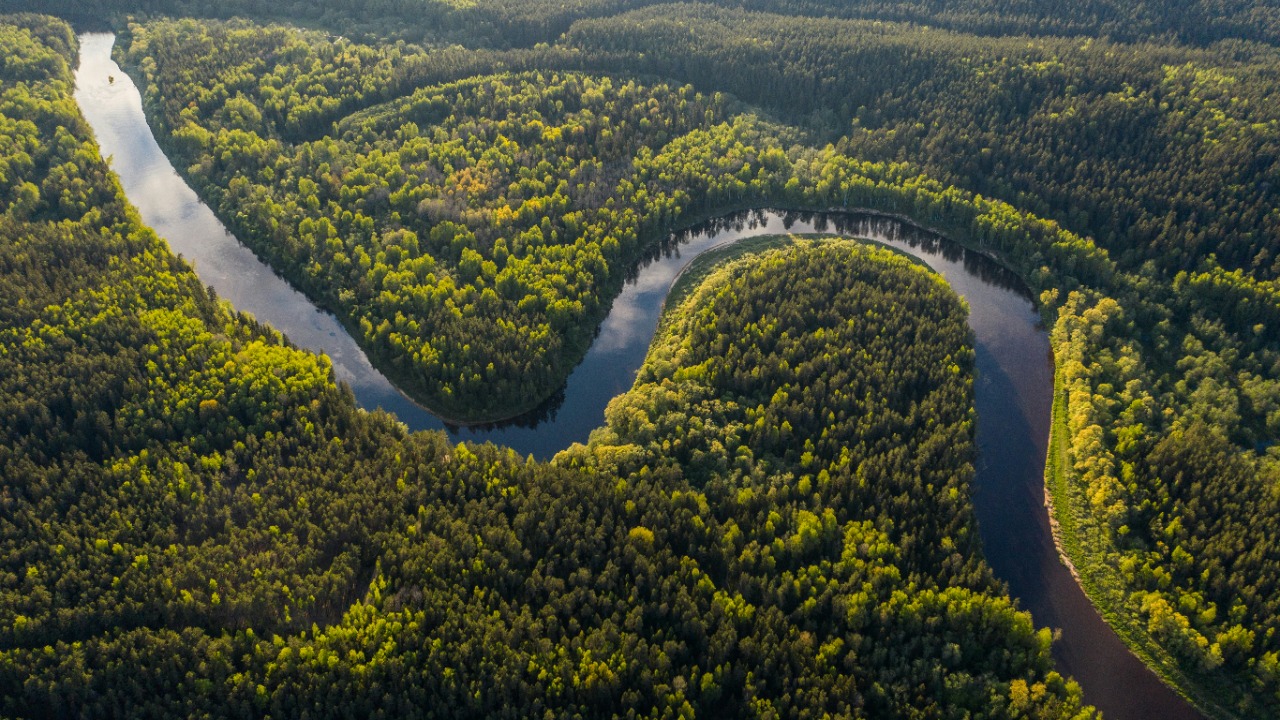
New studies indicate that the Amazon Rainforest is flourishing, which contradicts long-held scientific predictions of its decline due to climate change. This unexpected resilience has caught the attention of researchers worldwide, who are now tasked with understanding the mechanisms behind this phenomenon. The thriving state of the Amazon challenges the current models of climate impact on tropical forests, prompting a reevaluation of the factors that contribute to its health and sustainability.
Researchers are particularly interested in identifying the specific elements that have allowed the Amazon to defy expectations. These could include unique local environmental factors, such as soil composition, water availability, and biodiversity, which may play a crucial role in the forest’s ability to adapt to changing climatic conditions. Understanding these dynamics is essential for developing more accurate predictions and effective conservation strategies in the future.
One of the key factors contributing to the Amazon’s resilience may be its vast biodiversity, which allows for a wide range of adaptive responses to environmental changes. The forest’s complex ecosystem includes numerous species of plants and animals that interact in ways that can stabilize the environment, even under stress. For example, certain tree species have been observed to thrive in higher temperatures, potentially offsetting the negative impacts of climate change on other species. Additionally, the Amazon’s extensive root systems help maintain soil stability and water retention, which are crucial for sustaining plant life during periods of drought.
Moreover, indigenous communities play a vital role in preserving the Amazon’s health. Their traditional knowledge and sustainable land management practices have been instrumental in maintaining the ecological balance of the forest. By protecting large areas from deforestation and promoting biodiversity, these communities contribute significantly to the forest’s resilience. This highlights the importance of integrating indigenous perspectives into conservation strategies, as their practices offer valuable insights into sustainable ecosystem management.
Challenging Established Climate Models
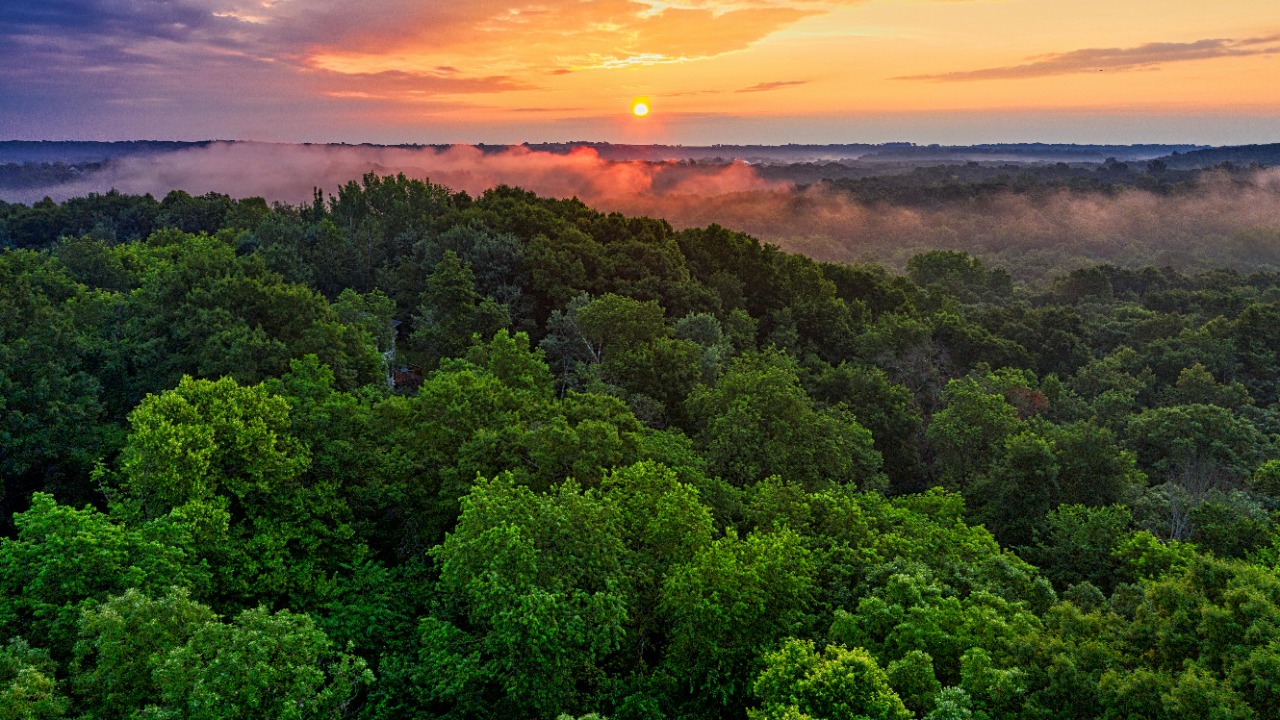
The unexpected growth of the Amazon raises questions about the accuracy of existing climate models that predicted its deterioration. These models have long been used to forecast the impacts of climate change on tropical forests, but the current state of the Amazon suggests that they may need significant adjustments. This development necessitates a reevaluation of the factors considered in predicting rainforest health, including carbon sequestration and biodiversity.
As scientists work to refine these models, they must consider a broader range of variables that could influence the Amazon’s resilience. This includes examining the potential effects of human activity, such as deforestation and land use changes, as well as natural processes that may enhance the forest’s ability to withstand environmental stressors. By incorporating these factors into their analyses, researchers hope to create more robust models that can better predict the future of tropical forests.
In light of the Amazon’s unexpected growth, scientists are also considering the role of atmospheric changes, such as increased levels of carbon dioxide, which may have a fertilizing effect on plant growth. This phenomenon, known as CO2 fertilization, could be enhancing the photosynthetic capacity of the forest, allowing it to absorb more carbon and grow more robustly than previously anticipated. However, this effect is complex and not fully understood, necessitating further investigation to determine its long-term implications for forest health and climate models.
Another aspect under scrutiny is the potential impact of regional climate variability. The Amazon experiences a range of microclimates, which can create pockets of resilience where certain areas are less affected by broader climatic shifts. Understanding these microclimates and their interactions with the forest’s biological processes is crucial for refining climate models. By incorporating these nuanced factors, scientists aim to improve the predictive accuracy of models and better assess the future risks to tropical forests worldwide.
Implications for Global Climate Policies

The thriving state of the Amazon may influence global climate policies, as it alters the perceived urgency and focus of conservation efforts. Policymakers might consider revising strategies to incorporate new findings about the rainforest’s unexpected resilience. This could lead to a shift in priorities, with greater emphasis placed on understanding and supporting the natural processes that contribute to the Amazon’s health.
Furthermore, the Amazon’s resilience could serve as a model for other regions facing similar challenges. By studying the factors that have allowed the Amazon to thrive, policymakers can develop targeted strategies to enhance the resilience of other ecosystems. This approach could help mitigate the impacts of climate change on a global scale, ensuring the long-term health and sustainability of vital natural resources.
The newfound understanding of the Amazon’s resilience could lead to a reevaluation of international conservation funding priorities. Resources might be redirected to support research and initiatives that enhance natural resilience mechanisms, rather than solely focusing on mitigating deforestation. This shift could encourage the development of innovative conservation techniques that leverage the forest’s inherent strengths, potentially offering more sustainable and cost-effective solutions to global environmental challenges.
Additionally, the Amazon’s resilience underscores the importance of international cooperation in climate policy. As the forest plays a critical role in global carbon cycling, its health has far-reaching implications for climate stability. Collaborative efforts to protect and study the Amazon can serve as a model for addressing other environmental issues, fostering a more unified approach to tackling climate change. By sharing knowledge and resources, countries can work together to ensure the preservation of vital ecosystems and the services they provide to humanity.
Future Research Directions
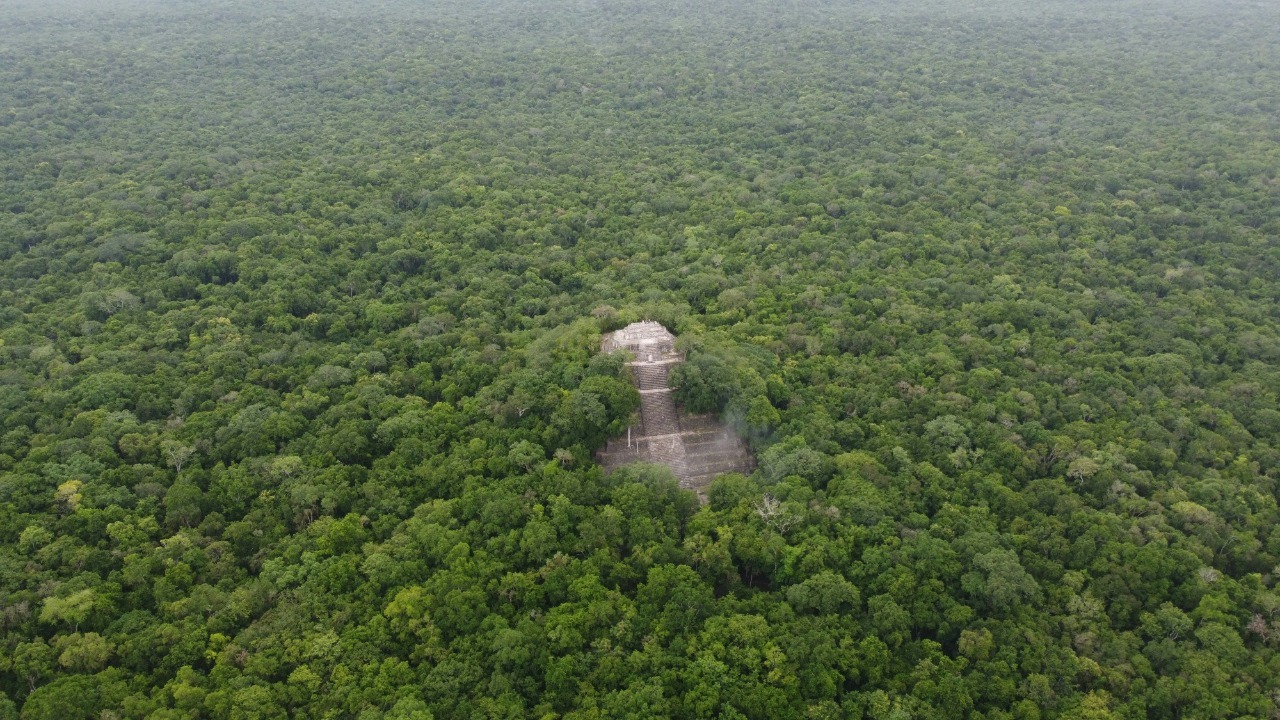
Scientists are encouraged to conduct further research to uncover the reasons behind the Amazon’s unexpected growth. This may include studying local environmental factors and human impact, as well as exploring the potential interactions between these elements. By gaining a deeper understanding of the processes that contribute to the Amazon’s resilience, researchers can develop more effective conservation strategies and improve the accuracy of climate models.
Future research efforts should also focus on identifying the specific mechanisms that enable the Amazon to adapt to changing conditions. This could involve examining the genetic diversity of plant and animal species, as well as the complex interactions between different components of the ecosystem. By unraveling these mysteries, scientists hope to unlock new insights into the resilience of tropical forests and their role in mitigating the effects of climate change.
