A recent discovery on Google Earth has sparked intrigue and speculation among internet users and conspiracy theorists alike. The finding, dubbed the “Hollow Island,” appears as an unmarked and seemingly vacant landmass, leading many to question its purpose and what secrets it might hold. This article delves into the mystery of the Hollow Island, exploring theories and expert insights.
The Discovery of Hollow Island
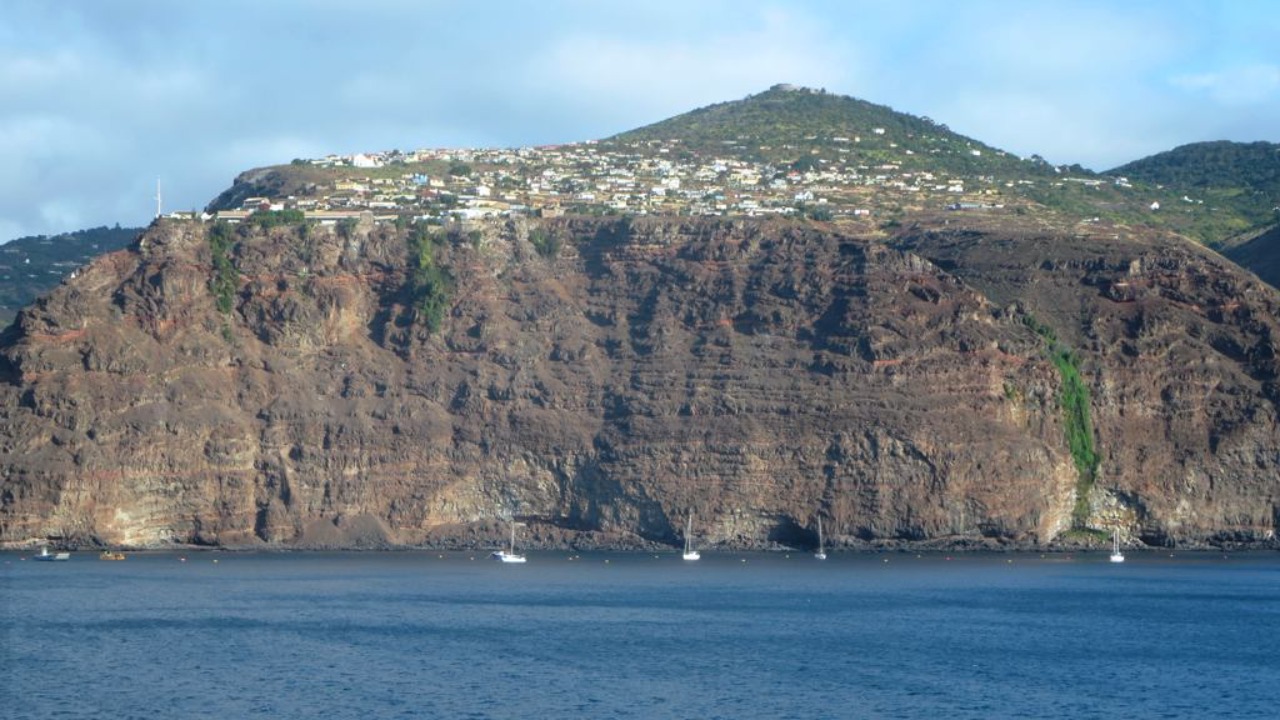
The enigmatic Hollow Island was first brought to light by avid Google Earth users who stumbled upon an uncharted landmass with unusual characteristics. Located at coordinates that place it somewhere in the remote expanse of the Pacific Ocean, this island lacks any official markings or identifiers on digital maps. The island’s most confounding feature is its seemingly hollow appearance, as though it were an empty shell rather than a solid piece of land. These peculiarities have led to a surge of interest as people around the world attempt to decipher its mysteries.
The public reaction to the discovery has been nothing short of sensational. Social media platforms and online forums became hotbeds of discussion, with users sharing theories and speculations. Major media outlets have picked up the story, contributing to the growing intrigue surrounding the island. Articles like MSN’s coverage have delved into the mystery, highlighting the widespread curiosity and debate it has sparked. This increased attention has only fueled further speculation about what Hollow Island might be hiding.
Analyzing the Geography
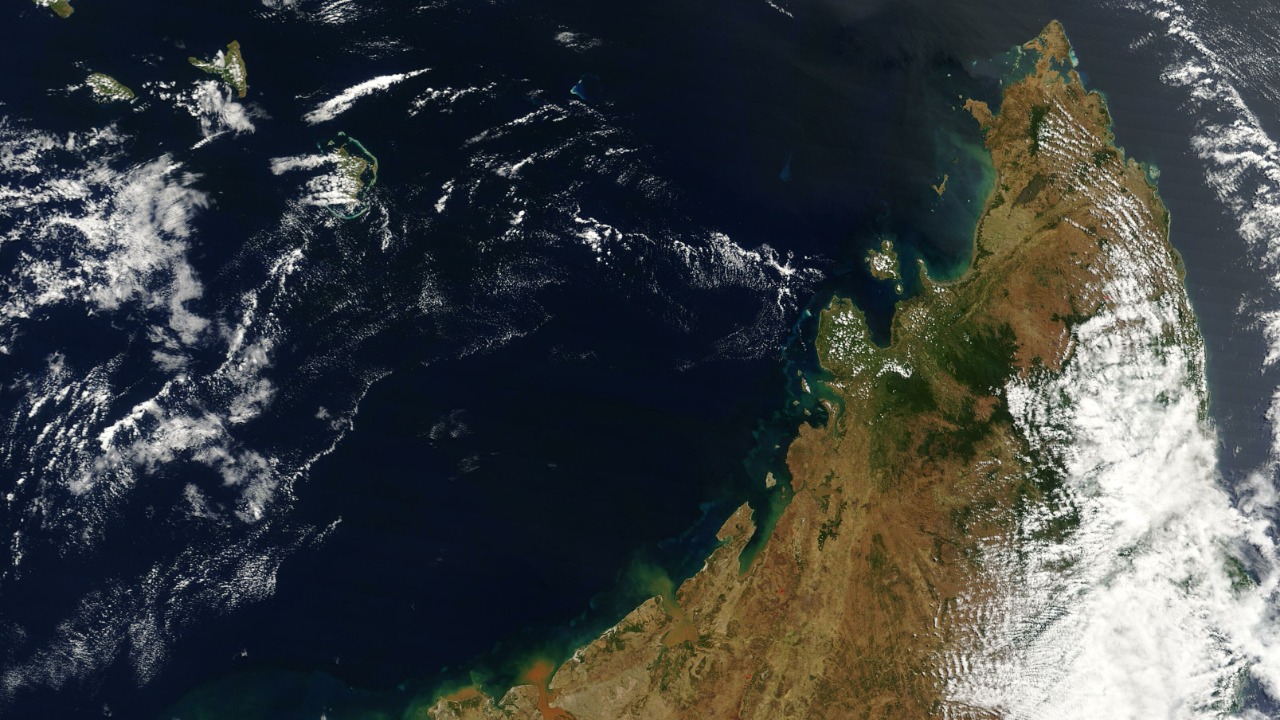
From a geological perspective, the island presents an array of intriguing features and anomalies. While the island’s exact dimensions remain unclear due to the limitations of satellite imagery, it appears to have a unique topography. Some satellite images suggest the presence of large, unexplained depressions on the island’s surface, which could contribute to its hollow appearance. Additionally, its remote location raises questions about how such a landmass has escaped notice for so long, particularly since the world’s islands are generally well-documented.
To better understand the origins of Hollow Island, researchers have turned to historical maps and records. A thorough investigation of these documents reveals no previous mention of the island, leading to further questions about its recent emergence. Some geographers speculate that the island could be a relatively new formation, possibly the result of underwater volcanic activity or other natural processes. However, without concrete historical records, the true nature of Hollow Island remains elusive.
Conspiracy Theories and Speculations

As with many unexplained phenomena, Hollow Island has become a magnet for conspiracy theories. One of the most popular hypotheses suggests that the island is being used for clandestine government or military operations. Proponents of this theory argue that the island’s unmarked status on Google Earth is a deliberate attempt to conceal its true purpose. Some even claim that the island could be home to a secret military base, akin to the infamous Area 51 in Nevada.
Beyond governmental conspiracies, there are also more outlandish theories circulating about Hollow Island. Some internet users have speculated that the island is a hotspot for extraterrestrial activity, citing its remote location and enigmatic features as potential evidence of alien involvement. Others have gone so far as to suggest that the island may harbor paranormal phenomena, with its hollow appearance being a gateway to another dimension. While these theories lack scientific backing, they have nonetheless captured the imagination of many.
Expert Opinions and Scientific Insights

To gain a clearer understanding of Hollow Island, I reached out to geographers and cartographers for their expert insights. According to Dr. Emily Rivera, a renowned geographer, the island’s hollow appearance could be attributed to limitations in satellite imaging technology. “Sometimes, the resolution and angle of satellite images can create optical illusions, making solid land appear hollow,” she explains. Dr. Rivera also notes that certain natural features, such as sinkholes or caves, could contribute to the island’s unusual appearance.
In addition to technological limitations, experts also caution against drawing hasty conclusions from digital maps. Dr. Mark Collins, a cartographer, points out that errors in digital mapping are not uncommon. “Glitches and inaccuracies can occur due to various factors, including data processing errors and outdated information,” he says. These insights underscore the importance of approaching such discoveries with a critical eye and considering the potential for technological errors.
Impact of Online Mysteries on Public Perception

The mystery of Hollow Island highlights the significant role internet culture plays in shaping narratives around unexplained phenomena. Social media platforms, blogs, and online forums have become powerful tools for disseminating information and fueling speculation. As discussions about Hollow Island continue to unfold online, they demonstrate how quickly information can spread and evolve, often blurring the line between fact and fiction.
Moreover, the discovery of Hollow Island raises questions about public trust in digital mapping technologies. While tools like Google Earth have revolutionized our ability to explore the world from the comfort of our homes, they are not infallible. Instances of mapping errors and unexplained anomalies can lead to skepticism and doubt about the accuracy of these technologies. As users become more aware of potential shortcomings, it is crucial for developers and researchers to address these concerns and strive for greater transparency and accuracy in digital mapping.
In an era where information is readily accessible, and mysteries can captivate global audiences, Hollow Island serves as a reminder of our innate curiosity and the power of the unknown. As we continue to explore and question the world around us, we must remain diligent in our pursuit of truth, balancing intrigue with critical analysis.
