Easter Island, renowned for its enigmatic Moai statues, captivates historians and tourists alike with its rich cultural heritage and mystery. Recently, a new statue has mysteriously appeared on the island, taking the community and experts by surprise. This development has sparked a wave of curiosity, inviting speculation and wonder about the island’s already intriguing past.
The Mysterious Appearance
Unexpected Discovery
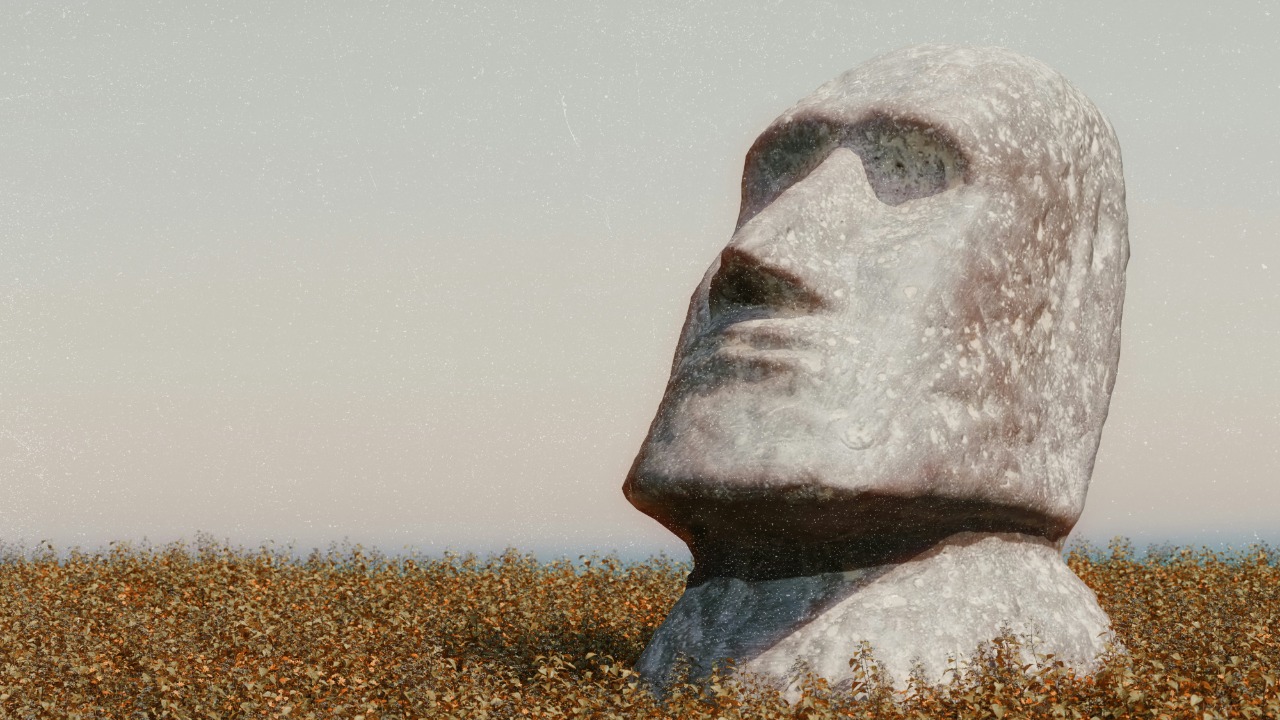
The discovery of the new statue was as sudden as it was unexpected. A group of local explorers reportedly stumbled upon the statue during an expedition in an area of the island not commonly visited. Initial reactions from both the scientific community and local residents were a mix of astonishment and skepticism. Many questioned how such a large and significant artifact could have gone unnoticed for so long. The statue, while bearing resemblance to the traditional Moai, also has unique features that set it apart, adding another layer to the mystery.
Speculations and Theories
As soon as news of the statue broke, various theories began to circulate. Among the more grounded explanations are suggestions that the statue was buried and revealed due to natural erosion or recent seismic activity. However, more fanciful theories have also emerged, including claims of extraterrestrial involvement or time-traveling artists. While these latter ideas stretch the imagination, they highlight the intrigue surrounding Easter Island and its history. The speculation underscores a longstanding fascination with the island’s unique cultural artifacts.
Easter Island’s Historical Context
The Moai Statues
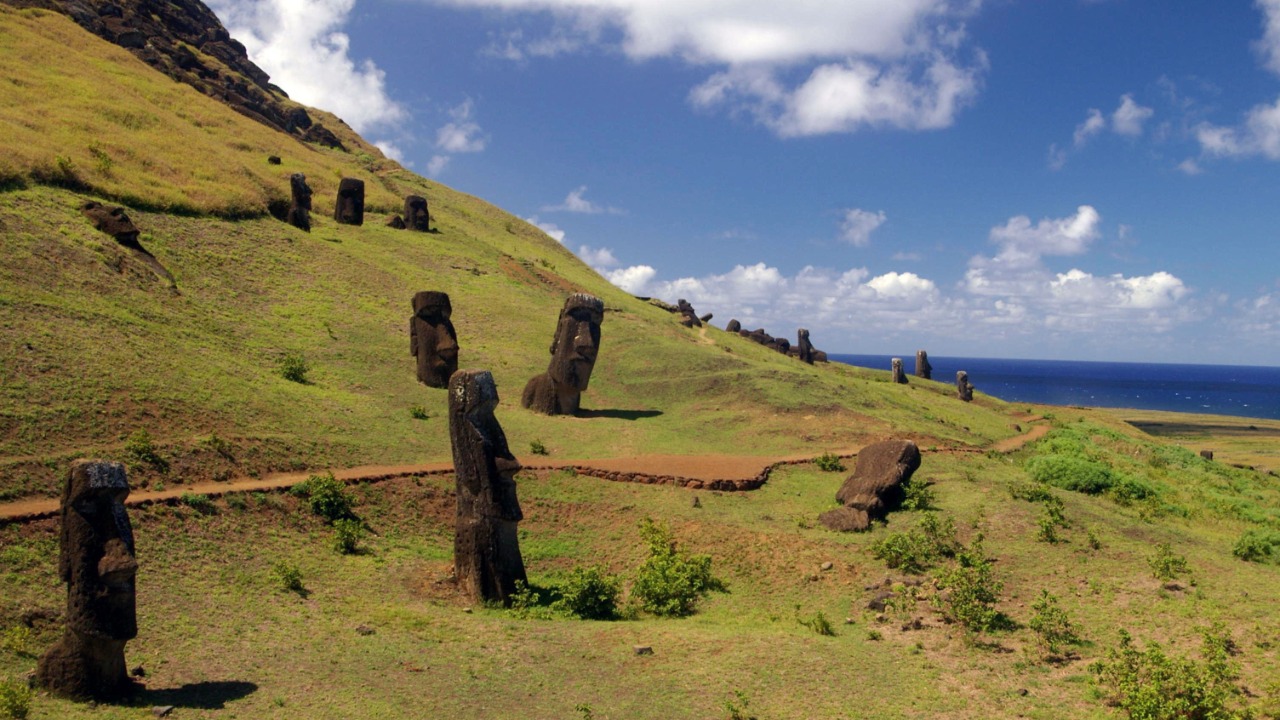
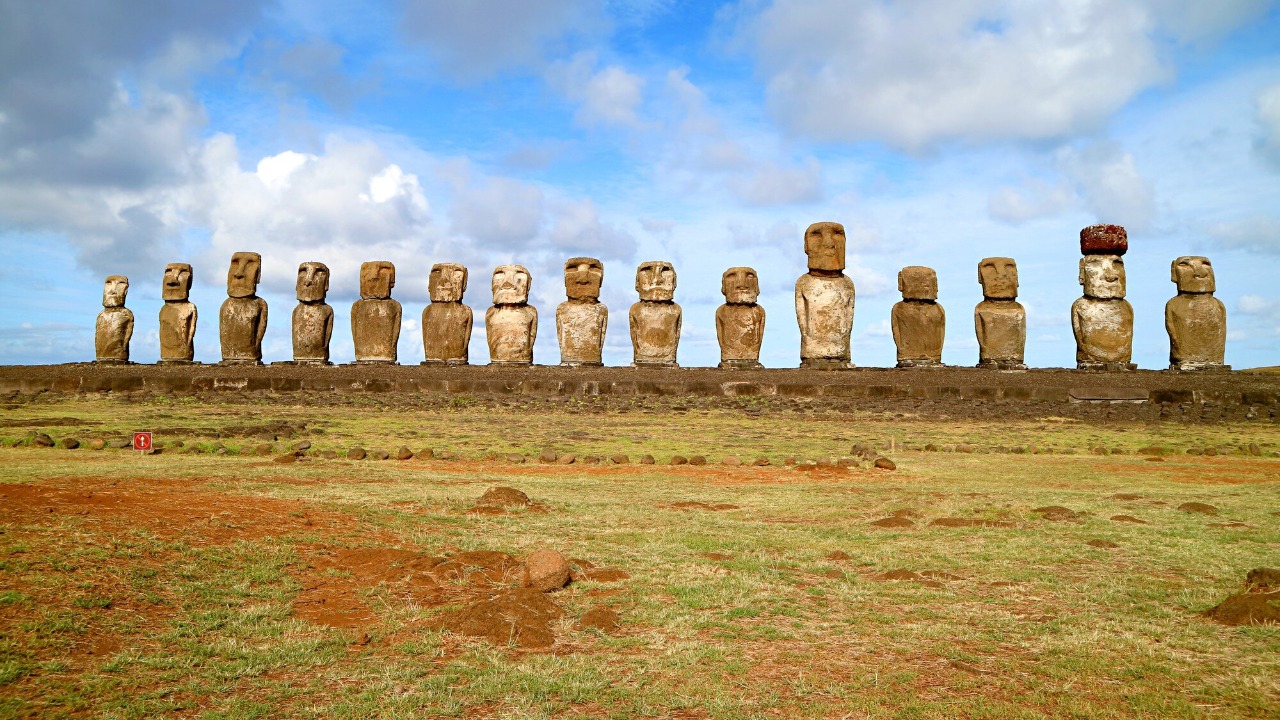
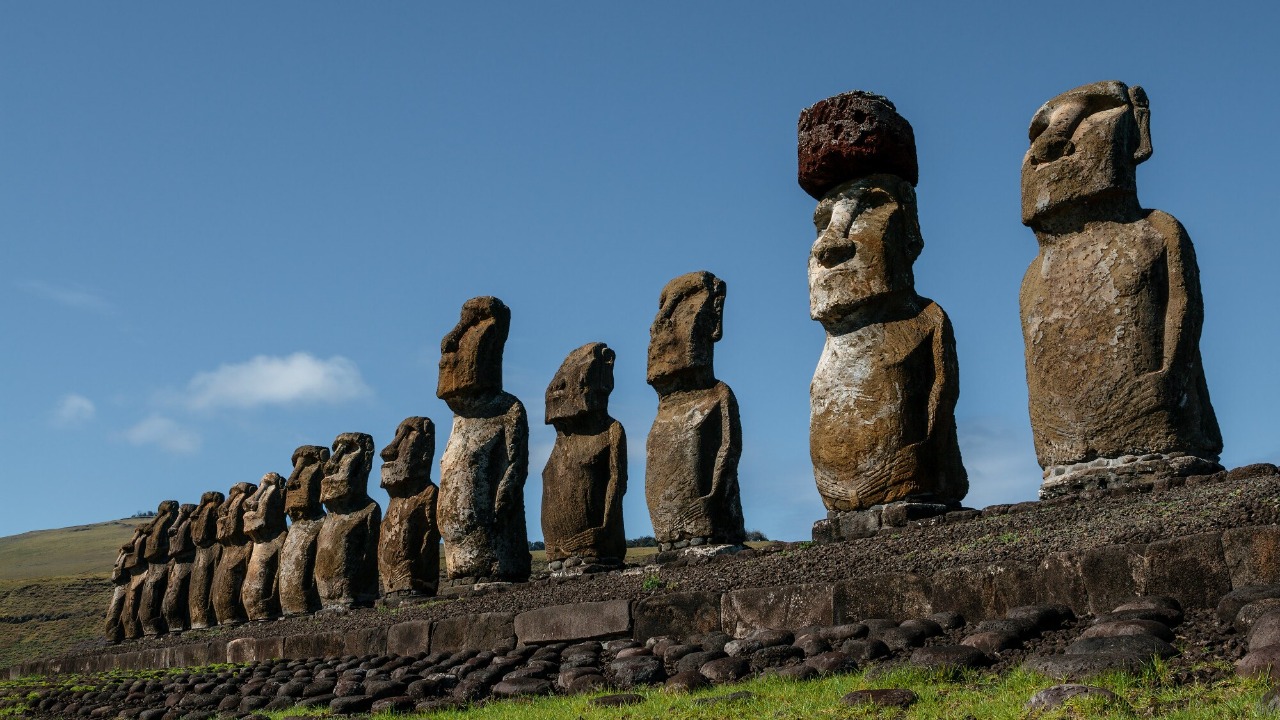
The Moai statues are the most iconic symbols of Easter Island, known locally as Rapa Nui. These monolithic human figures, carved by the Rapa Nui people between 1400 and 1650 CE, are believed to represent the ancestors of the islanders. Each statue stands on a stone platform called an ahu, and together, they serve as a testament to the island’s rich cultural and spiritual heritage. The newly discovered statue adds another layer to this narrative, prompting questions about its origin and purpose.
Cultural Heritage
Easter Island holds immense cultural significance for the Rapa Nui people. As a UNESCO World Heritage site, it represents not only a unique cultural legacy but also a symbol of resilience and identity. The appearance of a new statue raises important questions about cultural preservation and the need to protect the island’s heritage from natural and human threats. It also invites a broader conversation about the role of indigenous communities in managing and interpreting their cultural landmarks.
Scientific Investigations and Theories
Archaeological Insights
Archaeologists are eagerly studying the new statue to uncover its secrets. Initial investigations suggest that the statue may be made from volcanic tuff, similar to other Moai. However, detailed material analysis and dating methods are needed to confirm its age and composition. These scientific approaches are crucial in determining whether the statue is genuinely ancient or a more recent addition, possibly created by descendants of the original Rapa Nui carvers.
Technological Advances
Modern technology plays a vital role in unraveling the mysteries of Easter Island’s statues. Techniques such as 3D scanning and satellite imagery allow researchers to create detailed models of the statues, offering insights into their construction and placement. These tools also help in monitoring changes in the statues’ condition over time, providing valuable data for conservation efforts.
Cultural and Global Implications
Impact on Rapa Nui Community
The discovery of the new statue has had a profound impact on the Rapa Nui community. For many locals, it is a source of pride and an opportunity to reconnect with their cultural roots. However, it also raises concerns about the potential for increased tourism and the associated risks of cultural and environmental degradation. The community is actively engaged in discussions about how to balance these competing interests, ensuring that their heritage is both celebrated and protected.
Tourism and Economy
Tourism is a critical component of Easter Island’s economy, and the new statue is likely to attract additional visitors eager to witness this latest discovery. While this influx could boost local businesses, there is also the risk of overwhelming the island’s infrastructure and resources. It is essential for stakeholders to develop sustainable tourism strategies that prioritize the well-being of both the community and the environment, ensuring that the island’s unique charm is preserved for future generations.
Unraveling the Mystery
Ongoing Research
Efforts to uncover the truth behind the new statue are ongoing. Researchers from around the world are collaborating with local experts to conduct a comprehensive investigation, combining archaeological methods with modern technology. These efforts are not only focused on the new statue but also on understanding the broader context of the island’s cultural landscape.
Potential Revelations
The newfound statue has the potential to reveal new insights into Easter Island’s past. It may offer clues about the island’s social and political history, shedding light on the practices and beliefs of its ancient inhabitants. Moreover, the discovery serves as a reminder of the importance of preserving our cultural heritage, encouraging a deeper appreciation for the rich tapestry of human history. As we continue to explore and understand this remarkable island, we are reminded of the enduring power of mystery and discovery.
