On October 1, 2025, a nuclear donut-shaped fusion device achieved a groundbreaking milestone in nuclear fusion experiments, marking a significant step toward the dream of unlimited clean energy. This achievement underscores advancements in tokamak technology, where the device’s toroidal design facilitates the confinement of high-temperature plasma, mimicking stellar conditions necessary for energy production. Popular Mechanics reports on this pivotal development.
What is a Nuclear Donut?
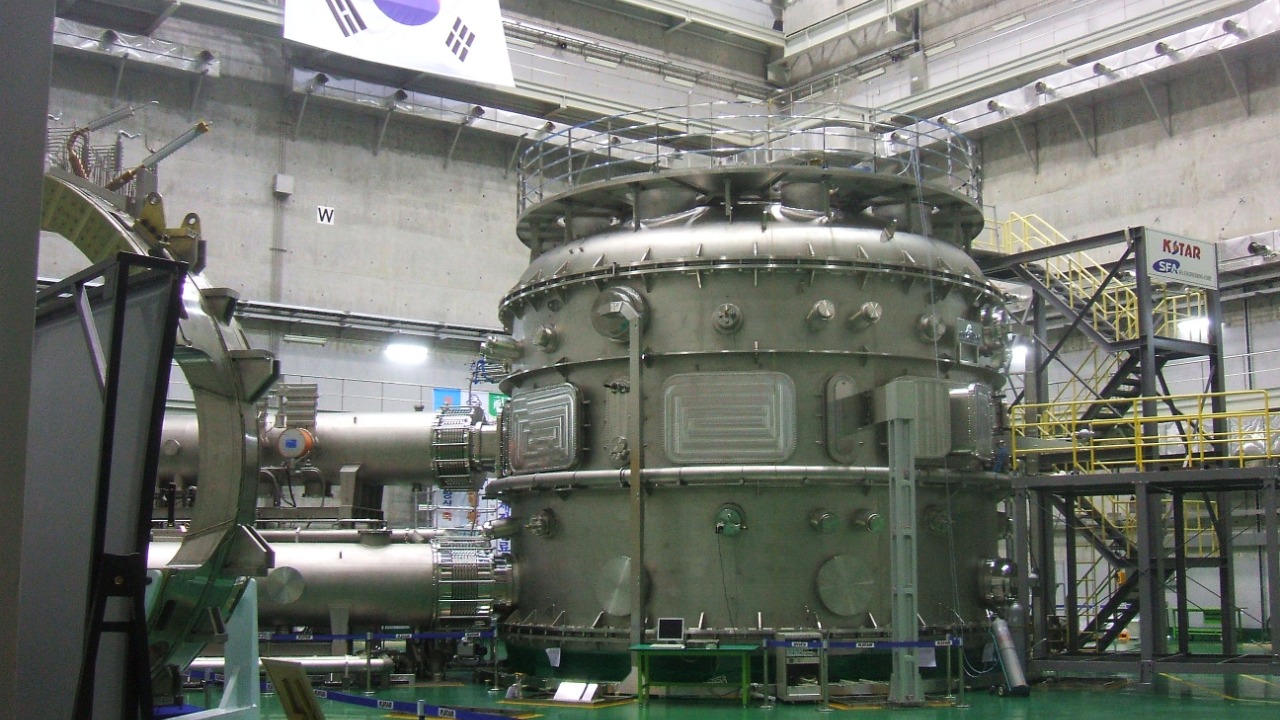
The term “nuclear donut” refers to the toroidal shape of tokamaks, which are devices that use powerful magnetic fields to contain superheated plasma within a doughnut-like chamber. This design is crucial for facilitating fusion reactions, as it prevents the plasma from coming into contact with the reactor walls, a necessity given the extreme temperatures involved. These temperatures can exceed 100 million degrees Celsius, a condition essential for the fusion of hydrogen isotopes, which is the fundamental process powering stars, including our sun (Popular Mechanics).
The development of tokamaks dates back to the 1950s, when Soviet physicists first conceptualized this innovative approach to nuclear fusion. Since then, the technology has evolved significantly, with modern facilities benefiting from international collaborations. These advancements have been instrumental in pushing the boundaries of what is possible in fusion research, paving the way for breakthroughs like the recent record-setting achievement (Popular Mechanics).
Tokamaks, with their distinctive toroidal shape, are at the forefront of fusion research due to their ability to effectively confine plasma using magnetic fields. This confinement is crucial as it allows the plasma to reach the necessary conditions for fusion without damaging the reactor structure. The magnetic fields are generated by a combination of external magnets and the plasma current itself, creating a stable environment for fusion reactions. The design and operation of these devices have been refined over decades, incorporating lessons learned from earlier models and experiments. This iterative process has led to significant improvements in plasma stability and energy retention, which are critical for achieving sustained fusion reactions.
The Fusion Record Broken
The record set on October 1, 2025, involved a notable achievement in sustaining fusion plasma duration or energy output, surpassing previous benchmarks in tokamak operations. This milestone is characterized by key metrics such as plasma confinement time and the amount of fusion power generated, marking a significant step toward achieving net energy gain. The experiment utilized advanced materials, including tungsten divertors, to manage the extreme heat generated during the record-setting run (Popular Mechanics).
This achievement is not just a technical victory but also a testament to the meticulous experimental setup that made it possible. The use of tungsten, known for its high melting point and thermal conductivity, played a crucial role in handling the intense conditions within the reactor. This innovation is part of a broader effort to refine the materials and techniques used in fusion reactors, ensuring they can withstand the demands of sustained high-temperature operations (Popular Mechanics).
The recent achievement in fusion technology is a culmination of years of research and development, involving complex simulations and experimental trials. The record-breaking experiment demonstrated not only the ability to sustain high-energy plasma but also the potential for scaling these results to larger, more powerful reactors. The integration of advanced diagnostics and control systems allowed researchers to monitor and adjust plasma conditions in real-time, optimizing performance and minimizing disruptions. This level of control is essential for future reactors, which will need to operate continuously to provide a steady supply of energy. The success of this experiment provides a blueprint for future developments in fusion technology, highlighting the importance of precision engineering and innovative materials in overcoming the challenges of nuclear fusion.
Challenges in Achieving Unlimited Energy
Despite the recent record, several technical challenges remain in the quest for unlimited energy through nuclear fusion. One of the primary hurdles is maintaining stable plasma without disruptions, a challenge that has historically limited the performance of tokamaks. Achieving higher fusion yields is essential to reach breakeven, where the energy output exceeds the energy input, representing the ultimate goal beyond this recent breakthrough (Popular Mechanics).
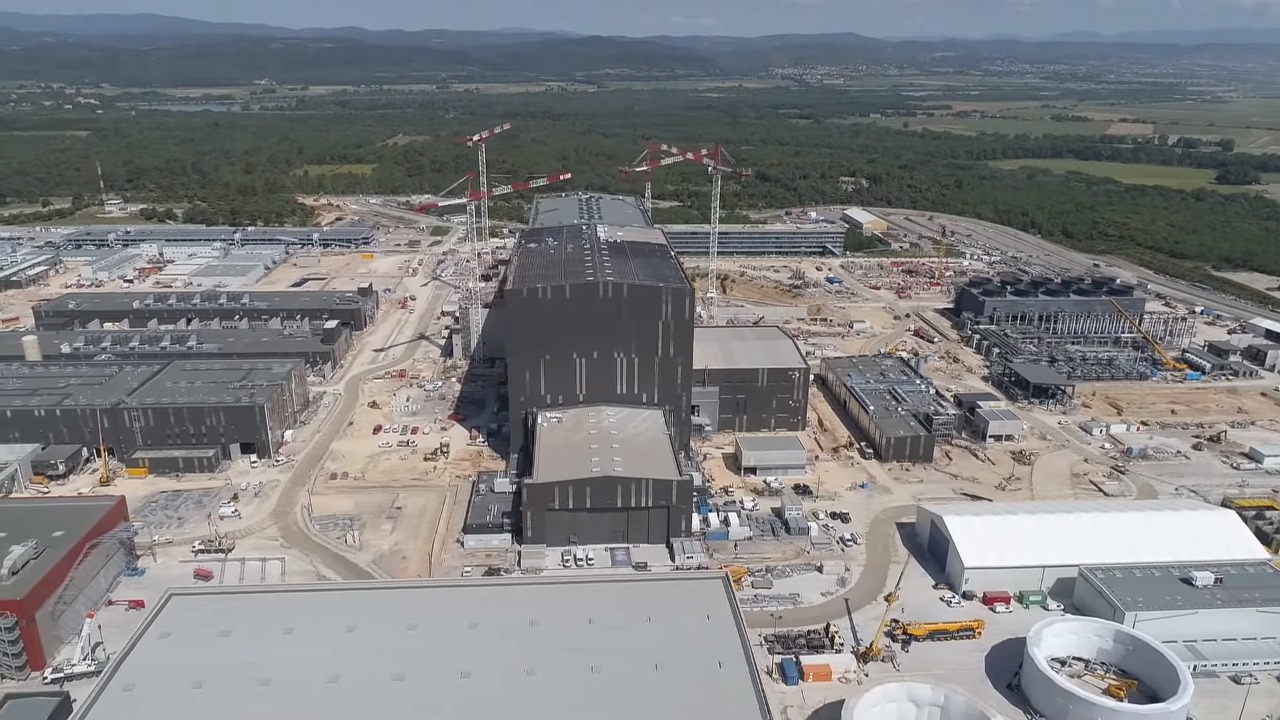
Economic and scaling issues also pose significant challenges. Building larger devices, such as the International Thermonuclear Experimental Reactor (ITER), is necessary to commercialize fusion energy based on records from smaller prototypes. These larger facilities require substantial investment and international cooperation, highlighting the complexity and scale of the endeavor to make fusion a viable energy source (Popular Mechanics).
Another significant challenge in the path to achieving unlimited energy through fusion is the development of efficient energy conversion systems. Current methods of converting fusion energy into electricity are still in the experimental phase, with researchers exploring various technologies such as direct energy conversion and advanced heat exchangers. These systems must be capable of handling the high temperatures and radiation levels associated with fusion reactions while maintaining efficiency and reliability. Additionally, the regulatory and safety frameworks for fusion energy are still evolving, requiring international cooperation to establish standards that ensure the safe deployment of fusion power plants. Addressing these challenges is crucial for transitioning from experimental reactors to commercial fusion energy production.
Implications for the Future of Energy
The recent record accelerates the timeline for developing practical fusion power plants, which could provide a carbon-free energy source to replace fossil fuels. This advancement is a crucial step toward a future where fusion energy can offer a reliable and sustainable alternative to current energy sources. The potential environmental benefits are significant, as fusion could reduce reliance on intermittent renewables by providing a consistent baseload power supply (Popular Mechanics).
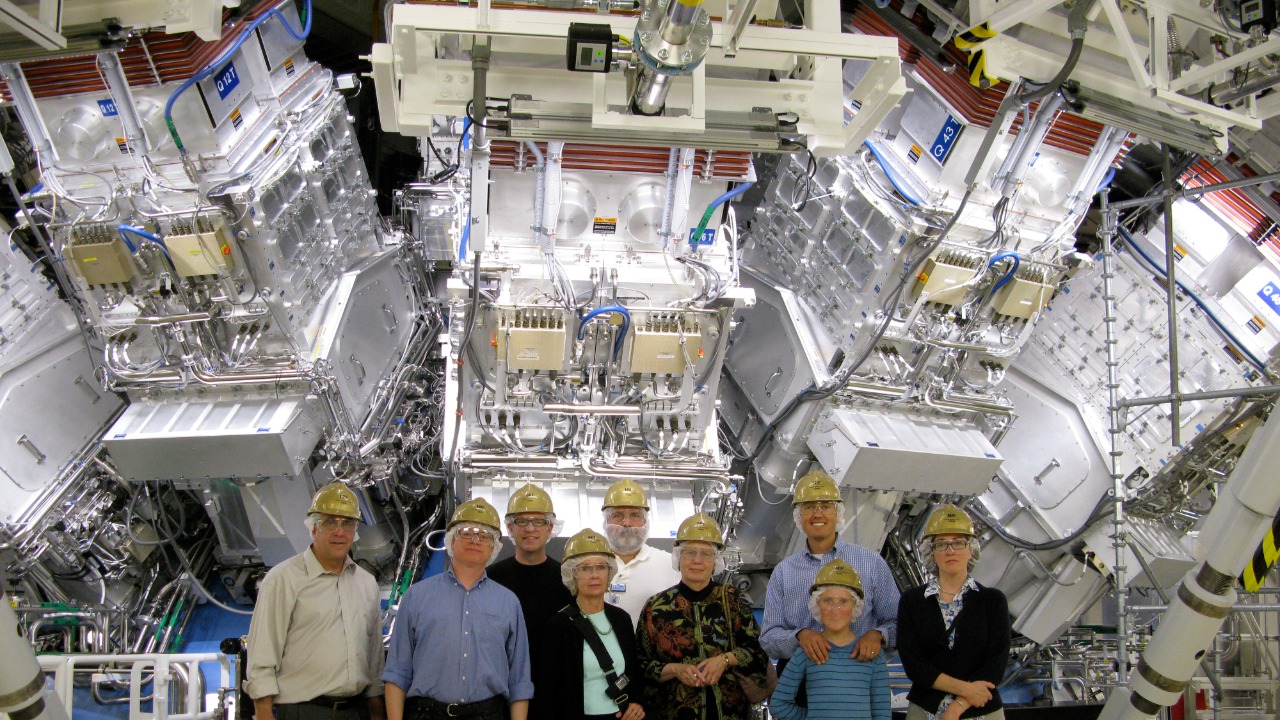
Global collaborations are vital in building on this achievement, with contributions from facilities in Europe and the United States playing a key role in advancing the technology. These partnerships are essential for overcoming the technical and economic challenges associated with fusion energy, ensuring that the pursuit of unlimited energy remains a shared global endeavor. The environmental and economic implications of achieving practical fusion energy are profound, promising a cleaner and more sustainable energy future (Popular Mechanics).
