The F-22 Raptor, once the pinnacle of stealth fighter technology, is reportedly undergoing significant enhancements to become the “F-22 Super.” This development marks a pivotal moment in aerial combat capabilities, promising to redefine air superiority. As geopolitical tensions rise, the modernization of the F-22 could play a crucial role in maintaining strategic advantages.
The Evolution of the F-22 Raptor
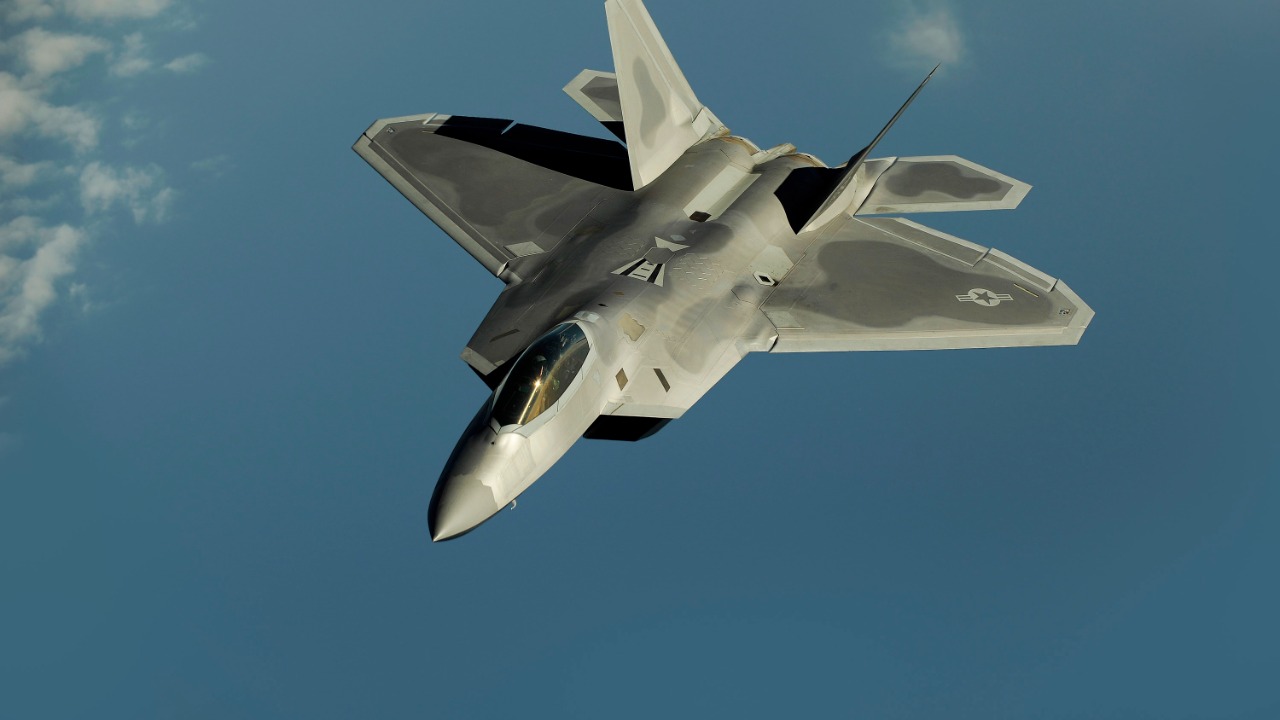
The F-22 Raptor was initially developed during the Cold War era to replace the F-15 as the United States Air Force’s primary air superiority fighter. Its development was guided by the need for a fighter jet that could dominate the skies with unmatched stealth, speed, and agility. Officially introduced in 2005, the F-22 represented a significant leap forward in fighter technology, featuring low observable technology, advanced avionics, and supercruise capabilities.
Over the years, the F-22 has undergone numerous upgrades to maintain its edge over potential adversaries. Key technological advancements include improved radar systems, enhanced electronic warfare capabilities, and upgraded data links that allow it to communicate more effectively with other assets on the battlefield. These improvements have ensured that the F-22 remains a formidable force in modern air forces.
Operationally, the F-22 Raptor has been involved in several critical missions that have cemented its reputation. Notably, it was deployed in Syria and Iraq where it played a significant role in air superiority and precision strikes against high-value targets. Its unmatched stealth capabilities have allowed it to operate in contested environments, providing a strategic advantage in complex combat scenarios.
What Makes the F-22 ‘Super’?
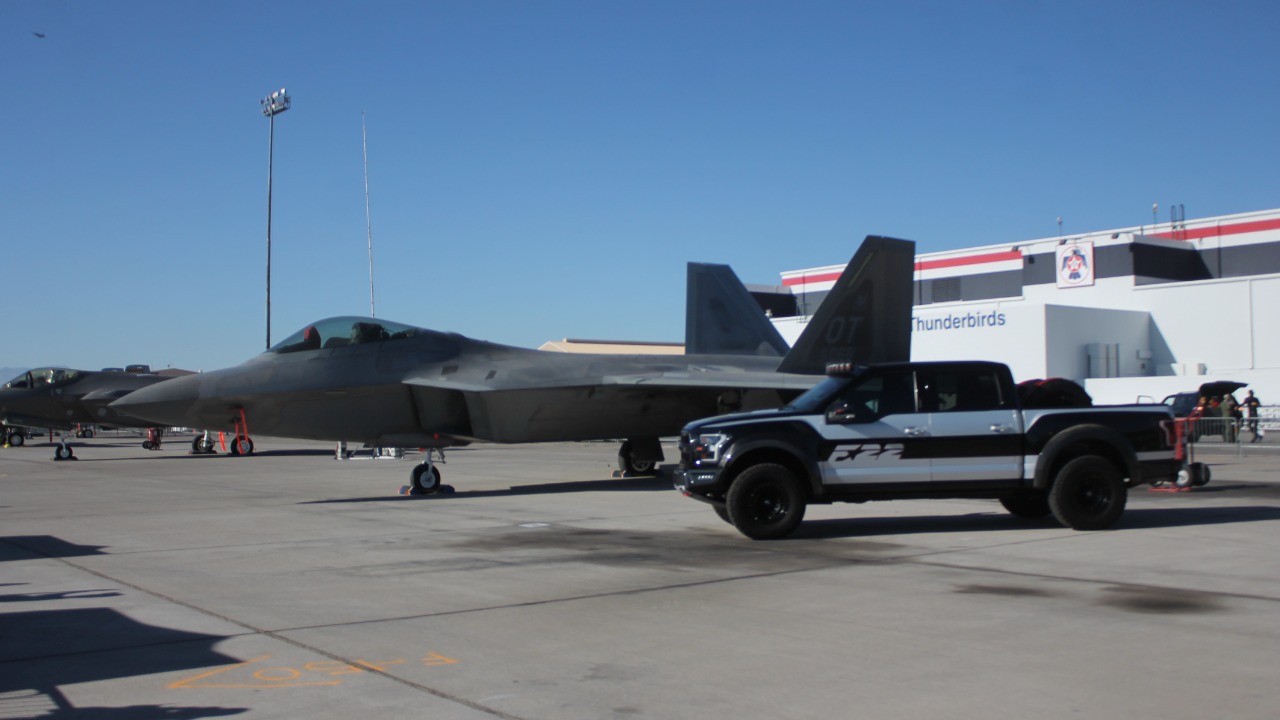
The transformation from the F-22 Raptor to the “F-22 Super” involves a series of enhancements that aim to further solidify the aircraft’s dominance. One of the most significant upgrades is the integration of cutting-edge avionics systems, which will include advanced artificial intelligence to assist pilots in decision-making. The revamped stealth features will make the F-22 Super even more elusive to enemy radar systems.
In addition to avionics, the F-22 Super will benefit from enhanced weaponry, including the ability to carry more advanced missiles and smart bombs. These upgrades will increase the aircraft’s lethality, making it a more versatile tool in various combat scenarios. Furthermore, the F-22 Super will incorporate next-generation technology such as improved sensor fusion, allowing it to gather and process information from multiple sources more efficiently.
When compared to other fighters currently in service or in development, the F-22 Super stands out due to its unparalleled stealth and combat capabilities. While aircraft like the F-35 Lightning II and China’s J-20 possess advanced features, the F-22 Super is expected to maintain a distinct advantage in terms of air superiority and operational flexibility.
Strategic Implications for Global Air Power
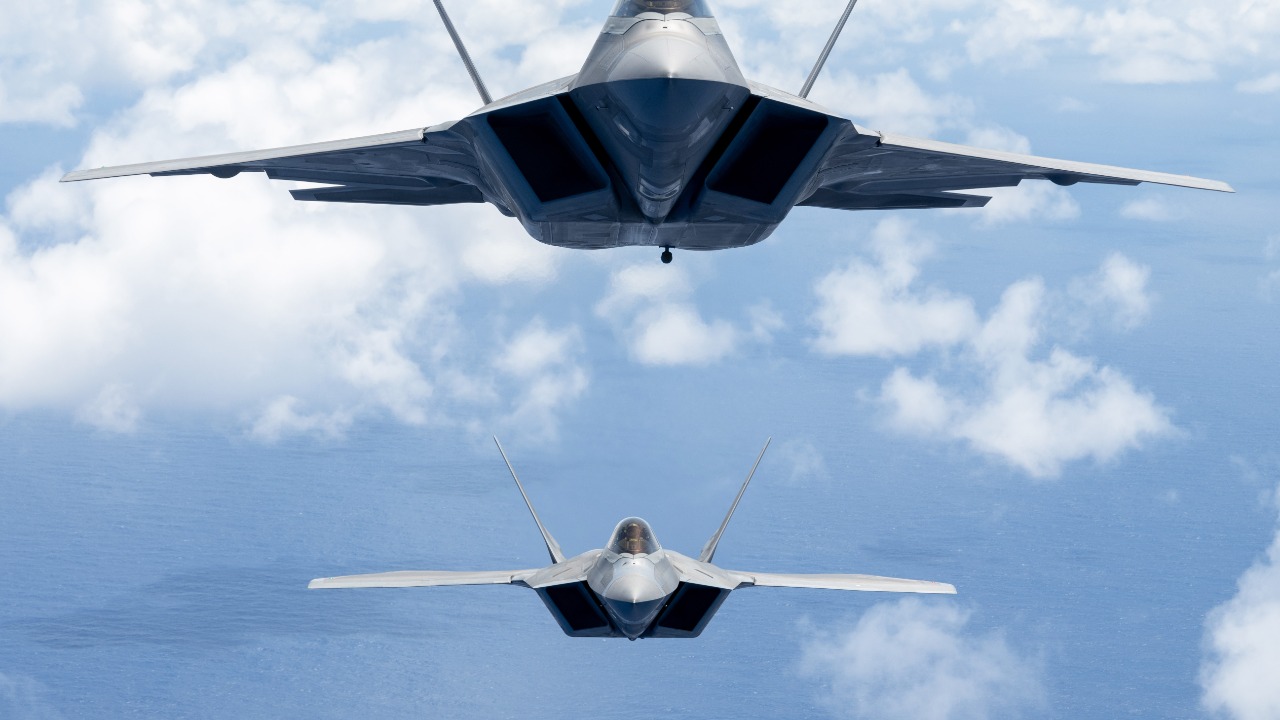
The introduction of the F-22 Super is poised to have significant implications for U.S. military strategy. As a key component of the United States’ air superiority doctrine, the F-22 Super will enhance the country’s ability to project power and maintain control over contested airspace. Its advanced capabilities will enable the U.S. to respond more effectively to emerging threats and adapt to evolving geopolitical landscapes.
Globally, the unveiling of the F-22 Super is likely to prompt other nations to reassess their own air force capabilities. Countries such as Russia and China, who have been investing heavily in their own fifth-generation fighters, may accelerate their development programs to counter the advancements represented by the F-22 Super. This could lead to an arms race in aerial combat technology, as nations strive to achieve parity or superiority.
In hypothetical conflict scenarios, particularly in regions with high tension such as the South China Sea or Eastern Europe, the F-22 Super’s advanced capabilities could play a decisive role. Its ability to operate undetected and deliver precision strikes would be invaluable assets in maintaining strategic advantages and achieving military objectives in these volatile areas.
Challenges and Controversies

Despite the promising capabilities of the F-22 Super, several challenges and controversies surround its development. Financial constraints are a major concern, as the costs associated with upgrading and maintaining the F-22 fleet are significant. The U.S. military must balance the need for advanced aircraft with budgetary limitations, which could impact the scale and speed of the F-22 Super program.
Technological hurdles also pose a challenge, as integrating new systems and features into the existing F-22 framework is a complex task. Ensuring compatibility and reliability of these systems is crucial to the success of the F-22 Super. Additionally, political and ethical considerations are part of the discussion, with debates surrounding military spending and the implications of increased military capabilities.
Critics argue that investing in such advanced weaponry could exacerbate global tensions and divert resources from other critical areas. However, proponents believe that maintaining technological superiority is essential to national security and deterring potential adversaries.
Future Prospects and Next Steps
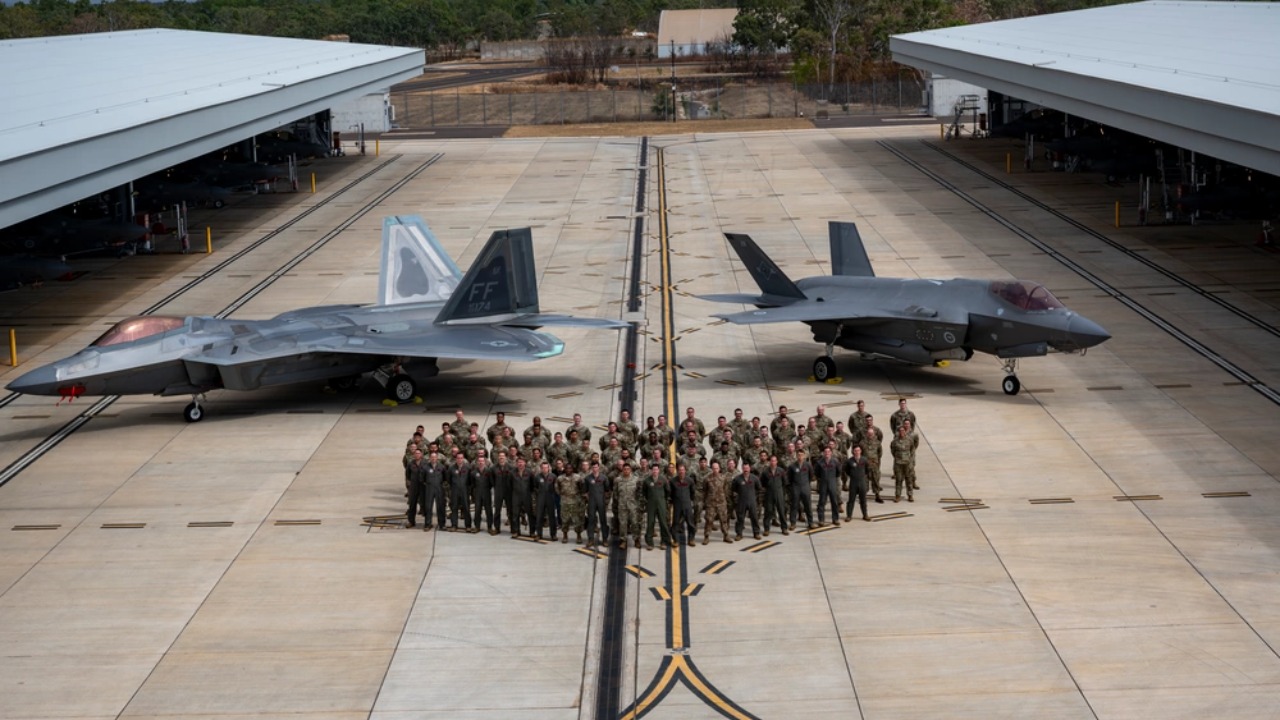
The development and deployment of the F-22 Super are expected to follow a structured timeline, with key milestones including initial testing phases and eventual integration into operational squadrons. While specific dates are not yet publicly available, the program is likely to advance in the coming years as technological solutions are refined and financial resources are allocated.
Looking ahead, the F-22 Super is anticipated to influence the future of air combat significantly. Its advanced capabilities will set a new standard for fighter jets, potentially guiding the development of next-generation aircraft. The U.S. military’s long-term vision for air superiority will likely involve a combination of the F-22 Super and emerging technologies, such as unmanned aerial vehicles and hypersonic weapons.
Opportunities for collaboration with allies and private sector innovation will be crucial in enhancing the F-22 Super program. Partnering with international allies on joint research and development efforts could lead to the sharing of resources and expertise, further advancing the capabilities of the F-22 Super and ensuring it remains at the forefront of aerial combat technology.
