A massive fault line that was long considered dormant is showing signs of activity, raising concerns among scientists and residents alike. Recent seismic events have prompted a re-examination of this geological feature, causing experts to question previous assumptions and consider the potential implications of renewed movement.
The History of the Fault Line

Discovery and Initial Assessment
Decades ago, geologists first identified the fault line based on early geological surveys and mapping. These initial investigations suggested that the fault had not been active for thousands of years. The lack of recent seismic activity led to the conclusion that it was unlikely to pose any significant threat. This assessment resulted in the fault being labeled as “dead,” a term used to describe faults that show no signs of movement and are not expected to produce earthquakes in the foreseeable future.
The confidence in these initial assessments was partly due to the limited technology and understanding available at the time. Without advanced tools to measure subtle ground movements or to analyze historical seismic data comprehensively, scientists had to rely on surface observations and indirect evidence. As a result, the area surrounding the fault was developed with little concern for seismic risks, allowing communities to grow without the burden of earthquake-related building codes.
Revisions in Geological Understanding
In recent years, advances in technology and a deeper understanding of seismic processes have prompted a re-evaluation of many so-called dormant faults. New techniques, such as satellite-based radar and GPS monitoring, have allowed scientists to detect even the slightest ground movements. These methods have revealed that the fault may not be as inactive as once believed. Studies have uncovered subtle shifts in the Earth’s crust along the fault line, suggesting that it could still possess the potential for significant activity.
Geologists have taken particular interest in re-examining the fault, as it challenges previous assumptions about seismic dormancy. By analyzing sedimentary layers and rock formations, researchers have discovered evidence of past earthquakes that were not accounted for in earlier assessments. This new information has sparked renewed interest and concern, leading to a flurry of research aimed at understanding the fault’s true nature and potential impact.
Recent Seismic Activity

Notable Earthquakes and Tremors
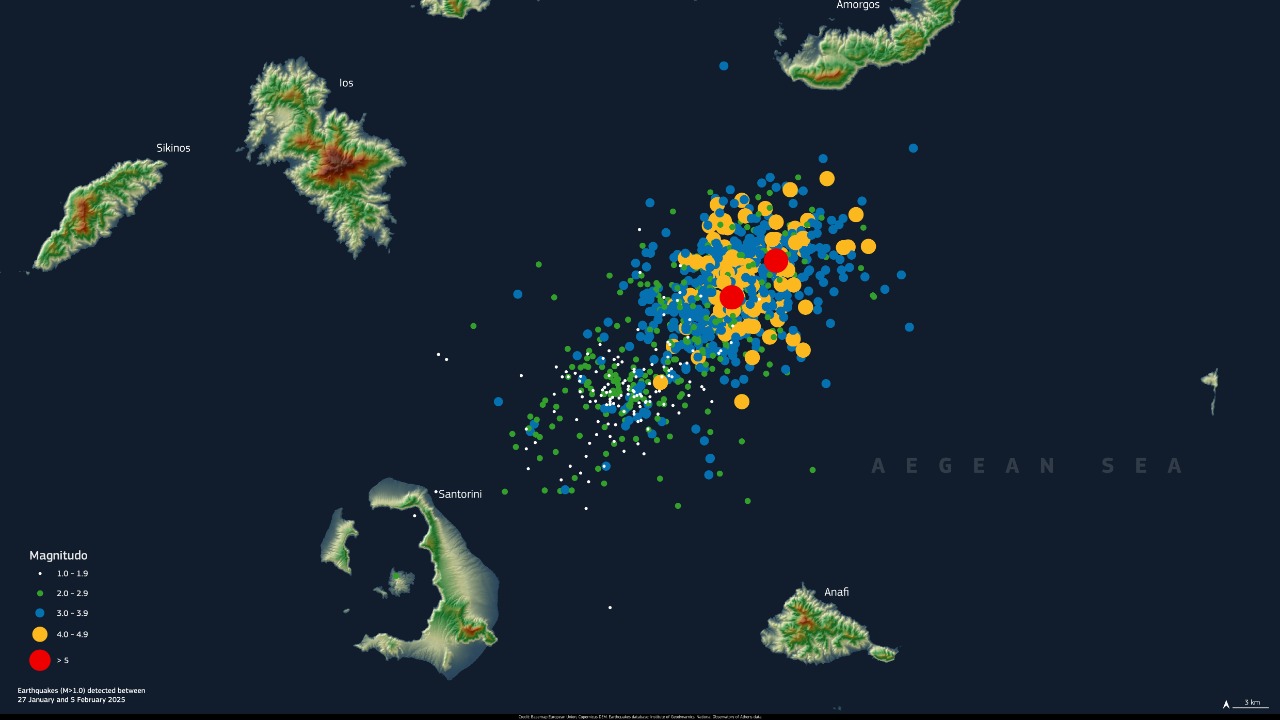
In the past few years, a series of small to moderate earthquakes have been recorded near the fault line. These events, while not devastating by themselves, have raised eyebrows among seismologists. The increased frequency and intensity of these tremors suggest that the fault may be experiencing a period of reactivation. Experts are closely monitoring these developments, as they could indicate the buildup of stress along the fault, potentially leading to a larger seismic event.
Monitoring stations have been set up to provide real-time data on seismic activity, allowing scientists to observe the fault’s behavior more closely. This data is crucial for identifying patterns and predicting future earthquakes. While the recent tremors have not caused significant damage, they serve as a reminder of the latent power beneath the Earth’s surface and the need for vigilance in seismic regions.
Implications for Local Communities
The proximity of the fault line to populated areas has raised safety concerns among residents and local authorities. Communities that were once deemed safe from seismic threats are now reevaluating their level of preparedness. As a result, emergency preparedness measures are being revisited and updated in light of the new data. Local governments are advising residents to review their emergency plans, ensure their homes are earthquake-resistant, and participate in community drills.
The potential for a significant earthquake also has implications for infrastructure and public services. Bridges, roads, and utilities may be vulnerable to damage in the event of a major quake. Authorities are working to assess these vulnerabilities and implement measures to strengthen critical infrastructure. Public awareness campaigns are being launched to educate communities about the risks and encourage proactive measures to enhance safety and preparedness.
Scientific Investigations and Theories
Current Research Efforts
To gain a better understanding of the fault’s behavior, researchers are deploying advanced equipment to study its movements in real time. These efforts involve a collaborative approach, with universities and government agencies joining forces to map out potential future scenarios. The goal is to develop a comprehensive model of the fault’s activity, which can be used to predict and prepare for future seismic events.
One of the key tools in this research is the use of satellite-based radar to monitor ground deformation. This technology provides precise measurements of surface movements, allowing scientists to detect even the slightest shifts in the Earth’s crust. By analyzing this data, researchers can identify areas of increased stress and assess the likelihood of future earthquakes.
Theories on Fault Reactivation
Geologists are exploring various hypotheses to explain why the fault might be reactivating. One possibility is that the fault is experiencing a natural cycle of activity, where periods of dormancy are followed by phases of increased movement. This cyclical behavior has been observed in other faults around the world and could be a natural part of the fault’s evolution.
Another theory suggests that external influences, such as changes in groundwater levels or human activities like mining and reservoir-induced seismicity, could be contributing to the fault’s reactivation. Understanding these mechanisms is crucial for predicting future activity and developing effective mitigation strategies. By identifying the factors that trigger fault movement, scientists can improve their models and provide more accurate forecasts of seismic events.
Potential Impacts and Preparedness
Risk Assessment and Mitigation Strategies
As the understanding of the fault’s activity evolves, scientists are working to update risk assessments and provide recommendations for infrastructure resilience. This involves evaluating the potential impact of a major earthquake on buildings, transportation networks, and public services. By identifying vulnerabilities and implementing mitigation strategies, authorities can reduce the risk of damage and ensure the safety of communities.
One of the key aspects of preparedness is public awareness. Campaigns are being launched to educate residents about earthquake preparedness, including steps they can take to protect themselves and their families. These initiatives emphasize the importance of having an emergency plan, securing heavy items in homes, and knowing how to respond during an earthquake. By fostering a culture of preparedness, communities can enhance their resilience and minimize the impact of future seismic events.
Policy and Planning Considerations
The potential reactivation of the fault line has prompted local governments to revisit land use and building codes. By integrating the latest scientific findings into urban development and emergency response frameworks, authorities aim to create safer and more resilient communities. This includes revising construction standards to ensure that new buildings can withstand seismic forces and retrofitting existing structures to improve their earthquake resistance.
Long-term planning also involves developing strategies to manage population growth and infrastructure development in areas at risk of seismic activity. By carefully considering the location and design of new developments, planners can reduce the exposure of communities to earthquake hazards. These efforts are crucial for ensuring the safety and sustainability of regions that may be affected by the fault’s reactivation.
In conclusion, the renewed interest in the fault line highlights the importance of ongoing research and preparedness. By leveraging the latest technologies and collaborating across disciplines, scientists and policymakers can better understand the risks and develop effective strategies to protect communities from the threat of earthquakes. As the fault continues to stir, vigilance and proactive measures will be essential to safeguard lives and property.
