Astronomers have recently identified a colossal “Great Wave” coursing through the Milky Way, causing thousands of stars to deviate from their orbital paths and reshaping the galaxy’s structure. This ripple effect, as detailed in recent astronomical analysis, underscores the dynamic forces at work within our stellar neighborhood. The phenomenon also brings to light ongoing instabilities in the galaxy’s disk, sparking fresh inquiries into the nature of cosmic movements.
Discovery of the Great Wave
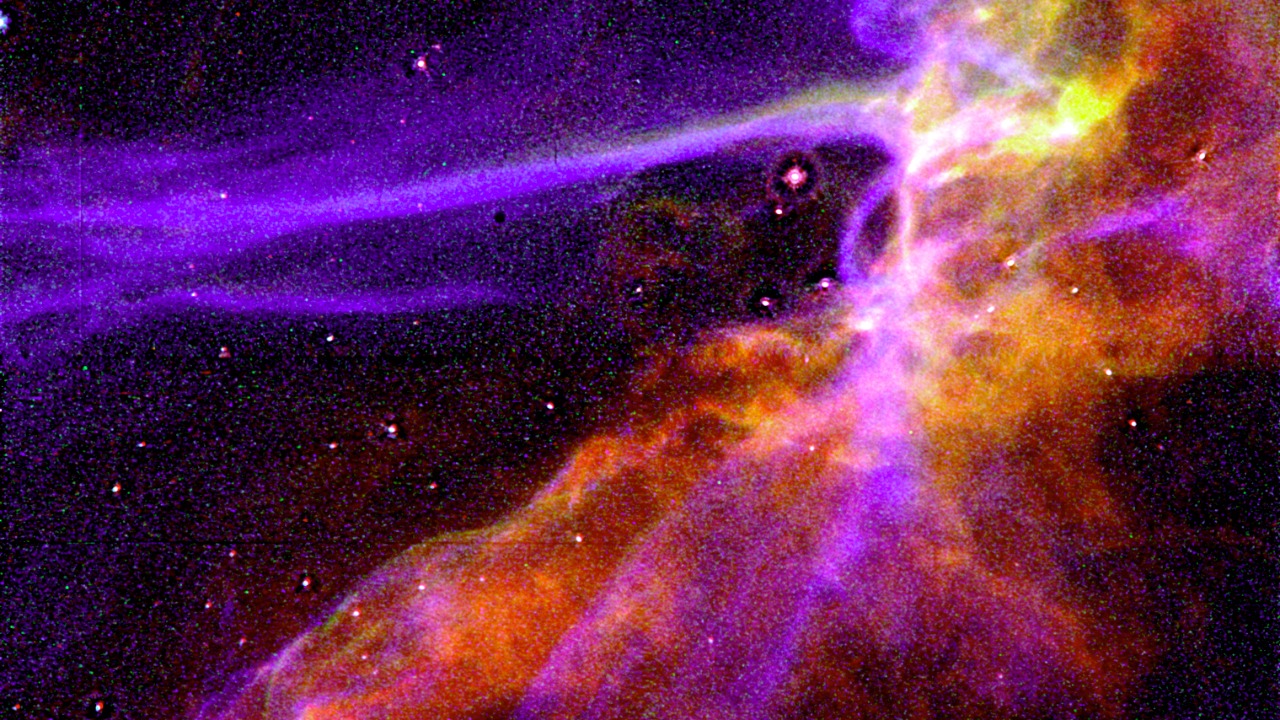
The initial observations that unveiled the existence of the Great Wave were derived from galactic surveys that indicated anomalous stellar velocities. These surveys revealed a pattern of star movements that didn’t align with the expected rotational dynamics of the galaxy. The timeline of the detection process culminated in a key analysis conducted in October 2025, which confirmed the scale of the ripple effect. This analysis was made possible by the use of specific telescopes and datasets that allowed astronomers to map the wave’s propagation through the galaxy.
The discovery of the Great Wave was a significant milestone in the field of astronomy. The initial observations were made possible by advanced astronomical instruments and techniques that have revolutionized our understanding of the cosmos. The data collected from these observations was meticulously analyzed, leading to the identification of the wave. The process of discovery was a testament to the power of modern astronomy and the relentless pursuit of knowledge by scientists worldwide.
Furthermore, the discovery of the Great Wave was not an isolated event. It was the culmination of years of research and observation, building upon previous discoveries and theories. The detection of the wave has opened up new avenues for research, with scientists now keen to explore its implications and potential causes. The discovery of the Great Wave is a reminder of the vastness of the universe and the endless possibilities for exploration and discovery.
Nature of the Phenomenon
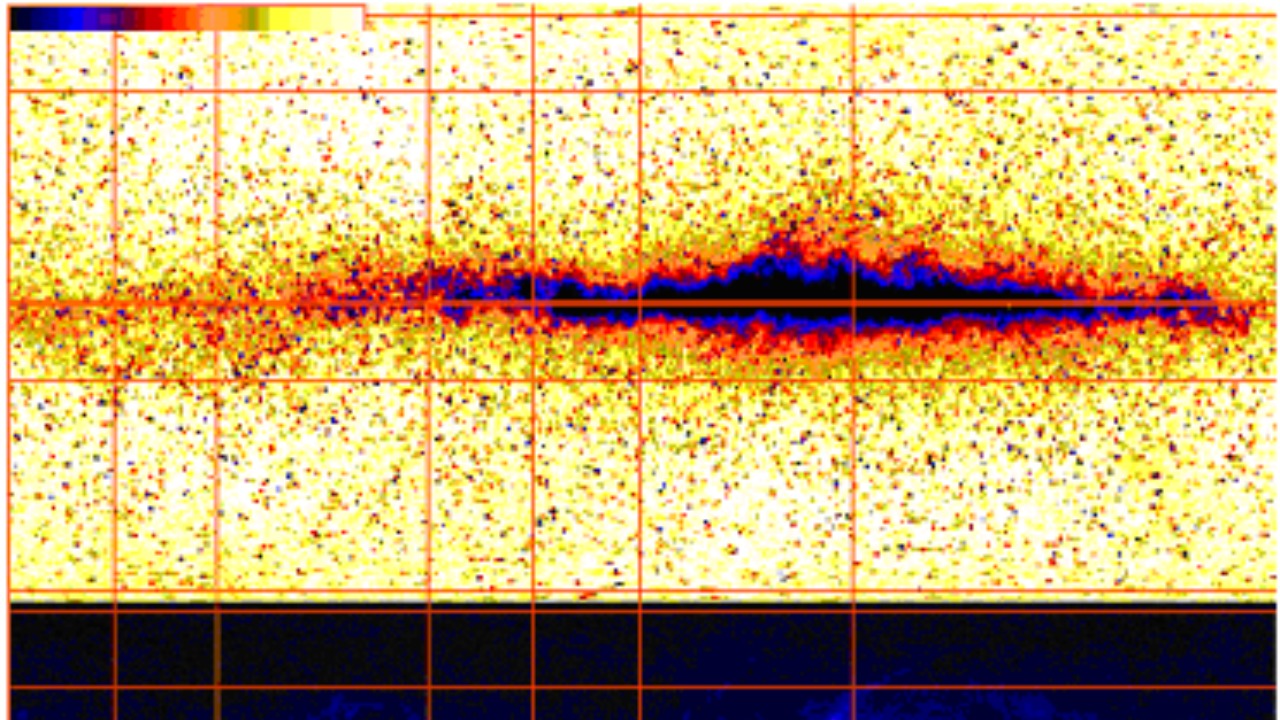
The “Great Wave” is characterized as a ripple in the galactic disk that disrupts stellar positions across vast distances. It manifests as density waves or gravitational perturbations, affecting the rotational dynamics of the galaxy. This wave is unlike any known galactic structures, such as spiral arms, making it a unique phenomenon in our understanding of the Milky Way.
The Great Wave is a phenomenon that has captured the attention of astronomers due to its unique characteristics. It is a ripple in the galactic disk, a feature that is not commonly observed in galaxies. This wave is not a static structure, but a dynamic entity that is constantly changing and evolving. It is a testament to the complexity and dynamism of the universe.
The wave is characterized by its impact on the rotational dynamics of the galaxy. It disrupts the usual patterns of stellar movement, causing a ripple effect that can be observed across vast distances. This disruption is not random, but follows a specific pattern that is indicative of the wave’s nature. The Great Wave is a fascinating phenomenon that continues to intrigue astronomers and challenge our understanding of the cosmos.
Impact on Stars
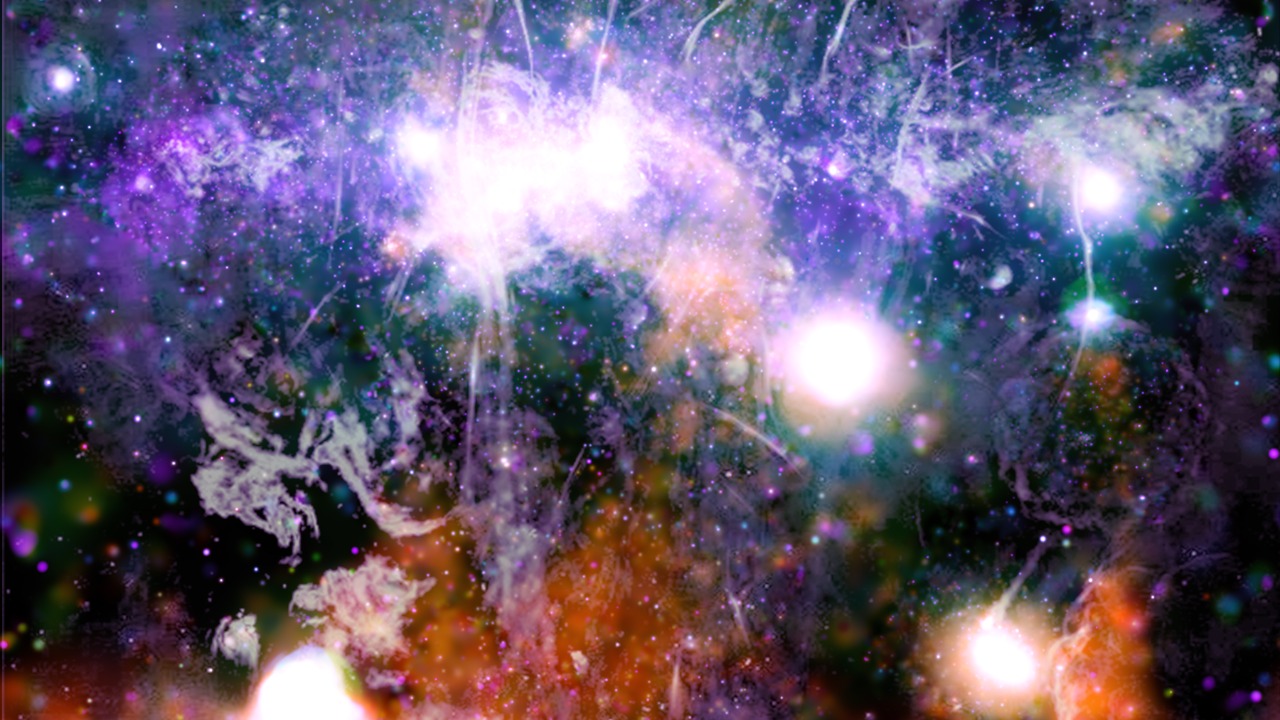
The Great Wave has caused the displacement of thousands of stars, pushing them out of their equilibrium orbits in the galactic plane. This displacement is not uniform, with some stars being affected more than others. For instance, older stars in the galactic disk are being ejected towards the halo, a region surrounding the galaxy. The ripple effect has both short-term and long-term implications on stellar trajectories, including potential changes in binary systems or clusters.
The impact of the Great Wave on stars is profound and far-reaching. The wave has caused a significant displacement of stars, altering their usual orbits and trajectories. This displacement is not a one-time event, but a continuous process that is still ongoing. The wave’s influence extends beyond individual stars, affecting entire star clusters and potentially even galaxies.
Moreover, the impact of the Great Wave is not uniform across all stars. Some stars are more affected than others, with older stars being particularly susceptible to displacement. This differential impact is likely due to variations in the stars’ mass, age, and location within the galaxy. The Great Wave’s impact on stars provides valuable insights into the dynamics of stellar movement and the forces at play in the cosmos.
Causes Behind the Wave
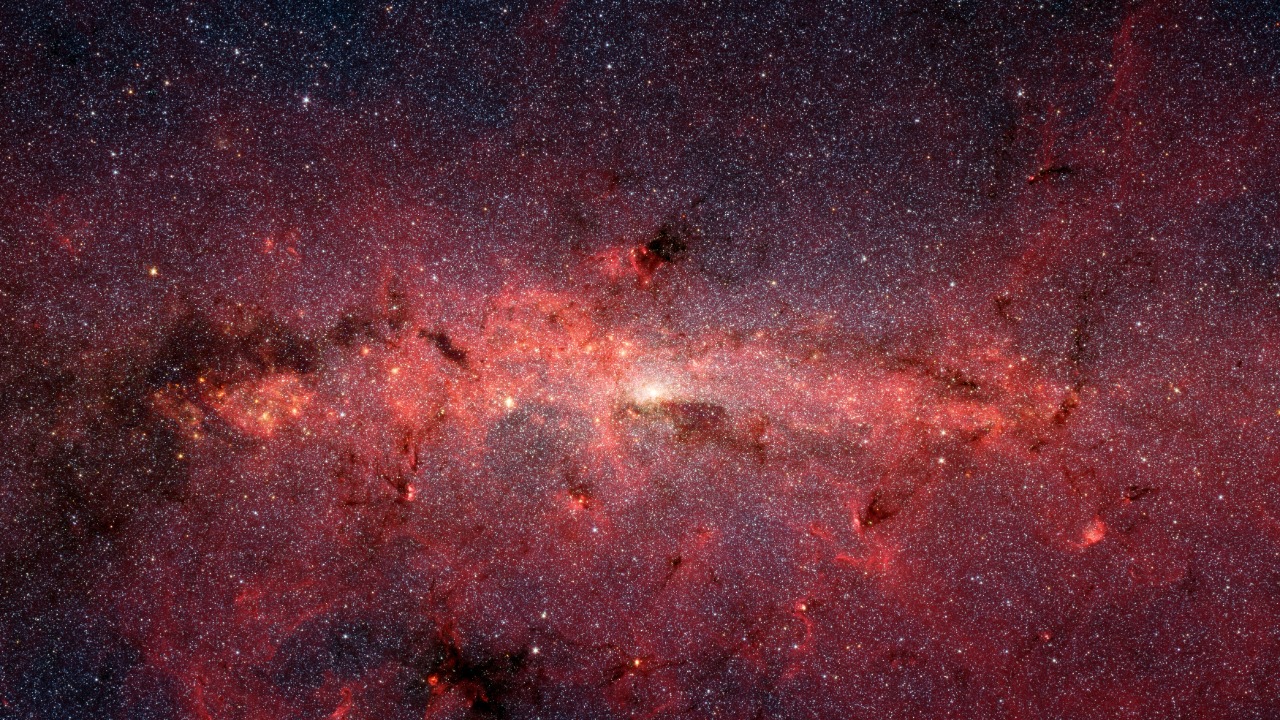
Several factors could have triggered the Great Wave. Interactions with satellite galaxies or variations in dark matter distributions are potential initiators of such ripples. Gravitational instabilities in the Milky Way’s disk are also considered a primary mechanism driving the wave’s propagation. Simulations and models that recreate the wave’s origin link it to broader galactic evolution processes, providing insights into the dynamic nature of our galaxy.
The causes behind the Great Wave are still a subject of ongoing research. Several theories have been proposed, including interactions with satellite galaxies and variations in dark matter distributions. These theories are based on our current understanding of the universe and the forces that govern it. However, they are yet to be definitively proven or disproven.
Gravitational instabilities in the Milky Way’s disk are another potential cause of the wave. These instabilities could be triggered by a variety of factors, including the galaxy’s rotation, the distribution of mass within the galaxy, and external influences such as nearby galaxies or cosmic radiation. The exact cause of the Great Wave remains a mystery, but ongoing research and observations are expected to shed more light on this intriguing phenomenon.
Observational Evidence
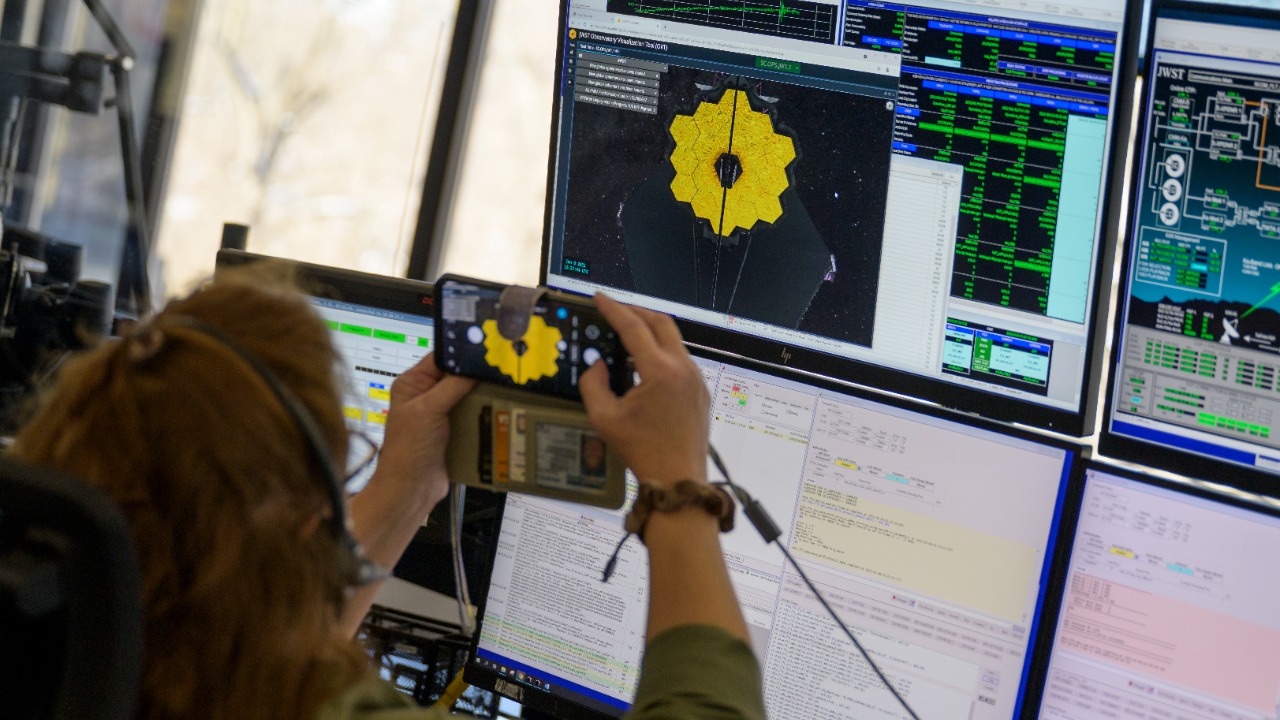
Spectroscopic data has provided evidence of the Great Wave’s impact, showing velocity shifts in thousands of stars displaced by the wave. Imaging techniques have also been employed to visualize the ripple’s path through the galaxy’s structure. However, observing the phenomenon is not without challenges. Interstellar dust, for instance, can obscure views of affected regions, making it difficult to fully grasp the extent of the wave’s influence.
The observational evidence for the Great Wave is compelling. Spectroscopic data has shown velocity shifts in thousands of stars, providing clear evidence of the wave’s impact. This data has been corroborated by imaging techniques, which have visualized the ripple’s path through the galaxy’s structure. These observations provide a tangible representation of the wave and its effects on the galaxy.
However, observing the Great Wave is not without its challenges. Interstellar dust can obscure views of affected regions, making it difficult to fully understand the extent of the wave’s influence. Despite these challenges, astronomers continue to gather and analyze data in an effort to better understand the Great Wave and its implications for our understanding of the universe.
Implications for Galactic Dynamics
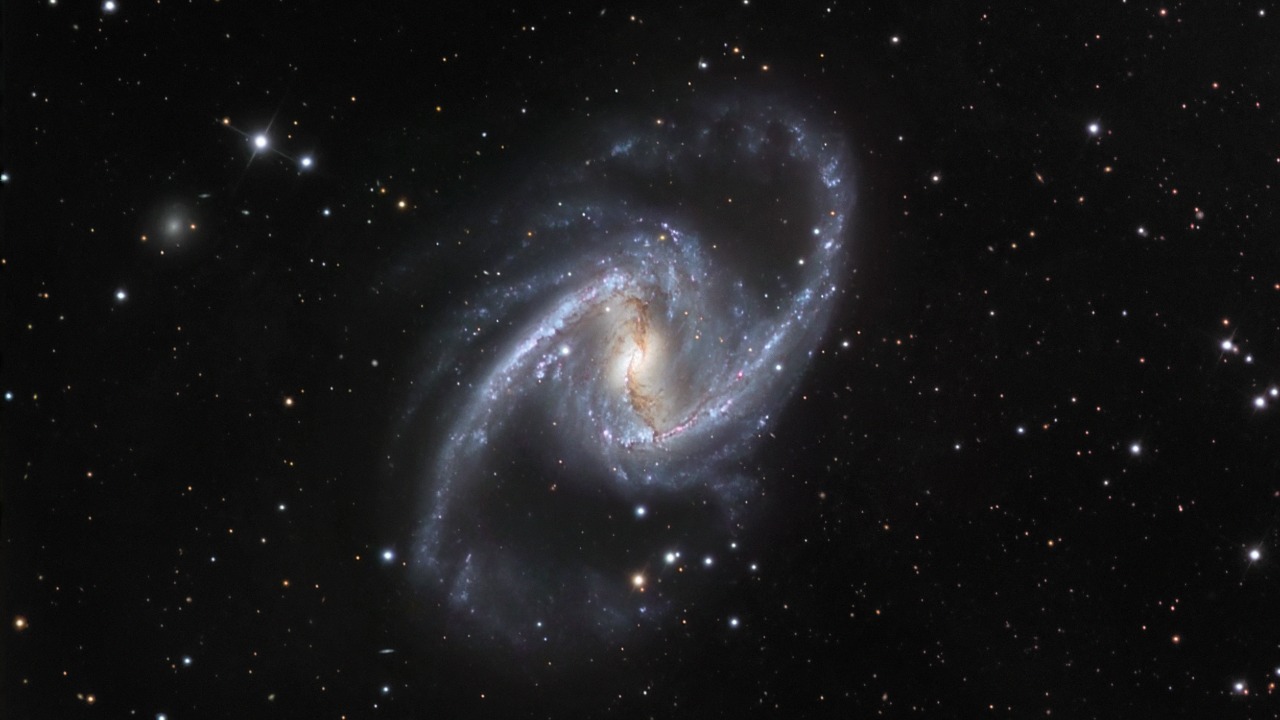
The discovery of the Great Wave has significant implications for our understanding of galactic dynamics. It suggests that the galaxy’s spiral structure is not static, but dynamic and constantly changing. This dynamism could potentially trigger star formation in perturbed areas, leading to the creation of new stars and possibly even galaxies. The ripple effect also provides a glimpse into future stellar migrations within our galaxy, offering a new perspective on the cosmic dance of stars.
Furthermore, the discovery of the Great Wave challenges our understanding of the stability and evolution of the Milky Way. It suggests that the galaxy is not a static entity, but a dynamic system that is constantly evolving and changing. This has profound implications for our understanding of the universe and the forces that shape it. The discovery of the Great Wave is a significant step forward in our quest to understand the cosmos.
Source: Live Science
