
Artificial Intelligence (AI) is being harnessed by researchers and businesses to unlock a wealth of data across diverse sectors. This data, drawn from power utilities, botanical collections, public sector banks, and retail stores, is leading to increased efficiency, new insights, and the potential for vast improvements in various industries.
Unlocking Energy Efficiency for AI

AI is playing a pivotal role in optimizing power consumption without the need for additional infrastructure. According to a report by the World Economic Forum, AI can be used to manage and reduce power demand, thereby increasing energy efficiency. This not only contributes to sustainability but also enhances the growth and scalability of AI applications. The potential impact of this increased efficiency is immense, with the possibility of transforming the energy sector and reducing its environmental footprint.
Further elaborating on the World Economic Forum’s report, AI’s role in energy efficiency extends to smart grids. These grids, powered by AI, can predict and manage energy demand in real-time, reducing wastage and optimizing usage. AI can also facilitate the integration of renewable energy sources into these grids, making them more sustainable. Moreover, AI can help in predictive maintenance of power infrastructure, identifying potential issues before they become critical, thereby reducing downtime and increasing operational efficiency. The application of AI in energy management also extends to buildings and homes, where it can optimize energy use based on occupancy and usage patterns, contributing to significant energy savings.
Leveraging Time-Series Data

Time-series data, a type of data that changes over time, holds immense potential for AI. Google’s research team has been exploring the power of time-series data and how multimodal models can unlock this data for AI, as detailed in their blog post. These models can analyze and interpret complex patterns in time-series data, leading to more accurate predictions and insights. The potential applications and benefits of utilizing time-series data in AI are vast, ranging from predicting stock market trends to forecasting weather patterns.
Google’s research team, in their exploration of time-series data, has also highlighted the potential of AI in healthcare. By analyzing time-series data from medical records, AI can predict disease progression and patient outcomes, enabling timely interventions. In finance, time-series data can be used to detect fraudulent transactions in real-time, enhancing security. In the field of agriculture, AI can analyze time-series data from weather patterns and soil conditions to optimize crop yields. Furthermore, in the realm of social media, AI can analyze time-series data to understand user behavior and trends, enabling more targeted advertising and content recommendations. Thus, the potential of time-series data in AI extends across various sectors, driving innovation and efficiency.
Botanical Data and AI
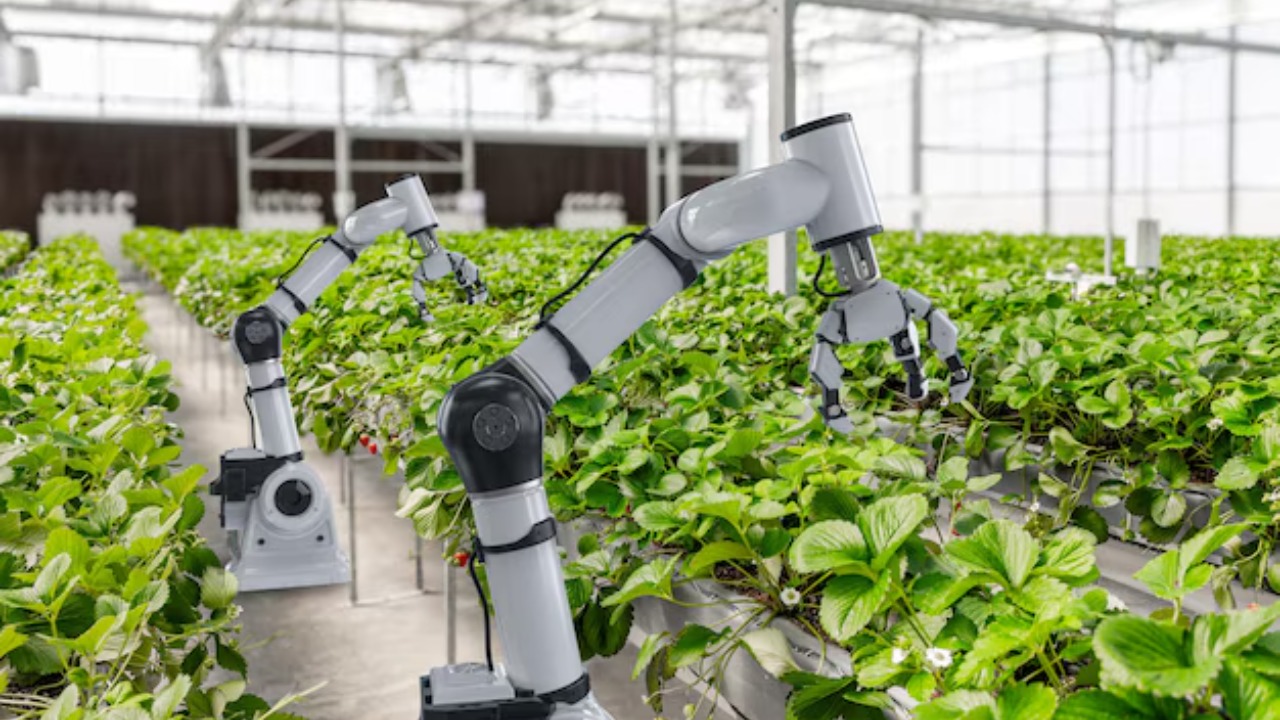
AI is also being used to unlock data held in herbarium collections, as reported by The Conversation. These collections, which contain preserved plant specimens, hold a wealth of data that can be used for botanical research and conservation efforts. By digitizing and analyzing this data, AI can provide valuable insights into plant species, their distribution, and their evolution over time. This could potentially revolutionize botanical research and contribute significantly to conservation efforts.
As The Conversation points out, the use of AI in analyzing herbarium collections extends beyond research and conservation. AI can help in identifying and cataloging new species, a task that is time-consuming and requires expert knowledge. It can also help in understanding the impact of climate change on plant species by analyzing changes in their distribution and characteristics over time. Furthermore, AI can assist in predicting the spread of invasive species and plant diseases, enabling proactive measures to protect ecosystems. The use of AI in botanical research can also extend to agriculture, where it can help in developing new crop varieties and improving crop yields, thereby contributing to food security.
AI in Public Sector Banks

Public sector banks are leveraging data and AI to predict, prescribe, and prosper. According to the Economic Times, AI is being used to analyze vast amounts of data to predict customer behavior, prescribe solutions, and drive growth. This has led to significant improvements in the banking industry, including enhanced customer service, reduced risk, and increased profitability.
The Economic Times highlights that AI’s role in public sector banks is not limited to predicting customer behavior and driving growth. AI can also enhance risk management by predicting loan defaults and identifying fraudulent transactions. It can also automate routine tasks, freeing up staff to focus on more complex tasks and improving operational efficiency. AI can also provide personalized financial advice to customers based on their financial history and goals, enhancing customer satisfaction. Furthermore, AI can help in regulatory compliance by automating the monitoring and reporting of transactions, reducing the risk of non-compliance and associated penalties. Thus, AI is transforming public sector banks, making them more efficient, secure, and customer-centric.
Real-Time Data Analytics in Retail
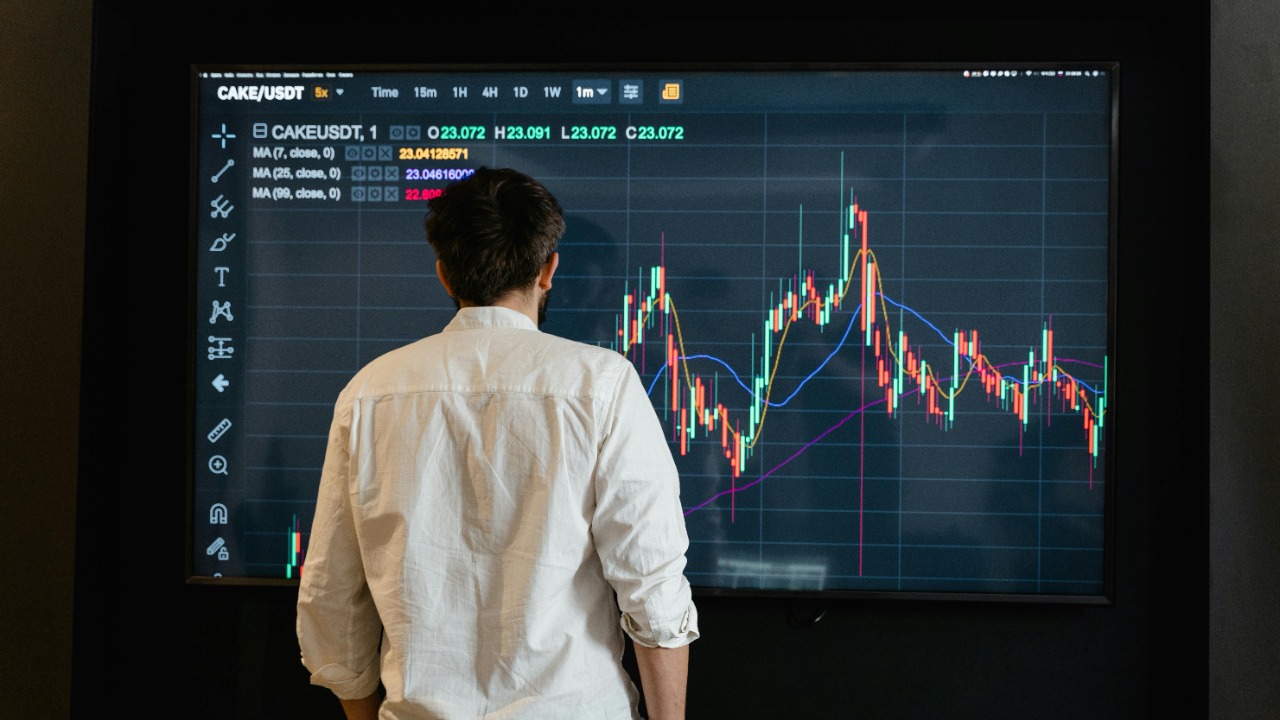
The retail industry is also benefiting from the power of AI and data analytics. RADAR, a leading AI company, has launched an advanced data analytics platform aimed at unlocking real-time intelligence in stores, as reported by the Retail Tech Innovation Hub. This platform enables retailers to analyze customer behavior in real-time, leading to more personalized customer experiences and improved business performance. The potential impact of this platform on the retail industry is significant, with the possibility of transforming the way retailers operate and interact with their customers.
As reported by the Retail Tech Innovation Hub, RADAR’s AI-powered data analytics platform has far-reaching implications for the retail industry. Beyond analyzing customer behavior in real-time, the platform can also predict future buying patterns, enabling retailers to optimize their inventory and reduce wastage. It can also help in identifying trends and preferences, enabling retailers to tailor their product offerings and marketing strategies. Furthermore, the platform can enhance store operations by predicting peak times and optimizing staff scheduling. It can also provide real-time feedback on store layouts and product placements, enabling continuous improvement. Thus, AI is not just transforming customer experiences in retail, but also driving operational efficiency and business growth.
