A new island has emerged overnight in Alaska’s Lake, captivating both scientists and locals. This sudden formation has revealed a glacial mystery that underscores rapid environmental shifts. The appearance of this island serves as a stark reminder of the alarming effects of climate change, highlighting the urgency of understanding and addressing ongoing glacial dynamics.
Discovery of the Island

The sudden appearance of the new island in Alaska’s Lake was first detected by locals and confirmed by satellite imagery. Eyewitness accounts and early reports confirm the island’s formation without any prior warning. This unexpected event has sparked curiosity and concern among the local community and the scientific world alike. source
The physical characteristics of the island upon emergence have also been described. The island’s size, composition, and location within the lake have been documented, providing valuable data for scientists studying this phenomenon and its implications for our understanding of climate change. source
Further details about the island’s discovery reveal that it was first spotted by a local fisherman early in the morning. The fisherman, who was out on the lake, noticed an unusual formation that wasn’t there the previous day. He alerted the local authorities, who then confirmed the existence of the new island. This discovery has led to an influx of interest from both local and international media, further highlighting the significance of this event. source
Initial investigations into the island’s composition reveal a mix of glacial ice and sediment. This suggests that the island’s formation is likely a result of glacial processes, a theory that has been supported by glaciologists studying the event. The island’s unique formation has provided a rare opportunity for scientists to study these processes in real-time, offering valuable insights into the effects of climate change on our environment. source
NASA’s Monitoring Efforts
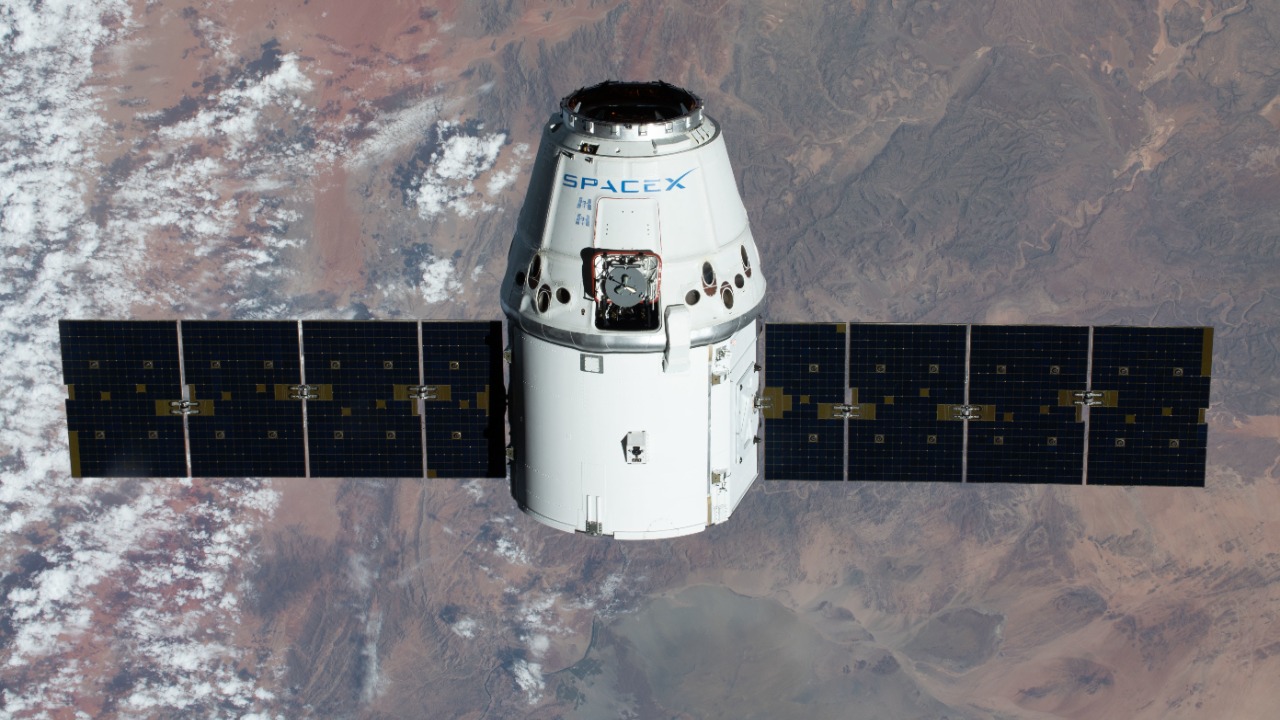
NASA has played a crucial role in tracking the formation of the new island in Alaska. Using advanced satellite technology and data analysis, the agency has been able to document the island’s development. This has provided invaluable insights into the processes behind its formation. source
Specific methods employed by NASA, such as remote sensing and time-lapse imagery, have been instrumental in monitoring the island’s emergence. These techniques have allowed scientists to observe the island’s development in real-time, contributing to our understanding of the glacial mystery unfolding around the island. source
NASA’s Earth Observing System Data and Information System (EOSDIS) has been instrumental in providing high-resolution images of the island. These images have been used to analyze the island’s size, shape, and changes over time. The data collected has been shared with the scientific community, contributing to a collective understanding of the island’s formation and the environmental factors at play. source
Moreover, NASA’s involvement has extended beyond monitoring. The agency has also been actively communicating its findings to the public, ensuring that the significance of this event is understood. This has involved explaining the scientific processes behind the island’s formation and the potential implications for our understanding of climate change. This commitment to public education underscores NASA’s role in fostering a broader understanding of our planet’s changing environment. source
Glacial Processes Involved
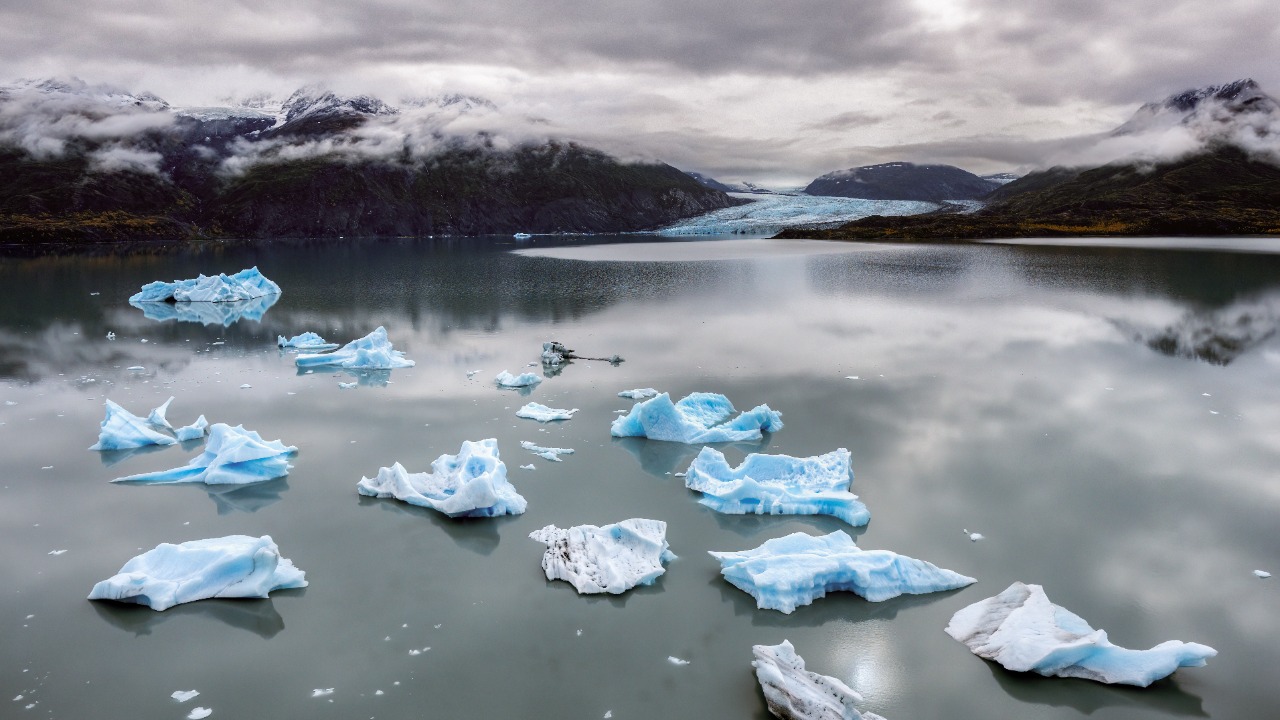
The geological mechanisms behind the island’s emergence are directly linked to glacial retreat or calving in Alaska’s Lake. These processes, which involve the breaking off of large chunks of ice from glaciers, can lead to the formation of new landmasses. source
Glacial dynamics, such as ice melt or sediment displacement, have been identified as key factors leading to the overnight formation of the new island. Similar glacial events in Alaska have been observed in the past, further supporting this explanation. source
Further analysis of the glacial processes involved in the island’s formation reveals a complex interplay of factors. The island’s emergence is thought to be a result of a process known as ‘glacial rebound’. This occurs when the weight of a glacier decreases due to melting, causing the land beneath to rise. This process, combined with the displacement of sediment by the retreating glacier, may have contributed to the island’s sudden appearance.source
Additionally, the role of underwater currents in shaping the island’s formation has been highlighted. These currents, driven by temperature and salinity differences in the lake, can move sediment and ice, potentially contributing to the formation of new landmasses. This complex interplay of glacial and aquatic processes underscores the intricacy of our planet’s natural systems and their sensitivity to environmental changes.source
Climate Change Connections
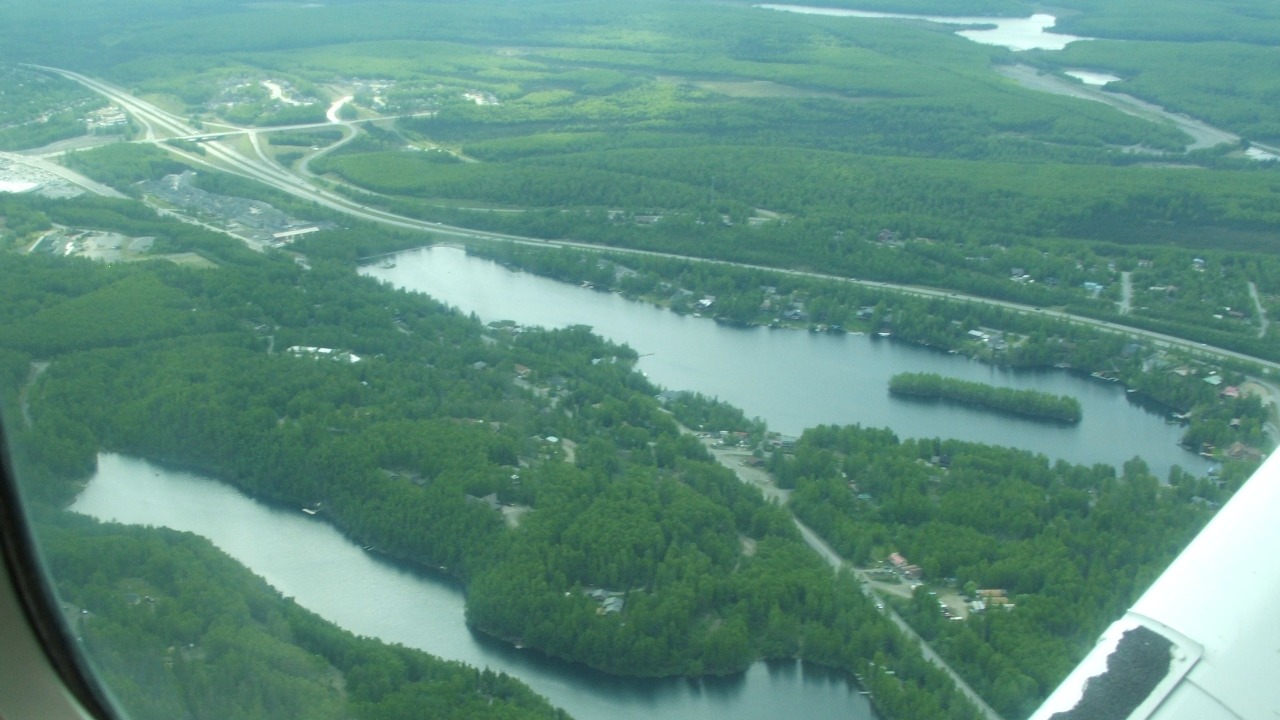
The newly emerged island in Alaska serves as a direct indicator of alarming climate change effects. This includes accelerated warming trends, which have been linked to increased glacial retreat and the formation of new landmasses. source
Temperature and ice loss metrics from recent reports correlate with the island’s formation and broader environmental impacts. These findings underscore the urgent need for action to mitigate the effects of climate change. source
The emergence of the new island is not an isolated event. It is part of a broader pattern of environmental changes linked to climate change. Rising global temperatures have led to increased rates of glacial melt, contributing to the retreat of glaciers worldwide. This process, in turn, can lead to the formation of new landmasses, as witnessed in Alaska’s Lake. source
Furthermore, the island’s formation serves as a tangible example of the impacts of climate change on local ecosystems. Changes in land formations can disrupt local wildlife habitats and alter the balance of local ecosystems. This event serves as a stark reminder of the interconnectedness of our planet’s systems and the far-reaching impacts of climate change. source
Scientific and Local Responses

Glaciologists and climate experts have interpreted the new island’s appearance as part of a larger glacial mystery. Their analyses provide valuable insights into the processes behind the island’s formation and the broader implications for our understanding of climate change. source
Local communities affected by the sudden change in the lake’s geography have also responded to the event. Their perspectives highlight the immediate and tangible impacts of climate change on local ecosystems. source
Scientists worldwide have expressed interest in the island’s formation, viewing it as a unique opportunity to study glacial processes and climate change impacts. Research teams from various institutions have expressed interest in conducting field studies on the island, aiming to gather more data and improve our understanding of such phenomena. source
Local communities, on the other hand, have expressed mixed feelings about the island’s emergence. While some view it as a fascinating natural event, others are concerned about the potential impacts on local wildlife and fishing activities. These responses highlight the diverse perspectives on climate change impacts and the need for ongoing dialogue and education. source
Future Implications and Research

As glacial retreat in Alaska continues, ongoing changes to the island’s stability are expected. NASA plans to conduct follow-up studies to monitor these changes and further unravel the glacial mystery. source
This event has significant implications for climate policy and conservation strategies in Alaska. It serves as a stark reminder of the urgent need for action to mitigate the effects of climate change and protect our planet for future generations. source
The island’s emergence has raised questions about the future of Alaska’s Lake and its surrounding ecosystems. Scientists predict that if current climate trends continue, similar events could occur in the future. This has implications for local wildlife, fishing industries, and the overall health of the lake’s ecosystem. Ongoing research and monitoring are crucial to understanding these potential impacts and developing strategies to mitigate them. source
Moreover, the island’s formation has underscored the need for comprehensive climate policies. This includes efforts to reduce greenhouse gas emissions, promote sustainable practices, and invest in climate research. The event serves as a reminder of the urgency of these actions, not just for Alaska, but for the global community as we collectively face the challenges of climate change. source
