
A groundbreaking space elevator design has recently been awarded a significant grant, marking a pivotal step forward in the realm of space exploration and infrastructure. This innovative concept, which has long been a subject of science fiction, is now gaining traction thanks to this new funding, propelling it closer to reality.
The Vision Behind the Design
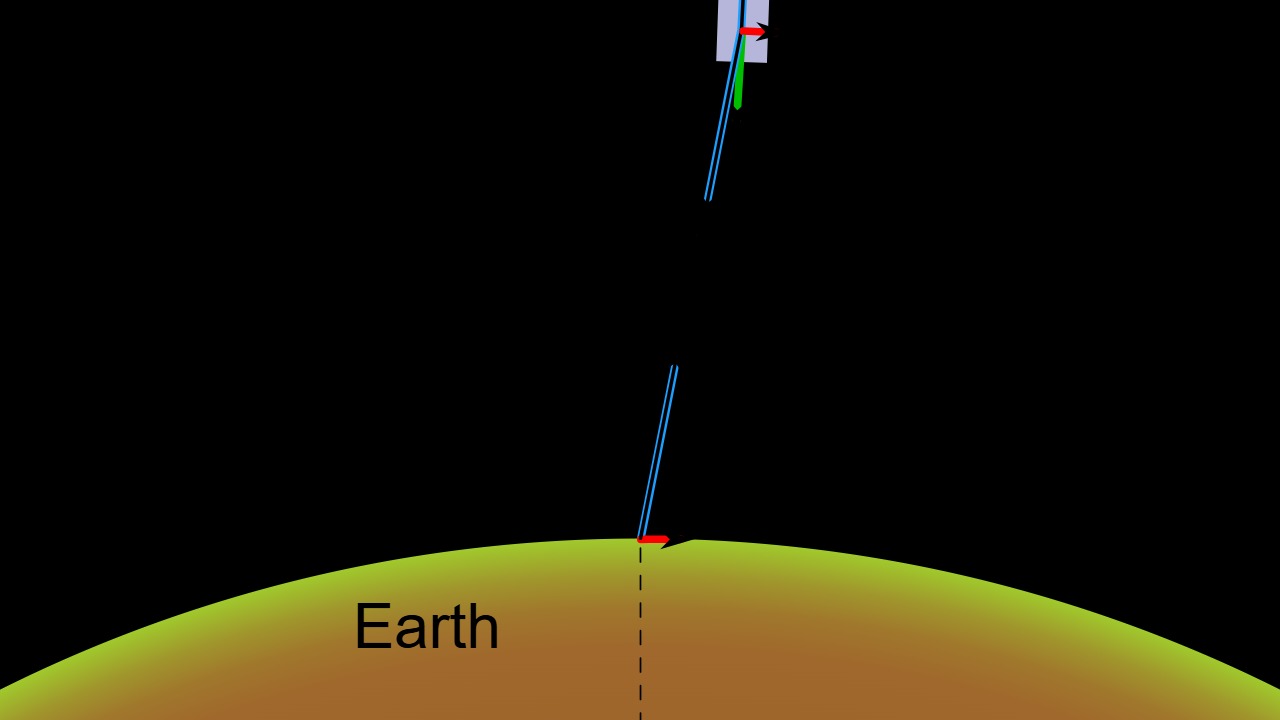
The winning space elevator design stands out due to its unique approach to overcoming the immense challenges of space travel. Unlike traditional rocket-based systems, this design proposes a tether extending from Earth’s surface into space, utilizing advanced materials capable of withstanding extreme stress and environmental conditions. The concept envisions a system where payloads can be transported into orbit at a fraction of current costs.
The team behind this ambitious project draws inspiration from both scientific curiosity and the pressing need for sustainable solutions to space transportation. Their vision is fueled by the desire to make space more accessible, reducing dependency on costly and environmentally taxing rocket launches. By addressing the limitations of current space travel methods, they hope to open new frontiers in space exploration and commercialization.
The Significance of the Grant
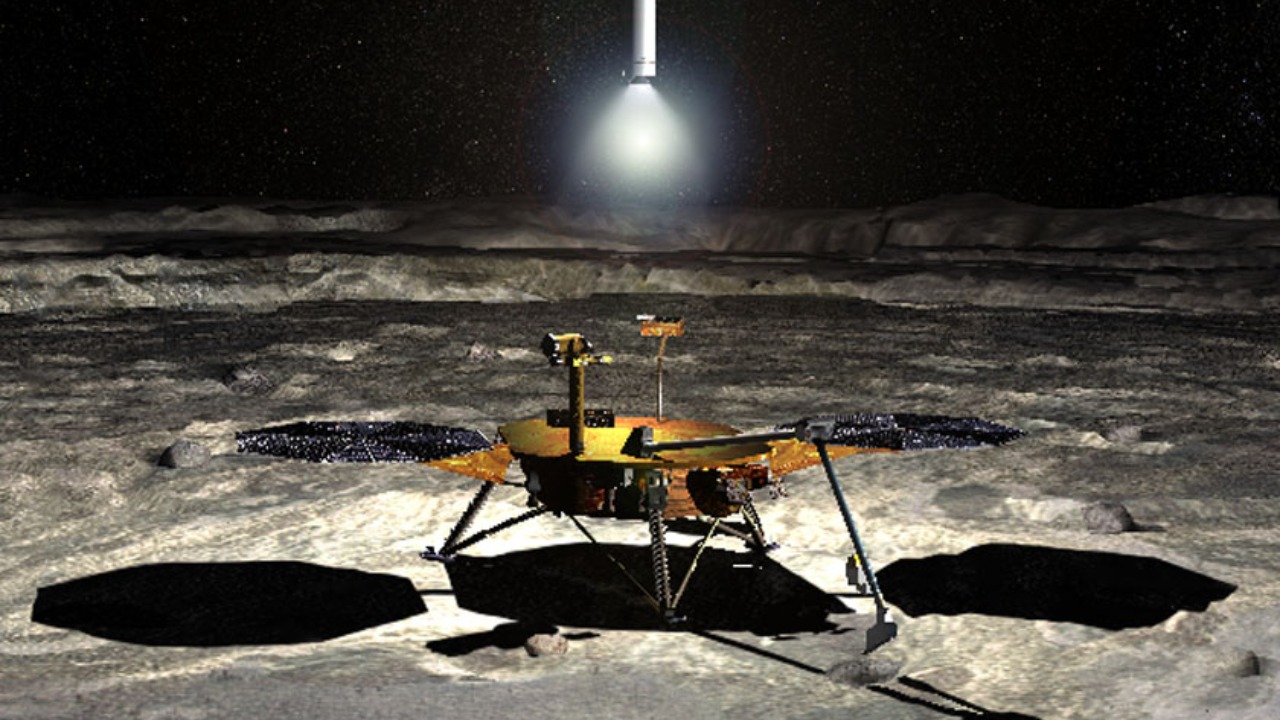
The grant awarded to this pioneering project comes from the Barrowborn Architect competition, a prestigious contest that recognizes innovative space infrastructure designs. The competition, which fosters creative solutions for future space exploration, has provided crucial funding to help bring this vision to fruition. This grant not only supports the immediate development needs but also positions the project to attract further investment and collaboration.
Historically, funding opportunities in the aerospace sector have been limited and highly competitive. This grant represents a significant endorsement of the space elevator concept, distinguishing it from traditional rocket technologies. As noted in a similar event, Blue Origin’s win of NASA funding for a lunar lander, substantial financial backing can dramatically accelerate the progress of innovative aerospace projects.
Technological and Engineering Challenges

Developing a functional space elevator requires overcoming significant technological and engineering challenges. The primary hurdle is the creation of a tether material that is both lightweight and incredibly strong. Advances in nanotechnology and materials science, such as carbon nanotubes and graphene, offer promising solutions, but practical implementation remains a challenge.
International collaboration plays a crucial role in addressing these challenges. By pooling resources and expertise globally, the team hopes to expedite the development of essential technologies. This collaborative approach is essential, as the scale and complexity of the project exceed the capabilities of any single nation or organization.
Potential Impact on Space Exploration
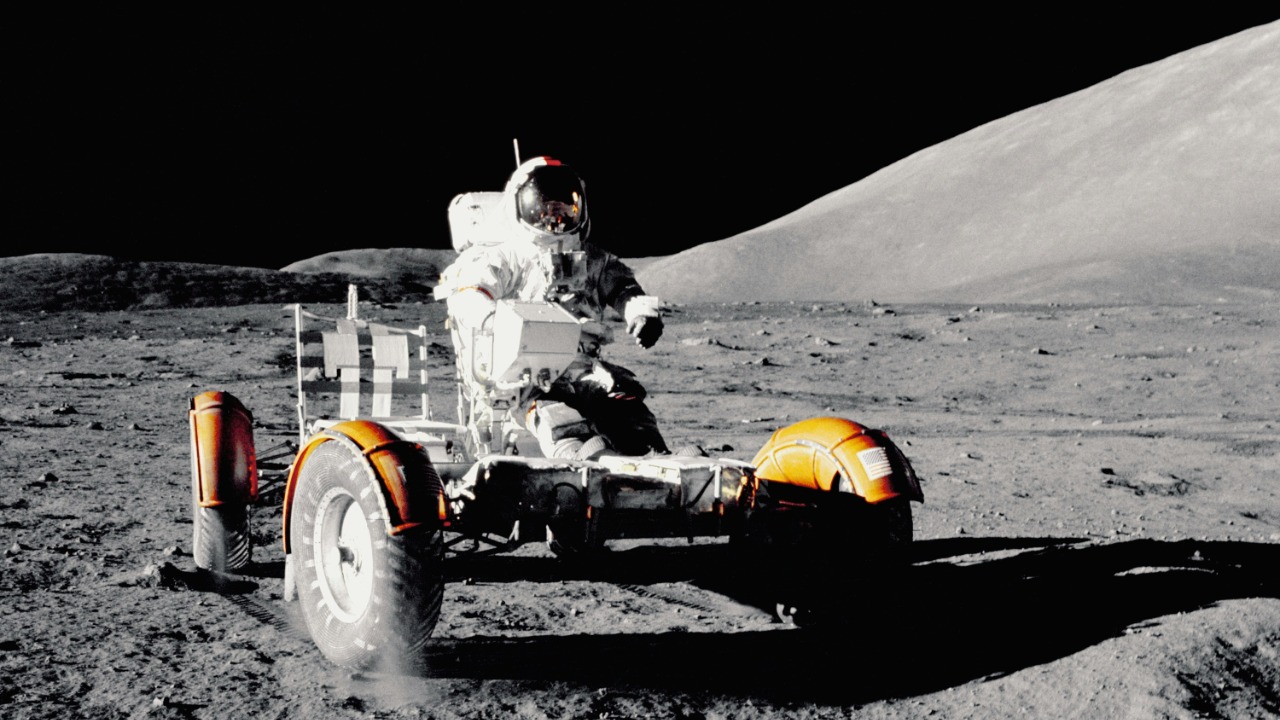
A functional space elevator could revolutionize access to space by significantly reducing the cost and environmental impact of reaching orbit. This breakthrough would democratize space travel, enabling a wider range of countries and organizations to participate in space exploration and commercial ventures. The ripple effect on international space programs could be profound, with increased opportunities for scientific research and the development of new industries.
The implications for space exploration are vast. As envisioned by futurists, a space elevator could facilitate the construction of space habitats, improve the deployment of satellites, and even support missions to other planets. The potential benefits to scientific research and technology development are immense, promising to transform our understanding of space and our place within it.
Public and Scientific Community Reactions

The announcement of the grant and the innovative design has generated considerable excitement within the scientific community and the general public. Experts in aerospace engineering and space policy view the project as a bold step toward making space more accessible and sustainable. The concept’s alignment with global sustainability goals further enhances its appeal.
Public support is crucial for the project’s success, as it encourages continued investment and political backing. The enthusiasm surrounding the space elevator reflects a growing interest in ambitious space projects, reminiscent of the space race era. This public interest is essential for advancing such projects, as it underscores the societal value of investing in space exploration and technology.
Future Prospects and Next Steps
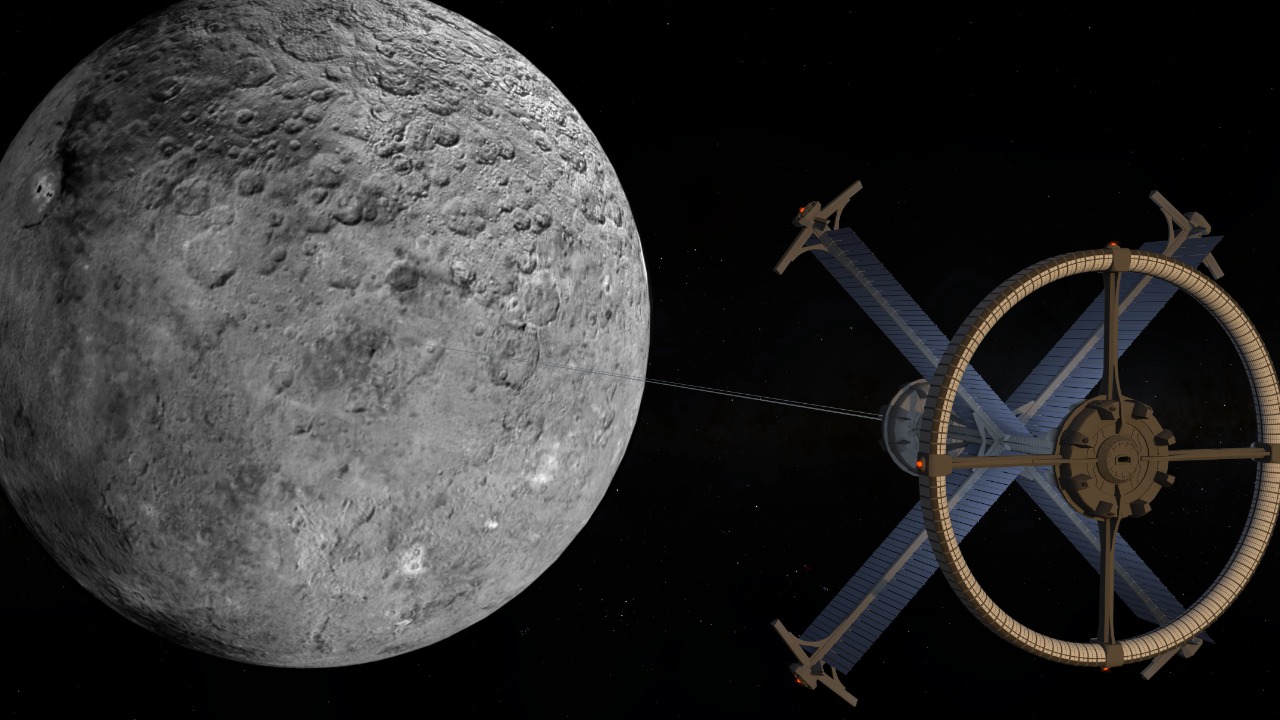
As the project moves forward, the team has outlined a detailed timeline for development, with key milestones anticipated over the next decade. These include further material testing, prototype construction, and eventually, the deployment of a working model. While there are significant hurdles ahead, the strategies in place aim to address technical, financial, and logistical challenges.
The long-term vision for space infrastructure, as enabled by the space elevator, is transformative. By providing a reliable and cost-effective means of reaching space, the project could facilitate a new era of exploration and innovation. This vision aligns with the aspirations of many in the scientific community, as highlighted in discussions on platforms like Reddit, where the concept continues to garner attention and support.
