Driving in winter requires a reliable vehicle, and not all trucks are well-suited for icy roads and snow. While trucks are generally known for their ruggedness, some models struggle in winter conditions. Here are nine trucks that may not perform as well in harsh winter weather.
Chevrolet Colorado
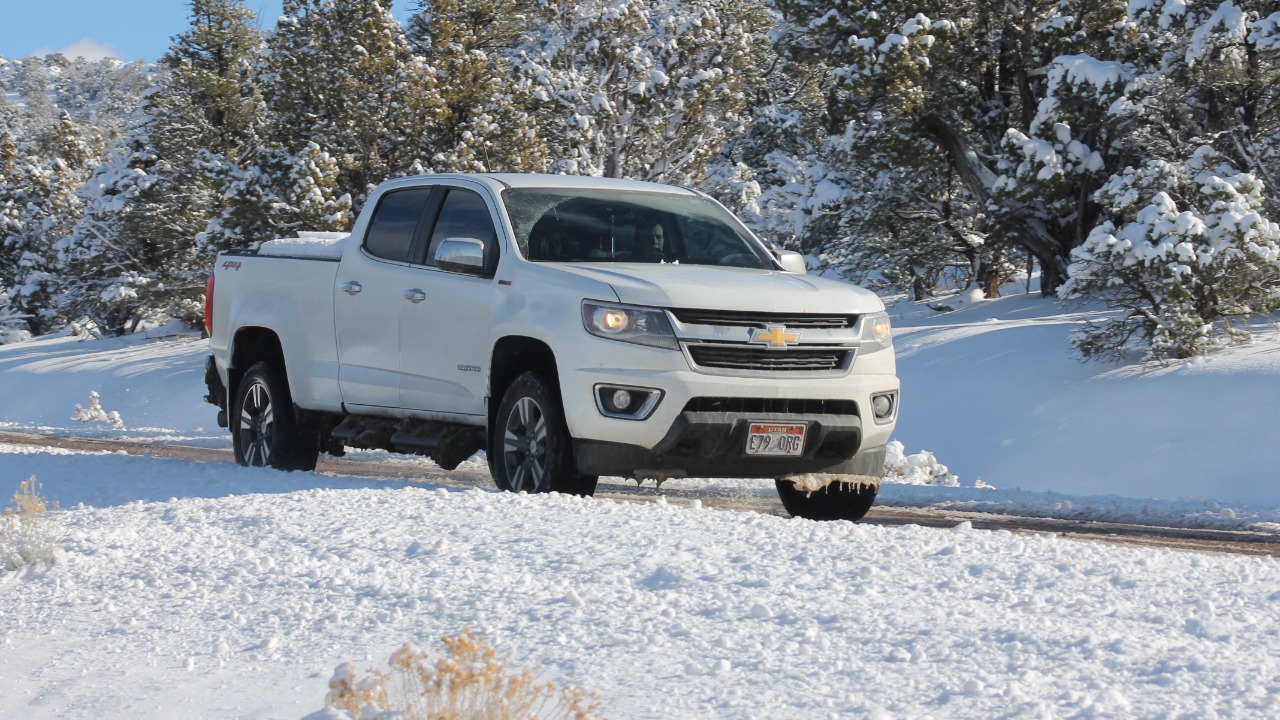
The Chevrolet Colorado, particularly the models from the late 2010s, isn’t the best choice for winter driving. Its rear-wheel-drive setup can make it challenging to handle on slippery roads. While the truck is praised for its efficiency and off-road capabilities, its lightweight design often results in less traction on ice and snow. Adding weight to the bed can help, but it’s not a cure-all for its winter limitations.
Ford Ranger
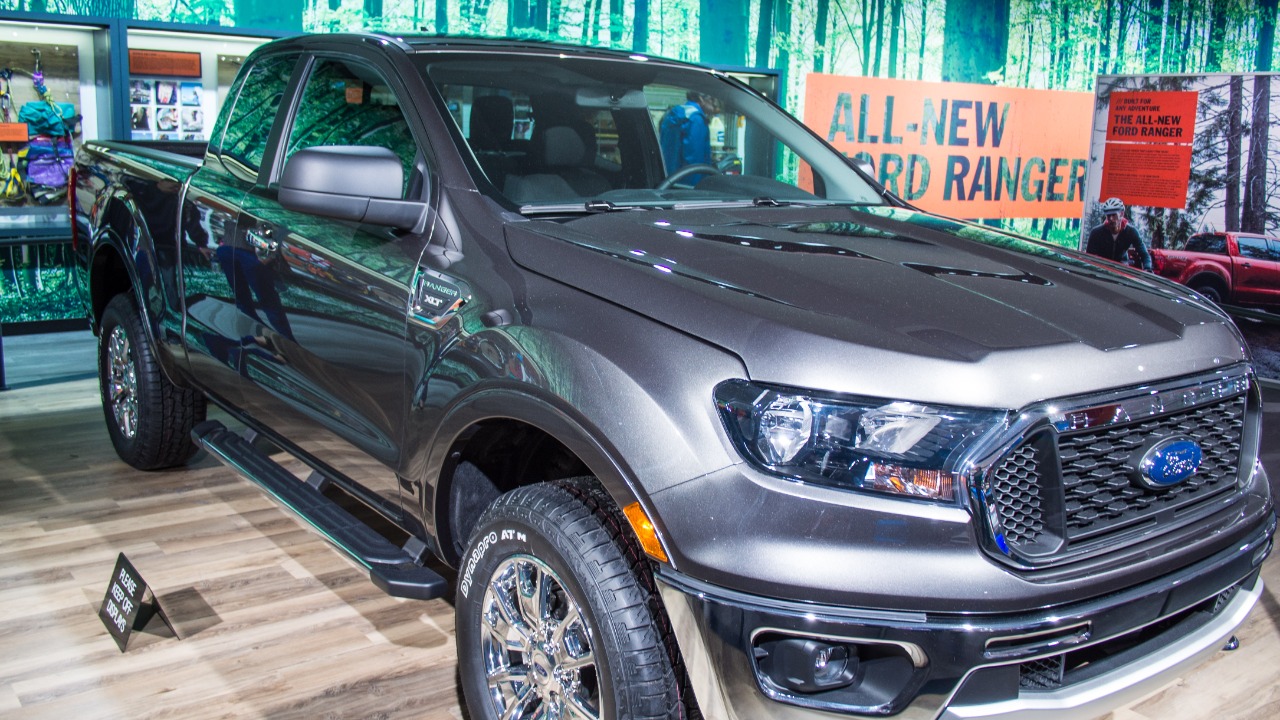
Despite its popularity, the Ford Ranger isn’t the best option for those facing harsh winters. The 2019 and 2020 models, in particular, have received criticism for their light rear ends, which can lead to poor traction on slippery roads. While the Ranger offers impressive fuel efficiency, drivers might find themselves struggling to maintain control in snowy conditions.
Nissan Frontier
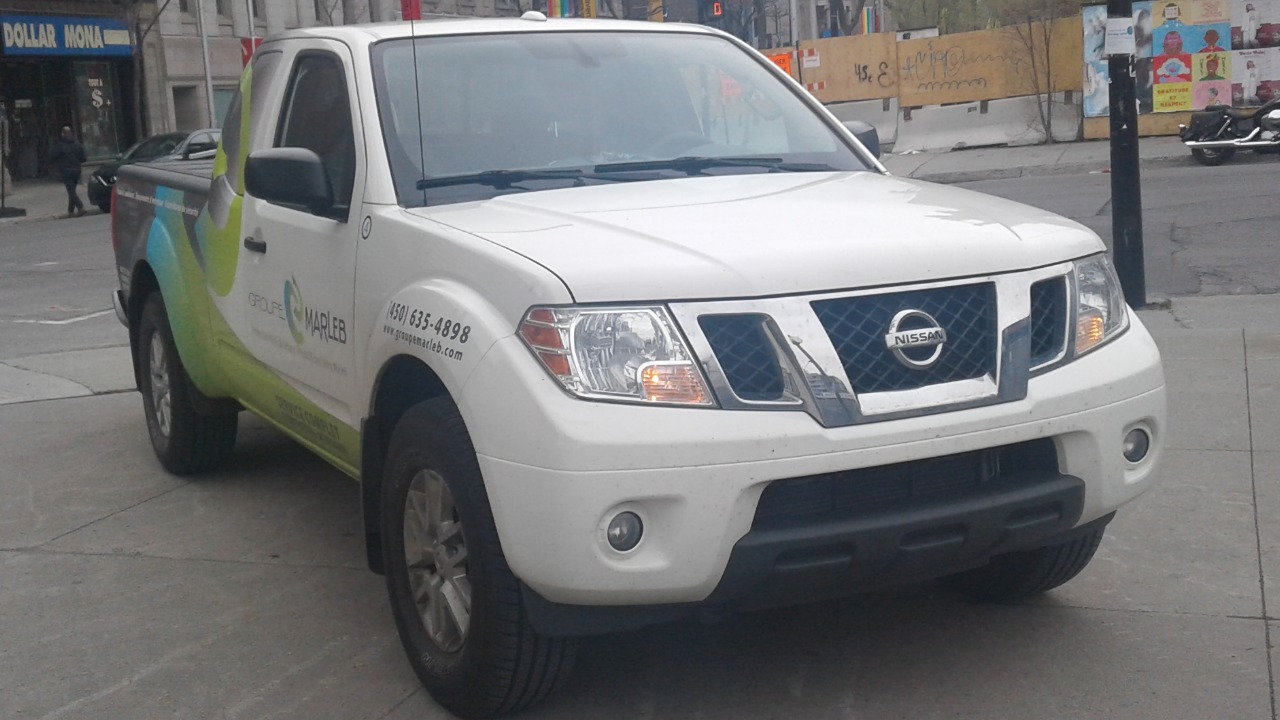
The Nissan Frontier, especially models before the 2020 redesign, is known for its durability but not necessarily for its winter performance. The truck’s older suspension and lack of advanced traction control systems can make driving in snow and ice more challenging. Drivers often need to rely on aftermarket solutions or modifications to improve winter handling.
Toyota Tacoma
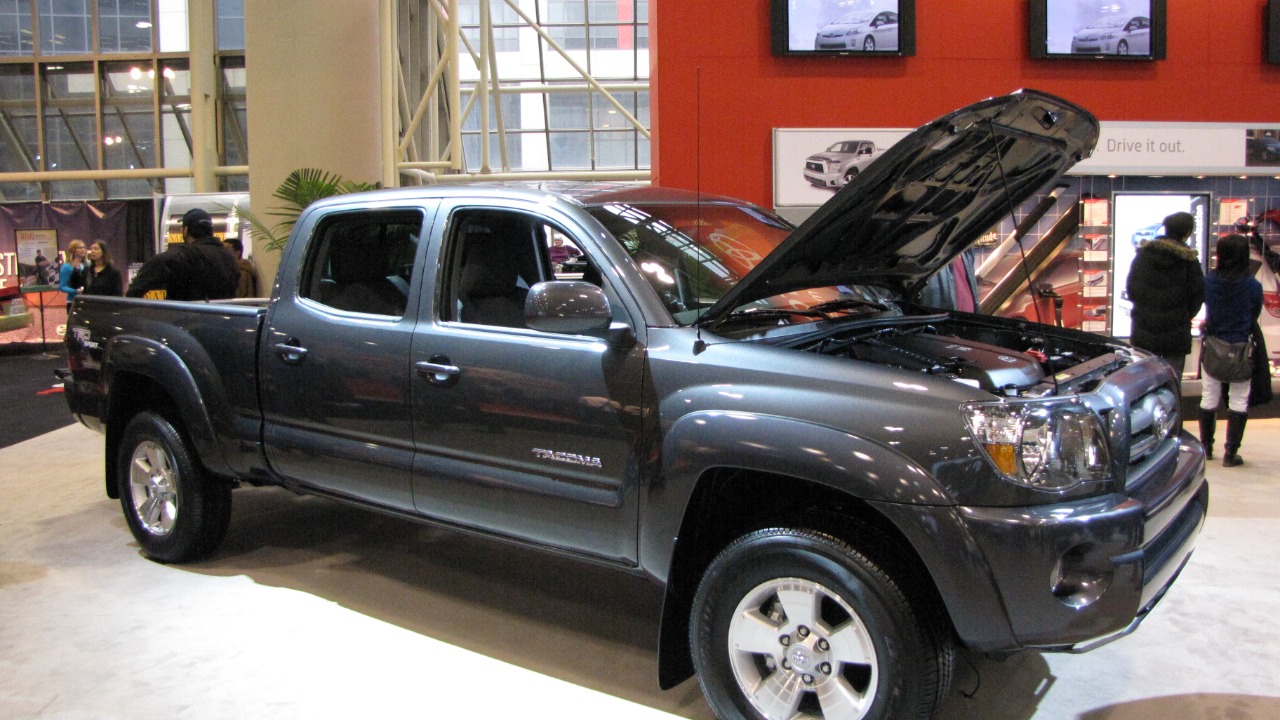
The Toyota Tacoma is renowned for its off-road prowess, but it may not be the best for winter driving. Models from the mid-2010s often suffer from poor weight distribution, leading to traction issues. While the truck’s reliability is a strong selling point, its high center of gravity can result in poor stability on icy roads.
Jeep Gladiator
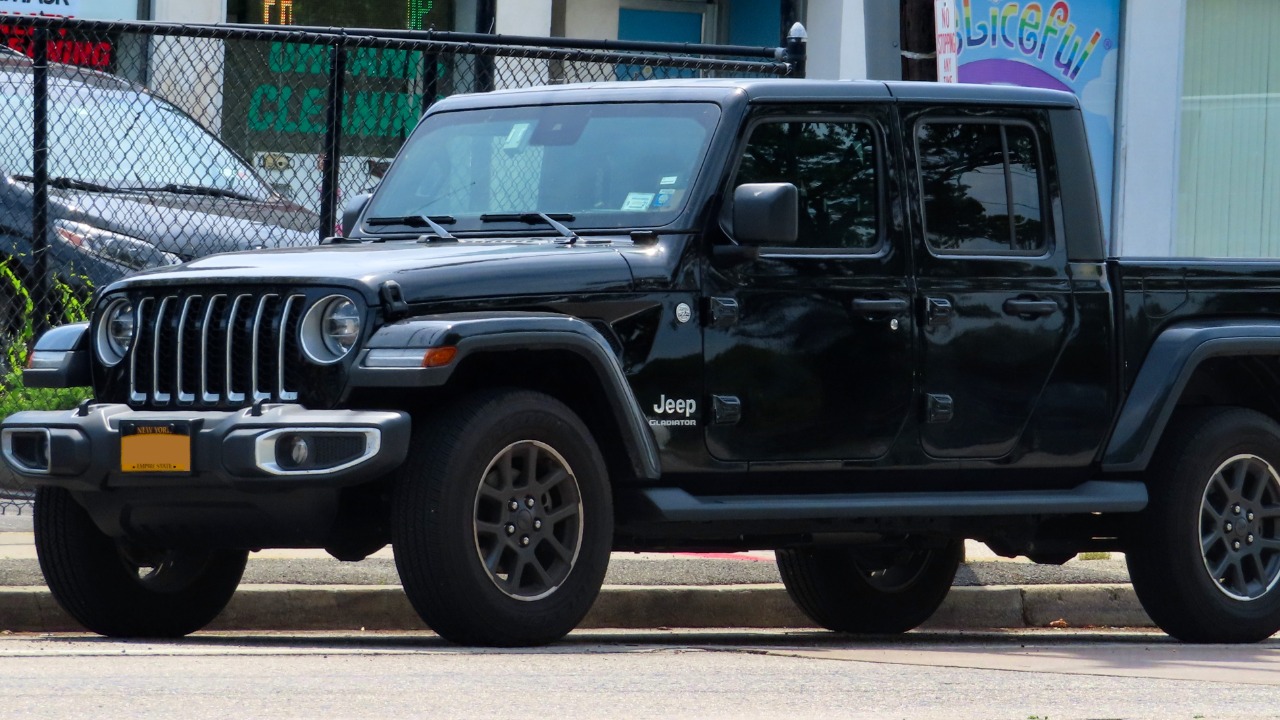
The Jeep Gladiator might seem like a robust option for winter driving, but its open bed design and relatively lightweight rear can cause traction problems. The 2020 and 2021 models are particularly susceptible to fishtailing in snowy conditions. While its 4×4 capabilities are impressive, adding weight to the back may be necessary for improved stability.
GMC Canyon
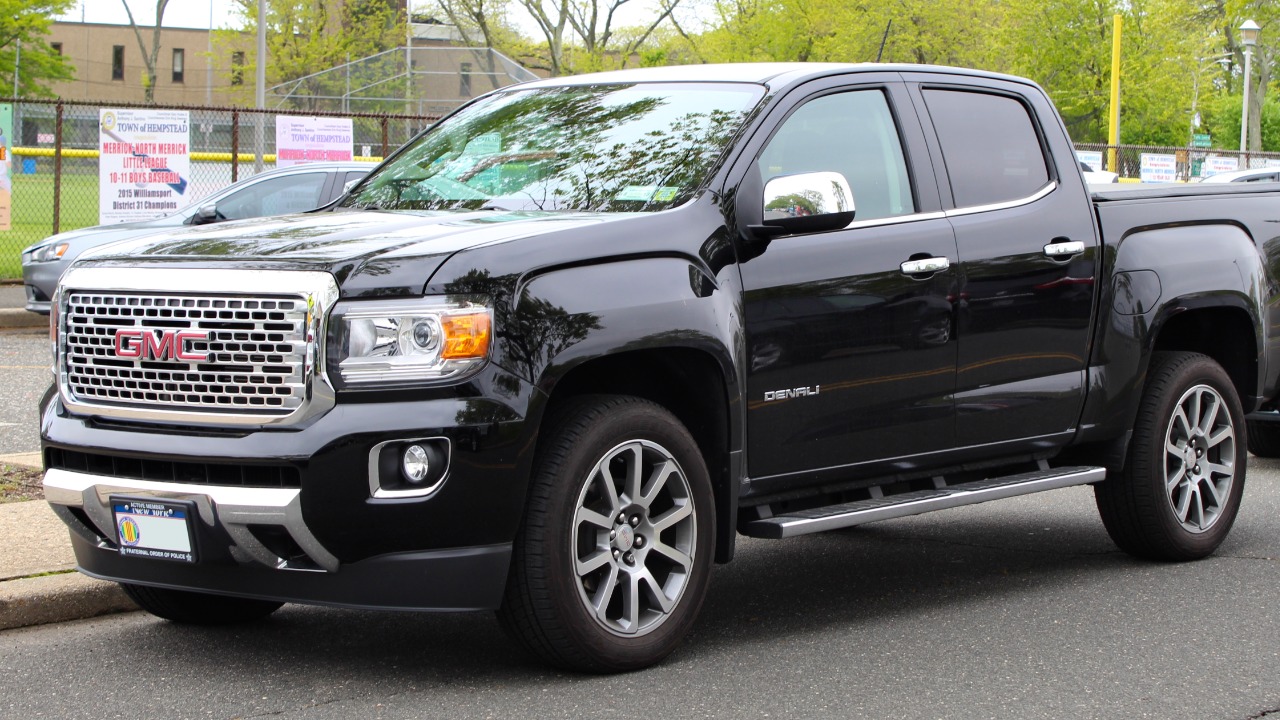
The GMC Canyon shares many of the same platform features as the Chevrolet Colorado, leading to similar winter driving challenges. The 2018 and 2019 models have been noted for their lack of traction on icy roads, primarily due to their rear-wheel-drive configuration. While adding weight to the bed can help, drivers may still find the Canyon less than ideal for winter conditions.
Honda Ridgeline
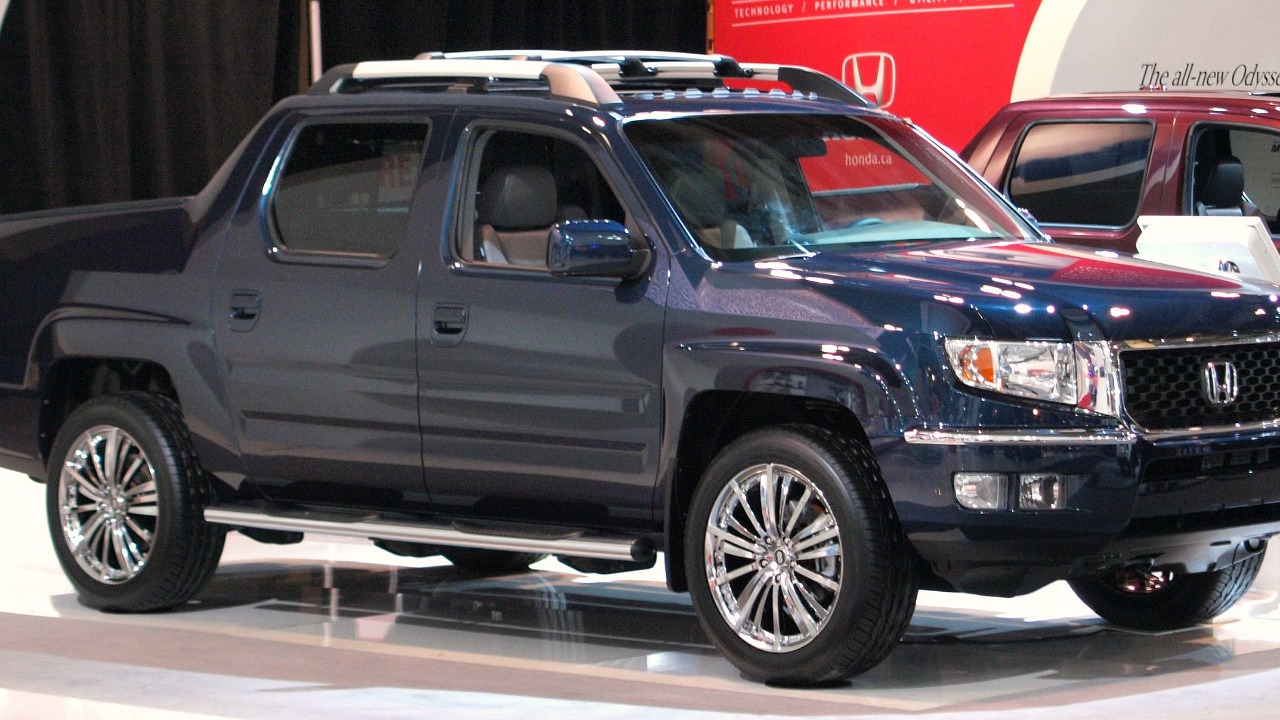
The Honda Ridgeline, although versatile, has been criticized for its performance in snow and ice. Models from the early 2020s have a unibody construction, which is great for comfort but not ideal for severe winter weather. Without the weight and solid rear axle of traditional trucks, the Ridgeline can struggle with traction. For tips on how the Ridgeline fares in winter, watch this informative video.
Ford F-150 Raptor
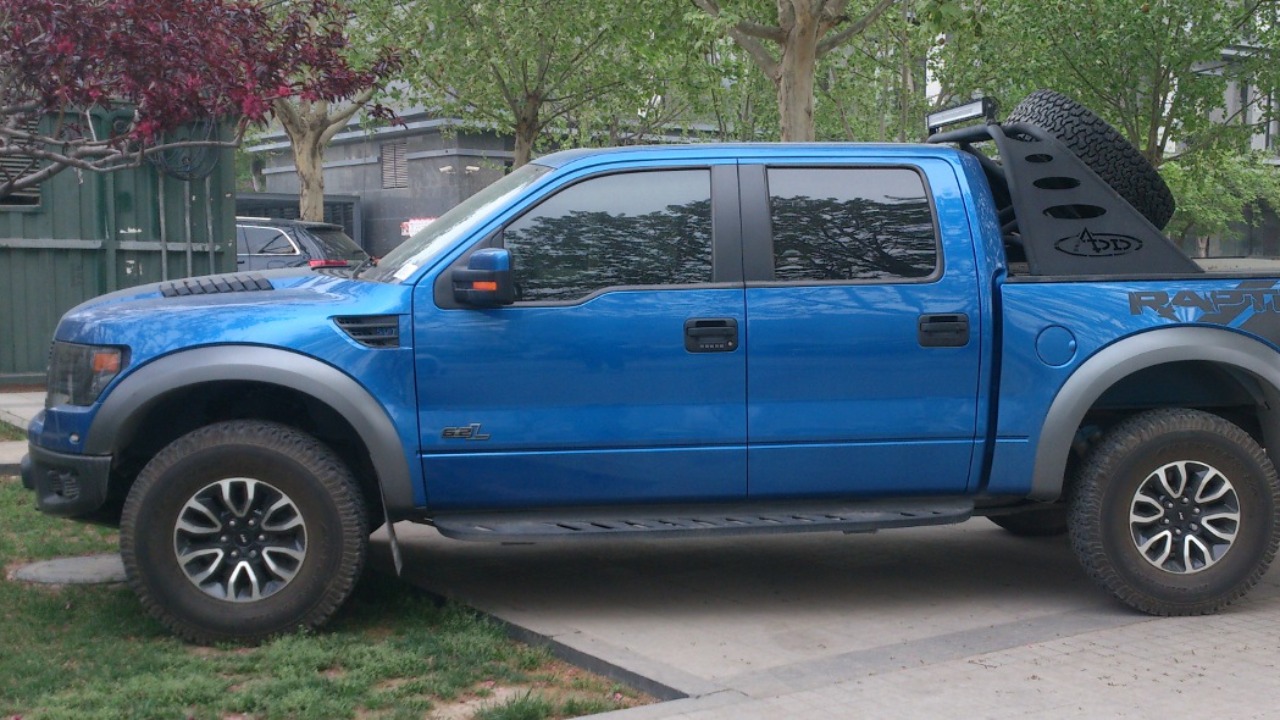
The Ford F-150 Raptor is a powerhouse on off-road trails but not the best for winter roads. The 2019 and 2020 models have high performance capabilities, yet their wide tires and powerful engines can lead to overconfidence in icy conditions. Despite advanced traction systems, the Raptor’s high horsepower can make it challenging to control on slick surfaces.
Ram 1500 Rebel
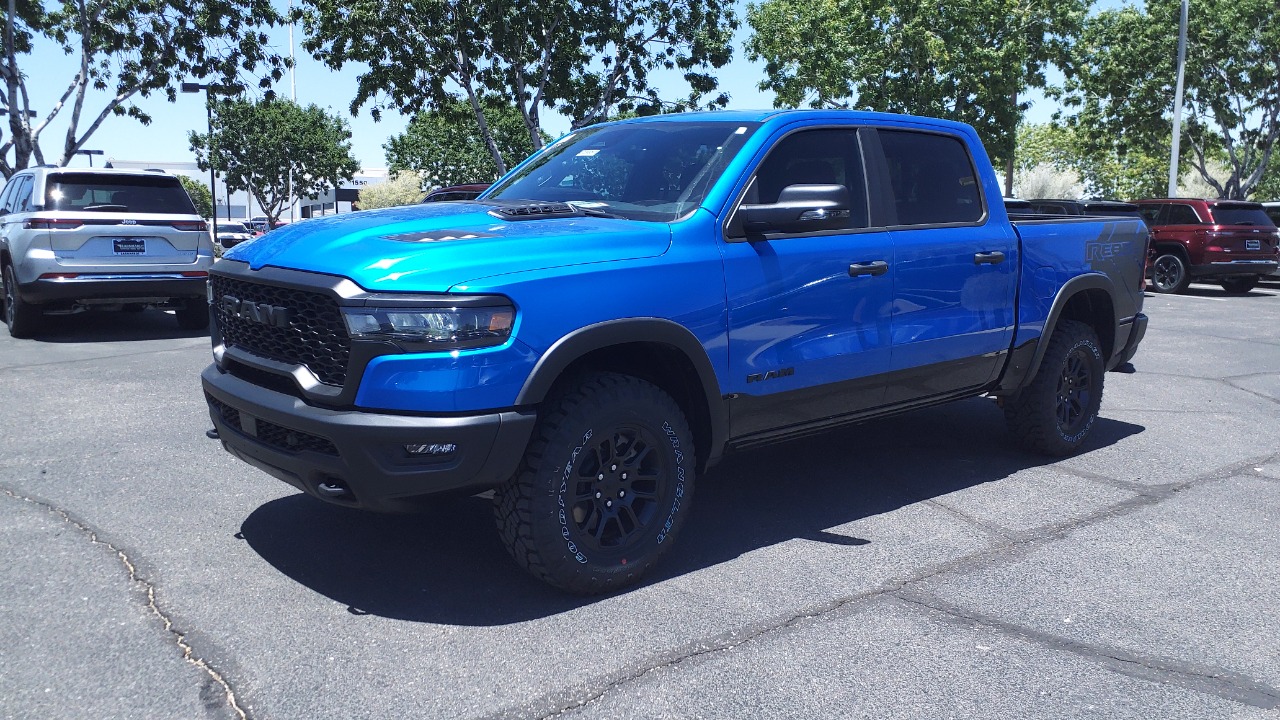
The Ram 1500 Rebel is designed for rugged terrains, but it can be a handful in winter weather. The 2019 model, in particular, has been criticized for its rear-wheel-drive layout, which can lead to traction issues on snowy roads. While the Rebel features a robust suspension system, its weight distribution isn’t optimized for icy conditions. For more experiences with winter vehicles, check out user testimonials.
