
A V6 once signaled durability, the middle path between four-cylinder thrift and V8 thirst. Several of the most common ones instead built reputations for burned oil, stretched timing chains, cracked heads and invoices that outrun what the vehicle is worth. Here are nine V6 engines that cost their owners dearly.
1. Honda Odyssey: The Cylinder Deactivation Tax
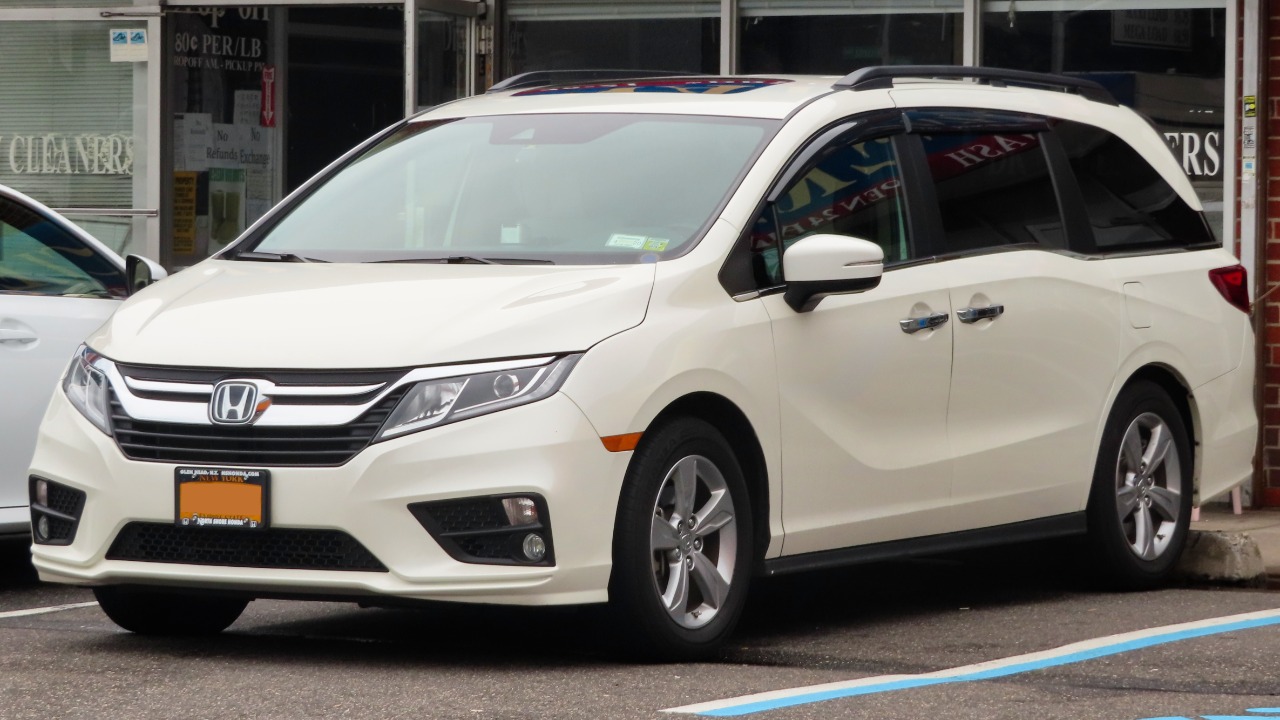
Honda’s J35 V6 gained Variable Cylinder Management, a system that shuts down cylinders under light load to save fuel. In practice the dormant cylinders let oil slip past the rings, and the Honda Odyssey minivan became known for burning oil between services and fouling spark plugs. A class-action settlement covering V6 models fitted with the system funded plug replacements and piston-ring repairs for affected owners.
Shops often defeat the system with a device that keeps the engine in a temperature range where all six cylinders stay active, a cheap workaround that also surrenders the fuel savings. Anyone shopping a used example should track the oil level between changes and listen for the shudder of worn active engine mounts.
2. Chevrolet Traverse: Chains That Stretched Early
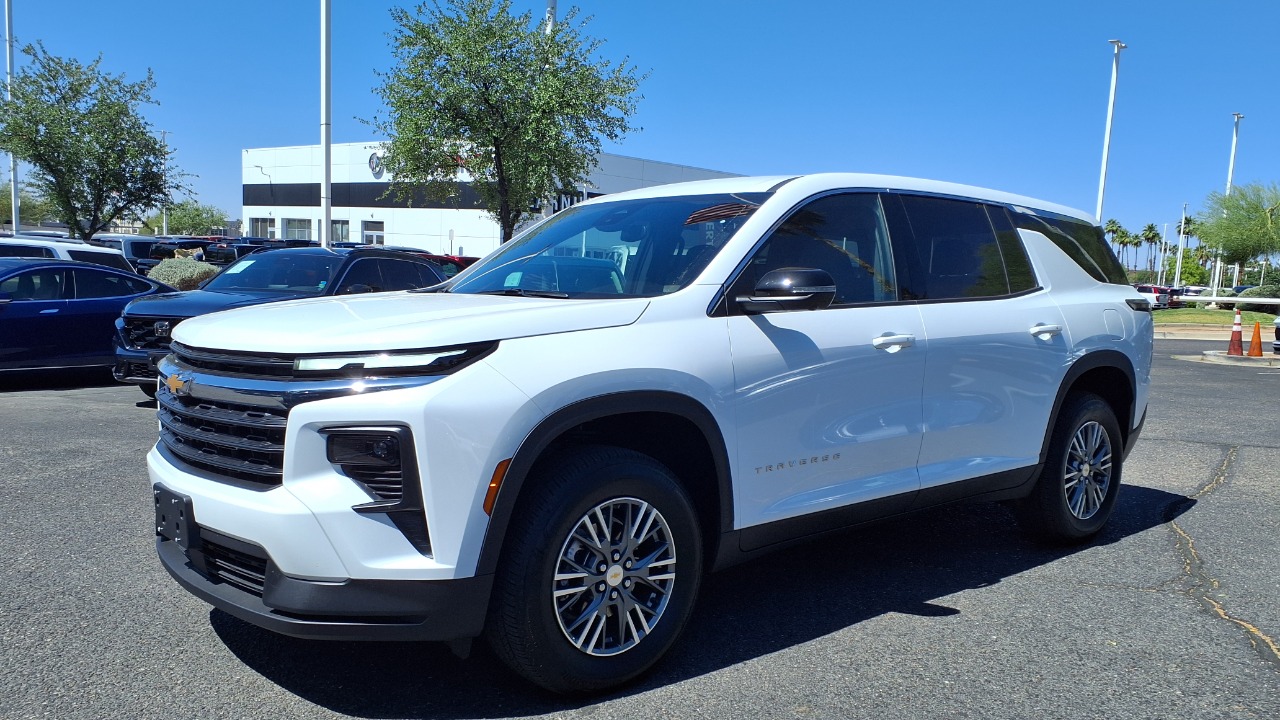
General Motors’ 3.6-liter high-feature V6 shipped with timing chains that wore faster than the design intended, a problem compounded by the long drain intervals its oil-life monitor allowed. Owners of the Chevrolet Traverse reported cold-start rattles and camshaft-to-crankshaft correlation codes, both symptoms of a chain that had stretched far enough to throw valve timing off. General Motors eventually issued special coverage extending the warranty on the chains.
Nothing about the fix is quick. Reaching the chains means opening the front of a transverse V6 wedged into a three-row crossover, so labor rather than parts dominates the invoice. Shorter oil intervals than the monitor recommends remain the cheapest available defense.
3. Nissan Murano: The Transmission Undoes It
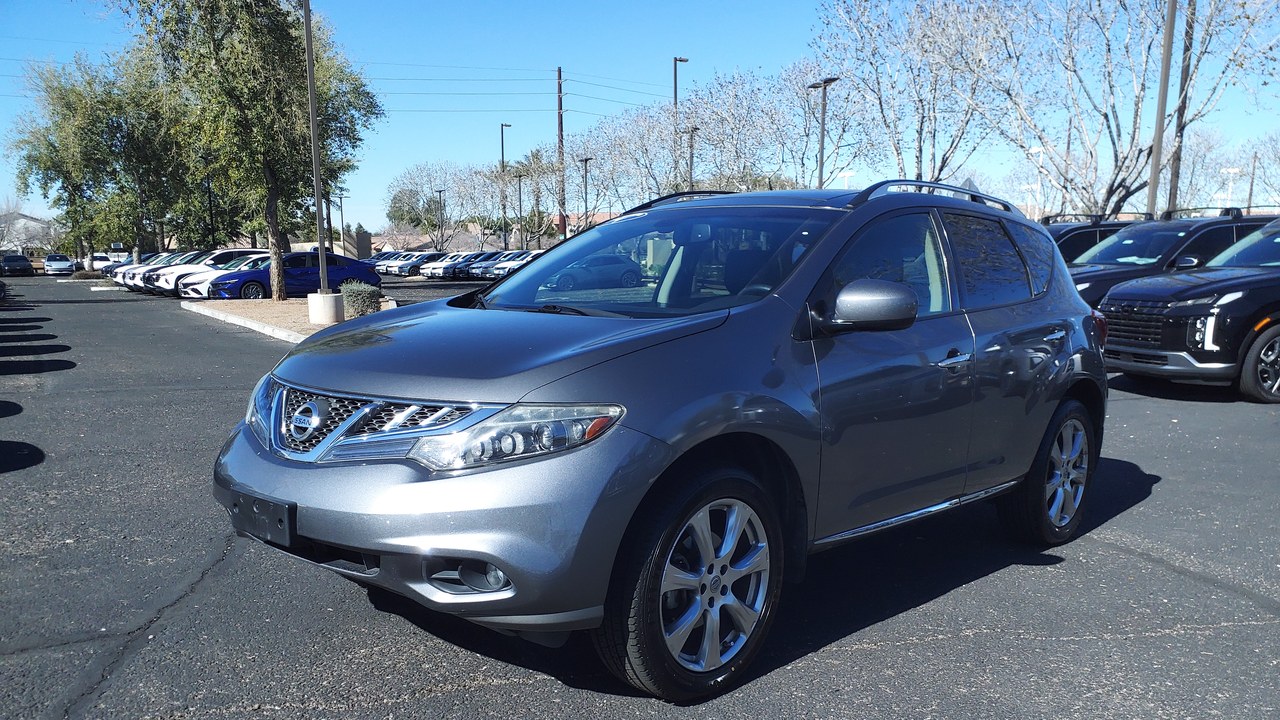
The VQ35 itself has a strong reputation, but in the Nissan Murano it sends power through a Jatco continuously variable transmission that struggles to contain it. Heat does the damage: the belt-and-pulley assembly builds temperature under sustained load, then shudders, whines and slips. Nissan extended coverage on its CVTs to ten years or 120,000 miles across a swath of earlier vehicles once complaints accumulated.
Replacement units run into the thousands, frequently approaching what an aging crossover is worth, which pushes plenty of owners to abandon the car instead of repairing it. A test drive that includes a long grade and a hard merge exposes the shudder faster than any inspection conducted at idle.
4. GMC Acadia: A Water Pump Buried Deep
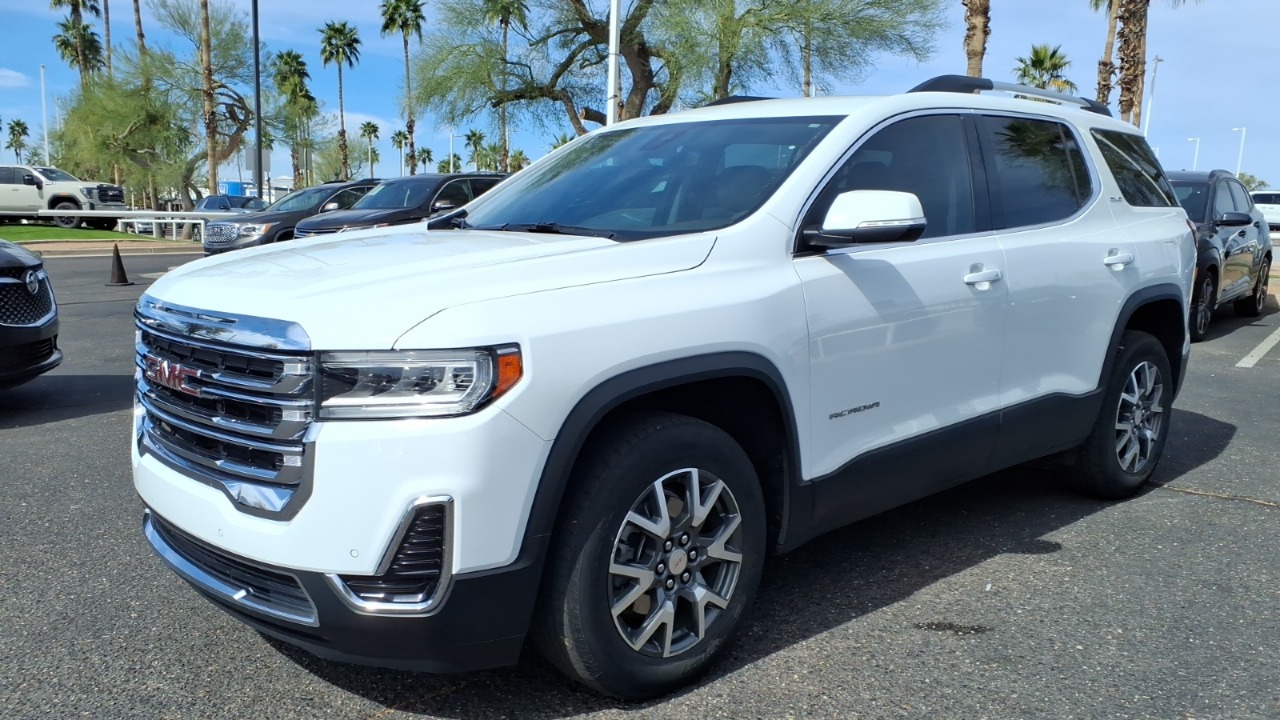
Trouble in the GMC Acadia clusters around that same 3.6-liter V6, and the cooling system makes it costlier. The water pump sits in the valley beneath the intake manifold and is driven off the timing chain, so a weeping seal that would be an hour of work on an older pushrod V8 becomes a half-day teardown with the intake off and the front of the engine open.
Combine that with chain wear on a crossover heavy enough to keep the engine loaded, and one visit can produce a four-figure bill. The consolation is predictability: coolant seeping from the front of the engine is a documented pattern, and catching it early avoids the overheating damage that follows.
5. Buick Enclave: Same Engine, Nicer Badge
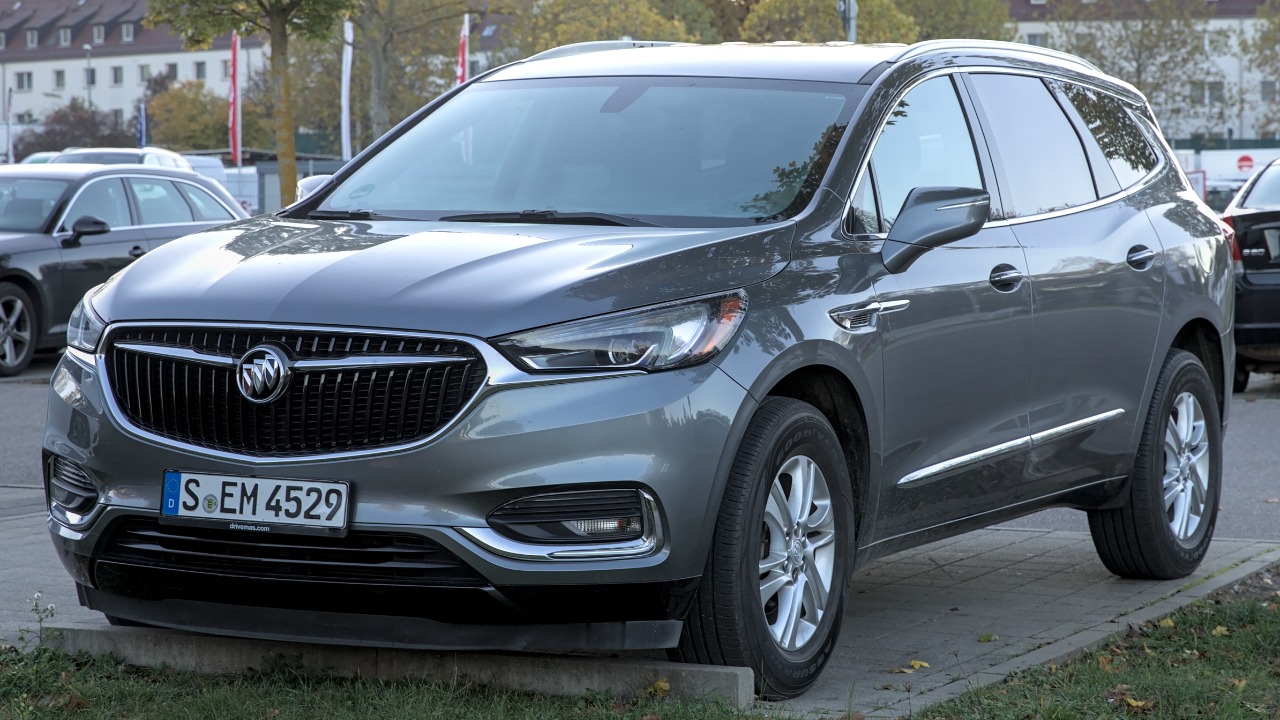
Badging separates the Buick Enclave from its Chevrolet and GMC siblings; the engine bay does not. All three rode the same Lambda platform behind the same high-feature V6, so the timing chain and water pump histories transfer intact to the version marketed as the quiet, near-luxury choice, and no amount of extra sound deadening changes the mechanical odds.
That matters because Enclave shoppers often pay a premium up front and then receive identical repair quotes, sometimes at a higher dealer labor rate. Service records showing a chain or pump already replaced are worth more than any option package when two used examples sit side by side.
6. Ford Explorer: The Coolant Intrusion Problem

Ford’s Cyclone V6 family developed a habit of cracking internally and letting coolant seep into a cylinder, where it corrodes and washes away lubrication. In the Ford Explorer the failure typically hides until coolant disappears with no puddle on the driveway, by which point a cylinder head, and occasionally the whole engine, needs replacing. Litigation over the defect has trailed the engine across several models.
Damage of that kind tends to surface after the powertrain warranty lapses, leaving a repair worth thousands on a mid-size family hauler. Coolant loss without an external leak, or white vapor on a cold start, justifies a pressure test before money changes hands.
7. Chrysler Pacifica: The Housing That Leaks Oil
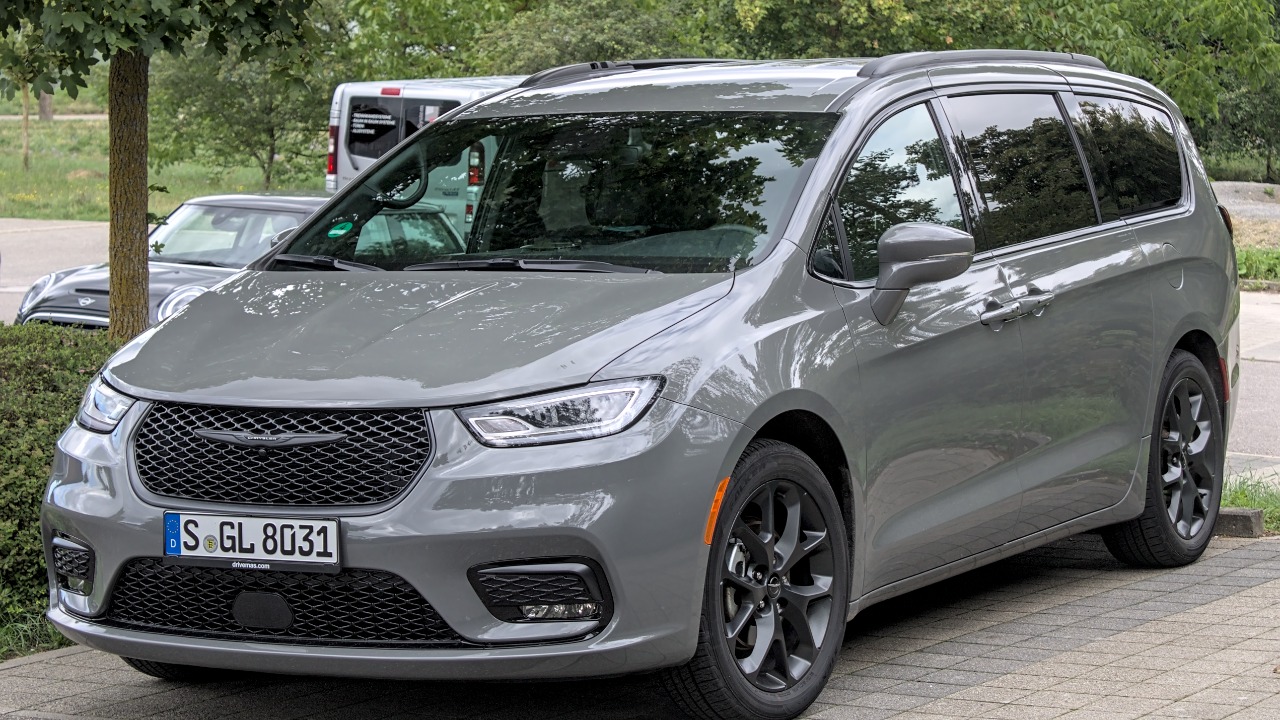
The Pentastar V6 in the Chrysler Pacifica routes oil through a plastic cooler and filter housing tucked in the valley beneath the intake manifold. Repeated heat cycles harden the plastic until it cracks, and the resulting oil or coolant leak cannot be reached without stripping the manifold off the top of the engine, turning a modest part into an expensive afternoon.
Aftermarket aluminum replacements exist precisely because the original fails so predictably, and shops generally recommend fitting one rather than the same plastic component again. Left alone, the leak can starve oil pressure or contaminate the oil with coolant, which is how a contained job becomes an engine replacement.
8. Jeep Wrangler: The Head Defect Chrysler Fixed
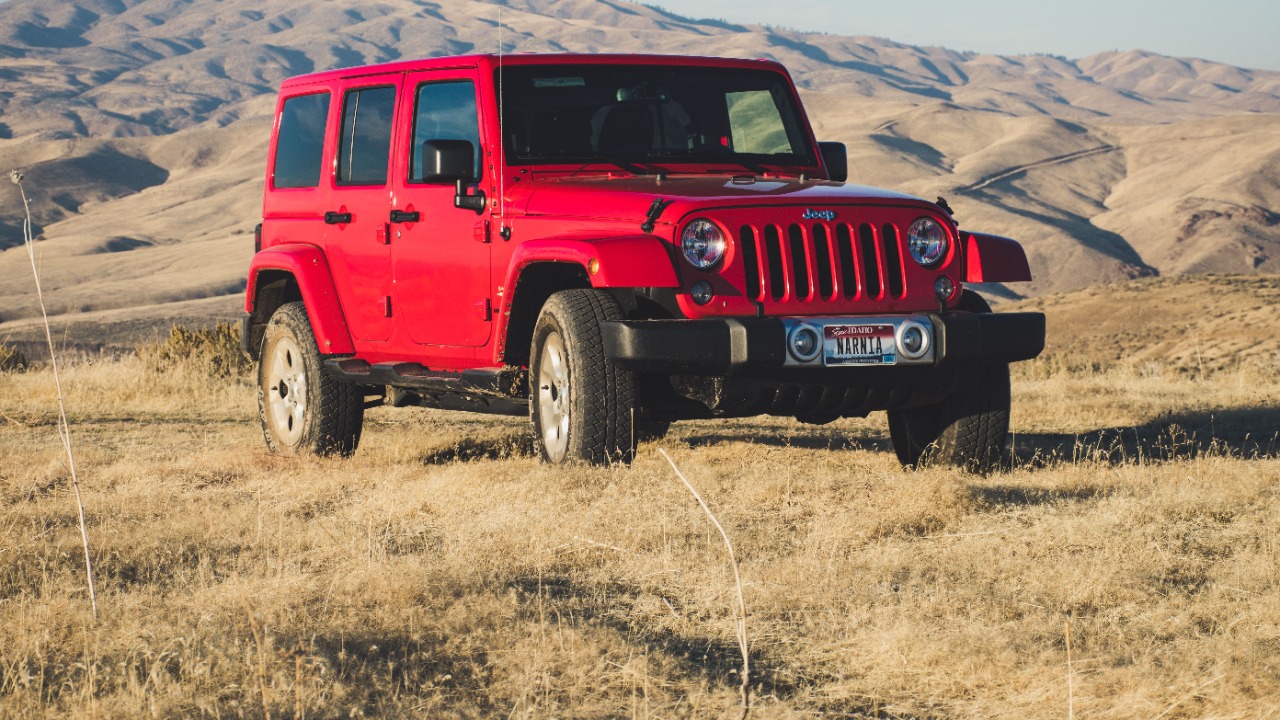
Early Pentastar builds left the factory with a cylinder-head defect that produced persistent misfires, usually on the left bank, and the Jeep Wrangler sat squarely among the vehicles affected. Chrysler traced the fault to the casting itself, redesigned the head and extended coverage on the engines involved to ten years or 150,000 miles, an unusually long backstop for a component meant to outlast the vehicle.
Those extensions have since run out on the oldest trucks, so a misfire code on a high-mileage example is now the owner’s expense. Trail duty compounds the exposure, because heat soak and steep angles are precisely the conditions that expose a marginal head.
9. Cadillac CTS: Repairs Worth More Than The Car
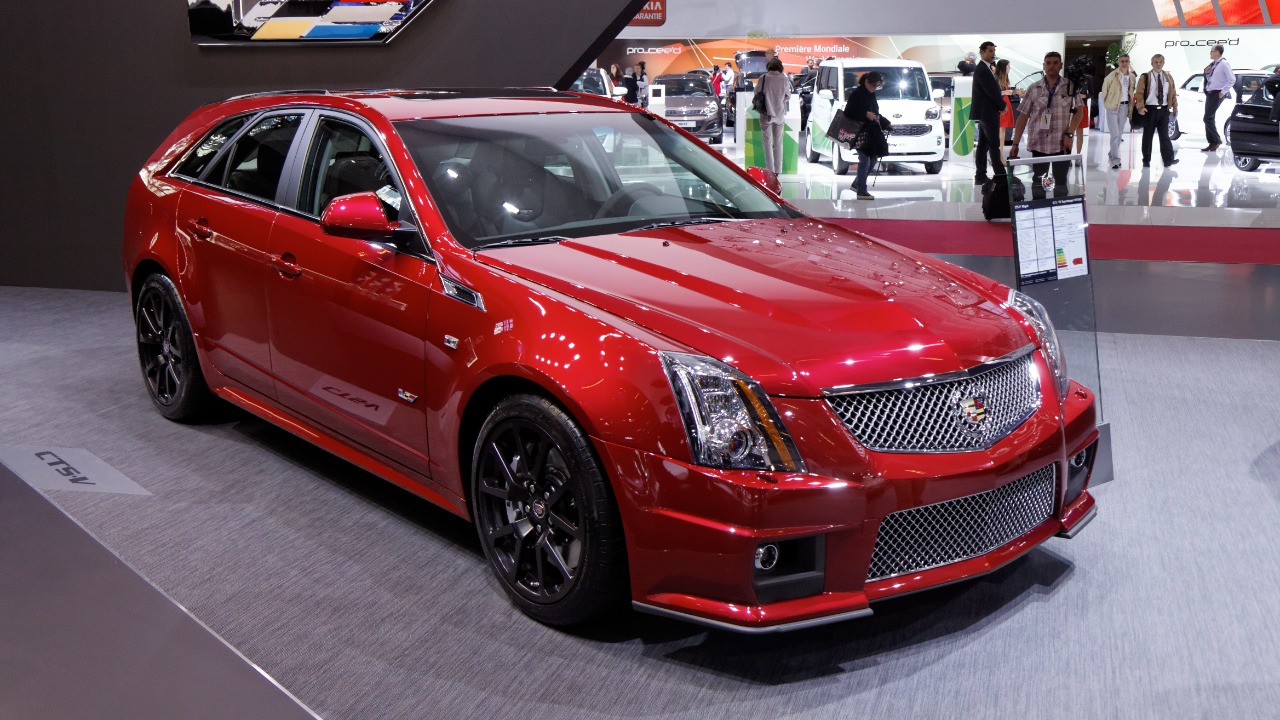
Direct injection reached the 3.6-liter V6 before the industry had solved its side effects, and the Cadillac CTS collected two of them at once: carbon deposits baking onto intake valves with no fuel spray to rinse them clean, plus the chain wear that dogged the crossovers running the same engine sideways. Neither announces itself until driveability suffers.
The math is unforgiving. A luxury sedan that has depreciated steeply can be worth less than a walnut-blasting service and a chain job combined, which is how sound cars reach auction over a rattle. Anyone tempted by a low asking price should price those two repairs first.
More from Morning Overview
- Card skimmers hidden on gas pumps and ATMs are draining accounts, and here’s the tell
- The FBI says hackers are hijacking outdated home routers, and it named the models to check
- Older Teslas are wearing out in ways early owners never saw coming
- A common childhood virus is now tied to multiple sclerosis years later
