
Pickup trucks have never been the natural home of fuel economy, but hybrid systems, small-displacement turbo engines and light-duty diesels have narrowed the gap considerably. Ratings still swing widely with cab, bed and drive configuration, so the powertrain underneath matters far more than the badge on the tailgate. These nine trucks show where the efficiency actually sits.
1. Ford Maverick: The Standard Hybrid Advantage
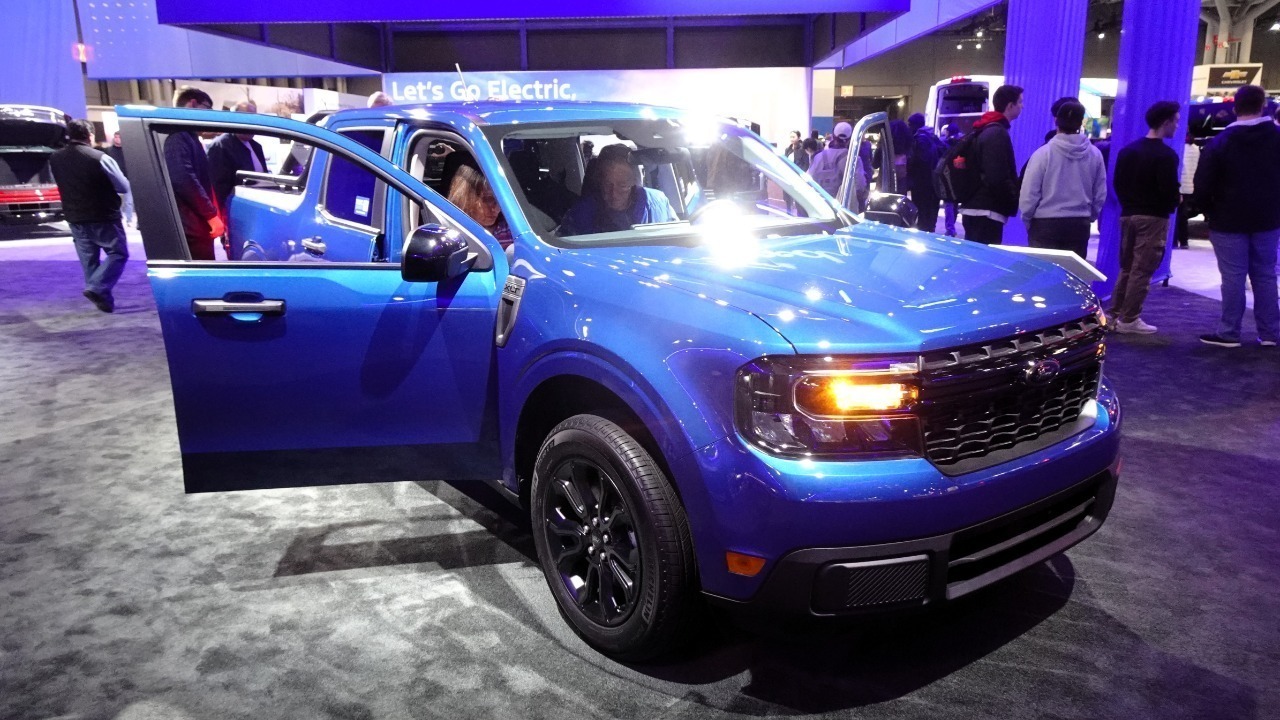
Ford’s compact unibody pickup arrived with a hybrid drivetrain as its volume engine, and the company later made that system standard equipment rather than a paid option. The front-wheel-drive Maverick hybrid carries an EPA city rating of 42 mpg, a figure no body-on-frame pickup approaches. Its 2.5-liter Atkinson-cycle four pairs with an electric motor and a continuously variable transmission tuned for low-speed efficiency.
The trade-off is capability, since payload and towing sit far below a half-ton and the 4,000-pound tow package remains tied to the turbocharged gasoline engine. For buyers whose loads are bicycles, mulch and lumber rather than trailers, that ceiling rarely binds, which is why the Maverick reads as a car that happens to have a bed.
2. Hyundai Santa Cruz: The Crossover With A Bed
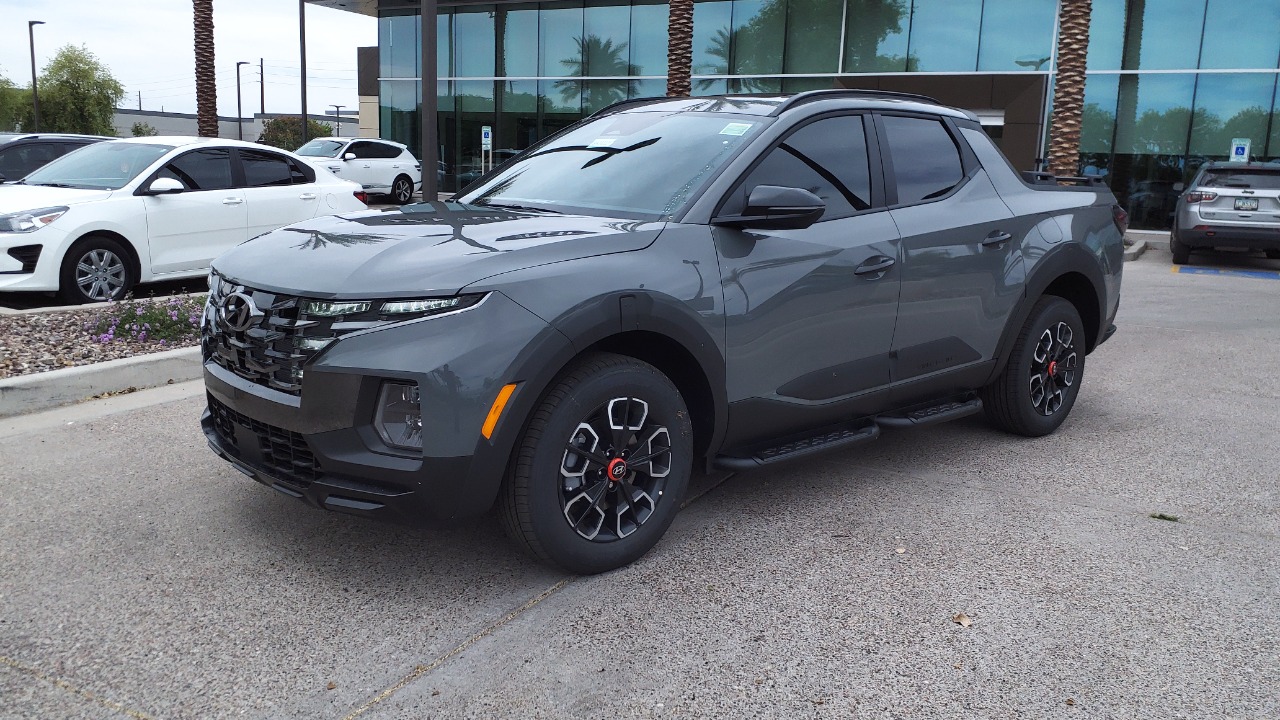
Hyundai built its pickup on the Tucson’s unibody architecture, which is why the Santa Cruz compact pickup behaves like a crossover with the roof cut away. Curb weight sits thousands of pounds under a full-size truck, and the base naturally aspirated 2.5-liter four with front-wheel drive is the configuration that returns the best numbers. The turbocharged version adds 281 horsepower and a dual-clutch gearbox, but spends fuel to do it.
Bed length is the compromise, at roughly four feet rather than the five or six a conventional midsize truck offers. That suits owners hauling gear rather than building materials, and it keeps the Santa Cruz in garages a full-size crew cab would never fit.
3. Ford F-150 PowerBoost: Forty-Three Hundred Pounds Of Hybrid
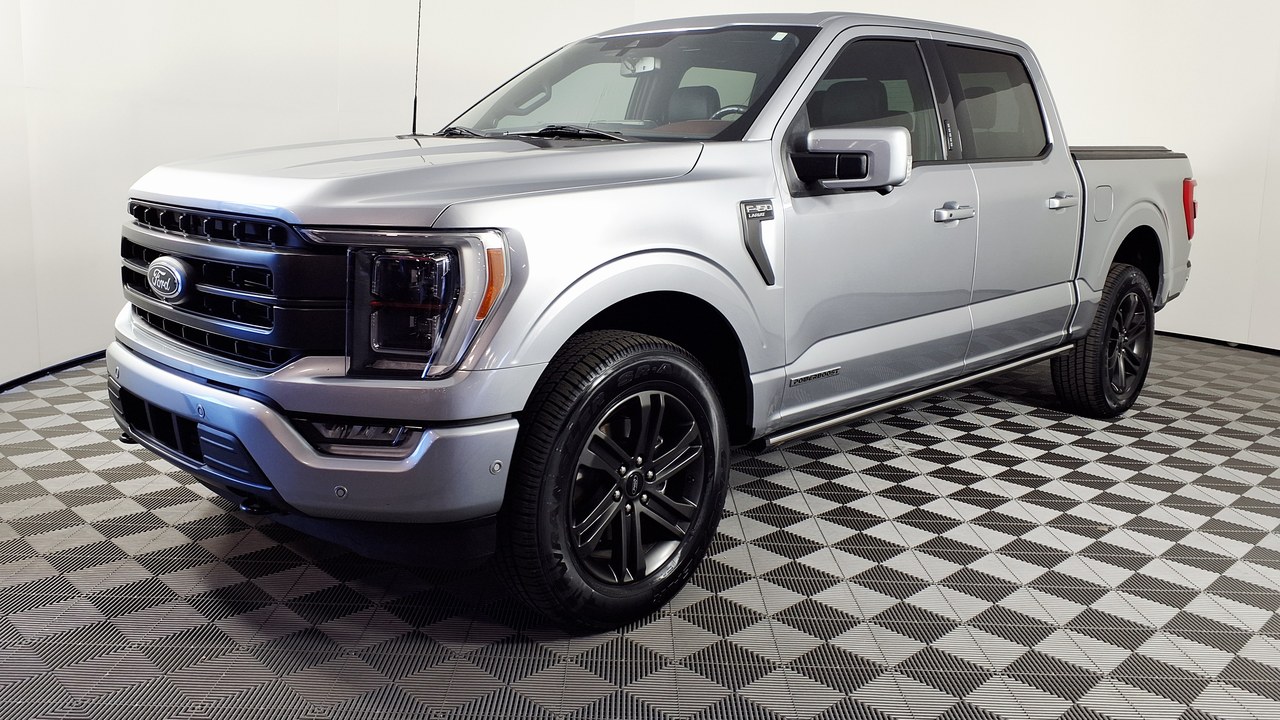
PowerBoost sandwiches a 35-kilowatt electric motor between Ford’s 3.5-liter twin-turbo V6 and its ten-speed automatic, producing 430 horsepower while letting the engine shut off in traffic. Rear-drive versions of the F-150 hybrid powertrain land near 25 mpg combined, with four-wheel drive costing roughly a mile per gallon. The gain concentrates in city and stop-start driving rather than at steady highway speed.
Ford also wired the system to its Pro Power Onboard generator, turning the truck into a 7.2-kilowatt job-site outlet. That second job is the stronger argument for the option, because fuel savings alone take years to repay the hybrid’s price premium.
4. Chevrolet Silverado Diesel: Thirty-Three Highway Miles Per Gallon
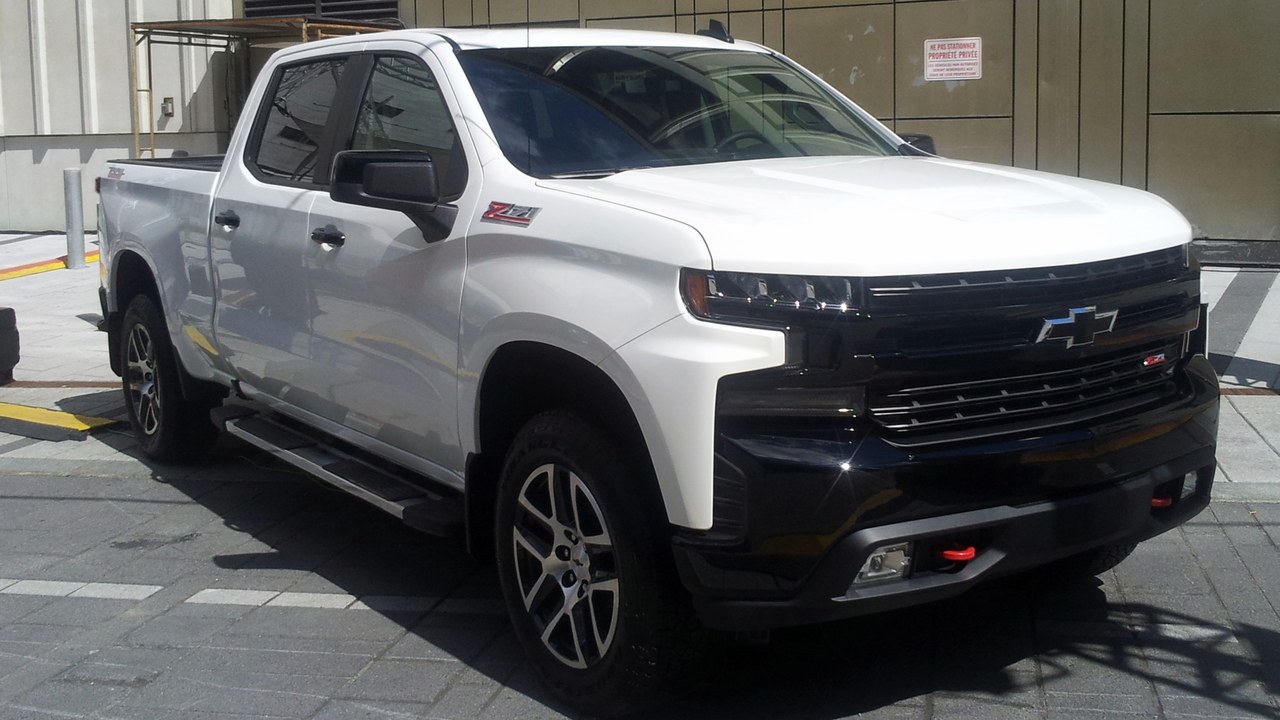
A 3.0-liter Duramax inline-six is the quiet efficiency champion of the half-ton class, and two-wheel-drive Silverado models equipped with it carry highway ratings as high as 33 mpg. Long stroke and high compression let the engine cruise at low revolutions, which is exactly where a diesel is most frugal. Torque lands between roughly 460 and 495 pound-feet depending on model year and tune.
Diesel fuel usually costs more per gallon than regular gasoline, so the mileage advantage does not convert one-for-one into savings. Owners who tow regularly or cover long highway distances recover the option’s price fastest, while short-trip drivers rarely do.
5. Ram 1500 diesel: The EcoDiesel Long Game
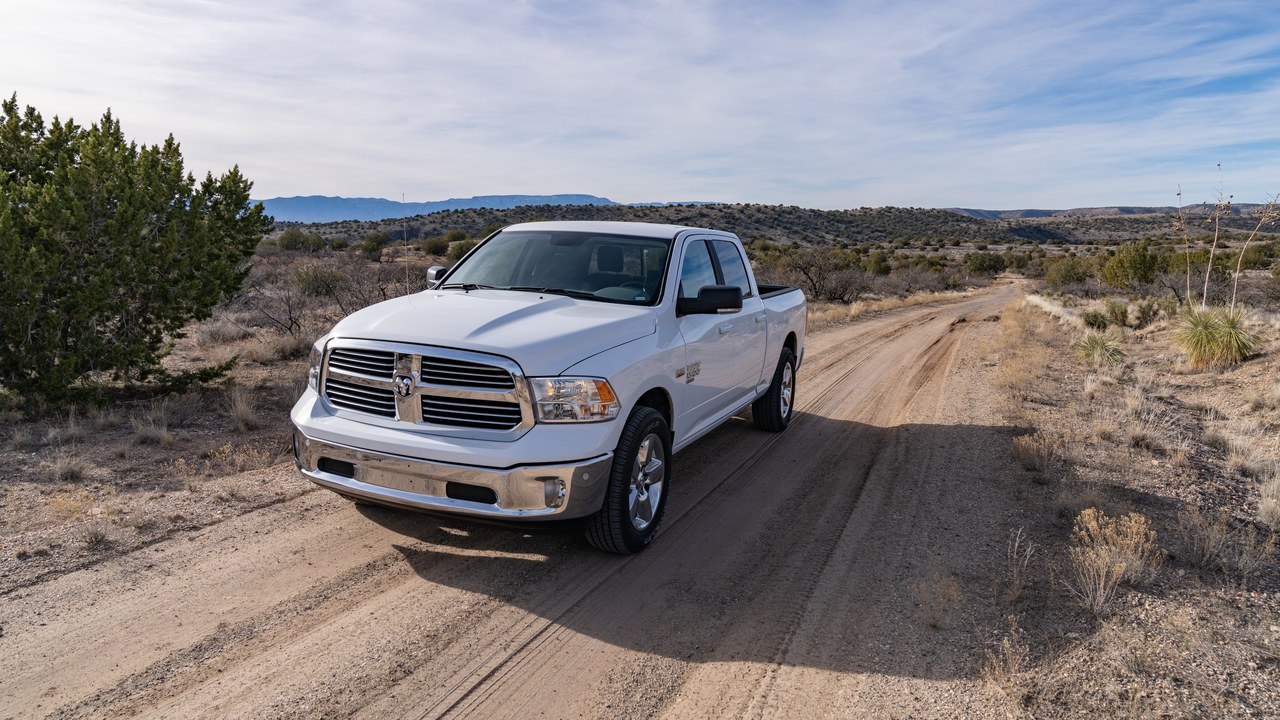
Ram’s 3.0-liter EcoDiesel V6 was offered on the 1500 across two truck generations and made up to 260 horsepower and 480 pound-feet, and in rear-drive form the EcoDiesel-equipped Ram 1500 posted highway figures in the low thirties. An eight-speed automatic with tall top gears held engine speed down, which is where most of the saving came from. Air suspension on upper trims lowered the body at speed to cut aerodynamic drag.
Stellantis has since moved the lineup toward its twin-turbocharged Hurricane inline-six, so the diesel is increasingly a used-market proposition rather than a showroom choice. Anyone shopping secondhand should budget for emissions-system maintenance, the standard running cost of diesel ownership.
6. GMC Sierra Diesel: Same Engine, Heavier Trim
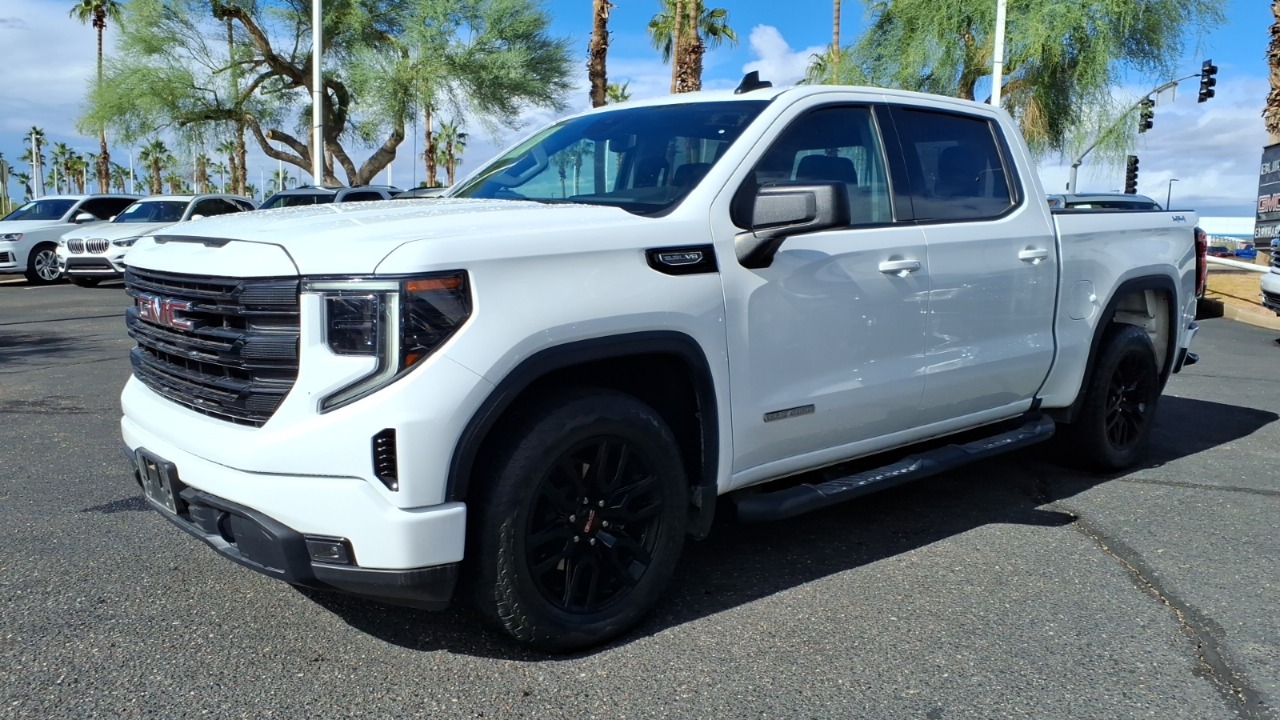
Mechanically the Sierra shares the Silverado’s frame and its Duramax inline-six, so consumption tracks closely between the two trucks. Where they diverge is packaging: Sierra Denali and AT4 trims add weight through leather, larger wheels and off-road hardware, and each of those shaves something off the rating. The most efficient Sierra is therefore a plainly equipped rear-drive one.
That makes the badge a poor guide to fuel use and the window sticker a good one. Cross-shopping the two General Motors trucks only works when identical cab, bed and drivetrain configurations are compared.
7. Toyota Tacoma Hybrid: Torque First, Economy Second
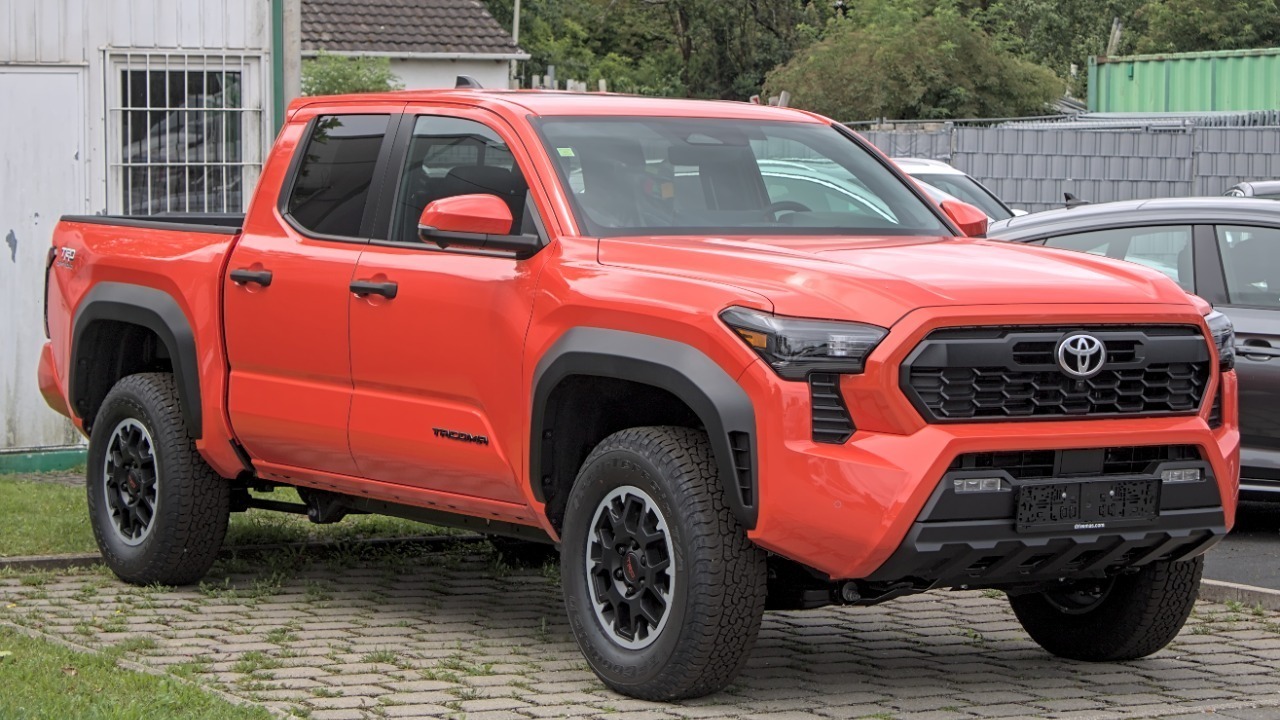
The current Tacoma i-FORCE MAX system mounts an electric motor between a turbocharged 2.4-liter four and an eight-speed automatic, yielding 326 horsepower and 465 pound-feet. Toyota calibrated it primarily for torque and low-speed response rather than maximum economy, so the combined rating sits in the low twenties. It still improves on the naturally aspirated V6 it replaced in the previous generation.
That distinction matters for anyone expecting Prius-style returns from a hybrid badge on a midsize truck. The gain is real but modest, and it arrives alongside sharper throttle response and a battery that can run accessory power at a campsite.
8. Ford Ranger: Small Displacement, Big Gearing
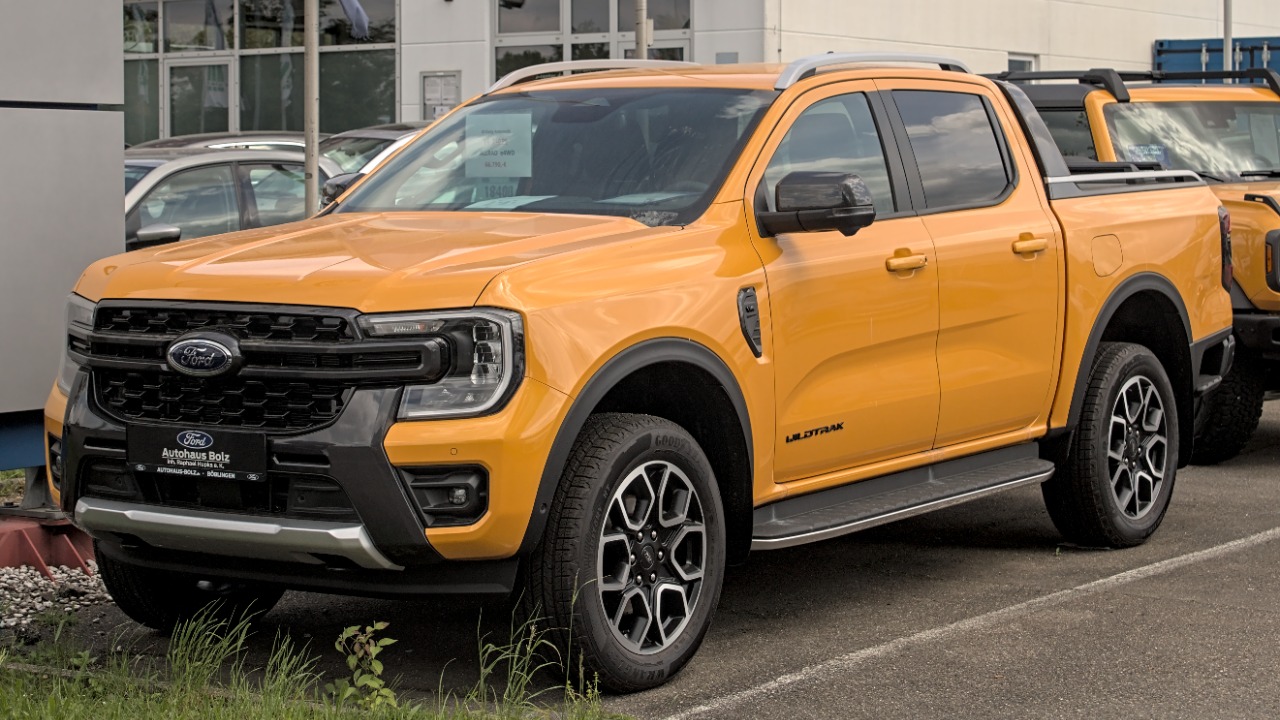
North American Rangers rely on a 2.3-liter EcoBoost four paired with a ten-speed automatic, a combination that lets a midsize truck cruise with the engine barely working. Rear-drive Ranger models return combined figures in the low twenties, and four-wheel drive with larger tires trims that further. Turbocharging supplies the torque the small displacement would otherwise lack.
The catch with small turbocharged engines is that hard use erases the advantage quickly, because boost demands fuel. Drivers who tow near the truck’s rated limit or carry heavy loads should expect real-world numbers well under the sticker figure.
9. Chevrolet Colorado: One Engine, Three Tunes
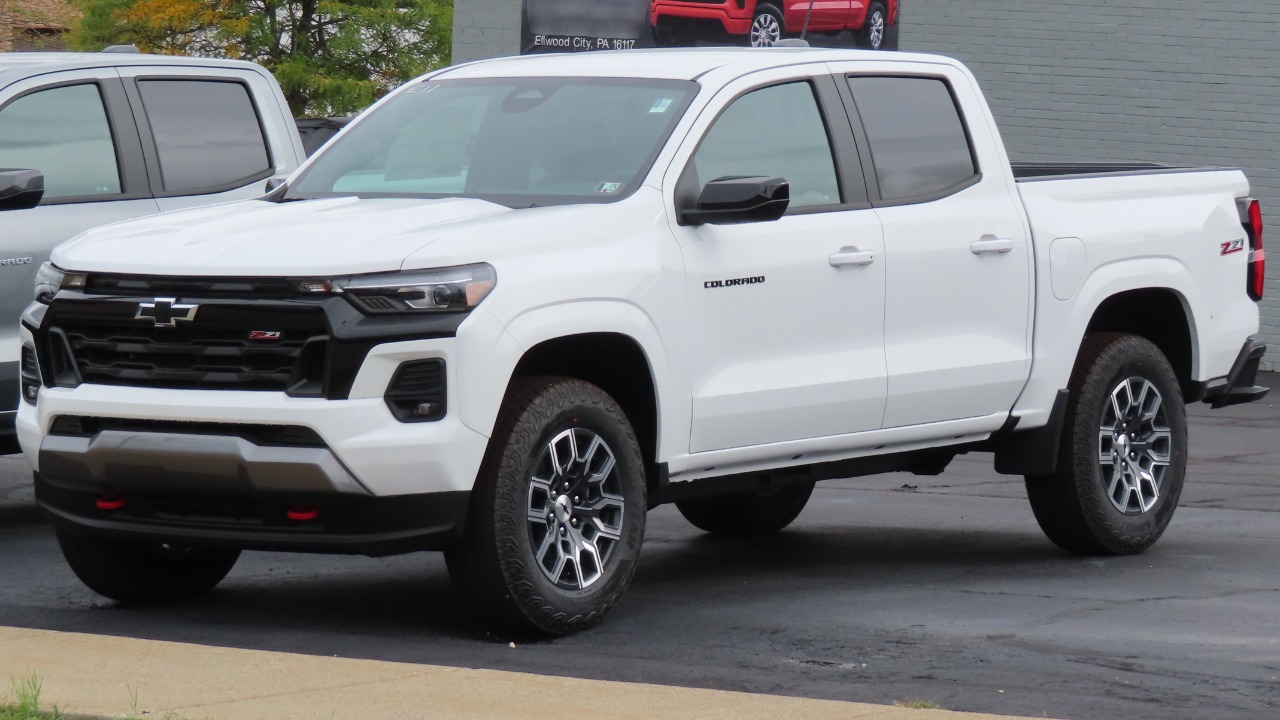
Chevrolet dropped both the V6 and the four-cylinder diesel from the current Colorado lineup, standardizing a 2.7-liter turbocharged four across every trim in three output tunes. The entry version makes 237 horsepower, and rear-drive configurations return roughly 20 mpg combined. Consolidating on one engine let the company optimize a single calibration instead of splitting development three ways.
Those numbers look modest beside a compact hybrid pickup, which is the honest measure of what a body-on-frame midsize truck costs at the pump. Within its own segment, though, the turbocharged four is the efficient choice rather than the compromise.
More from Morning Overview
- Scientists spotted a rare tusked whale alive at sea for the first time, then fired a crossbow at it.
- A Colorado wildfire forced level-three ‘leave now’ orders across Ouray County
- A skeleton beneath Petra’s Treasury was found clutching a chalice that resembles the Holy Grail
- 8 SUVs mechanics are quietly steering buyers away from in 2026
