Image Credit: Jason Lawrence - CC BY 2.0/Wiki Commons
American agency motor pools have narrowed to a short list of vehicles that can absorb hard duty cycles, heavy upfitting and years of idling at the curb. The survivors are almost all body-on-frame trucks and utilities, chosen for payload and parts commonality rather than comfort. Here are nine trucks and SUVs that fill police and fleet garages across the country.
1. Ford Police Interceptor Utility: The Cruiser That Replaced the Crown Victoria
📷 Albert Stoynov/Unsplash
Ford built the Police Interceptor Utility as a police-only Explorer derivative, putting it into production for the 2013 model year as the Crown Victoria left the line after three decades of patrol duty. The utility body gave departments room for cages, weapons mounts and radio gear that a sedan trunk could not swallow, while the pursuit rating meant the vehicle could still be driven hard.
Idle time rather than odometer mileage defines a patrol vehicle’s working life, which is why the hybrid powertrain that became standard with the 2020 redesign matters more to a city budget than acceleration does. Agencies replacing aging cruisers now default to this body style, and the upfitting industry has followed them.
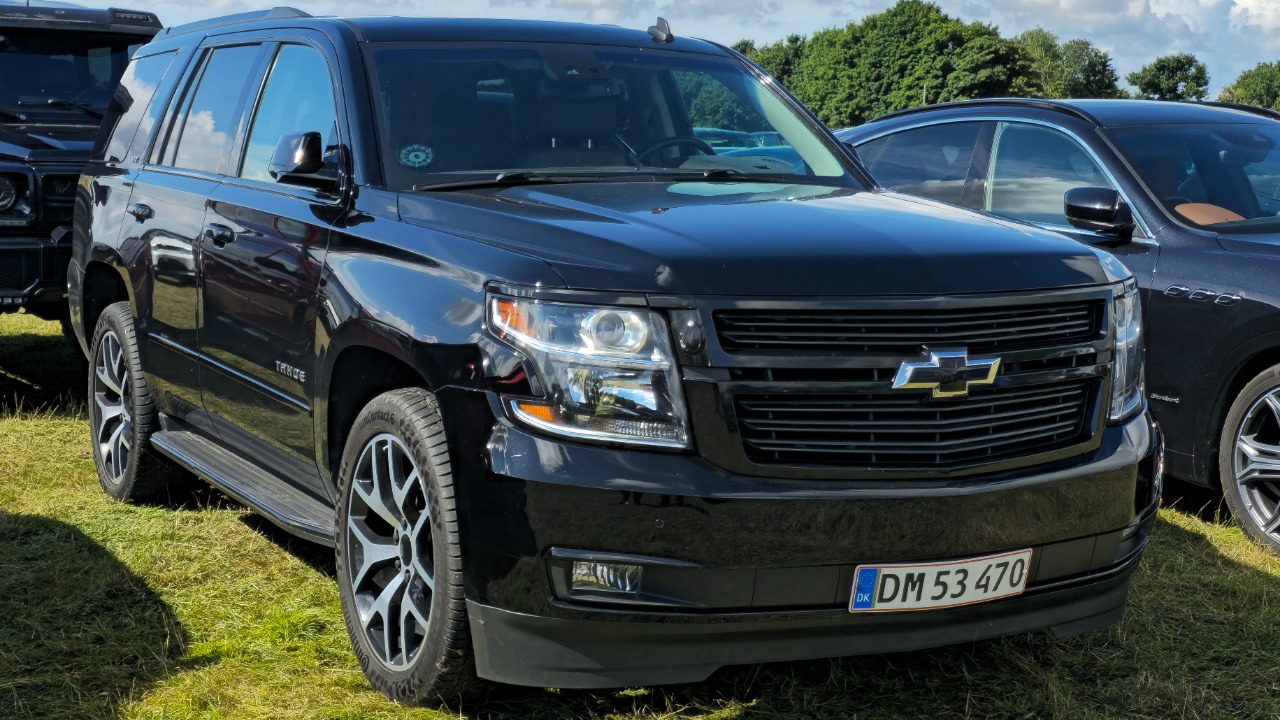
2. Chevrolet Tahoe: The Pursuit-Rated Full-Size Standard
Image Credit: Calreyn88 – CC BY-SA 4.0/Wiki Commons
Chevrolet sells agencies two versions of the full-size Tahoe platform: a pursuit-rated Police Pursuit Vehicle and a non-pursuit Special Service Vehicle. Both keep the body-on-frame construction and V8 power the Tahoe shares with the Silverado pickup, which is what gives sheriff and highway units their towing and payload margin.
The fifth generation, introduced for 2021, traded the solid rear axle for independent rear suspension and opened up third-row and cargo room without stretching the truck. That change matters to fleets that carry prisoners, K-9 handlers and equipment in the same vehicle on the same shift.
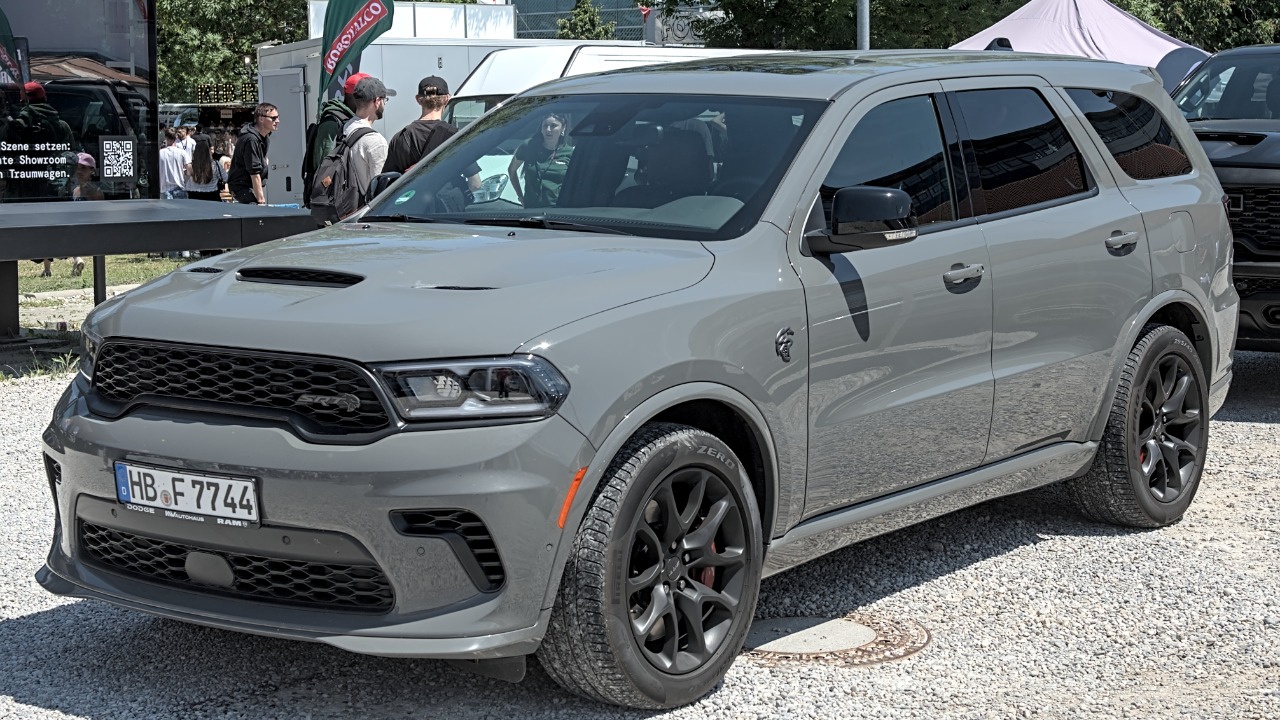
3. Dodge Durango: The Unibody Answer to a Full-Size Cruiser
Image Credit: Alexander Migl – CC BY-SA 4.0/Wiki Commons
Stellantis answers the pursuit-SUV question with the Durango Pursuit trim, a factory police package added for the 2018 model year with all-wheel drive and an available 5.7-liter Hemi V8. Unlike its body-on-frame rivals, the Durango is a unibody design sharing architecture with the Jeep Grand Cherokee, which keeps its mass and ride height closer to a car’s.
For departments that want pursuit capability without stepping up to a full-size truck, that middle position is the entire selling point. It also keeps a Dodge product in patrol service now that the brand’s gasoline pursuit car has ended production.
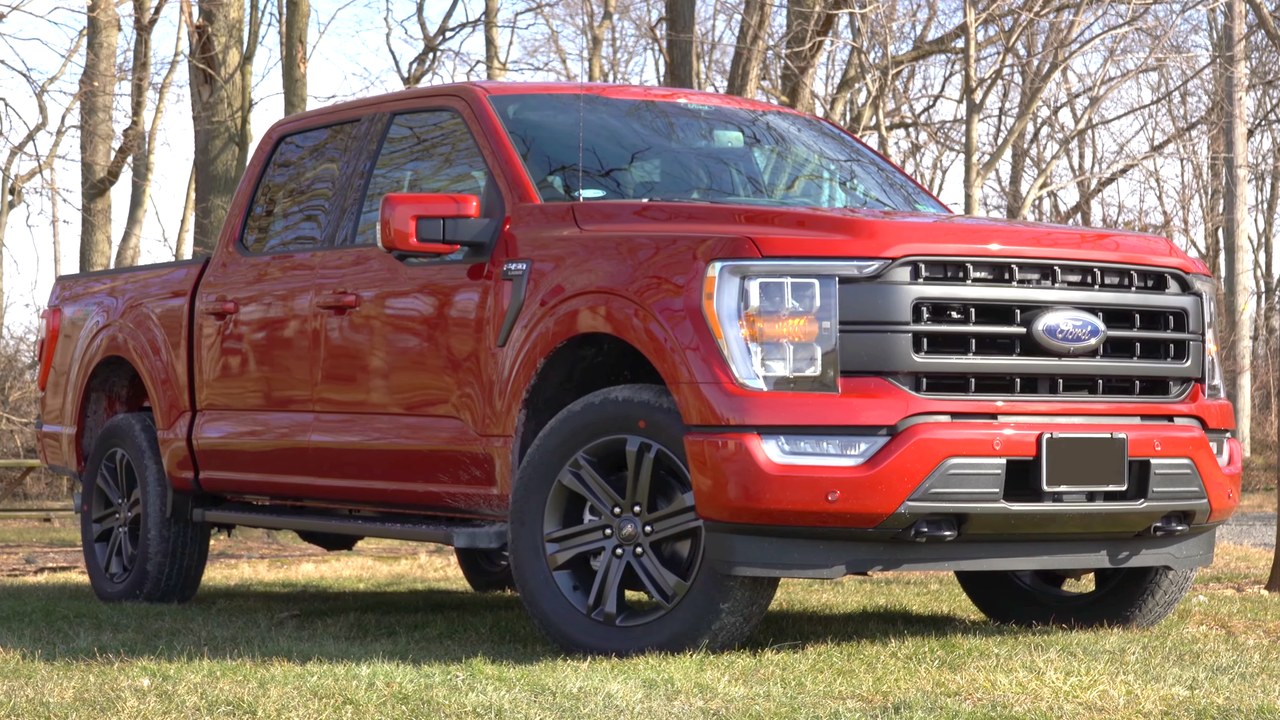
4. Ford F-150: America’s Default Fleet Pickup
Image Credit: Gold Pony – CC BY 3.0/Wiki Commons
The half-ton Ford anchors the fleet side of an agency lot rather than the patrol side. The Ford F-Series line has been the best-selling truck in the United States since 1977 and the best-selling vehicle of any kind since 1981, a run that made it the default purchase for public works, utility and inspection departments. Ford builds special-service and pursuit-rated versions on the same chassis.
Volume becomes its own argument at fleet scale: parts, upfitters and trained technicians exist in every county, so a municipal garage can keep a truck earning without specialist support.
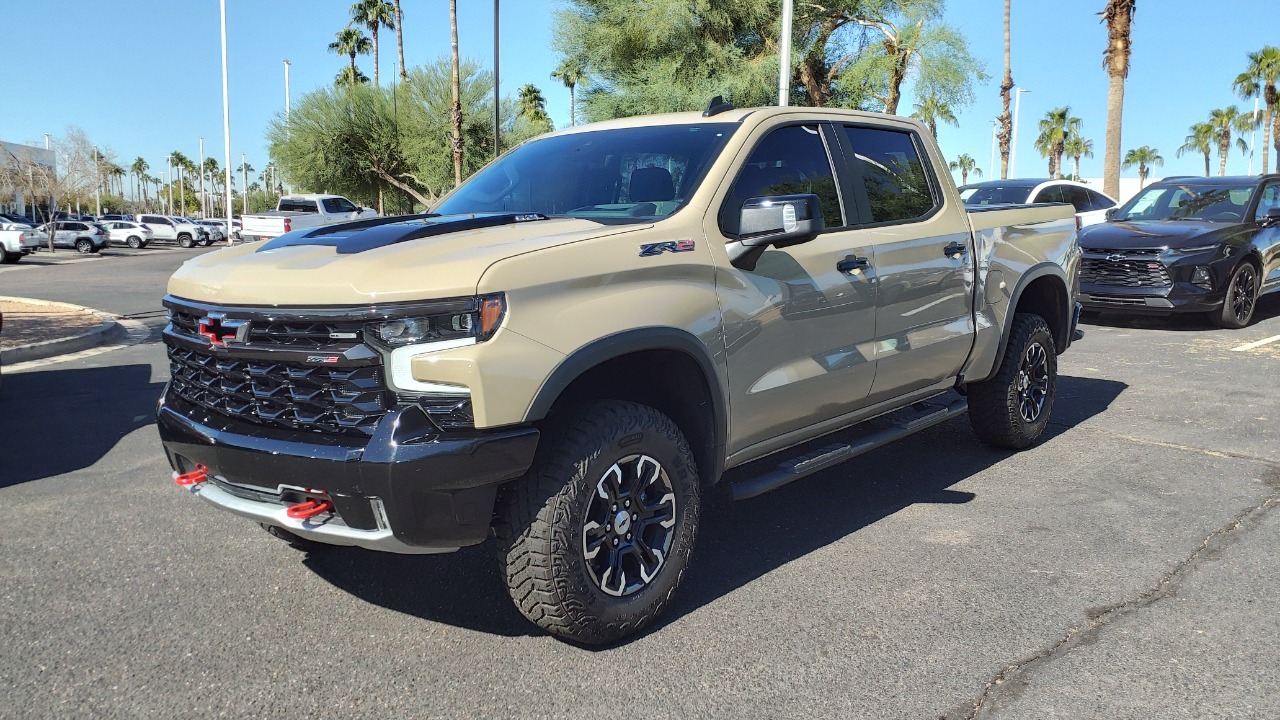
5. Chevrolet Silverado: The Work Truck Trim That Wins Bids
Image Credit: HJUdall – CC0/Wiki Commons
The Chevrolet Silverado nameplate arrived for the 1999 model year as the replacement for the long-running C/K trucks, and it is the stripped Work Truck specification that actually appears on government purchase orders. Vinyl flooring, basic seating and a bare cab hold the unit price down when a department is buying dozens at once.
Chevrolet also builds special-service variants with police wiring and auxiliary electrical provisions for agencies that need a pickup rather than a utility. The same trucks reappear on contractor job sites working public projects, bought for identical reasons.
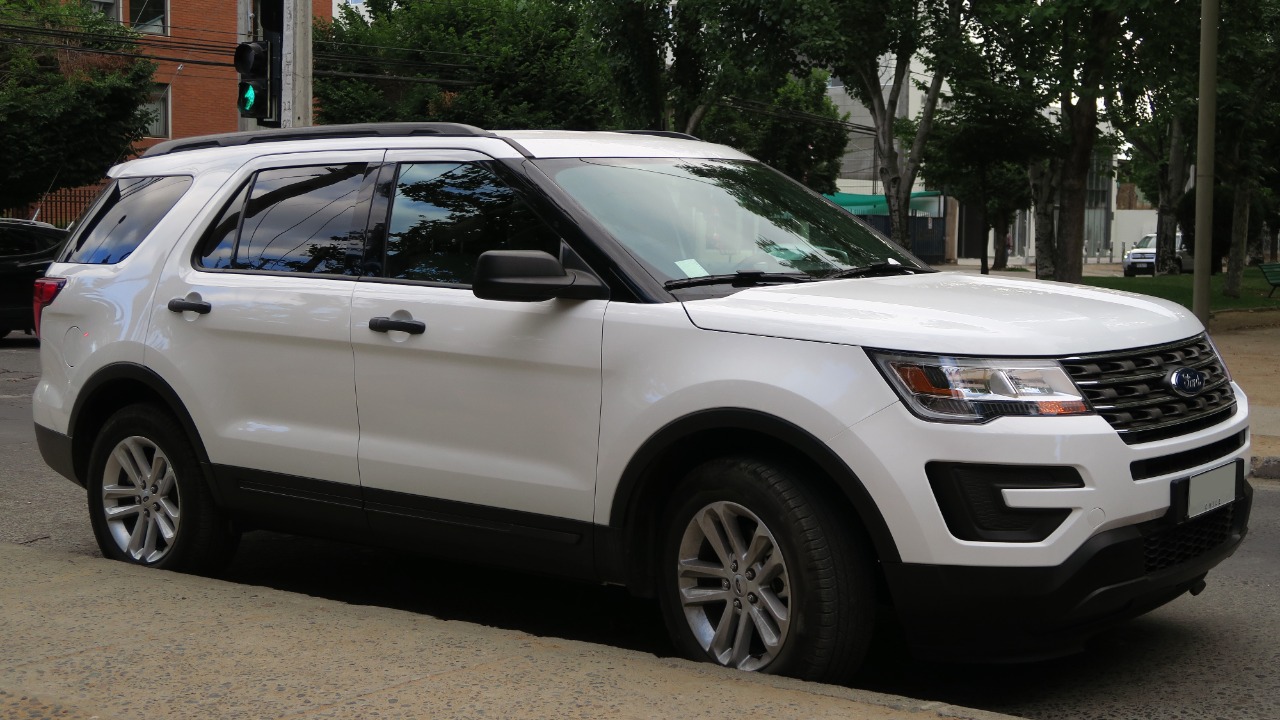
6. Ford Explorer: One Silhouette Doing Two Jobs
Image Credit: RL GNZLZ from Chile – CC BY-SA 2.0/Wiki Commons
Beyond the police-only build, the civilian Ford Explorer occupies agency parking in its own right, assigned to detectives, code inspectors and administrators who never need pursuit hardware. The sixth generation, launched for 2020, moved back to a rear-wheel-drive-based platform, which is precisely what made a credible police variant possible again.
Running one nameplate across pursuit and non-pursuit duty simplifies a fleet manager’s parts inventory, service scheduling and driver familiarization, because the police build and the retail truck share most of their brakes, suspension components and body panels. It also explains why a single silhouette repeats down an entire municipal lot.
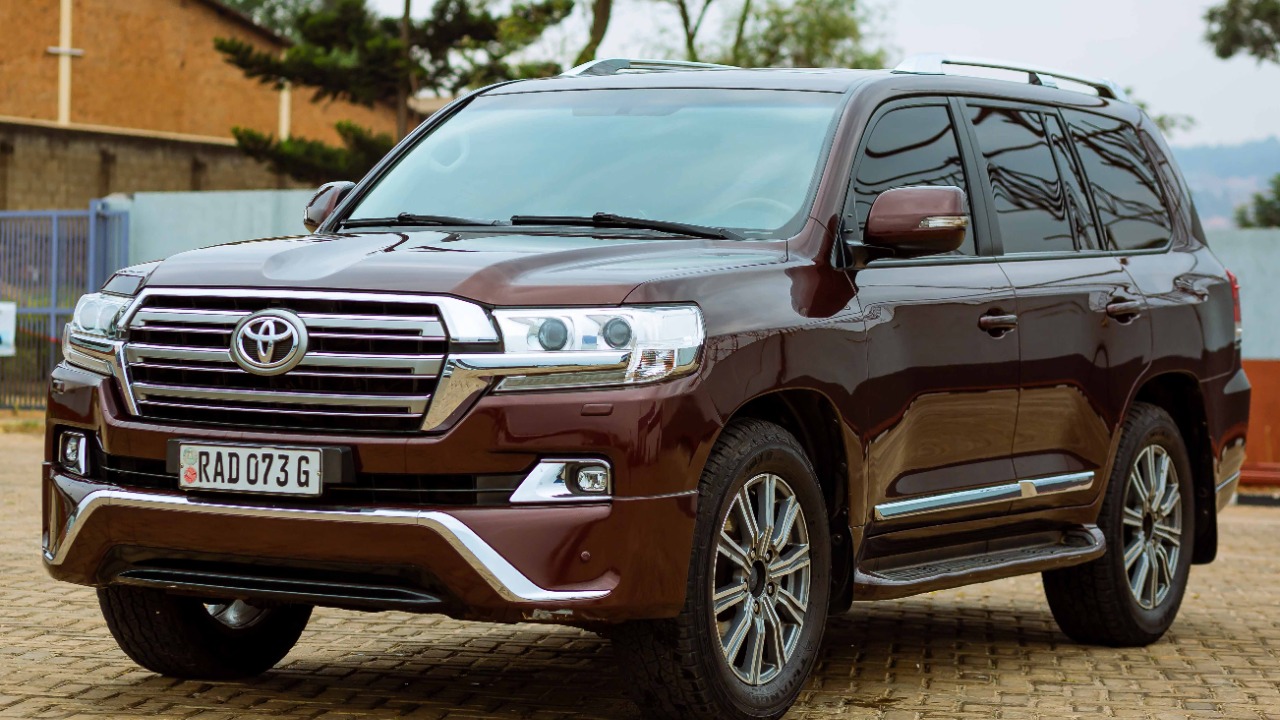
7. Toyota Land Cruiser: The Nameplate Built for No Roads
Image Credit: Safi Erneste/Pexels
The Toyota Land Cruiser has been in continuous production since 1951, and the utilitarian 70 Series has been built since 1984 for exactly the duty that destroys lighter vehicles. That record is why relief organizations, militaries and agencies working far from pavement keep specifying it when recovery is days away rather than hours.
American availability has been the complication. Toyota stopped selling the Land Cruiser in the United States after the 2021 model year and returned the nameplate for 2024 on a smaller platform, so a fleet ordering one today is buying a different vehicle than the one that earned the reputation.
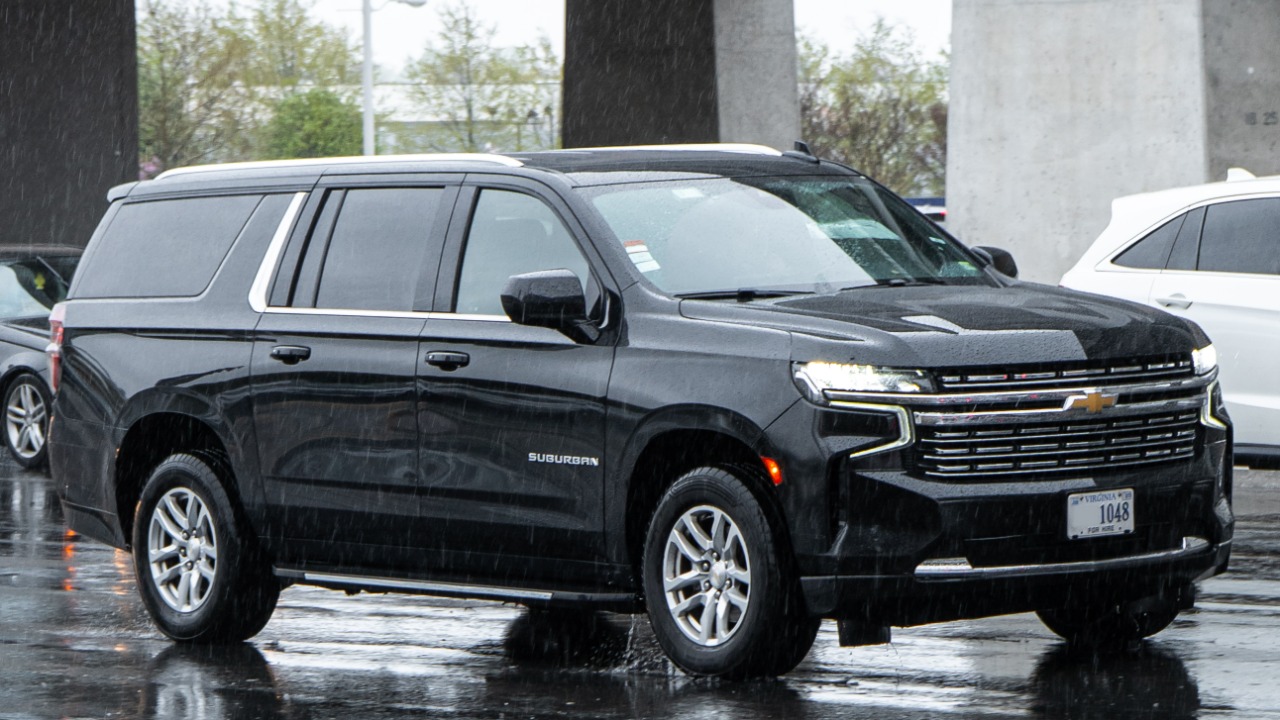
8. Chevrolet Suburban: The Longest-Running Nameplate in America
Image Credit: OWS Photography – CC BY 4.0/Wiki Commons
Chevrolet has used the Suburban nameplate continuously since 1935, the longest run of any automobile name in the United States, though its appeal to government buyers has nothing to do with badge history. The Suburban is a Tahoe on a longer wheelbase, which buys a genuinely usable third row plus cargo space behind it.
Seating, equipment room and a body-on-frame chassis rated for real weight are what protective details, federal agencies and airport operations need from one vehicle. Armored conversions add substantial mass, and the platform was engineered to carry it.
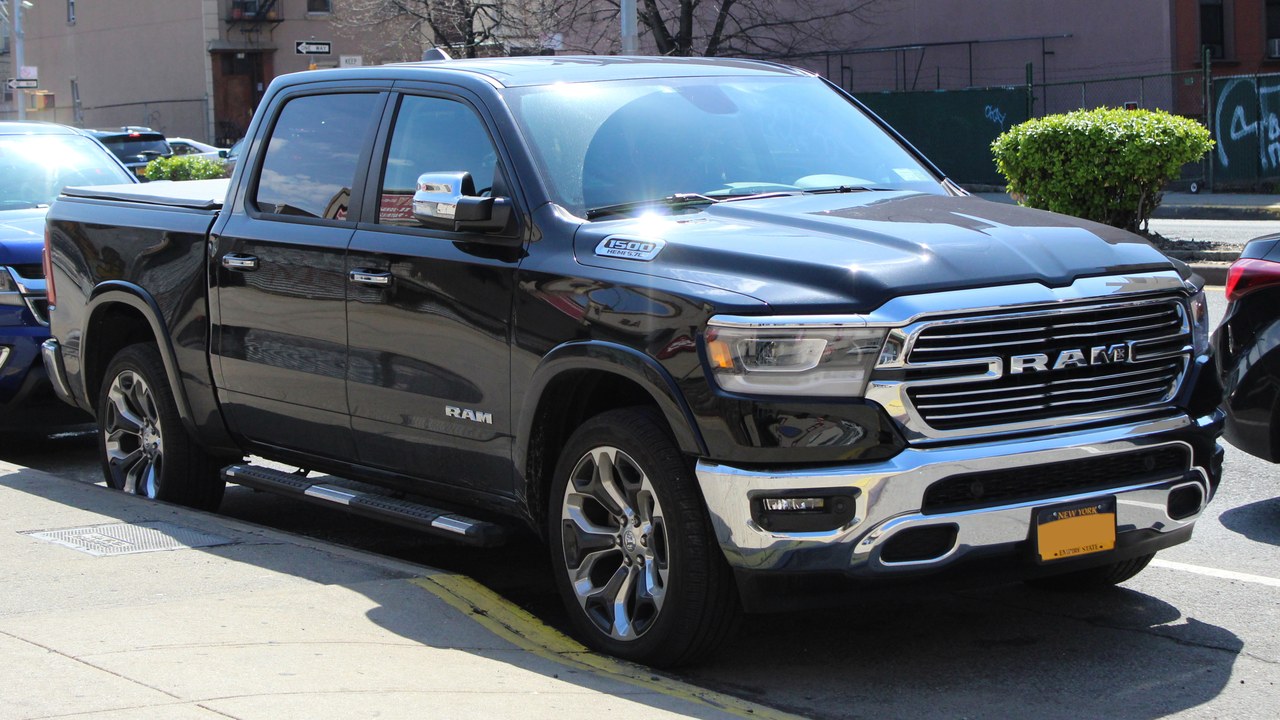
9. Ram 1500: The Coil-Sprung Outlier in the Fleet Lot
Image Credit: Kevauto – CC BY-SA 4.0/Wiki Commons
Chrysler spun the Ram truck line out of Dodge into a separate brand in 2010, and the half-ton 1500 has anchored it ever since. The fifth generation arrived for the 2019 model year on a body-on-frame chassis with an available 5.7-liter Hemi V8, an eTorque mild-hybrid option and a coil-spring rear suspension where its full-size rivals still run leaf springs.
Fleet buyers order from the bottom of the trim ladder, and the base Tradesman specification exists for exactly that customer: a plain cab and hard-wearing surfaces over the same frame and drivetrain the expensive trucks use. Public works crews, utility districts and rural sheriff departments want payload, towing and a bed, then send the truck to an upfitter.
More from Morning Overview
Morning Overview is reader-supported. Some links in our articles are affiliate links, and we may earn a commission at no extra cost to you. As an Amazon Associate I earn from qualifying purchases. Full disclosure.