Throughout history, human innovation has drawn inspiration from the natural world. From mimicking the structures of animals to replicating natural processes, these technological marvels demonstrate how nature continues to influence modern innovation. Here are nine fascinating examples of tech that originated in nature.
Velcro and Burrs
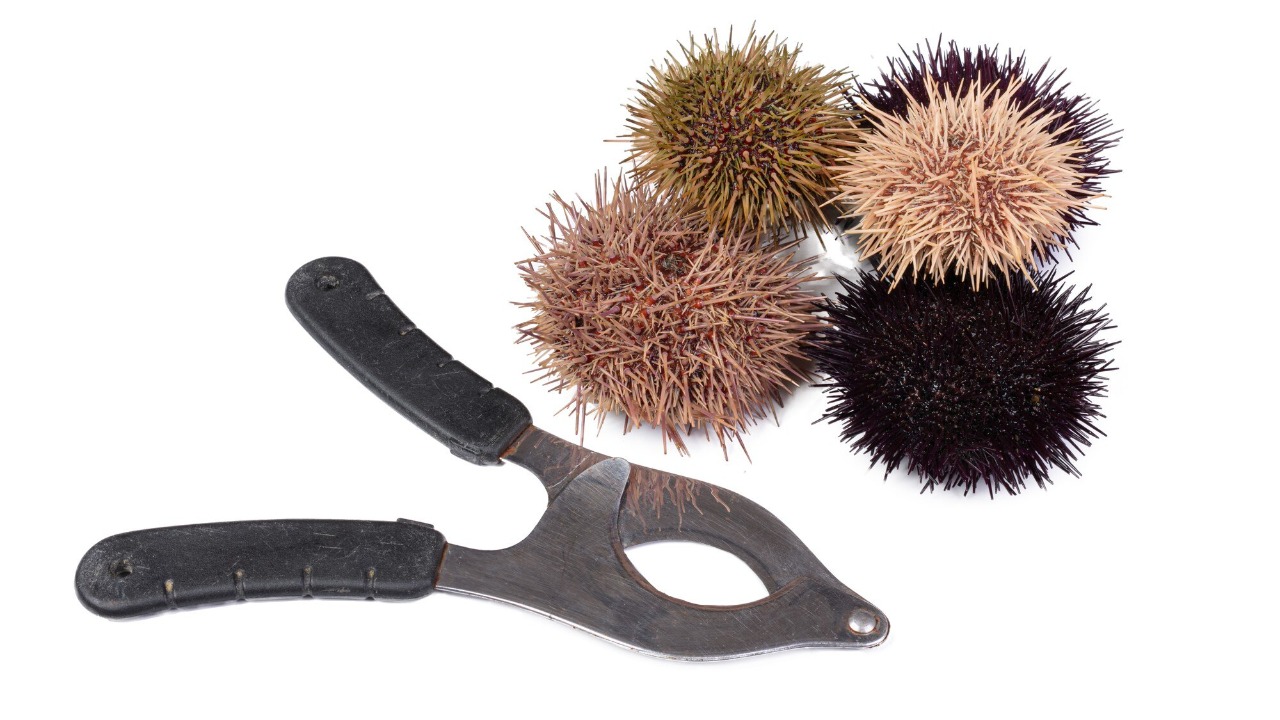
Velcro’s invention is a classic example of biomimicry. Swiss engineer George de Mestral discovered the concept in 1941 after noticing how burrs clung to his dog’s fur. The tiny hooks on the burrs inspired him to create a hook-and-loop fastener, which we now know as Velcro. This simple yet effective design has become a staple in various industries, from fashion to aerospace.
Velcro’s versatility and ease of use have made it indispensable for both everyday and specialized applications. Its origin story reminds us that even the simplest natural mechanisms can lead to groundbreaking inventions.
Bullet Train and Kingfisher Beak
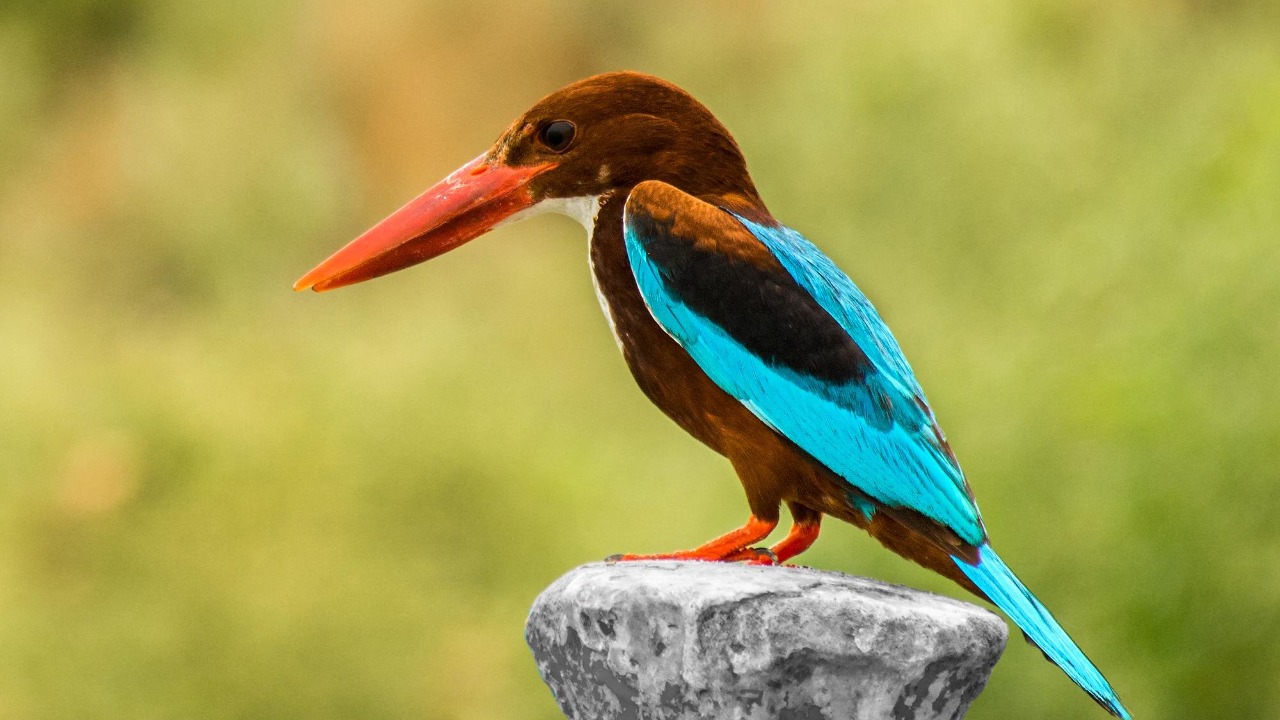
The design of the Shinkansen bullet train in Japan was inspired by the kingfisher’s beak. Engineers faced the challenge of reducing the loud noise produced when trains exited tunnels at high speeds. Observing the kingfisher, which dives into water with minimal splash, they redesigned the train’s nose to mimic the bird’s beak. This modification reduced noise, increased speed, and improved energy efficiency.
This example highlights the importance of looking to nature for solutions to complex engineering problems. The kingfisher-inspired design demonstrates how a simple, natural shape can solve multifaceted issues in technology.
Gecko Tape and Gecko Feet
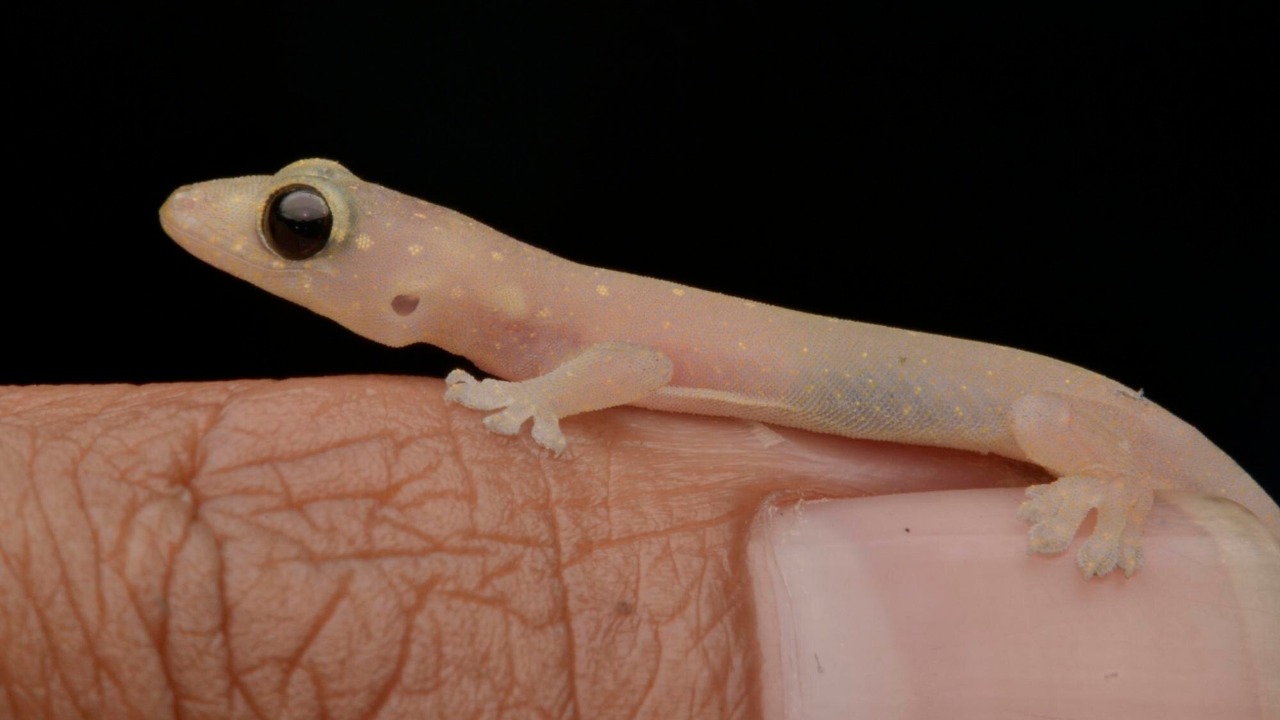
Gecko tape is a revolutionary adhesive inspired by the fine hairs on a gecko’s feet, which allow it to cling to surfaces effortlessly. The tape uses a similar principle, employing microscopic structures that create van der Waals forces to stick to surfaces without leaving residues. This innovation offers a reusable and strong adhesive solution for various applications.
The development of gecko tape exemplifies how understanding natural adhesion mechanisms can lead to practical and sustainable solutions in materials science.
Wind Turbines and Whale Fins

Engineers have drawn inspiration from humpback whale fins to improve the efficiency of wind turbines. The unique bumps, or tubercles, on the whale’s fins help reduce drag and increase lift. By incorporating these features into turbine blade designs, engineers have been able to create blades that capture more wind energy and operate more quietly.
This innovation demonstrates the potential of biomimicry in the renewable energy sector, showcasing how studying animal adaptations can lead to more efficient and sustainable technologies.
Lotus Effect and Self-Cleaning Surfaces

The lotus effect refers to the water-repellent property of lotus leaves, which keeps them clean and dry. Inspired by this natural phenomenon, scientists have developed self-cleaning surfaces for various applications, from building materials to textiles. These surfaces mimic the micro- and nanoscale structures of lotus leaves, causing water to bead up and roll off, taking dirt with it.
The adoption of the lotus effect in technology illustrates how understanding natural surface structures can lead to innovations that enhance cleanliness and reduce maintenance costs.
Shark Skin and Swimwear
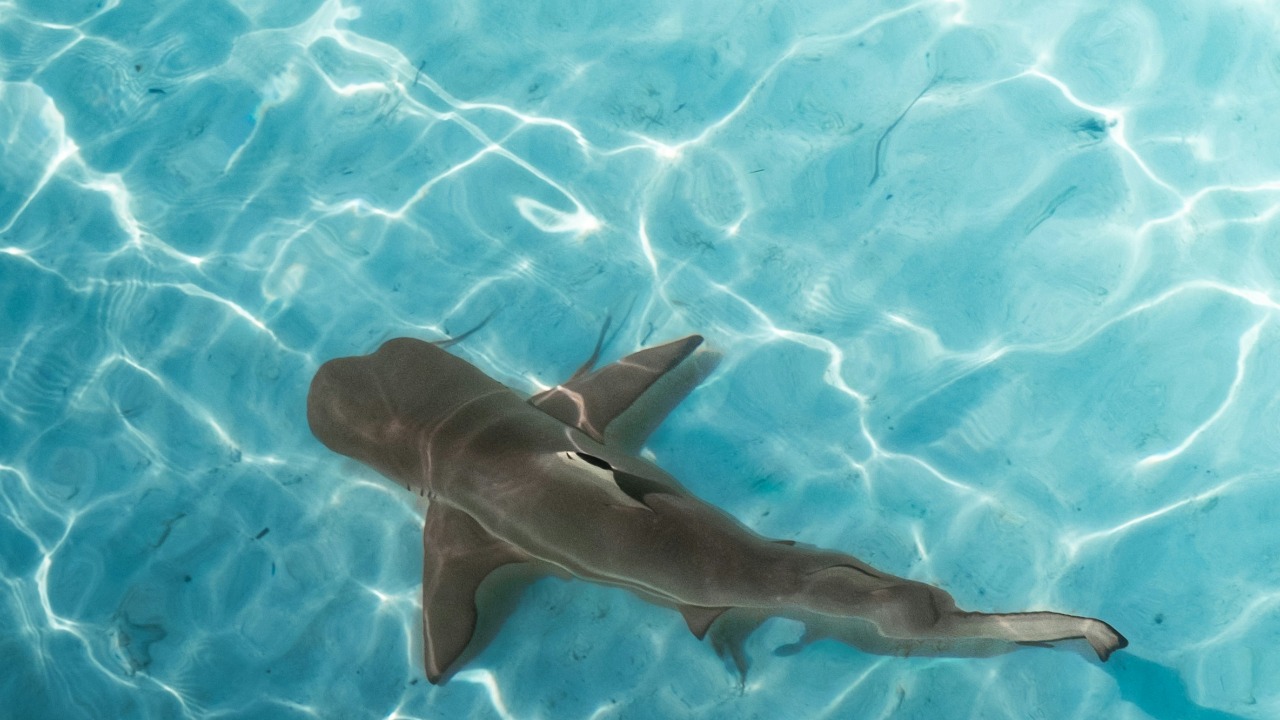
Shark skin has inspired the design of high-performance swimwear. The dermal denticles on a shark’s skin reduce drag and increase swimming efficiency. Companies have mimicked these structures to create swimsuits that enhance speed and performance in competitive swimming.
This biomimetic approach, however, has sparked debate over fairness in sports, leading to regulations on swimwear technology. Regardless, it underscores how nature can inform the design of materials that improve human performance.
Termite Mounds and Climate Control Architecture

Termite mounds have inspired architects to create buildings with natural climate control systems. These structures maintain a stable internal temperature despite external fluctuations, thanks to their intricate design. By mimicking these natural ventilation systems, architects have developed energy-efficient buildings that reduce reliance on artificial heating and cooling.
This example highlights how nature’s architectural blueprints can guide sustainable building practices, promoting energy conservation and environmental harmony.
Spider Silk and Strong Fibers
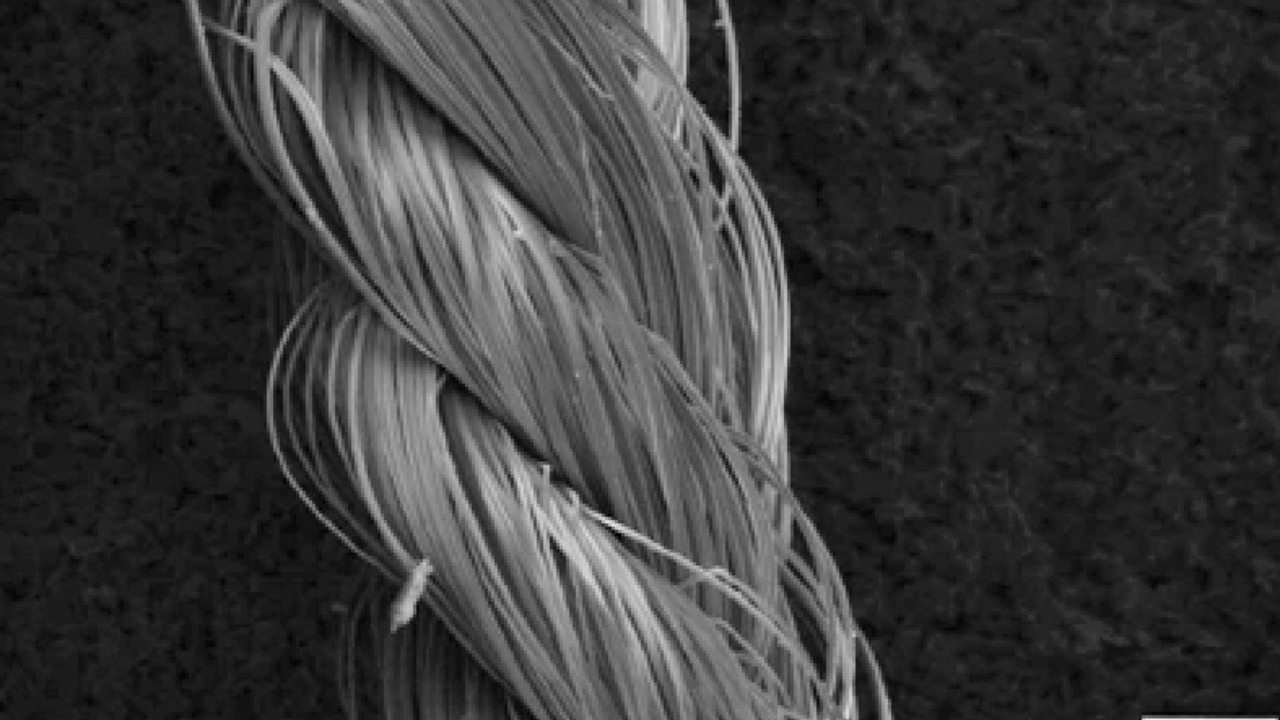
Spider silk is renowned for its incredible strength and elasticity. Scientists have been studying its properties to develop strong, lightweight fibers for use in various applications, including textiles and medical sutures. The potential to replicate spider silk’s qualities could revolutionize materials science, offering new solutions for a range of industries.
The pursuit of synthetic spider silk exemplifies how nature’s engineering can inspire breakthroughs in creating resilient and versatile materials.
Bioluminescence and LED Technology
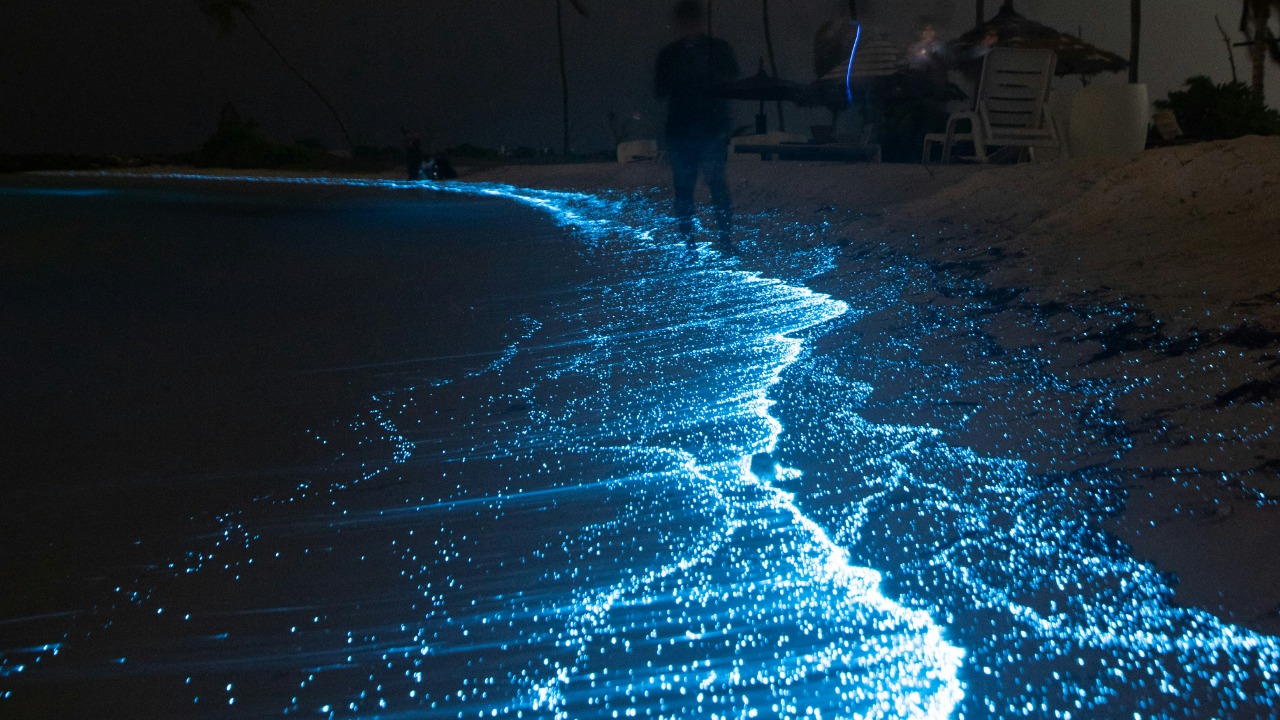
Bioluminescence in marine organisms has inspired advancements in LED technology. The efficient way in which these organisms produce light has guided researchers in developing LEDs that consume less energy while providing bright illumination. This innovation has applications in everything from display screens to energy-efficient lighting systems. By harnessing the principles of bioluminescence, scientists continue to push the boundaries of lighting technology, highlighting nature’s role in fostering sustainable advancements in energy consumption.
