
Sports cars have a reputation for temperamental ownership, but not every model fits that stereotype. Some rely on decades of mechanical refinement, shared platforms, or deliberately simple engineering to keep repair bills rare and long-term owners satisfied. This list runs through these nine sports cars.
1. Mazda MX-5: Simple And Sturdy
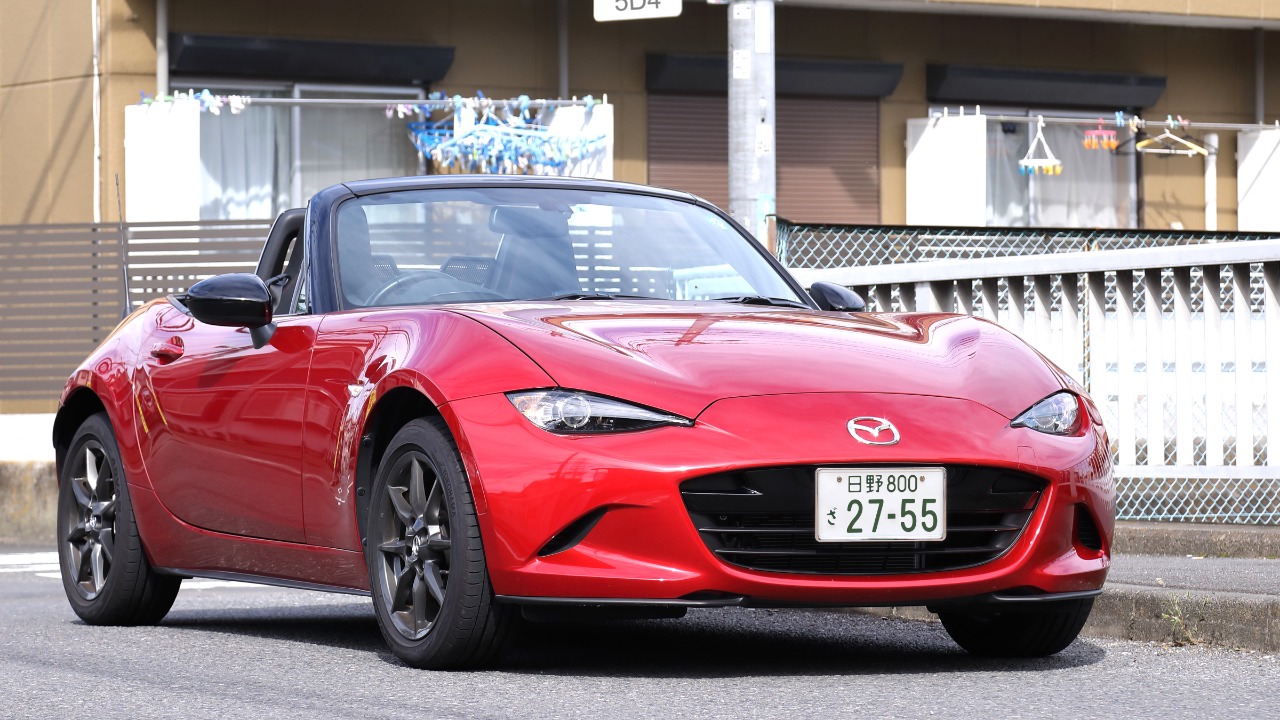
The Mazda MX-5 earns its dependable reputation through mechanical restraint: a naturally aspirated four-cylinder, rear-wheel drive, and a lightweight body with few complex systems that can fail. Long-term owner surveys and dealer service records routinely rank the small roadster near the top of its class, with many cars passing well beyond 150,000 miles on the original engine and gearbox.
Its modest power output works in its favor, since the drivetrain rarely gets pushed hard enough to expose a weak point. Body rust on older, higher-mileage examples is the more common long-term worry, not anything mechanical underneath the hood.
2. Porsche 911: Modern Marks Improve
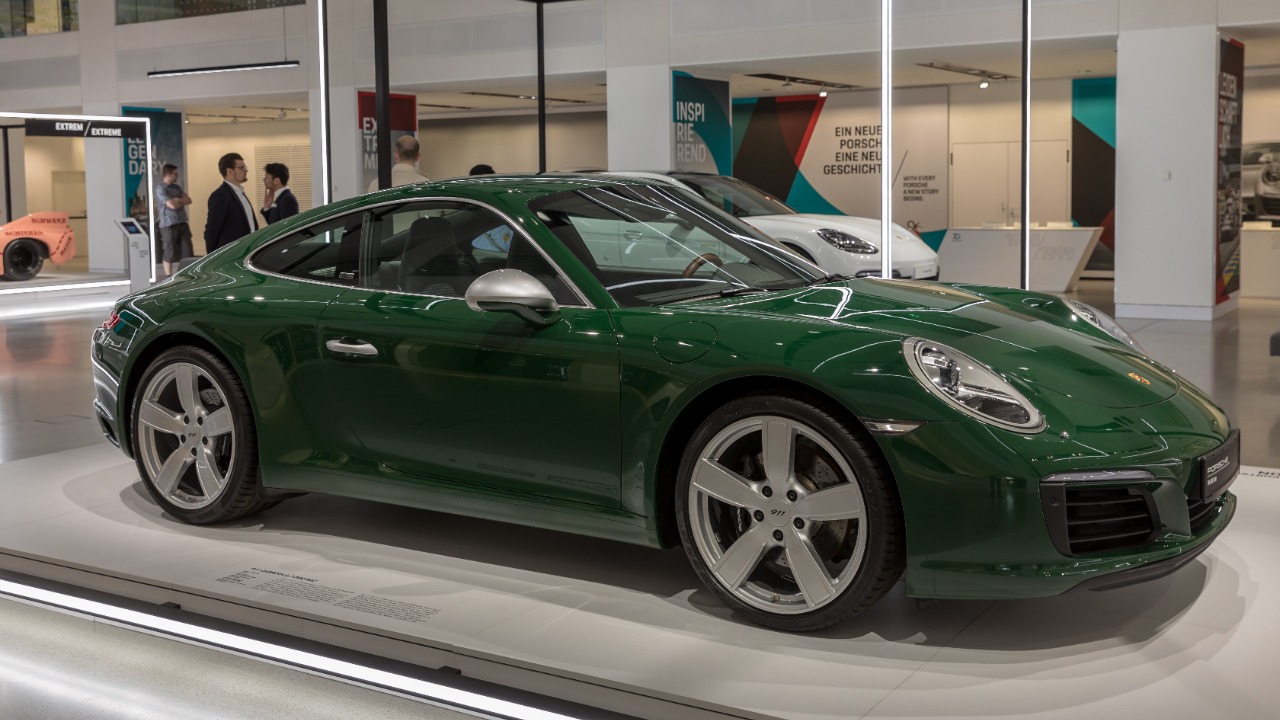
The rear-engine icon has a reputation for costly upkeep, but recent generations post unusually strong reliability scores for a performance car, thanks to decades of refinement on essentially the same air-cooled-turned-water-cooled architecture. Owner-satisfaction surveys often place newer 911s above ordinary family sedans built in the same model years.
Maintenance bills still run higher than average once a car ages out of warranty, since parts and specialist labor are not cheap. What buyers get in return is a chassis that tends to keep working exactly as designed for a very long time.
3. Toyota Supra: Borrowed Bones, Solid Marks
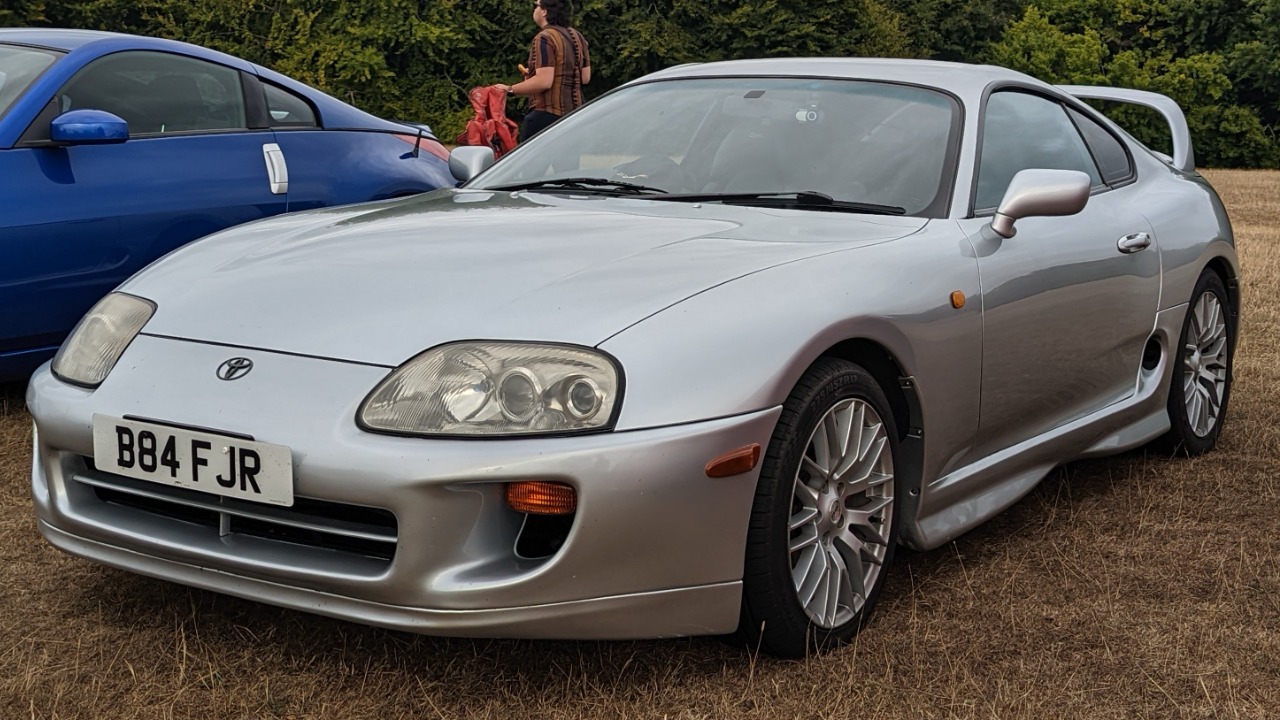
The fourth-generation Toyota Supra owes much of its lasting reputation to its inline-six 2JZ engine, an unusually overbuilt design that tolerates high mileage and even significant aftermarket power increases without the internal damage that dooms lesser engines. Long after production ended, the 1990s coupe is still cited by independent mechanics as one of the more forgiving performance engines to own.
That built-in toughness meant ownership stayed straightforward long before pop culture turned the car into a modern icon. Even heavily modified examples from this era tend to keep running reliably decades later, a rare trait for a car engineered first and foremost for outright speed.
4. Chevrolet Corvette: Supercar Without The Drama
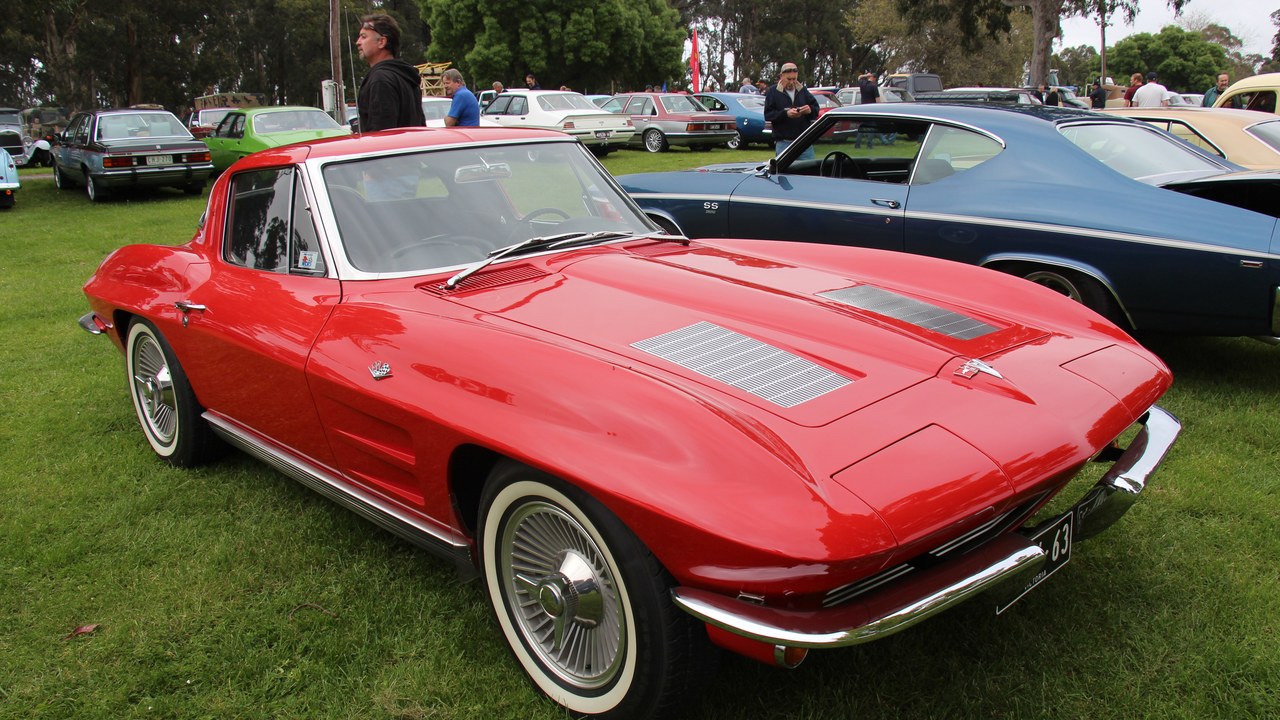
The Chevrolet Corvette delivers supercar-rivaling performance from a comparatively simple pushrod V8, a design philosophy that has stayed remarkably consistent for decades. That simplicity pays off in the dependability data: the American sports car rarely leaves owners stranded and tends to need less specialist attention than European rivals with similar output.
Parts and service are also widely available at ordinary Chevrolet dealers rather than boutique specialists. That combination of speed and everyday usability is a large part of why it keeps a loyal following across generations.
5. Nissan 370Z: Old Bones, Still Tough
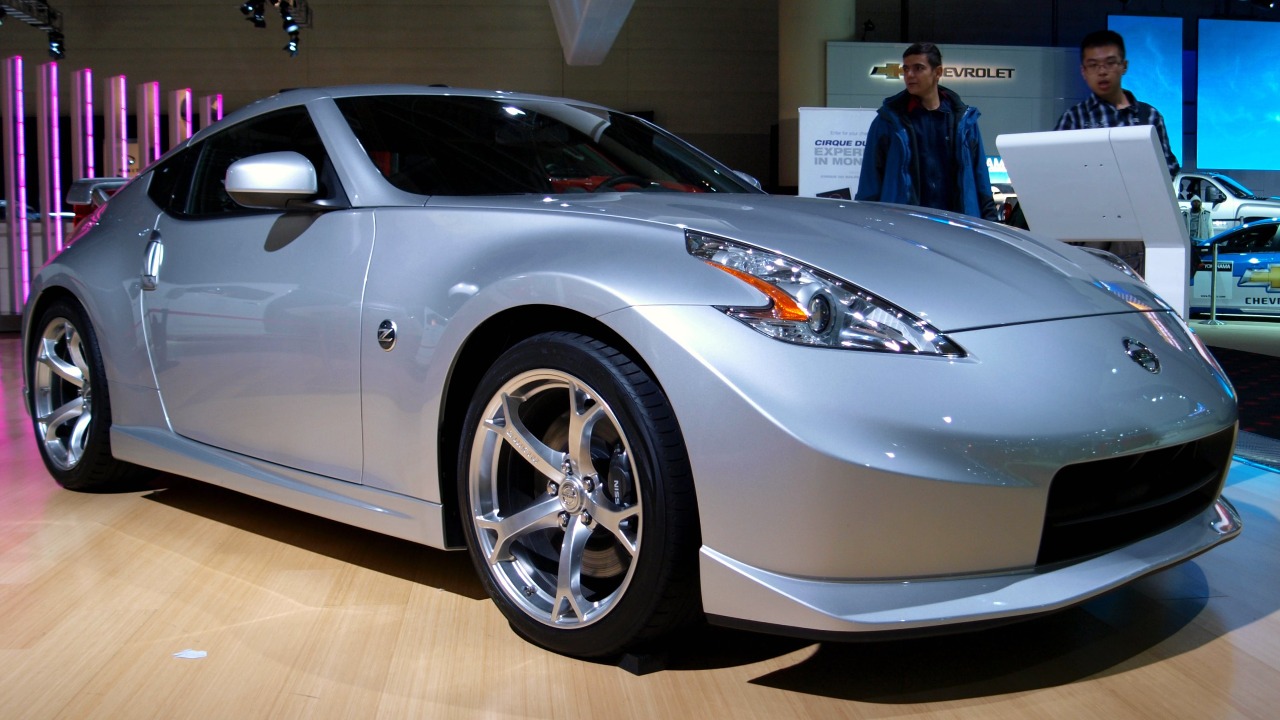
The Nissan 370Z rode on a platform and V6 engine that stayed largely unchanged for its entire production run, and that lack of churn gave engineers years to iron out early weaknesses. The aging coupe is now regarded as one of the more rugged used sports-car buys on the market.
Its dated interior and firm ride are the tradeoffs for that mechanical maturity. Owners looking for a used sports car that will not nickel-and-dime them tend to rate it well above newer, more complex rivals.
6. Porsche Cayman: Balance Meets Engineering
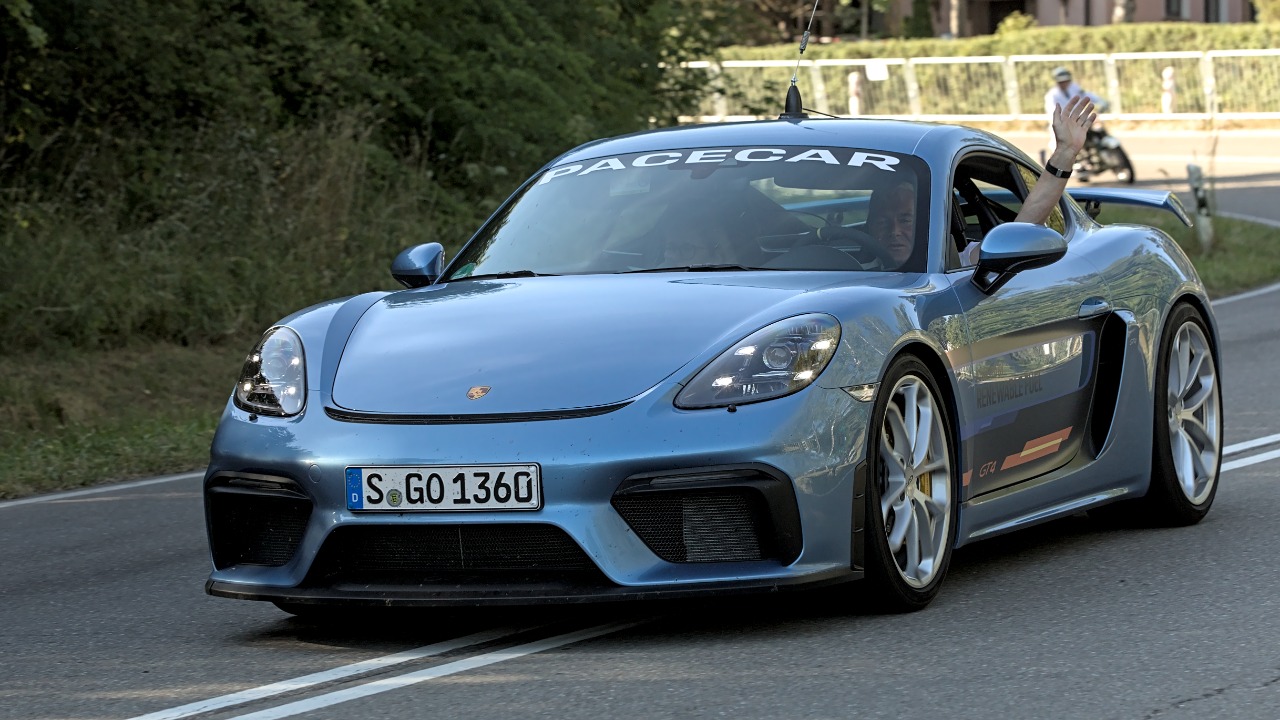
The Porsche Cayman pairs a mid-engine layout prized for handling balance with the same engineering discipline and parts-sharing that underpins the 911. That combination shows up in dependability figures too, since the mid-engine coupe typically scores above the broader sports-car segment average in owner-reported reliability surveys year after year.
As with other Porsches, routine service is pricier than a mainstream brand, so budgeting for maintenance ahead of time matters more than it would with a Corvette or Miata. Owners who plan for that cost are usually rewarded with a car that holds its performance and composure over many years of hard use.
7. Toyota 86: Cheap Thrills, Few Repairs
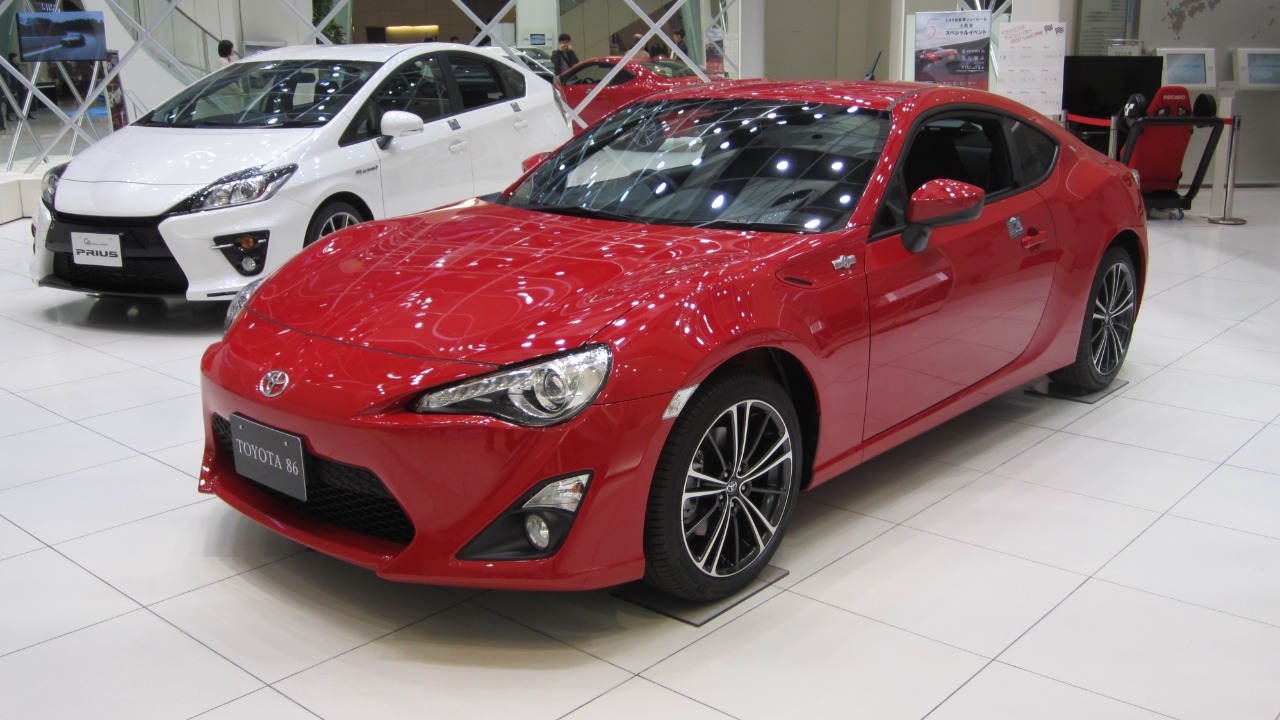
The Toyota 86 pairs a naturally aspirated boxer engine, developed jointly with Subaru, with a lightweight rear-wheel-drive chassis built specifically to keep running costs low. The boxer-powered coupe draws on Toyota’s broader reputation for durability, and its mechanical simplicity keeps unscheduled repair visits uncommon even once the odometer climbs into six figures.
Its modest horsepower figure disappoints drivers chasing outright straight-line speed, but that restraint is a large part of why the drivetrain lasts as long as it does. It remains one of the more affordable ways to own a genuine rear-wheel-drive sports car without frequent trips to the shop.
8. Subaru BRZ: Shared Platform, Low Drama
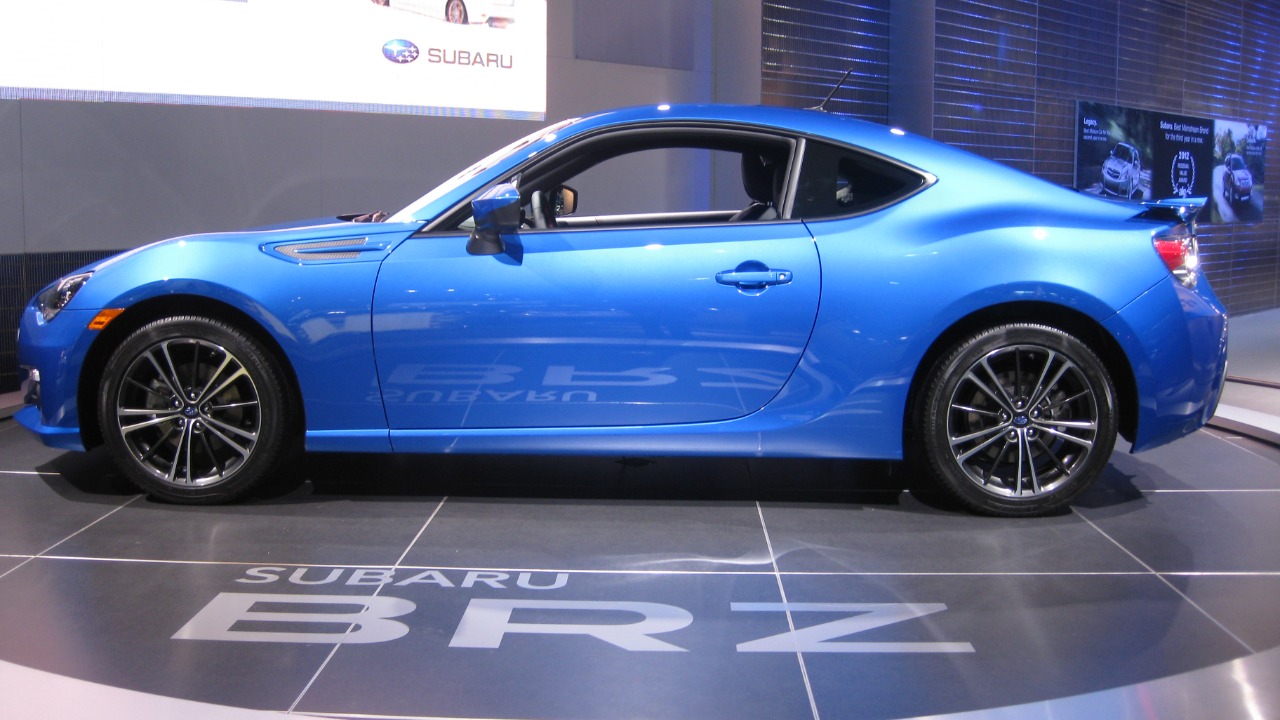
The Subaru BRZ is mechanically near-identical to the Toyota 86, built on the same platform with the same boxer engine, and it inherits the same low-drama reliability record as a result. The twin-built coupe is often cited as one of the easiest sports cars to live with day to day.
Because the joint-venture cars share so many parts, owners also benefit from wide parts availability and straightforward service. That makes the BRZ a practical choice for someone who wants sports-car handling without an unpredictable ownership experience.
9. Audi TT: Later Models, Fewer Faults
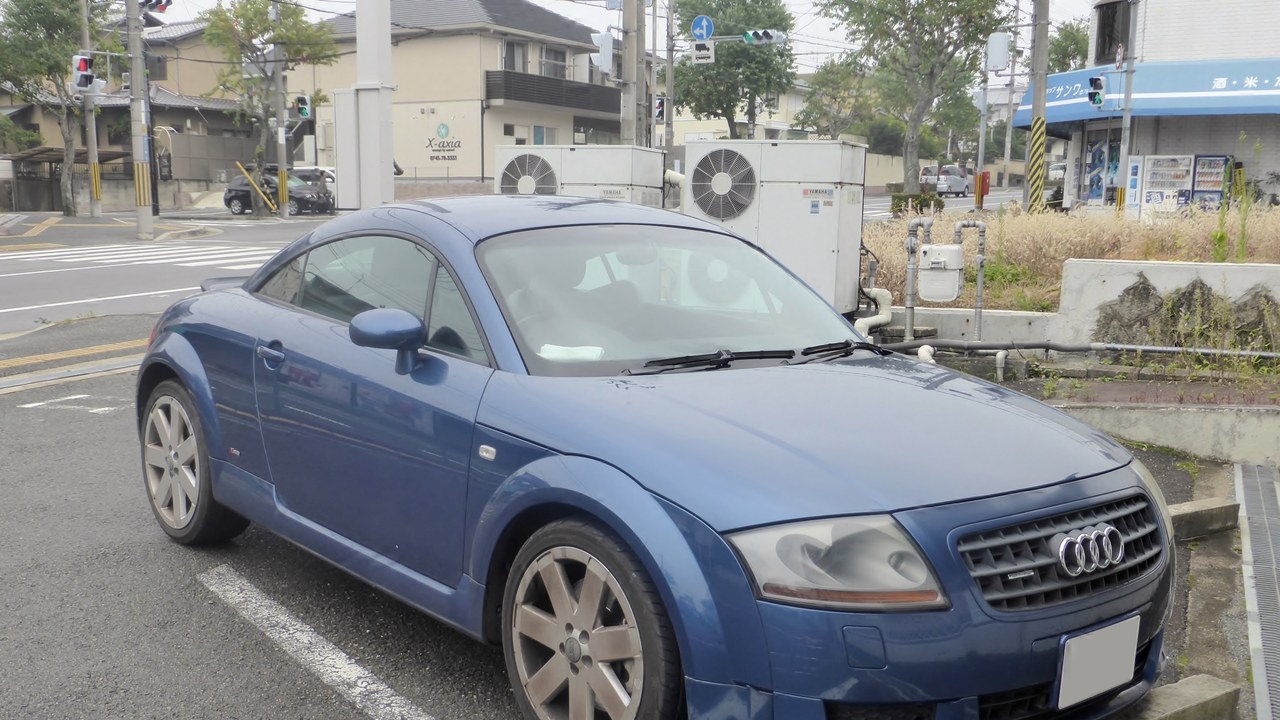
Early Audi TT models carried a reputation for electrical gremlins and costly repairs, but later generations addressed many of those early faults through revised electronics and a more mature platform. The German coupe now posts noticeably better dependability marks than the reputation that still follows the nameplate.
Buyers shopping used should still weigh model year carefully, since the earliest cars are the ones that earned the original reputation for trouble. A later, well-maintained example, though, tends to run with far fewer surprises than its history suggests.
More from Morning Overview
