Innovations in construction materials are transforming the way we design and build structures. From energy efficiency to sustainability, these advanced materials offer solutions to some of the industry’s biggest challenges. Let’s explore the smart materials that are reshaping the future of construction.
1. Self-Healing Concrete
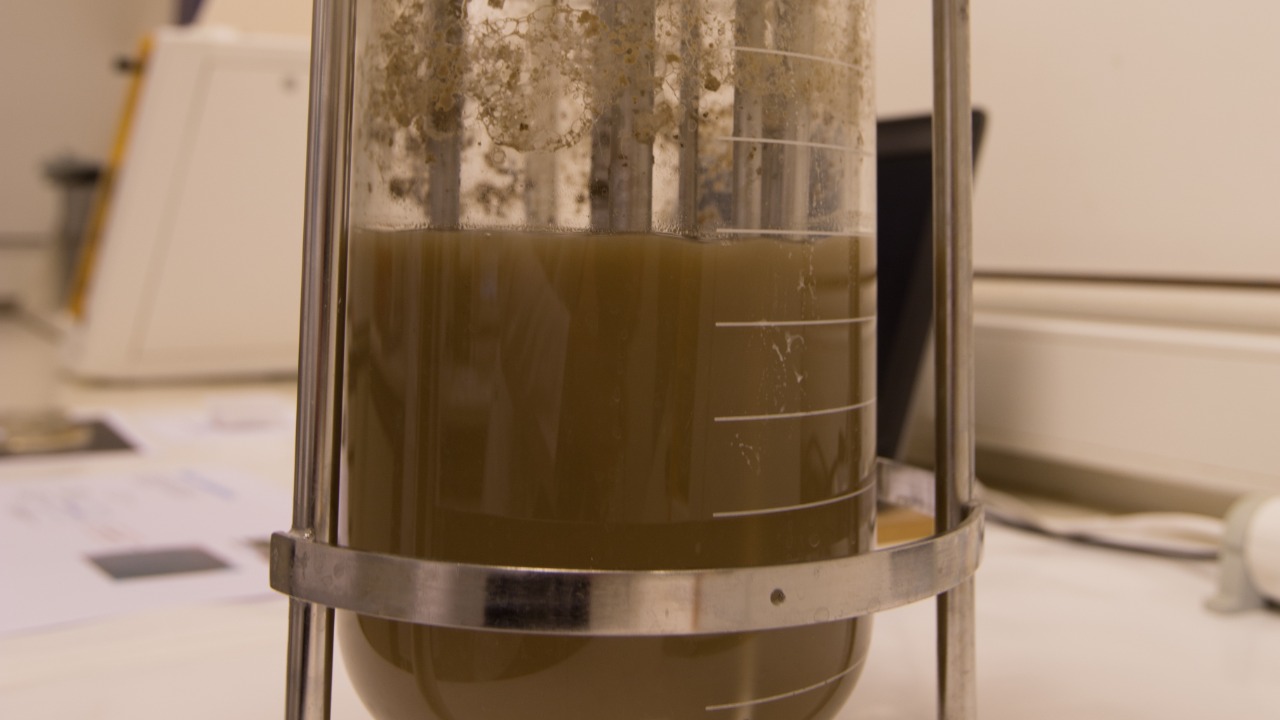
One of the most exciting developments in construction is self-healing concrete. This innovative material can repair its own cracks, significantly extending the lifespan of structures. The technology involves embedding capsules of healing agents within the concrete mix. When cracks occur, these capsules break open, releasing the healing agents that fill the gaps.
Not only does self-healing concrete reduce maintenance costs, but it also enhances the durability and resilience of buildings. This material is particularly beneficial in areas prone to seismic activity or frequent temperature fluctuations, where traditional concrete may fail prematurely.
2. Photovoltaic Glazing
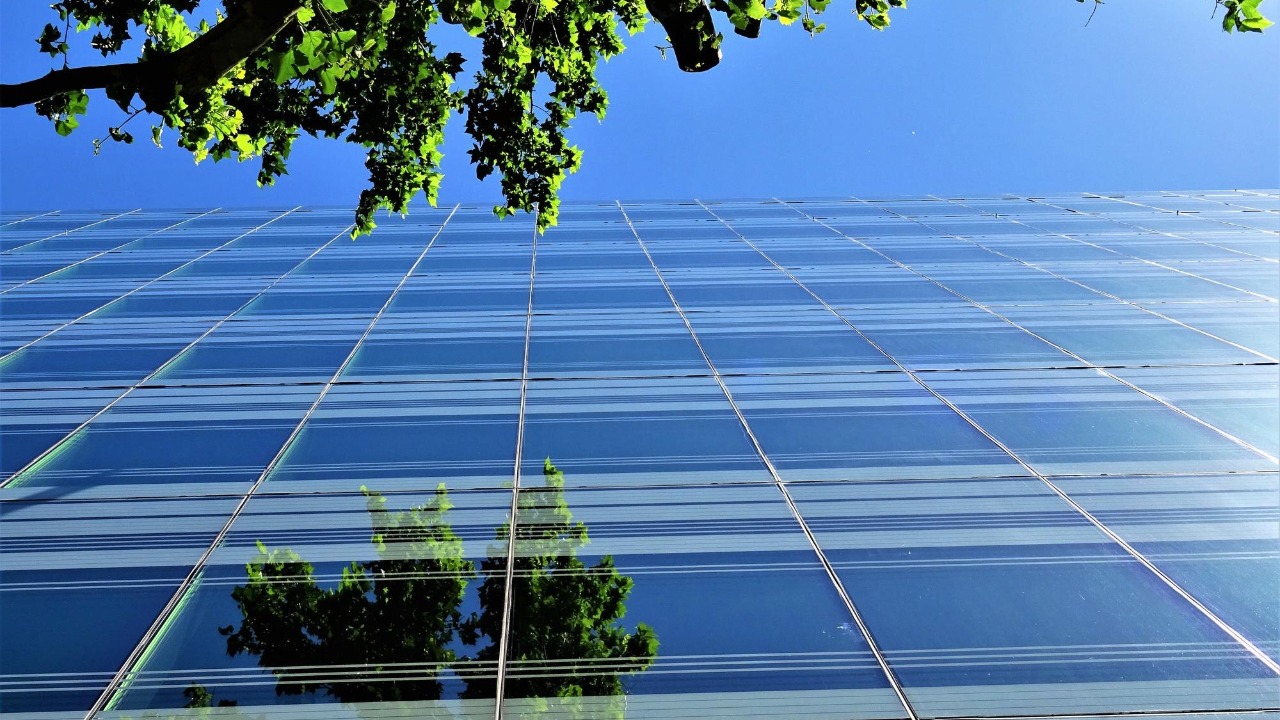
Photovoltaic glazing integrates solar panels into glass surfaces, allowing buildings to generate electricity while maintaining natural light. This technology is ideal for high-rise buildings with extensive glass facades. By converting sunlight into energy, photovoltaic glazing can significantly reduce a building’s reliance on external power sources.
Advancements in this area promise even higher efficiency rates and aesthetic versatility, making it a popular choice for architects and developers aiming to achieve net-zero energy buildings. As the demand for sustainable construction grows, photovoltaic glazing is set to become a standard feature in modern architecture.
3. Aerogel Insulation

Aerogel insulation is a groundbreaking material known for its exceptional thermal properties. Often referred to as “frozen smoke,” aerogel is composed of up to 99.8% air, making it an incredibly lightweight yet effective insulator. It provides superior insulation with minimal thickness, which is ideal for retrofitting older buildings or maximizing space in new constructions.
Aside from its thermal benefits, aerogel is also non-combustible and water-resistant. As energy efficiency becomes a priority in building design, aerogel insulation is gaining attention for its ability to deliver high performance with a lower environmental impact.
4. Shape Memory Alloys

Shape memory alloys (SMAs) are metals that can return to their original shape after deformation when exposed to specific temperatures. This unique property makes SMAs useful in various construction applications, such as earthquake-resistant structures and responsive architectural elements.
The adaptability of SMAs allows for innovative designs that can actively respond to environmental changes, enhancing both the functionality and safety of buildings. As research in smart materials advances, shape memory alloys are expected to play a crucial role in creating more resilient structures.
5. Translucent Concrete
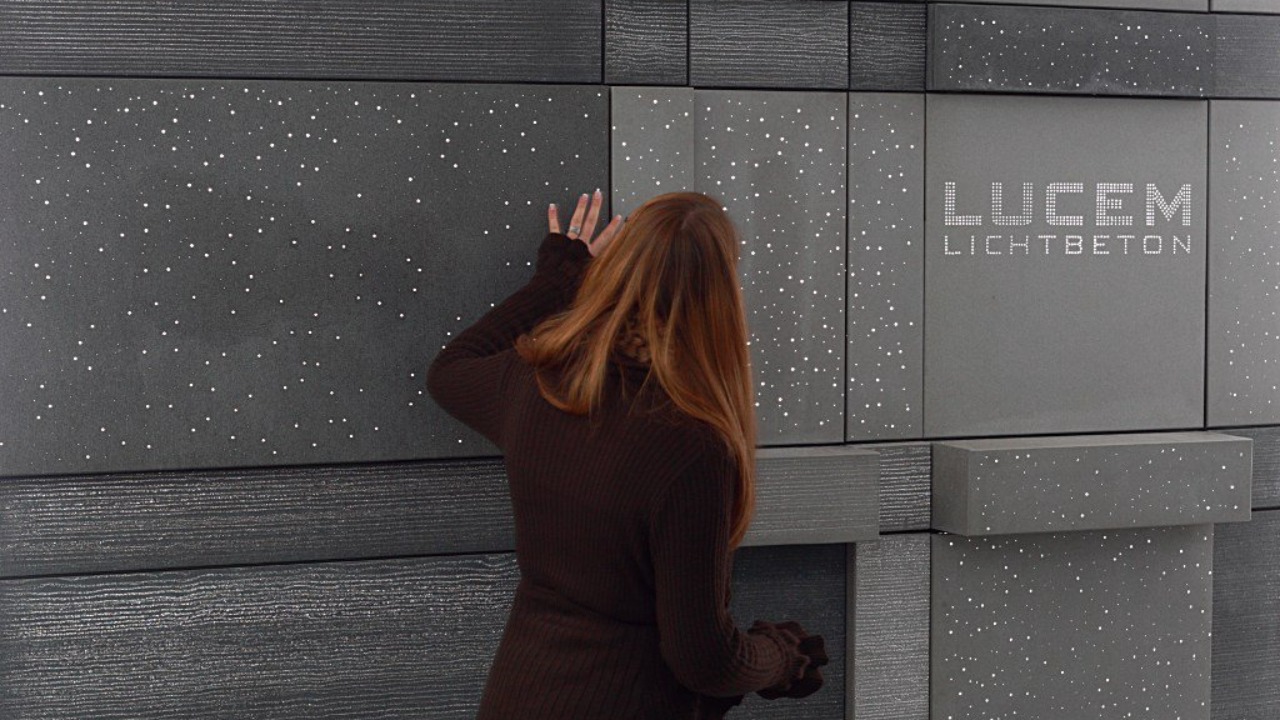
Translucent concrete, or light-transmitting concrete, is a material that combines optical fibers with traditional concrete to allow light passage. This material can transform the aesthetic of buildings by introducing natural light into spaces without compromising structural integrity.
Its use in facades and interior partitions can create visually striking effects while improving energy efficiency by reducing the need for artificial lighting. As architects seek to balance form and function, translucent concrete offers a unique solution for modern design challenges.
6. Phase-Change Materials
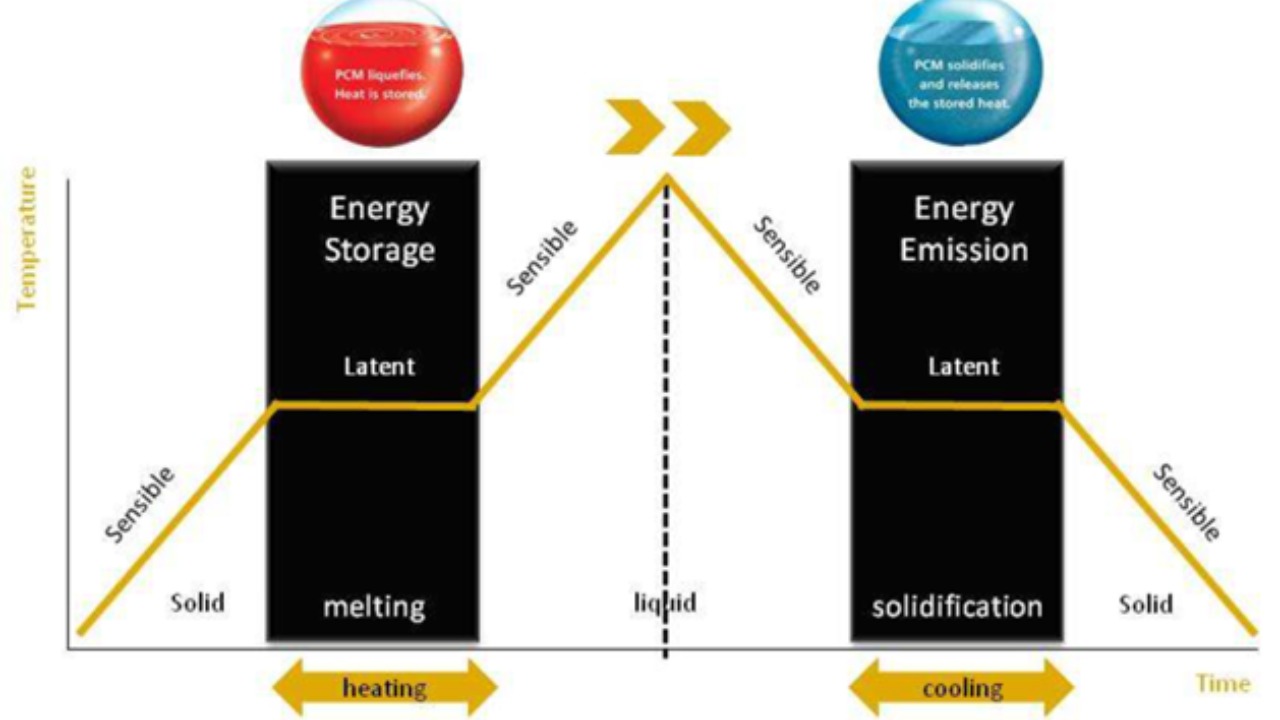
Phase-change materials (PCMs) are substances that absorb and release thermal energy during phase transitions, such as from solid to liquid. In construction, PCMs are used to regulate indoor temperatures, enhancing energy efficiency and comfort.
Incorporating PCMs into building materials can reduce heating and cooling demands, leading to significant energy savings. As sustainable building practices become more prevalent, the application of PCMs is expanding, offering a practical approach to achieving thermal stability in buildings.
7. 3D-Printed Bioplastics

3D printing technology has revolutionized the use of bioplastics in construction, enabling the creation of complex structures with reduced waste. Bioplastics, derived from renewable sources, are biodegradable and offer an eco-friendly alternative to traditional materials.
The versatility of 3D-printed bioplastics allows for customized solutions in both structural and decorative elements. As the construction industry moves towards more sustainable practices, 3D-printed bioplastics are becoming increasingly popular.
8. Smart Glass
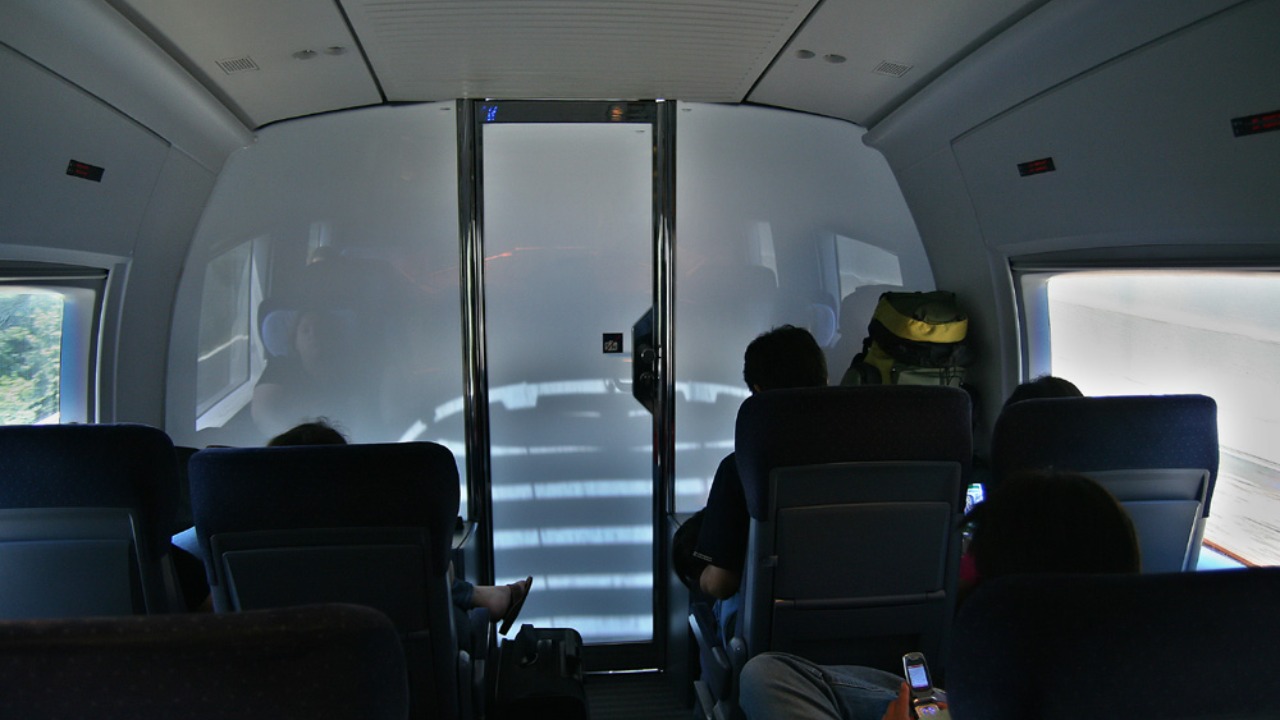
Smart glass, also known as switchable glass, can change its transparency in response to electrical, thermal, or optical stimuli. This technology offers dynamic control over light and heat entering a building, improving energy efficiency and occupant comfort.
Smart glass is particularly beneficial in climates with extreme temperature variations, as it can reduce reliance on air conditioning and heating systems. As technology advances, smart glass is becoming more affordable and easier to integrate into new and existing structures.
9. Carbon Fiber Reinforced Polymers

Carbon fiber reinforced polymers (CFRPs) are lightweight materials known for their high strength-to-weight ratio. Used extensively in aerospace and automotive industries, CFRPs are now making their way into construction, offering exceptional durability and design flexibility.
The use of CFRPs in construction can lead to longer-lasting structures with reduced maintenance needs. As the industry increasingly focuses on sustainability and efficiency, CFRPs provide an attractive option for innovative architectural designs.
