
Each entry centers on a named subject and a specific point supported by its own source. The details matter because a useful gallery needs every example to deliver the promise made in the headline. Here are nine items that show the pattern from different angles.
1. Veryovkina Cave: The Defining Detail
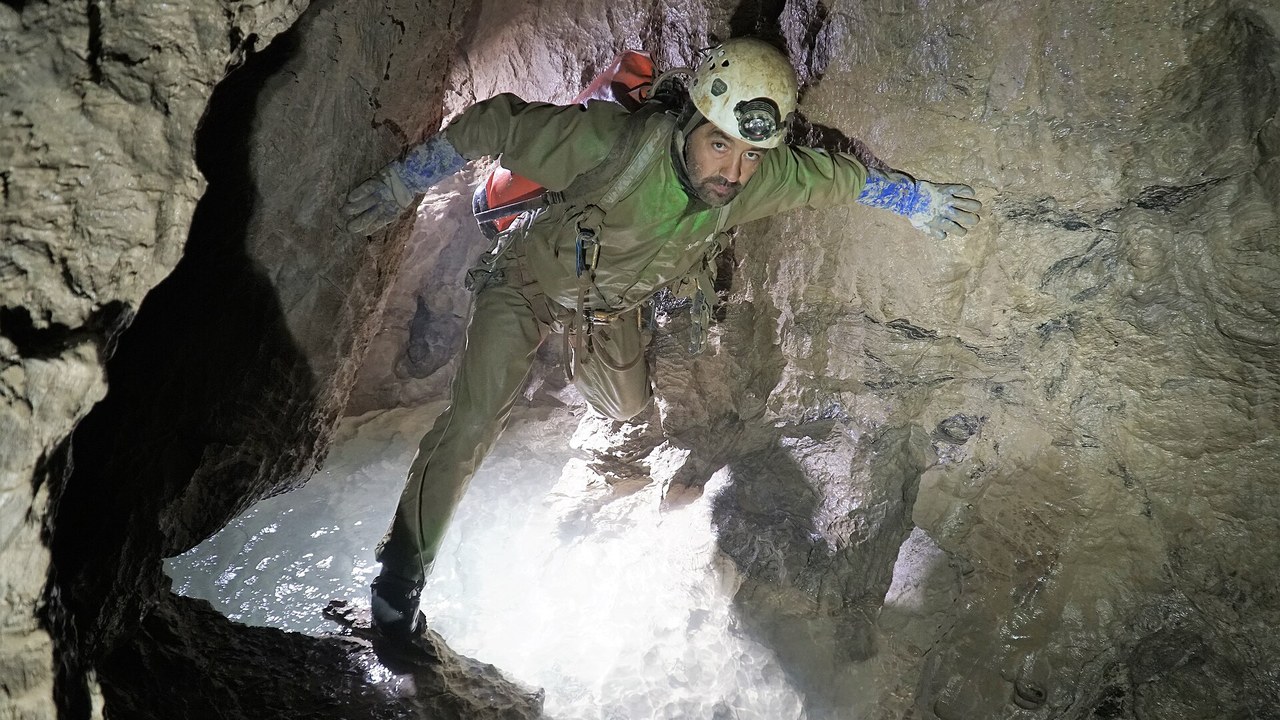
The case for Veryovkina Cave starts with the source material. The deepest known cave on Earth. This is the specific detail that connects the named example to the gallery’s central claim, rather than asking a broad reputation to carry the whole argument.
The cited point gives Veryovkina Cave a clear role in the pattern presented here. The distinction is useful because it keeps the gallery tied to the named subject instead of a vague category. That level of specificity is what makes a numbered gallery informative as well as easy to scan.
2. Krubera Cave: Why It Belongs Here
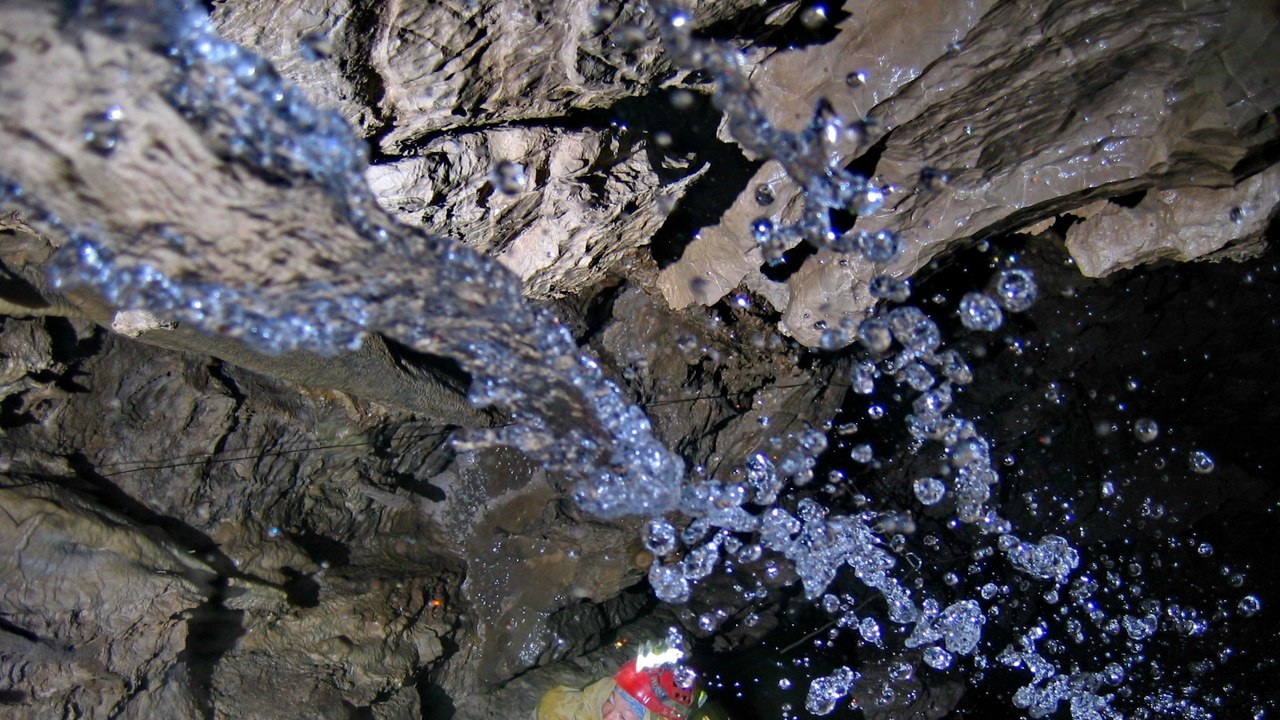
One reason to include Krubera Cave starts with the source material. The second-deepest, over two kilometers down. This is the specific detail that connects the named example to the gallery’s central claim, rather than asking a broad reputation to carry the whole argument.
The cited point gives Krubera Cave a clear role in the pattern presented here. That context matters when a familiar reputation could otherwise stand in for a specific documented fact. That level of specificity is what makes a numbered gallery informative as well as easy to scan.
3. Lechuguilla Cave: A Practical Distinction
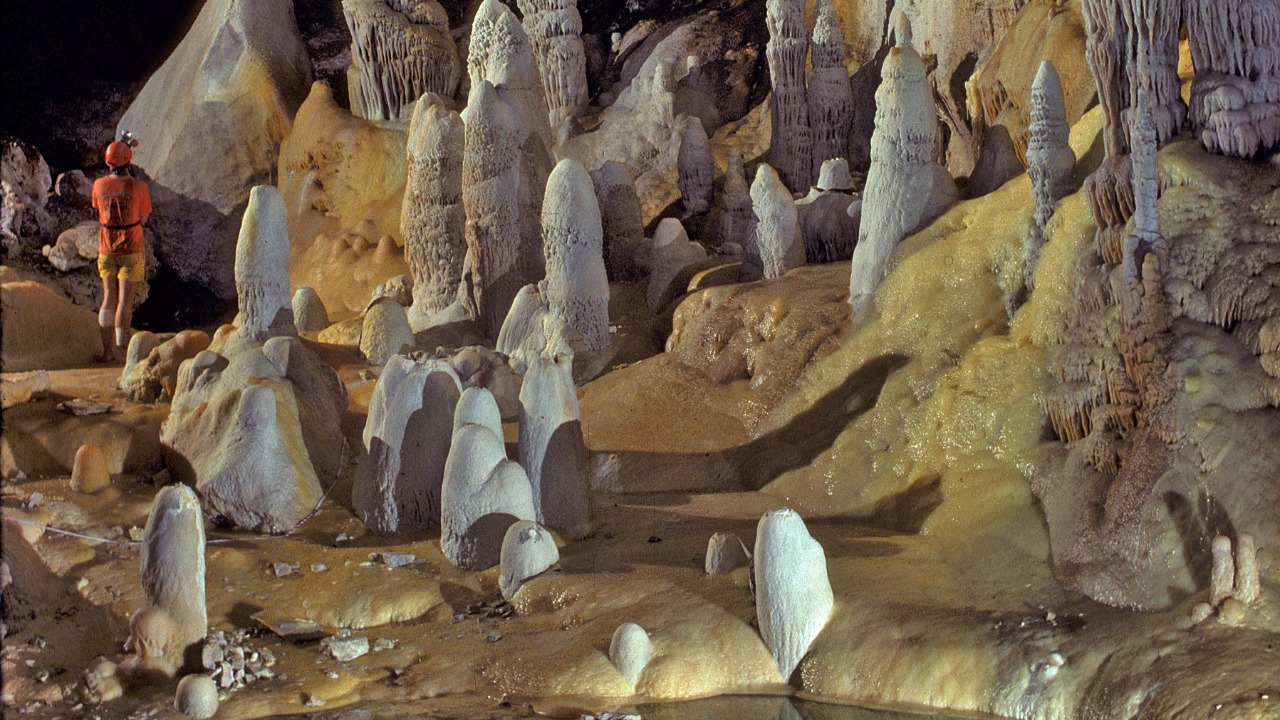
The documented record for Lechuguilla Cave starts with the source material. Its surveyed depth of more than 1,600 feet places it among the world’s deepest limestone caves. This is the specific detail that connects the named example to the gallery’s central claim, rather than asking a broad reputation to carry the whole argument.
The cited point gives Lechuguilla Cave a clear role in the pattern presented here. It also shows why the example belongs in this list on its own merits rather than by association alone. That level of specificity is what makes a numbered gallery informative as well as easy to scan.
4. Snezhnaya: The Evidence Behind It
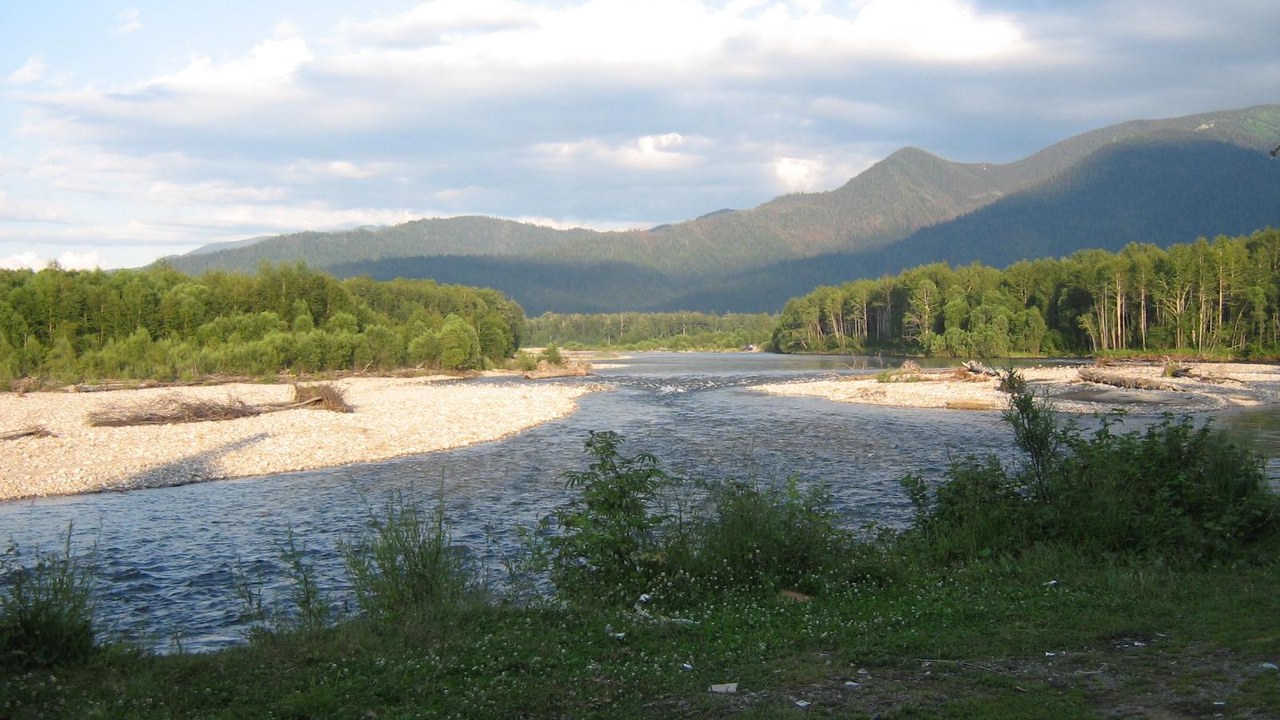
A defining point about Snezhnaya starts with the source material. A vast deep cave system in the Caucasus. This is the specific detail that connects the named example to the gallery’s central claim, rather than asking a broad reputation to carry the whole argument.
The cited point gives Snezhnaya a clear role in the pattern presented here. The surrounding context helps separate the relevant characteristic from unrelated features of the same subject. That level of specificity is what makes a numbered gallery informative as well as easy to scan.
5. Lamprechtsofen: What Sets It Apart
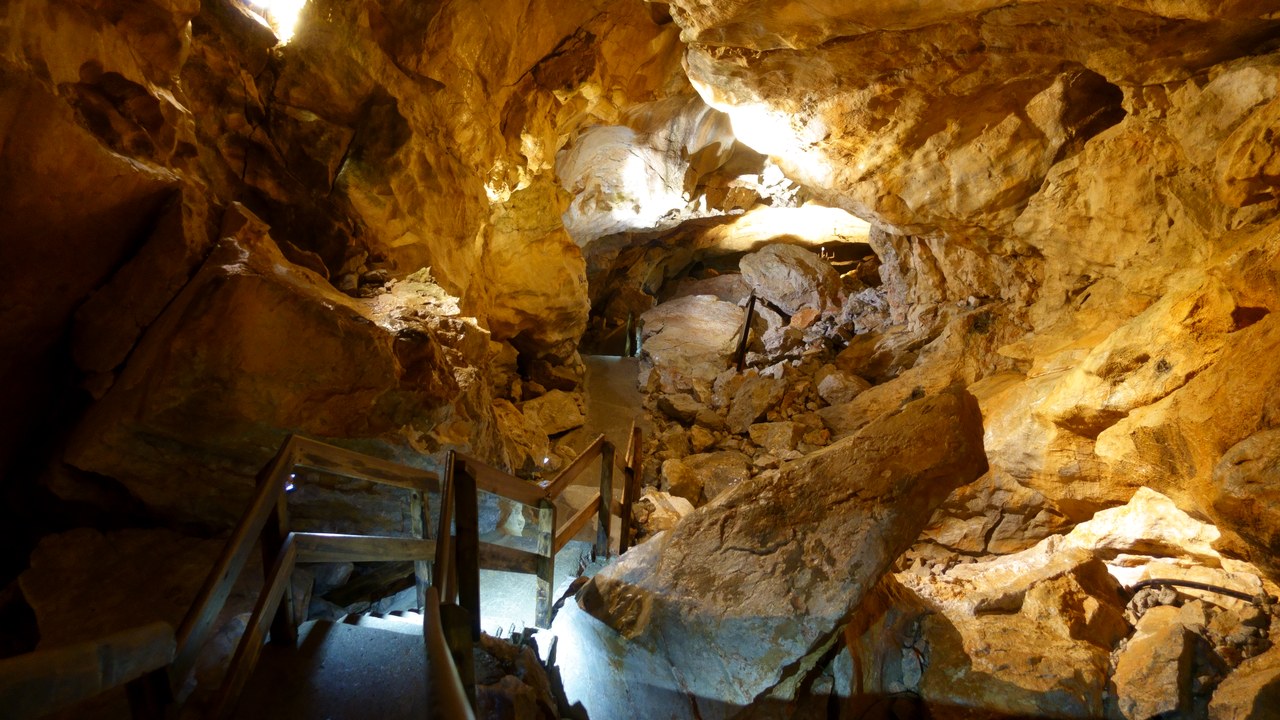
What places Lamprechtsofen starts with the source material. Austria’s famously deep alpine cave. This is the specific detail that connects the named example to the gallery’s central claim, rather than asking a broad reputation to carry the whole argument.
The cited point gives Lamprechtsofen a clear role in the pattern presented here. Taken together, those details make the inclusion concrete instead of treating the item as a generic placeholder. That level of specificity is what makes a numbered gallery informative as well as easy to scan.
6. Mammoth Cave: The Useful Tradeoff
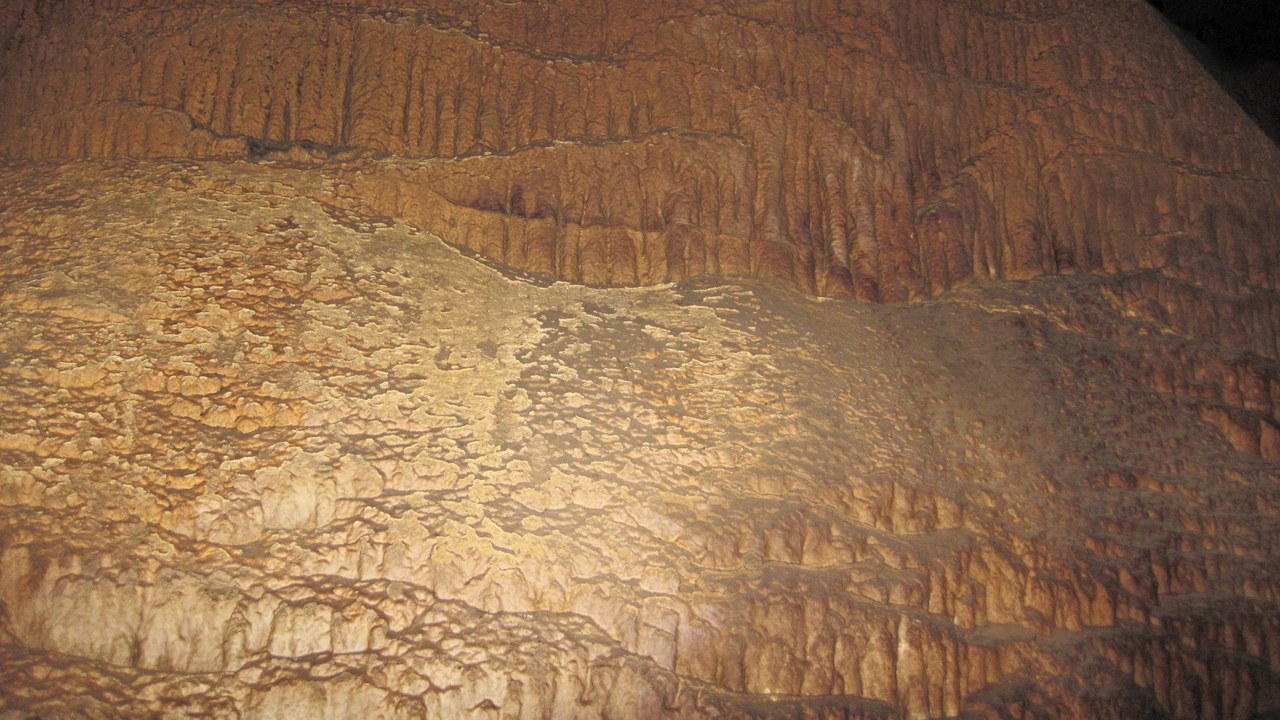
The relevant detail for Mammoth Cave starts with the source material. Its surveyed passages make it the world’s longest known cave system. This is the specific detail that connects the named example to the gallery’s central claim, rather than asking a broad reputation to carry the whole argument.
The cited point gives Mammoth Cave a clear role in the pattern presented here. The point is not that every use or owner experience is identical, but that the cited trait is genuinely relevant here. That level of specificity is what makes a numbered gallery informative as well as easy to scan.
7. Sơn Đoòng Cave: A Pattern Worth Noticing
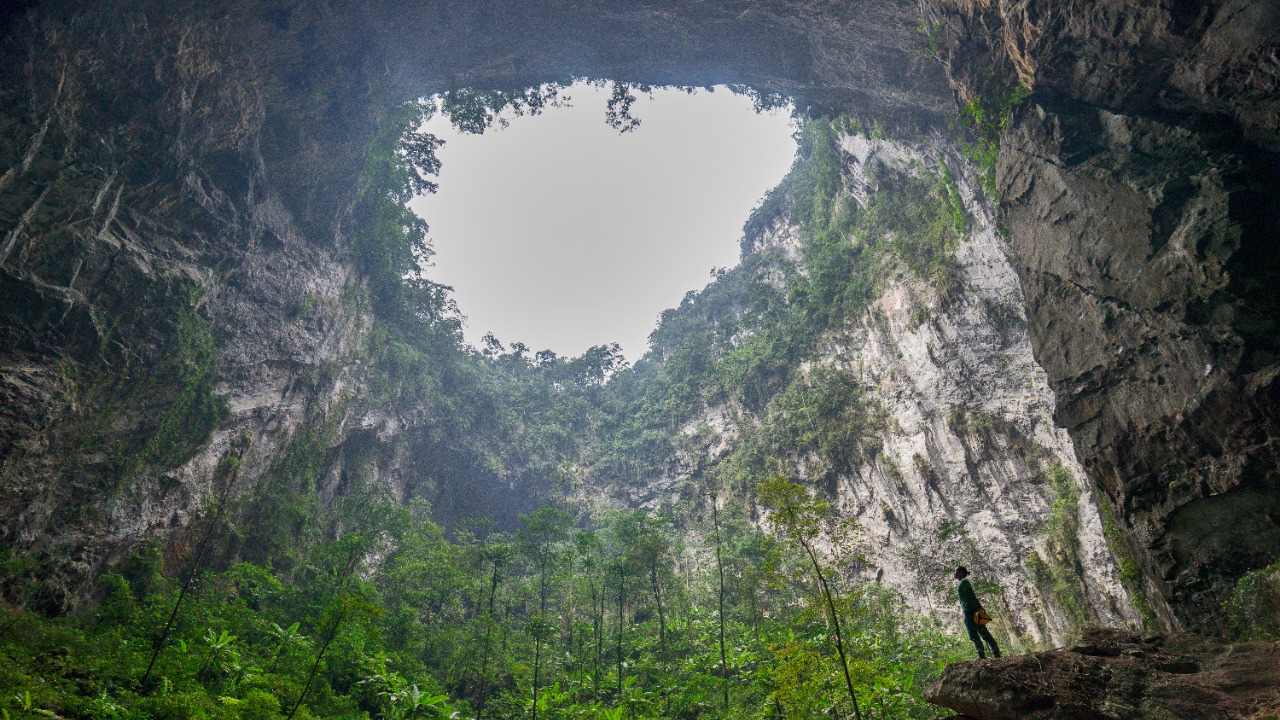
The evidence supporting Sơn Đoòng Cave starts with the source material. Its enormous passage is among the largest known cave chambers on Earth. This is the specific detail that connects the named example to the gallery’s central claim, rather than asking a broad reputation to carry the whole argument.
The cited point gives Sơn Đoòng Cave a clear role in the pattern presented here. That makes the item a distinct example of the headline’s premise rather than another version of the same claim. That level of specificity is what makes a numbered gallery informative as well as easy to scan.
8. Sistema Huautla: More Than A Reputation
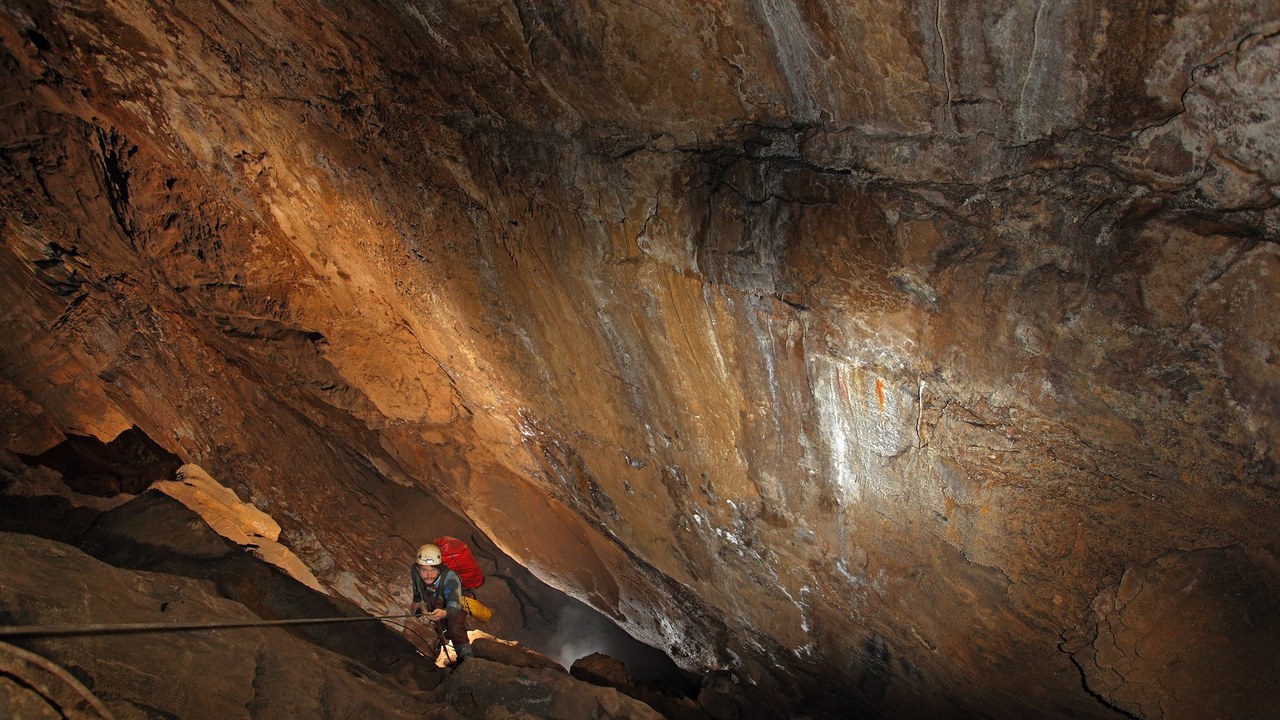
The important distinction with Sistema Huautla starts with the source material. The deepest cave in the Western Hemisphere. This is the specific detail that connects the named example to the gallery’s central claim, rather than asking a broad reputation to carry the whole argument.
The cited point gives Sistema Huautla a clear role in the pattern presented here. The practical significance comes from the connection between the cited detail and the broader pattern in the headline. That level of specificity is what makes a numbered gallery informative as well as easy to scan.
9. Gouffre Berger: The Real-World Angle
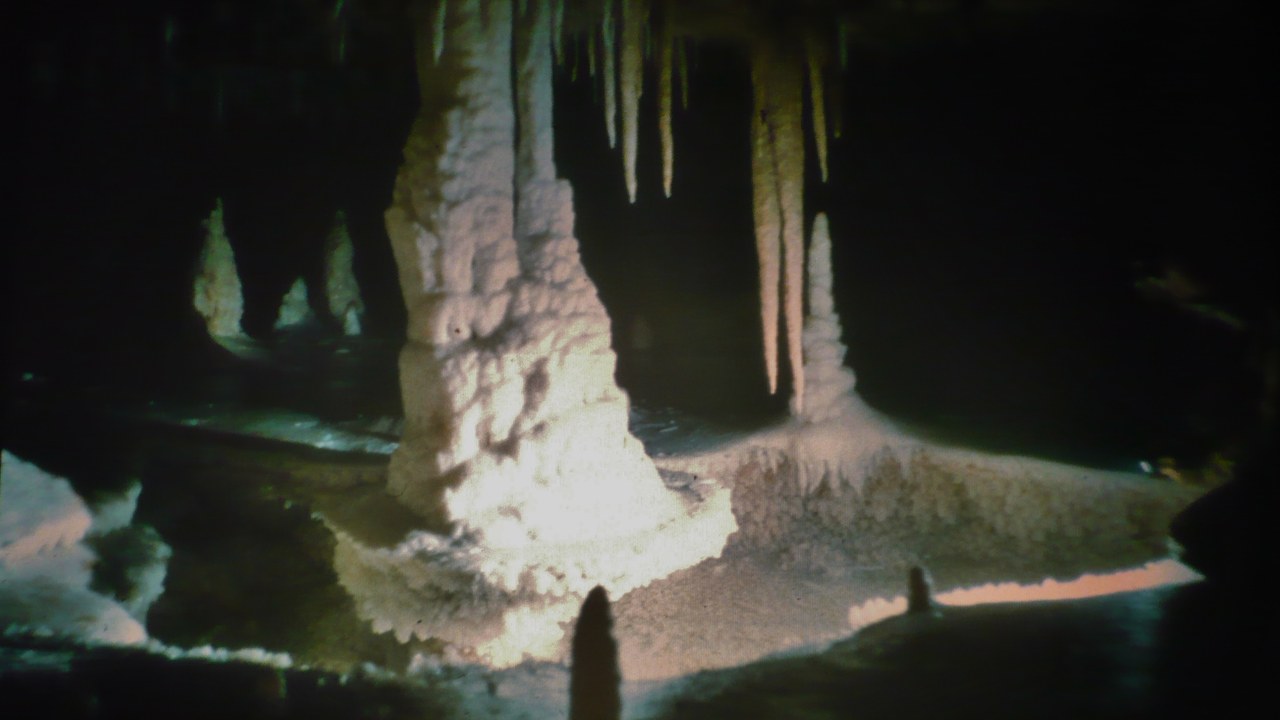
A useful way to understand Gouffre Berger starts with the source material. France’s classic deep cave, once the world’s deepest. This is the specific detail that connects the named example to the gallery’s central claim, rather than asking a broad reputation to carry the whole argument.
The cited point gives Gouffre Berger a clear role in the pattern presented here. That framing preserves the difference between a source-backed characteristic and a broad assumption about the subject. That level of specificity is what makes a numbered gallery informative as well as easy to scan.
More from Morning Overview
- A handful of car transmissions are so tough that mechanics say they almost never die
- Card skimmers hidden on gas pumps are draining accounts, and there’s a quick way to spot them
- The NSA warns one messaging setting can clone your texts to a stranger
- Security experts still urge phone owners to switch off one location-tracking setting
