
Hydroelectric power has shaped the American West and beyond for nearly a century, turning the flow of major rivers into steady, carbon-free electricity for millions of homes. From the Columbia River basin’s chain of massive concrete dams to a pumped-storage giant hidden in the Appalachian hills, these facilities remain some of the largest power infrastructure ever built in the country. Here are 9 of the biggest hydroelectric dams in America.
1. Grand Coulee Dam: The nation's largest power producer, on the Columbia River
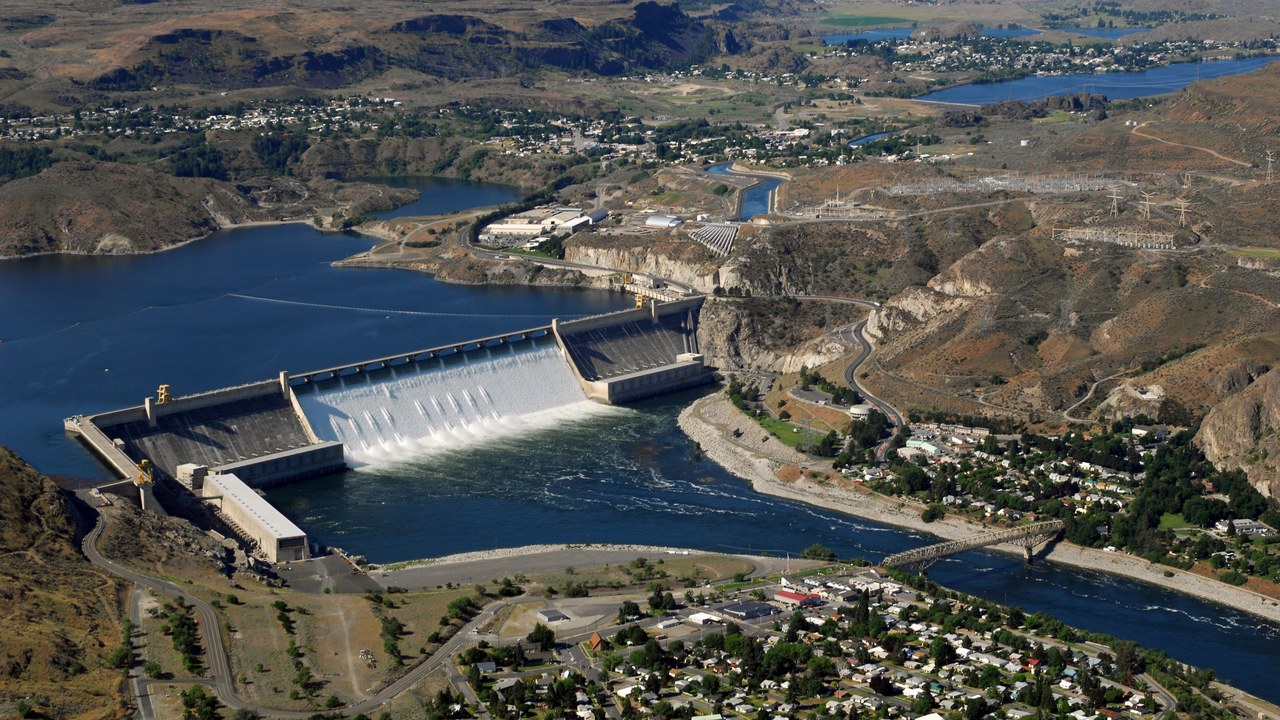
Grand Coulee Dam spans the Columbia River in central Washington and stands as the largest hydroelectric facility in the United States, with a generating capacity exceeding 6,800 megawatts. Built in stages starting in the 1930s, the concrete gravity dam became a symbol of Depression-era public works, providing irrigation to Washington’s agricultural basin alongside its enormous electrical output.
The dam remains a linchpin of the Pacific Northwest’s power grid, supplying electricity across multiple states through the Bureau of Reclamation’s Grand Coulee Dam facility. Its reservoir, Lake Roosevelt, stretches roughly 150 miles behind the structure, supporting recreation, flood control, and fish habitat programs alongside the dam’s ongoing power generation duties.
2. Hoover Dam: An engineering icon damming the Colorado into Lake Mead
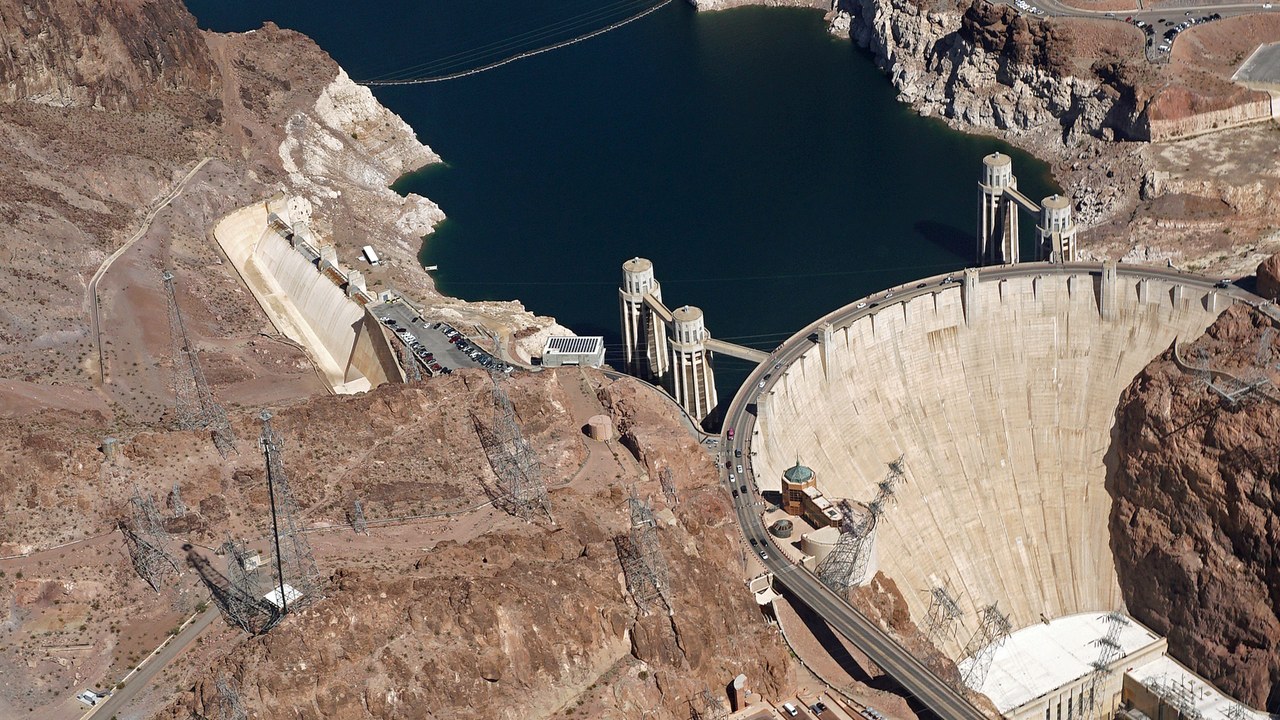
Hoover Dam holds back the Colorado River between Nevada and Arizona, forming Lake Mead, the largest reservoir by volume in the United States. Completed in 1936 during the Great Depression, the massive arch-gravity structure was an unprecedented feat of engineering that still draws millions of visitors and generates power for California, Nevada, and Arizona.
Beyond its historic status, the dam continues serving as critical infrastructure managed by the Bureau of Reclamation, detailed on the agency’s Hoover Dam page. Its 17 generators produce roughly four billion kilowatt-hours annually, while the surrounding Lake Mead National Recreation Area supports boating, fishing, and tourism across the desert Southwest.
3. Chief Joseph Dam: One of the largest hydro plants on the Columbia
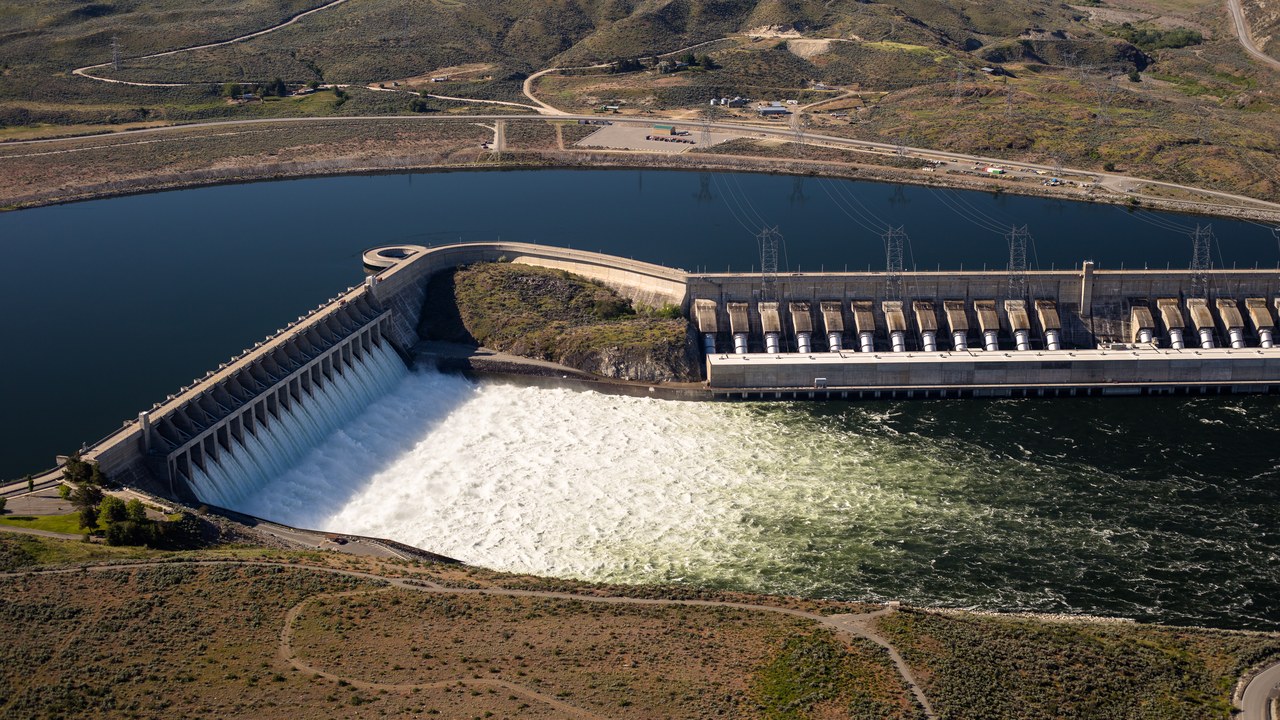
Chief Joseph Dam sits on the Columbia River in north-central Washington and ranks among the largest run-of-river hydroelectric plants in the country. Completed in phases through the 1950s and 1970s, the dam lacks a large storage reservoir, instead relying on the river’s steady flow to keep its turbines spinning around the clock.
The facility is operated by the US Army Corps of Engineers and produces enough electricity to serve a substantial share of the Pacific Northwest’s demand, as outlined on its Wikipedia entry. Its name honors the Nez Perce leader, and the powerhouse remains a key link in the chain of dams lining the Columbia River system.
4. Robert Moses Niagara: Harnessing Niagara's flow for New York's grid
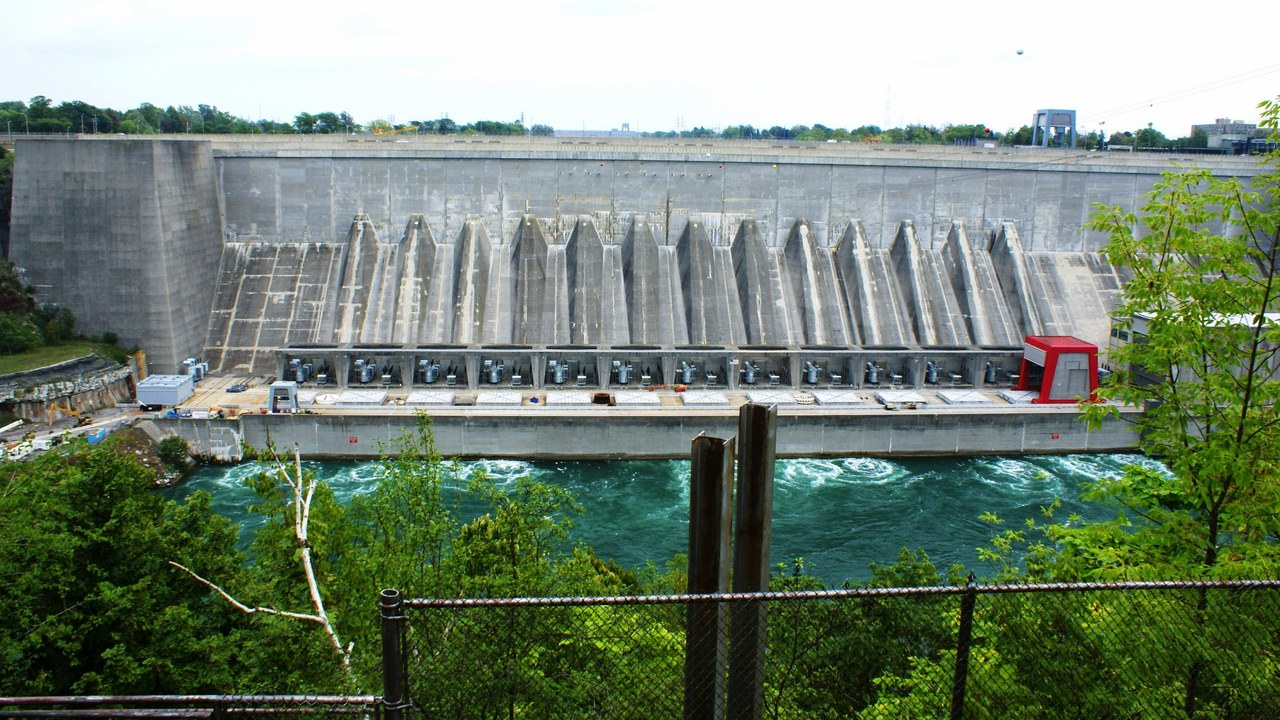
The Robert Moses Niagara Power Plant harnesses the tremendous flow of the Niagara River just downstream from the falls, making it one of the largest hydroelectric facilities east of the Mississippi. Operated by the New York Power Authority, the plant diverts water through massive underground conduits before returning it to the river below the gorge.
Electricity from the plant flows across New York state and into neighboring grids, a role detailed on the authority’s Niagara Power Project page. The facility works in tandem with a companion pumping-generating plant, storing water overnight to balance demand and keep power flowing during the region’s peak hours.
5. Glen Canyon Dam: Backs up Lake Powell and powers the Southwest
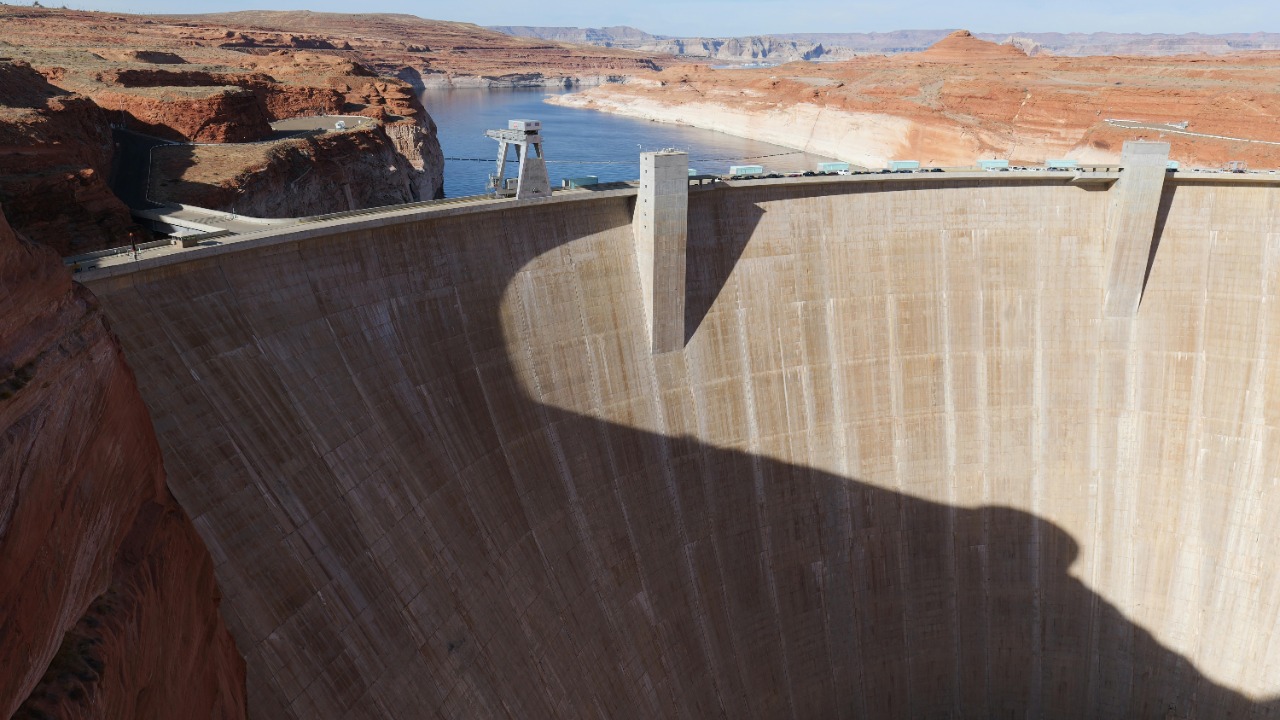
Glen Canyon Dam rises above the Colorado River in northern Arizona, impounding the waters of Lake Powell, the second-largest reservoir in the country. Finished in 1966, the concrete arch dam supplies hydropower to millions of customers across the Southwest while regulating downstream flows into the Grand Canyon and beyond.
Managed by the Bureau of Reclamation, the dam plays a central role in Colorado River water management, described in detail on its Glen Canyon Dam project page. Its eight generating units can produce over a thousand megawatts, though prolonged drought has pushed Lake Powell’s levels to historic lows in recent years.
6. John Day Dam: A giant Columbia River dam with huge capacity
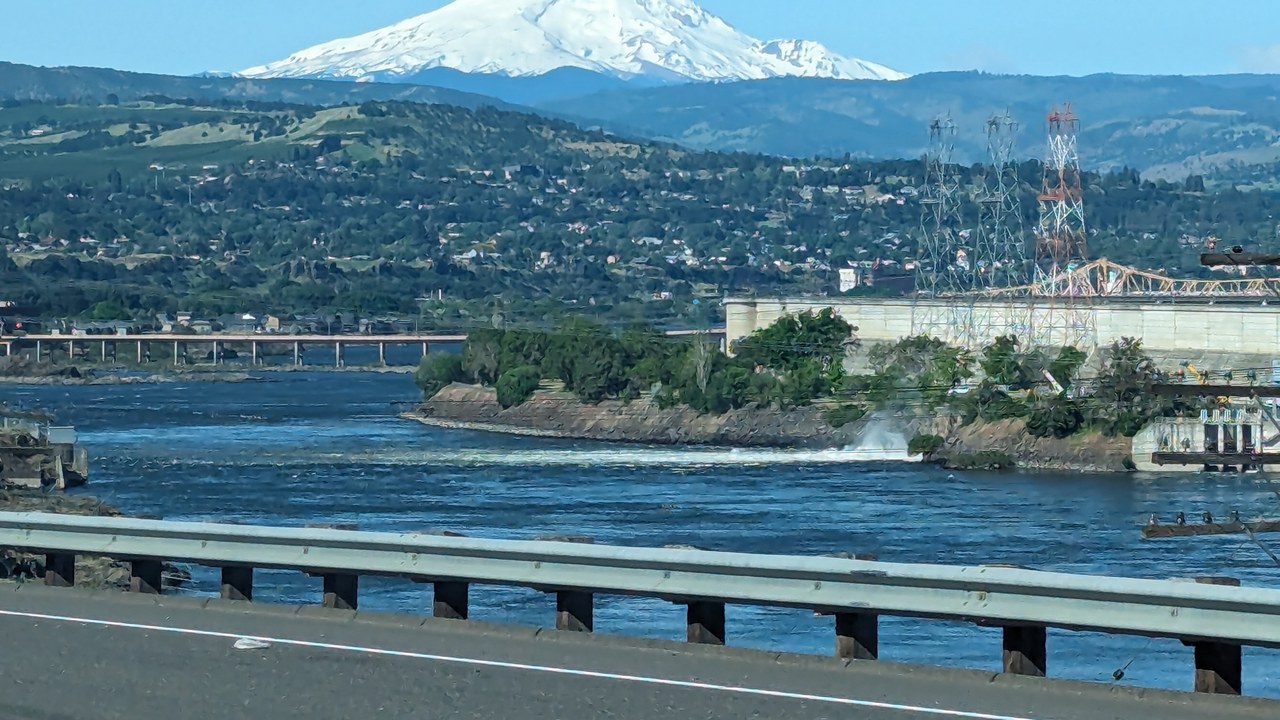
John Day Dam stretches across the Columbia River between Oregon and Washington, and its powerhouse ranks among the largest of the river’s many hydroelectric projects. Completed in 1971 by the US Army Corps of Engineers, the dam includes one of the longest navigation locks in the country, allowing barge traffic to bypass the structure.
Its reservoir, Lake Umatilla, extends for dozens of miles upstream, supporting irrigation and recreation alongside power generation, as noted on its Wikipedia page. The dam’s generating capacity places it among the top producers in the Columbia River system, feeding electricity into the broader Pacific Northwest grid.
7. Bath County Pumped Storage: The country's largest pumped-storage 'battery'
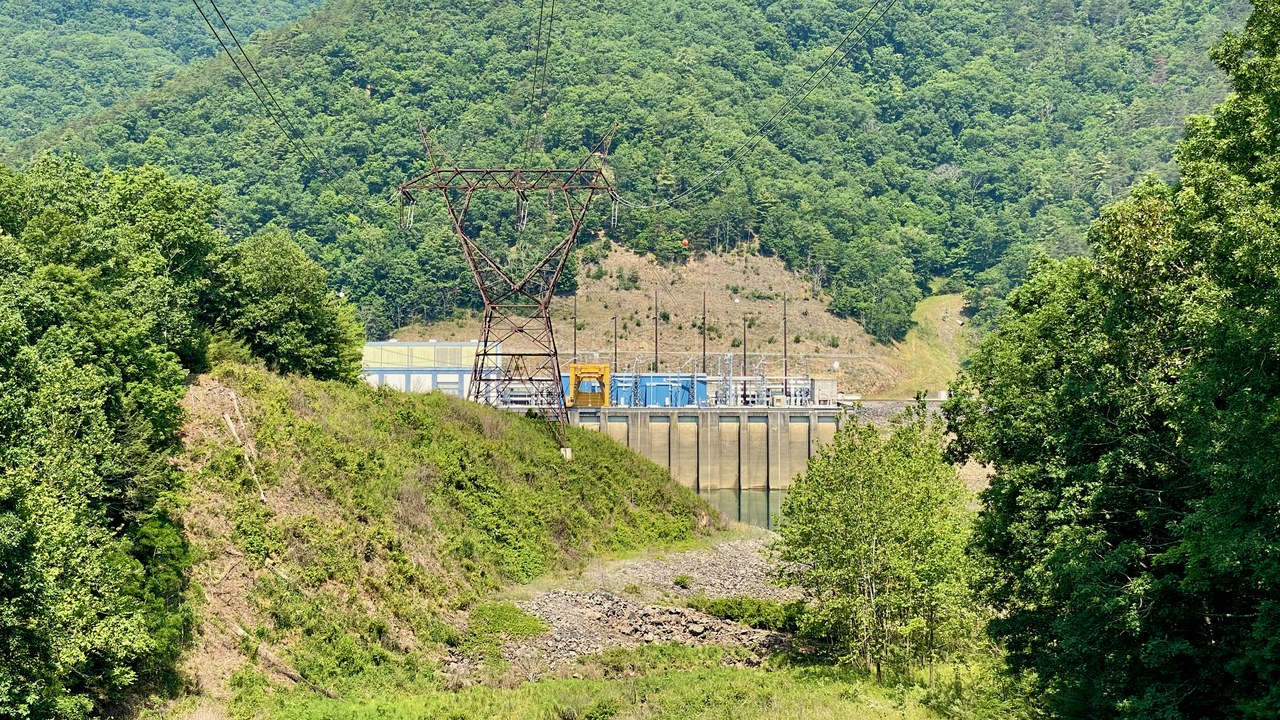
Bath County Pumped Storage Station sits in the mountains of Virginia and functions as the largest facility of its kind in the world, effectively acting as a giant battery for the electric grid. Rather than relying on a river’s natural flow, it pumps water uphill to a reservoir during low demand and releases it downhill to generate power when needed most.
The plant can rapidly ramp its output to help balance sudden swings in electricity use, a design explained on its Wikipedia entry. Jointly owned by Dominion Energy and utility partners, the station has operated since the 1980s and remains vital to grid stability across the mid-Atlantic region.
8. The Dalles Dam: A major hydro producer on the Columbia
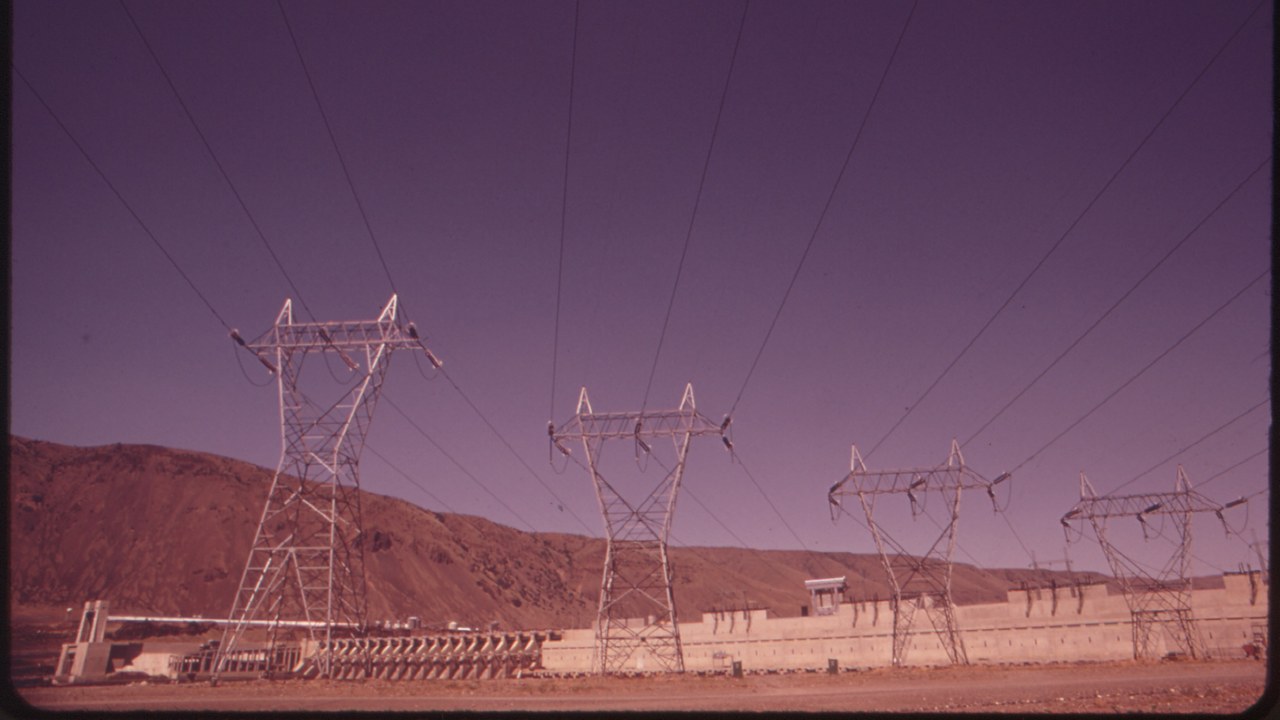
The Dalles Dam spans the Columbia River near the Oregon-Washington border and stands as one of the river’s major hydroelectric producers. Completed in 1957 by the US Army Corps of Engineers, the dam submerged the historic Celilo Falls fishing site, a change that remains significant to Columbia River tribes to this day.
The dam’s powerhouse generates substantial electricity for the regional grid while its fish ladders support salmon runs, as described on its Wikipedia page. Its lock system also allows commercial barge traffic to continue moving grain and other goods along the Columbia River corridor.
9. Wanapum Dam: A large hydro station on Washington's Columbia
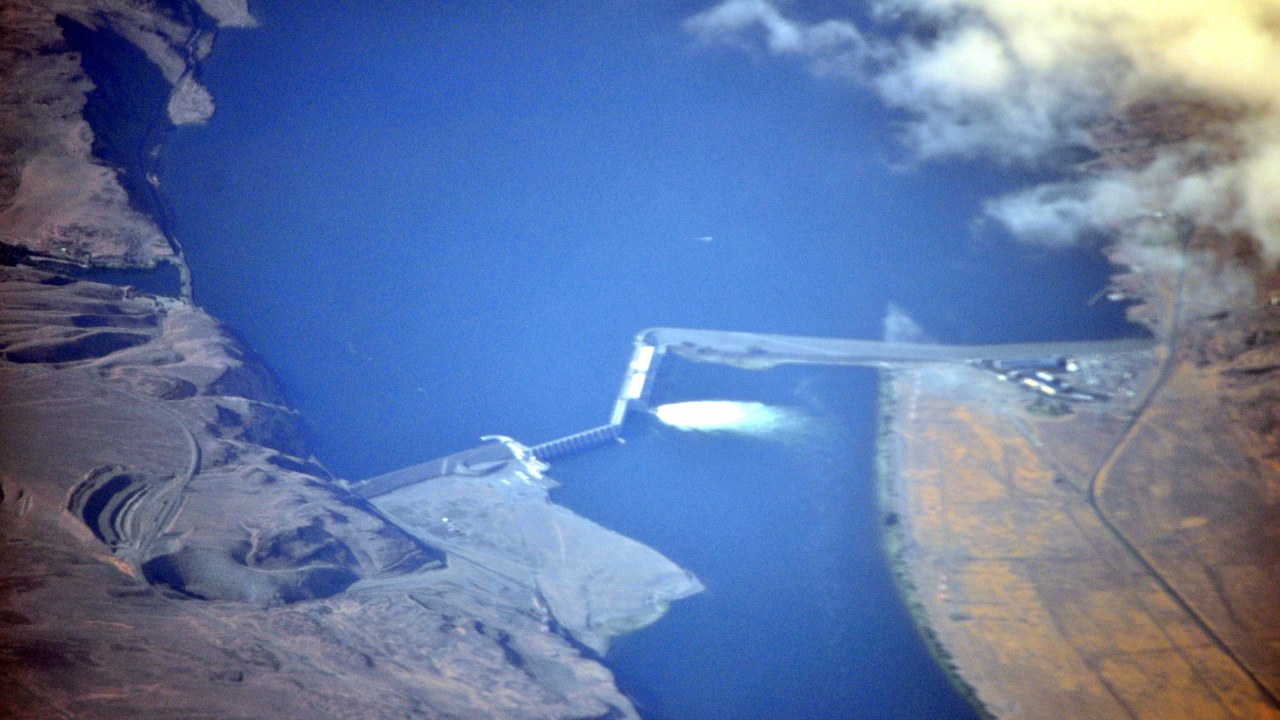
Wanapum Dam crosses the Columbia River in central Washington and forms part of the extensive chain of hydroelectric projects lining the waterway. Operated by Grant County Public Utility District, the dam draws on the river’s consistent flow to produce reliable power for local communities and the broader regional grid.
Engineers discovered a crack in one of the dam’s spillway piers in 2014, prompting an extensive, closely watched repair effort documented on its Wikipedia entry. The dam has since returned to full operation, and its reservoir continues to support irrigation, fish passage, and recreation along this stretch of the river.
More from Morning Overview
- A California supervolcano has bulged upward about two and a half feet since 1978
- The FTC is warning about a scam quietly draining thousands from victims
- The NSA is again telling phone owners to switch off one location setting
- A handful of car transmissions are so tough mechanics say they almost never fail
