
Accidental discoveries in the ocean often lead to captivating findings, unveiling mysteries hidden beneath the waves. Recently, a slew of serendipitous discoveries has added nine new marine species to our ecological knowledge. These unexpected finds highlight the ocean’s vast and unexplored biodiversity, showcasing nature’s creativity in the most surprising ways.
Enigmatic Deep-Sea Jellyfish
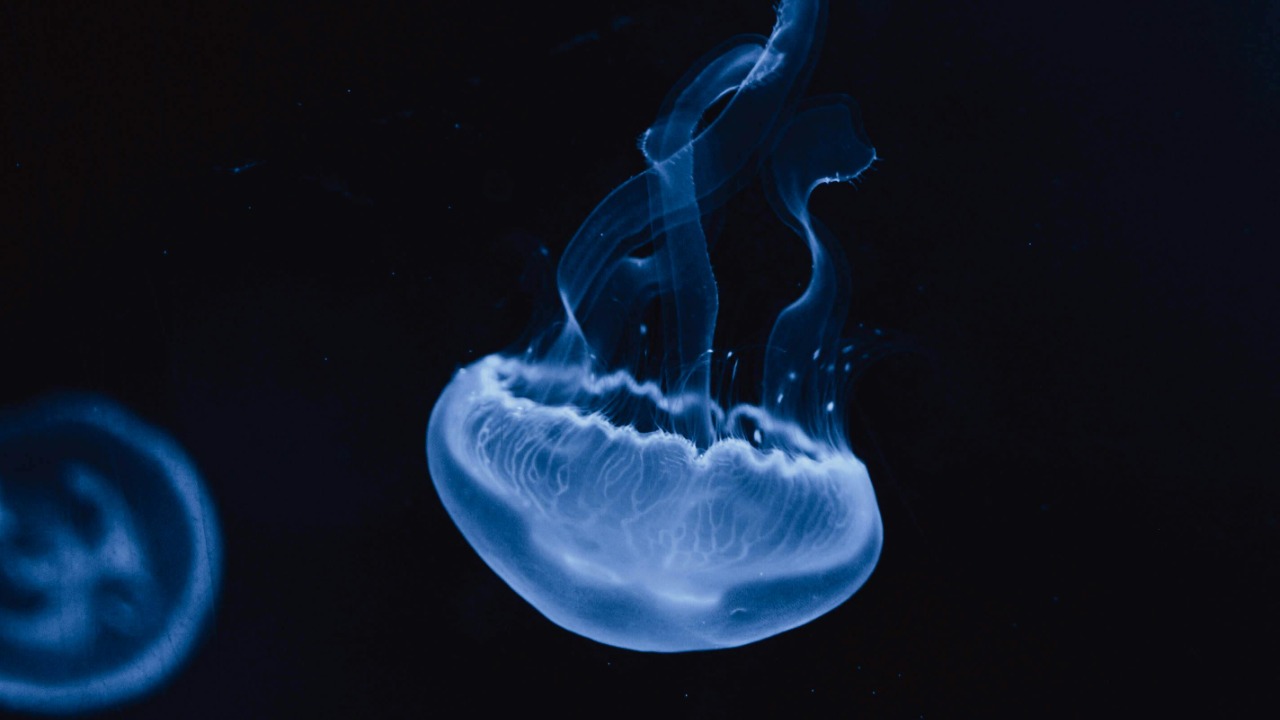
During an exploratory dive off the coast of Japan, researchers stumbled upon an unusual jellyfish species. This deep-sea dweller exhibits a mesmerizing blend of translucent hues and intricate body patterns. Its unique ability to emit a soft glow in the dark depths has intrigued marine biologists, suggesting potential adaptations to its environment.
The discovery has sparked discussions on the diversity of deep-sea ecosystems and their role in global biodiversity. This jellyfish’s ethereal beauty and unexpected presence serve as a reminder of the ocean’s hidden wonders.
The Camouflaged Octopus

While conducting a routine underwater survey, divers encountered an octopus species adept at camouflaging itself among rocky seabeds. This newfound species can change its skin texture and color to blend seamlessly with its surroundings, evading predators with remarkable skill.
Its discovery underscores the ongoing evolution of marine life and the adaptive strategies creatures develop in response to environmental challenges. The camouflaged octopus represents an exciting addition to the cephalopod family, showcasing nature’s ingenuity.
Bioluminescent Sea Star
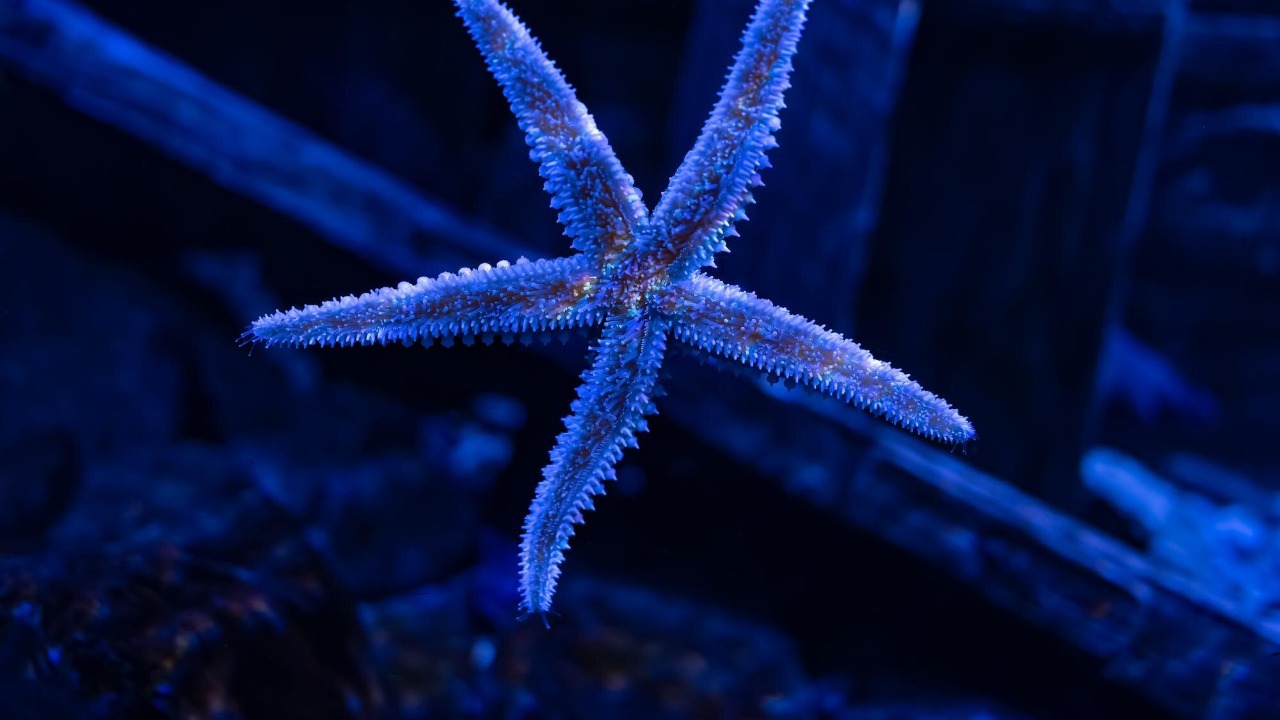
A night dive in the Pacific Ocean revealed a sea star emitting a soft, bioluminescent glow. This newly identified species has puzzled scientists, who are keen to understand the mechanisms behind its light-producing abilities. The sea star’s luminescence might play a role in mating rituals or predator deterrence.
Bioluminescence is a fascinating phenomenon that continues to captivate researchers and laypeople alike. The discovery of this glowing sea star adds a new dimension to our understanding of marine bioluminescence and its ecological significance.
Ghostly Glass Squid
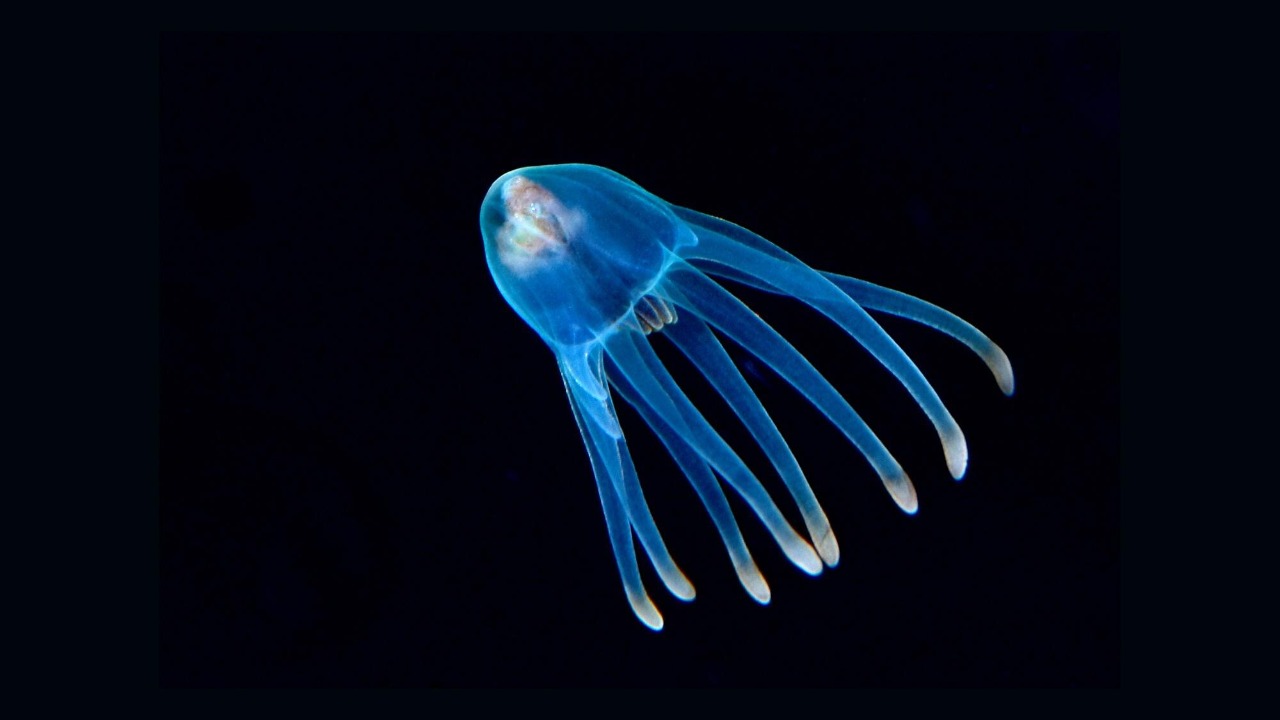
In the depths of the ocean, a transparent squid species has been discovered, earning the moniker “ghostly glass squid.” This elusive creature was filmed for the first time during a deep-sea exploration, surprising researchers with its near-invisible body.
The ghostly glass squid represents a breakthrough in understanding cephalopod life at extreme depths. Its transparent body is believed to be an adaptation for avoiding predators, offering insights into survival strategies in the deep sea.
Rainbow Coral Reef

Accidentally discovered by divers exploring a shipwreck, a vibrant coral reef exhibiting a spectrum of colors has become an area of interest for marine scientists. This “rainbow reef” boasts a variety of coral species, each contributing to an underwater tapestry of colors.
The reef’s unexpected discovery highlights the potential for new habitats that support marine biodiversity. Ongoing studies aim to understand the reef’s resilience and its role in supporting various marine life forms, adding a splash of color to oceanic research.
Uncharted Sea Worm
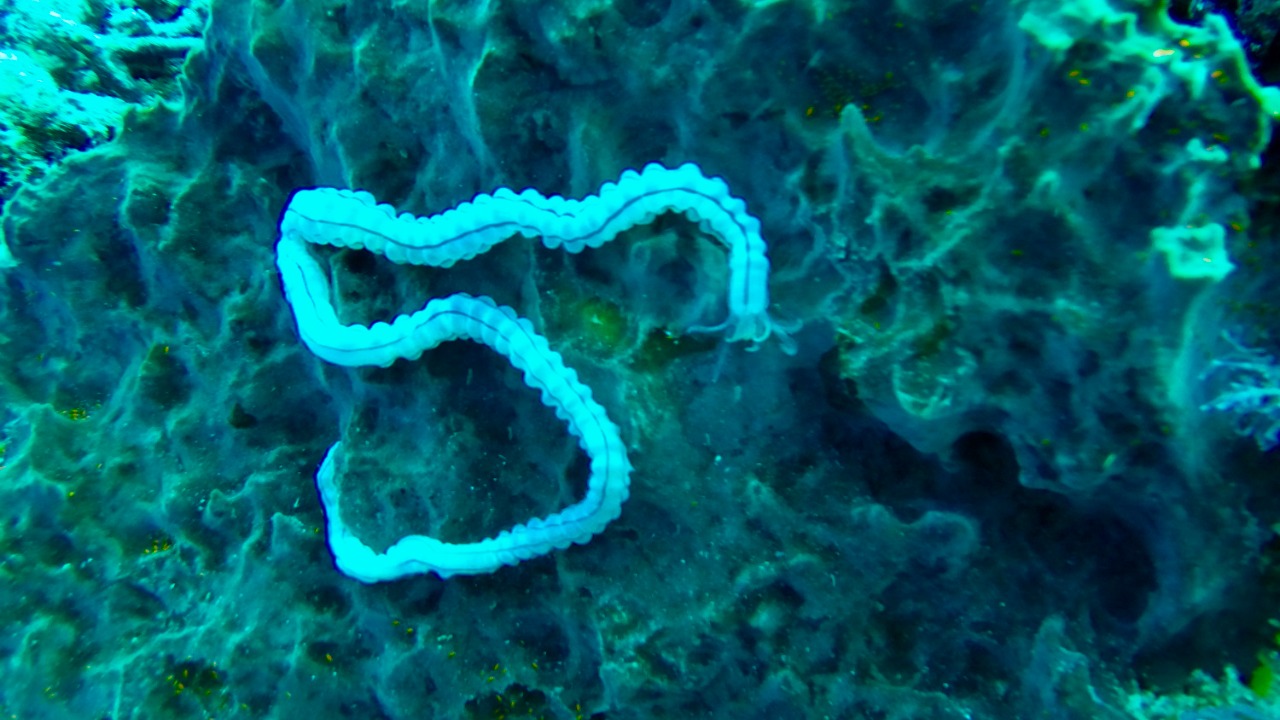
While exploring the ocean floor, researchers came across a previously unknown species of sea worm. Its segmented body and vibrant patterns make it a standout discovery, prompting further investigation into its ecological role.
The sea worm’s discovery is a testament to the rich biodiversity yet to be fully understood in marine environments. As scientists analyze its behavior and interactions, they gain valuable insights into the complexities of ocean ecosystems.
Mysterious Sea Cucumber
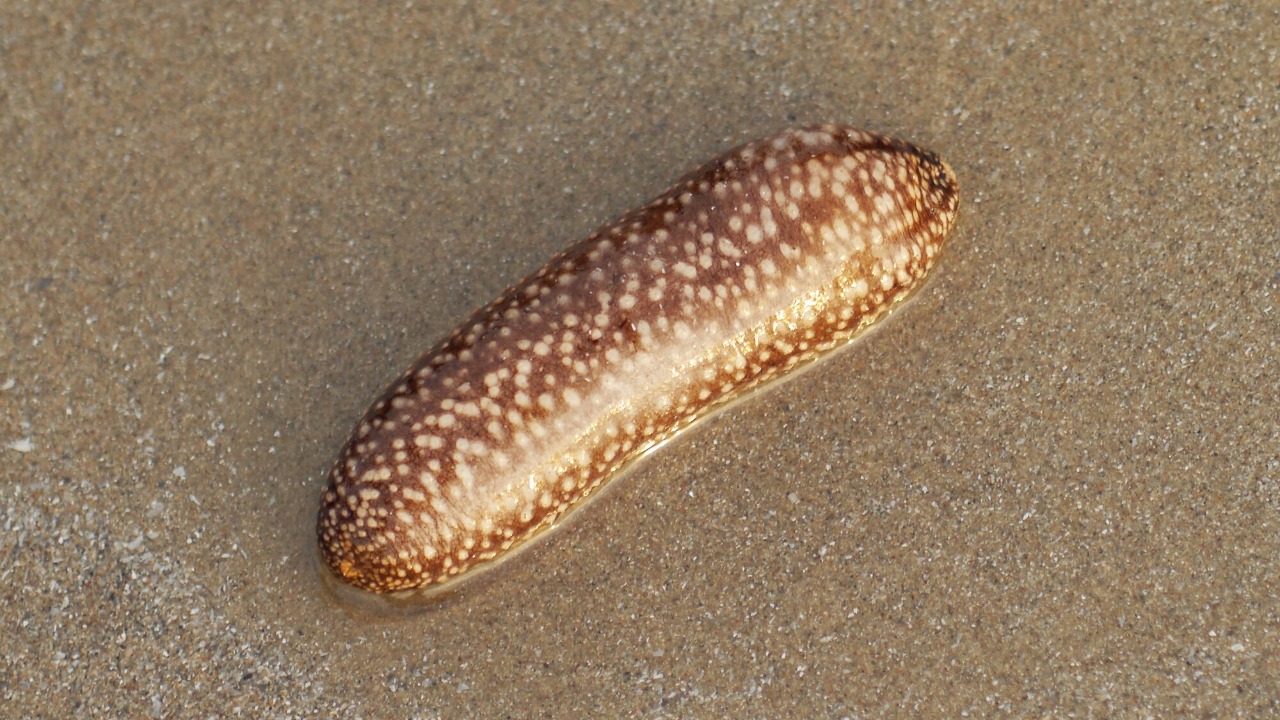
Divers off the coast of Antarctica were surprised to find a new sea cucumber species in a whale skeleton. This serendipitous discovery has intrigued marine biologists, as sea cucumbers play a crucial role in nutrient cycling on the ocean floor.
The mysterious sea cucumber’s adaptation to cold waters and its unique feeding habits provide a deeper understanding of life in extreme conditions. Its accidental discovery adds to the growing knowledge of Antarctic marine biodiversity.
Vibrant Nudibranch
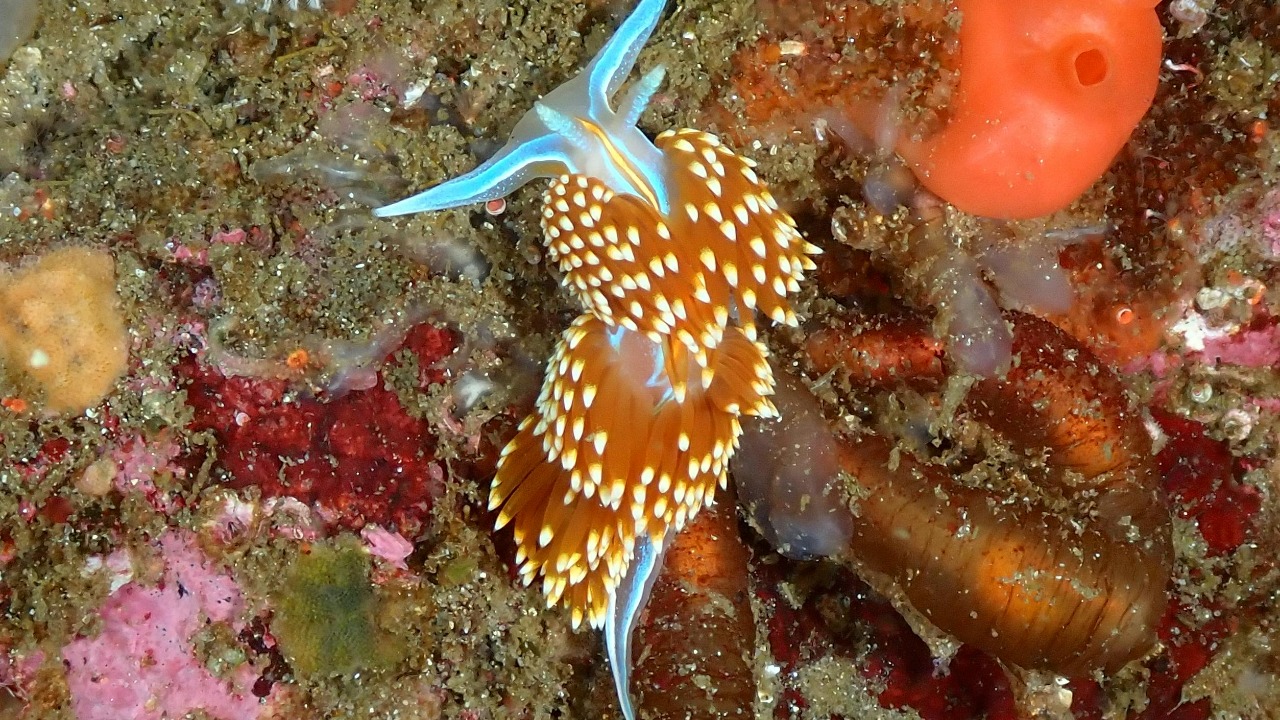
A dive in the Caribbean Sea revealed a stunning nudibranch species with vibrant colors and intricate patterns. This soft-bodied mollusk has captured the attention of marine enthusiasts and scientists alike, thanks to its striking appearance and unique behaviors.
The vibrant nudibranch serves as a reminder of the aesthetic beauty and ecological significance of marine invertebrates. Its discovery enriches our understanding of nudibranch diversity and their role in marine ecosystems.
Hidden Seahorse Sanctuary
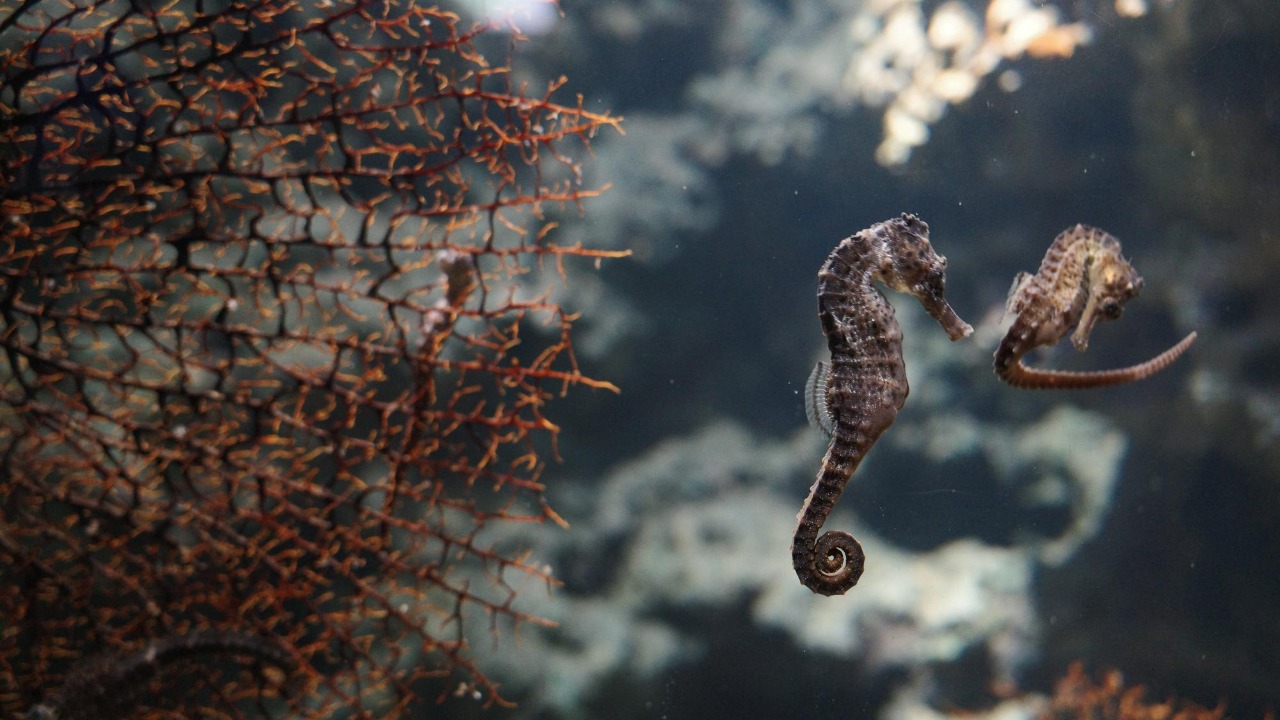
In the shallows of an uncharted bay, researchers discovered a thriving population of seahorses. This hidden sanctuary hosts a variety of seahorse species, each exhibiting distinct features and behaviors. The accidental find has sparked interest in seahorse conservation efforts, as their populations are often threatened by habitat loss and pollution. The discovery of this sanctuary highlights the importance of preserving marine habitats and the need for continued exploration. It offers hope for the future of these enchanting creatures and their underwater homes.
