
Motorcycle durability rarely comes from exotic engineering; it comes from simple engines, long production runs and parts that stay easy to find. Riders who log serious mileage keep circling back to the same short list of machines. Here are nine motorcycles that have earned a reputation for running long past the point where lesser bikes quit.
1. Honda Gold Wing: The Long-Haul Benchmark
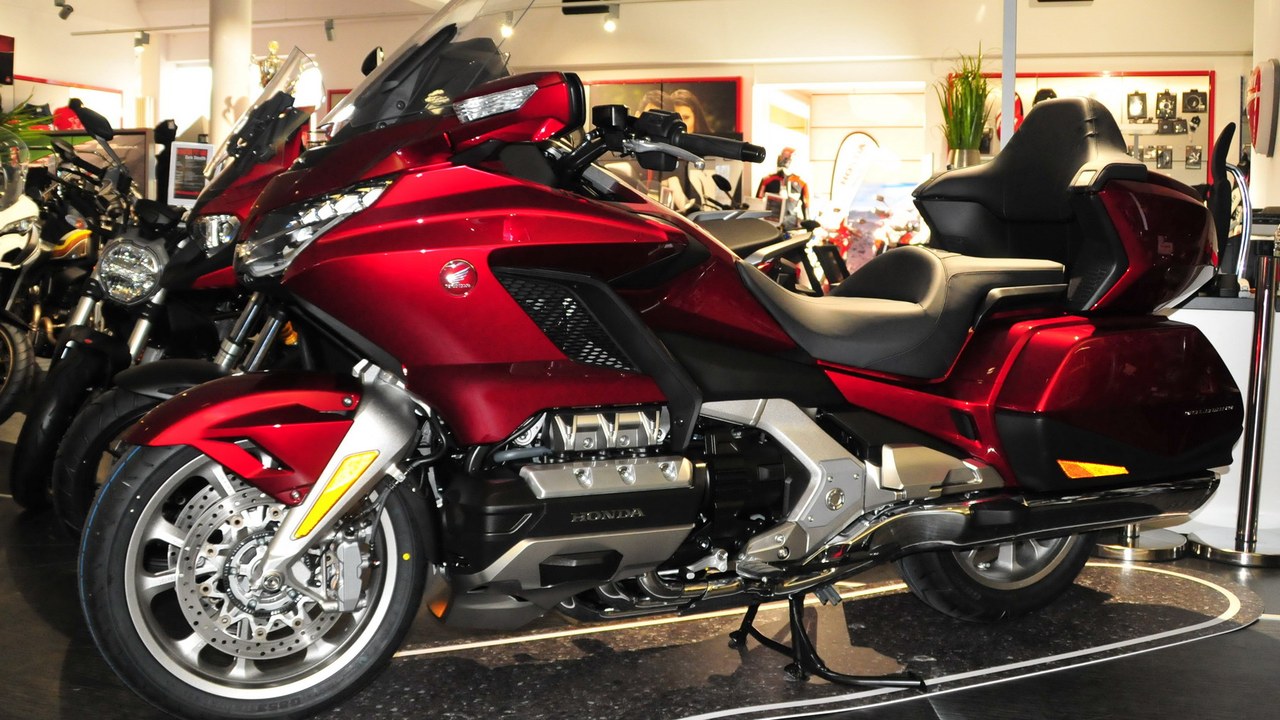
Honda has built the Gold Wing continuously since 1975, designing it around the premise that a tourer should cross a continent without drama. Later generations pair a flat-six with shaft final drive, which removes chain maintenance from the ownership equation entirely. Six-figure odometers are common enough that the flagship Honda tourer has become the usual reference point whenever riders argue about long-haul durability.
The trade-off is mass. A fully dressed Gold Wing ranks among the heaviest motorcycles sold, and low-speed maneuvering in a driveway takes real practice. Used buyers generally budget for tires, brakes and fluids rather than engine work.
2. Yamaha YZF-R3: Small Twin, Long Life
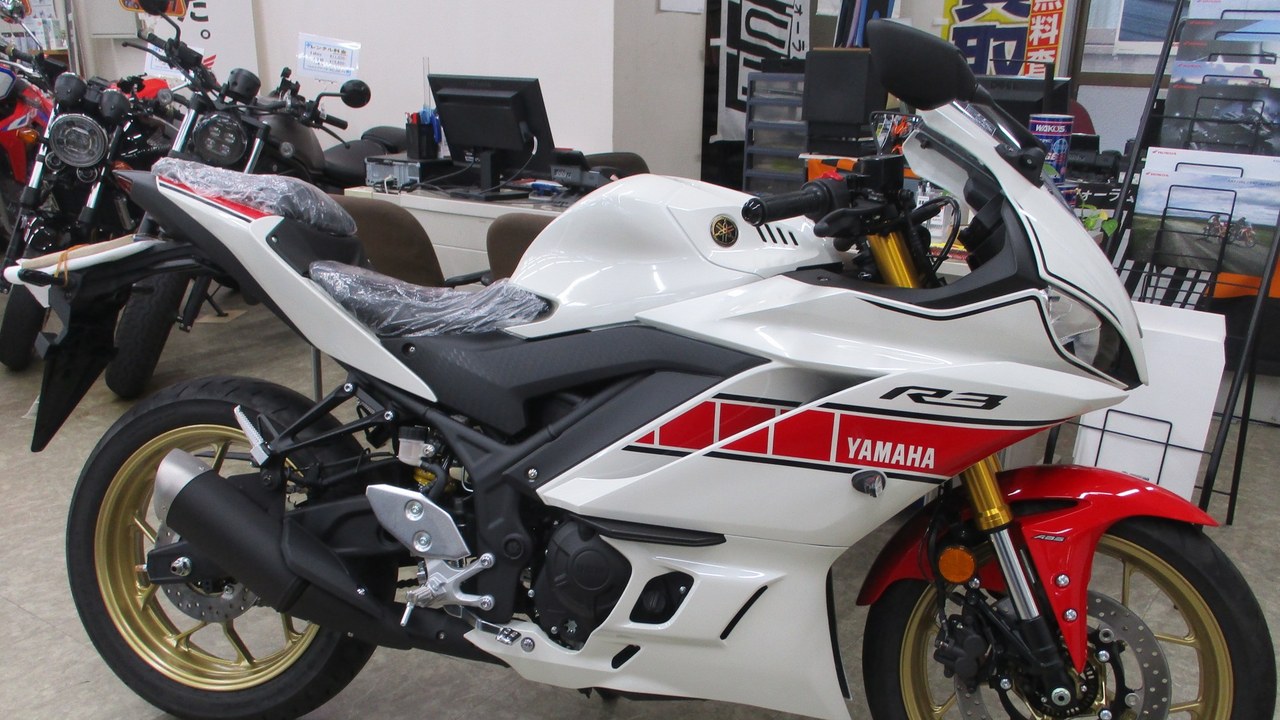
Sportbike bodywork wrapped around a 321cc parallel twin gives the YZF-R3 the look new riders want without the power they cannot yet manage. The engine runs unstressed, and service intervals are long by sportbike standards. That restraint explains why the small-displacement Yamaha sport model tends to survive the abuse entry-level machines usually absorb in their first few owners.
It is not a highway tool. Sustained interstate speeds leave little in reserve, and the riding position punishes long days in the saddle. Riders who outgrow it usually sell rather than modify, which keeps clean used examples plentiful.
3. Honda CB500F: The Cheap-To-Own Middleweight
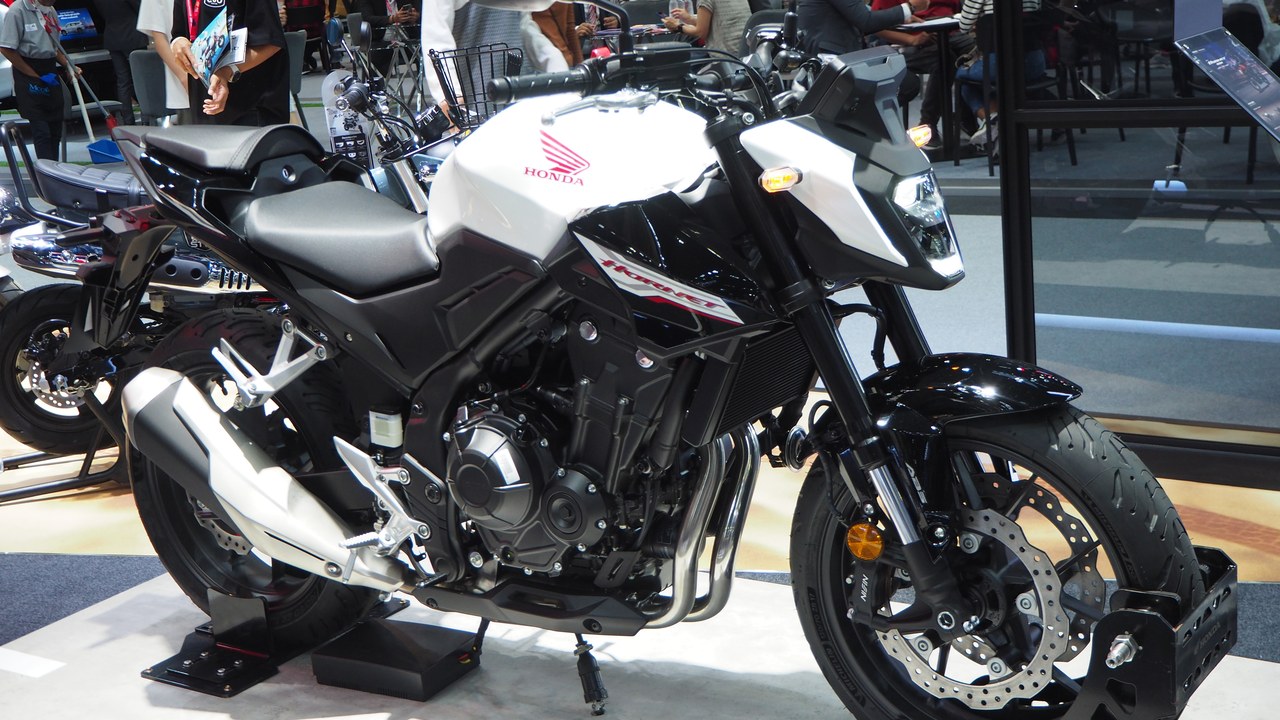
Fairings removed, Honda’s 471cc parallel twin becomes the CB500F, a naked standard sold beside faired and adventure-styled siblings that share its engine and frame. That shared architecture means parts volume is high and independent shops already know the motor. Cheap consumables are the practical reason the middleweight Honda standard keeps turning up on long-term ownership lists.
Output is modest by design, and experienced riders sometimes find it thin above legal speeds. As a commuter that tolerates rain, road salt and a neglected chain, though, it asks for remarkably little in return.
4. Suzuki V-Strom: Built From Proven Parts
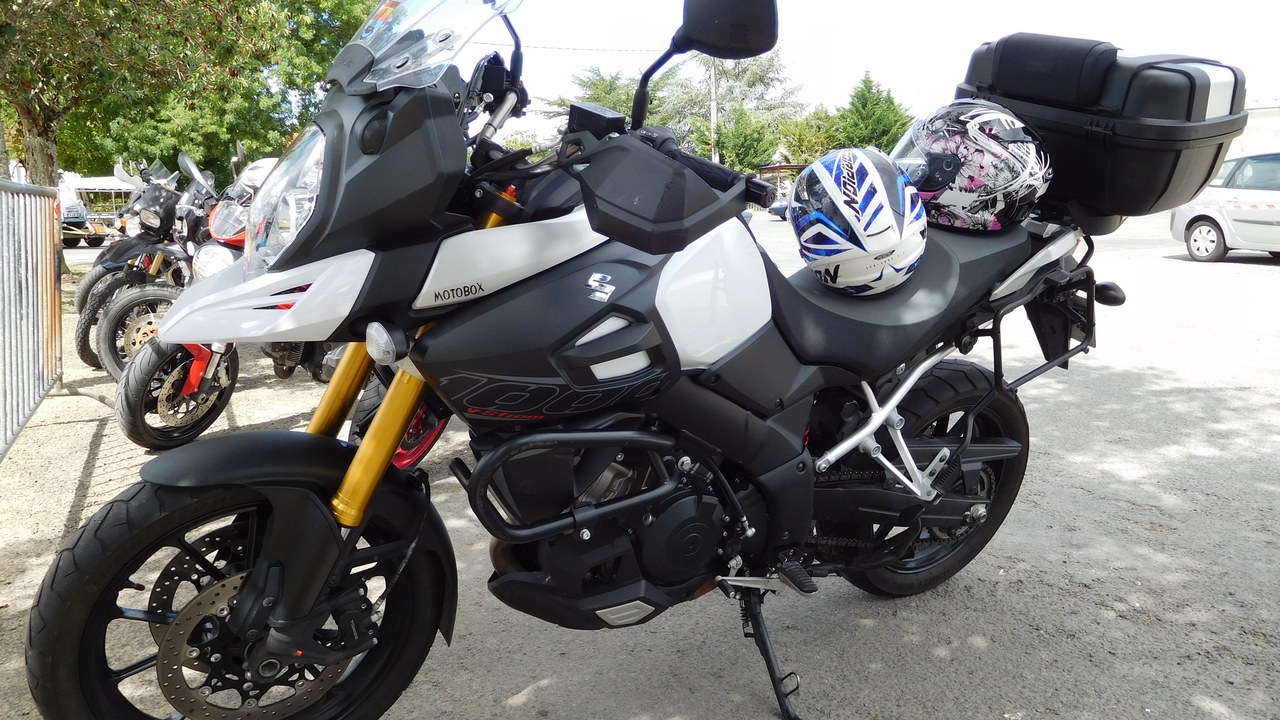
Few adventure bikes borrow as heavily from a known quantity as the V-Strom 650, whose 645cc V-twin traces its lineage to the SV650 sport standard. Suzuki launched it in 2004 and has kept it current through incremental updates rather than clean-sheet redesigns. Budget-minded riders crossing continents gravitate to the Suzuki adventure twin for exactly that reason.
Suspension and wind protection are the compromises, and both get upgraded by owners heading off pavement. The engine is rarely the thing anyone worries about, and high-mileage examples still change hands without much argument over price.
5. Kawasaki Ninja 400: The Rental-Fleet Test
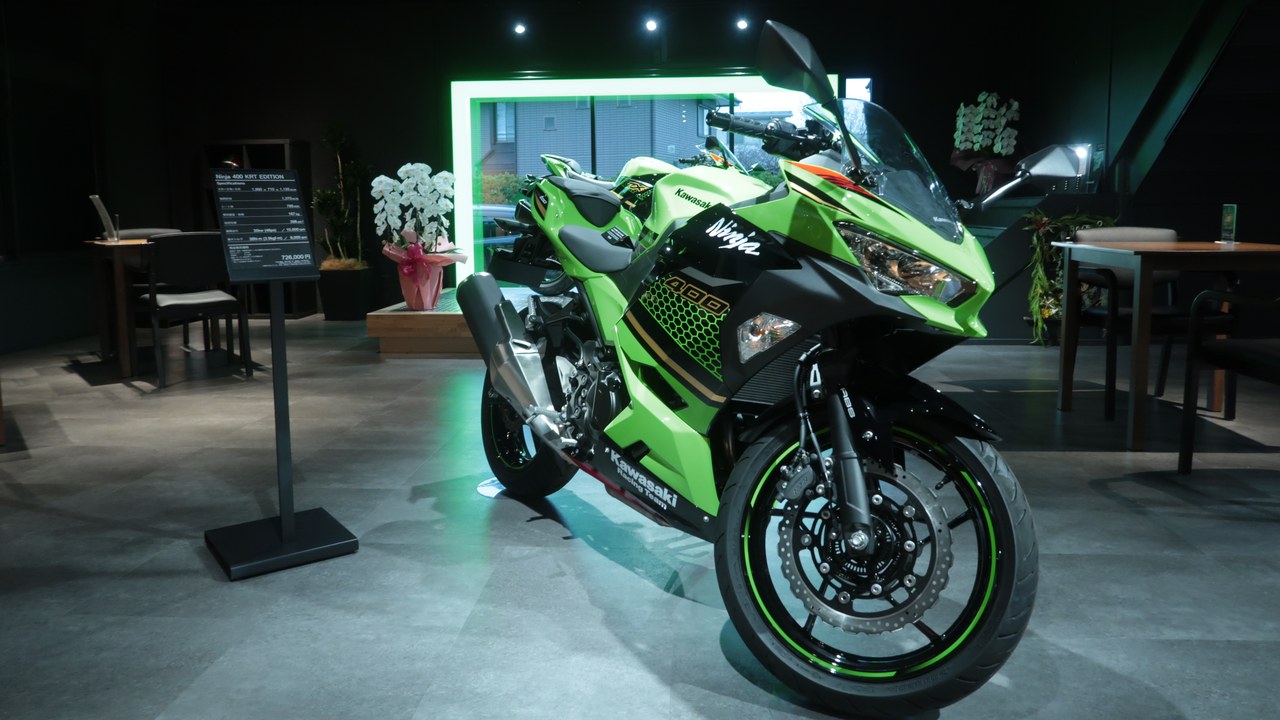
Introduced in 2018 as the Ninja 300’s replacement, this model enlarged the parallel twin to 399cc and shed weight with a new steel trellis frame. The result stays quick enough to hold a rider’s attention for several seasons while remaining mechanically plain. Riding schools and track-day rental fleets lean on the entry-level Kawasaki sportbike because it tolerates constant, unsympathetic use.
Fleet duty is the clearest endorsement available, since bikes that break do not stay in rental service long. Private buyers should still inspect for crash damage: popularity with novices means a share of used examples have been down.
6. Yamaha MT-07: Simplicity As A Strategy
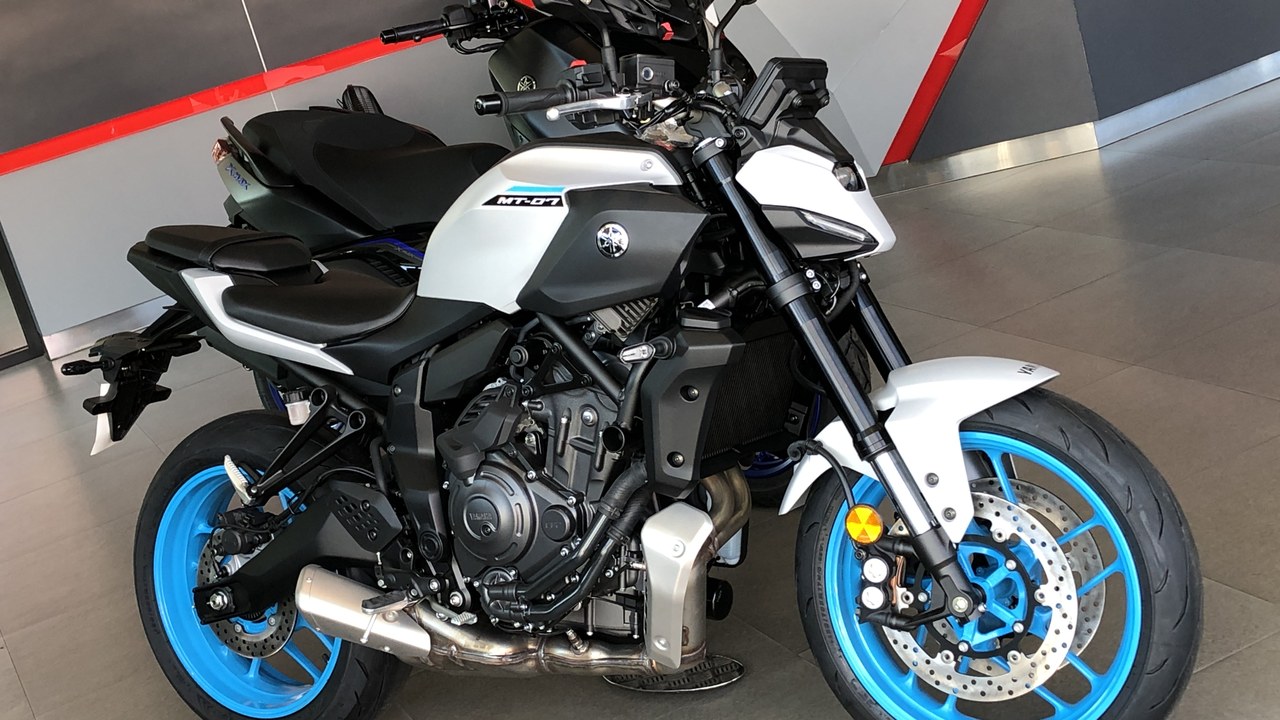
A following grew around the 689cc CP2 crossplane twin at the center of the MT-07, an engine kept deliberately plain: two cylinders, a modest state of tune, little electronic complexity to fail. It reached showrooms in 2014 and now appears across Yamaha’s range, including the Tenere 700 adventure bike. Volume like that keeps the Yamaha naked twin cheap to feed.
Early suspension was the weak point, soft enough that faster riders replaced it almost immediately. None of that touches longevity, and the engine’s reputation has held as the first wave of high-mileage bikes reached the used market.
7. Honda Rebel 500: A Cruiser Without The Upkeep
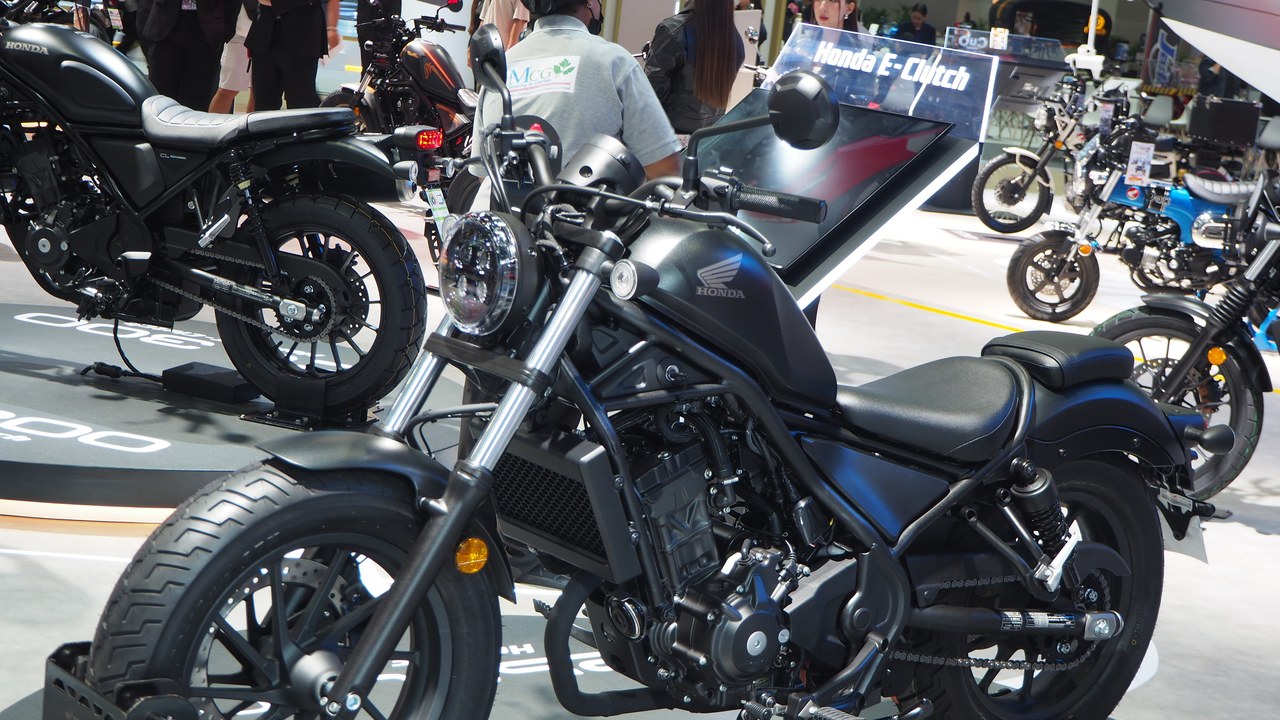
Cruisers typically trade maintenance for style, and the Rebel 500 is the exception that proves how avoidable that trade is. Underneath the low-slung chassis sits the same 471cc twin used across Honda’s CB500 range, a commuter engine with a documented service record. Ownership costs therefore track an economy bike rather than a boutique one, which is the appeal of the small Honda cruiser.
Range is limited by a modest fuel tank, and passenger accommodation is an accessory instead of a standard feature. Riders who accept those limits get a machine that shrugs off short trips, cold starts and long storage gaps.
8. Harley-Davidson Sportster: Parts On Every Shelf
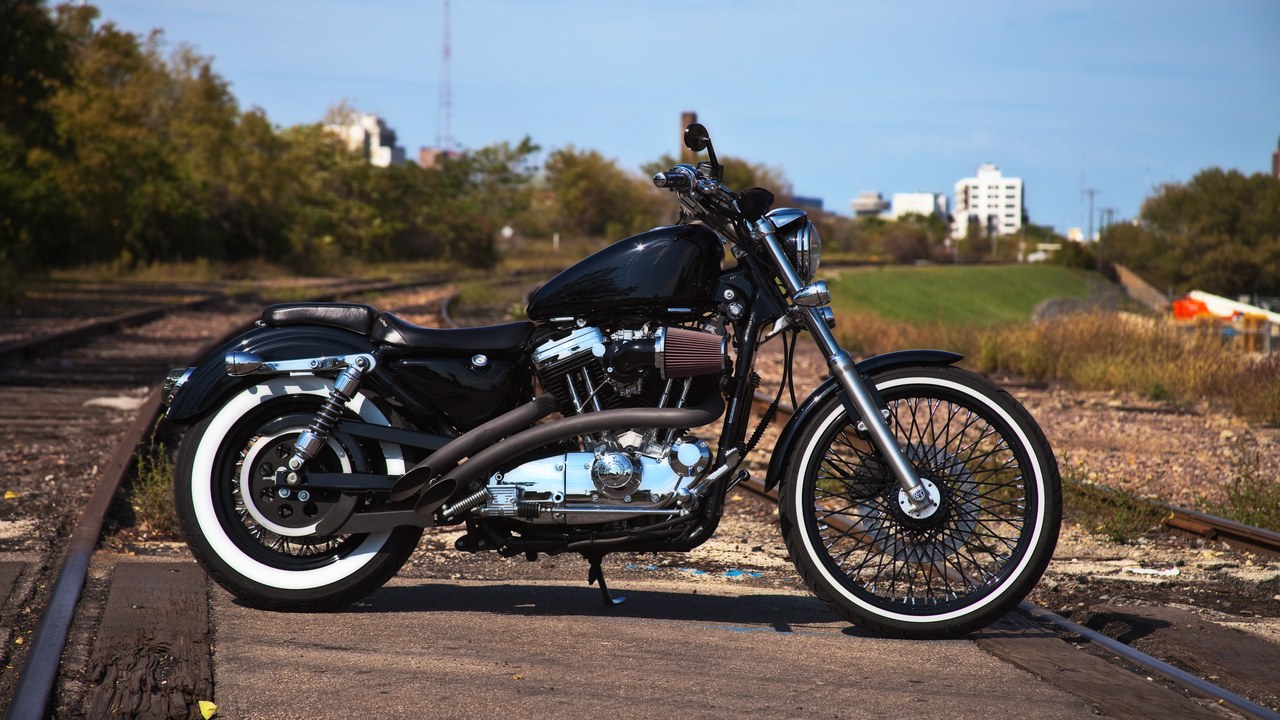
Launched in 1957 and carried into the 2020s, the Sportster nameplate covers one of the longest production runs in motorcycling. The air-cooled Evolution engine that powered it for decades is understood by nearly every independent shop in the country, and aftermarket support is enormous. Components for the Harley-Davidson Sportster line stay cheap and available largely because so many were built.
Vibration and maintenance-heavy habits, from primary chain adjustment to frequent oil changes, come with the territory. In exchange, almost nothing on the bike is unfixable at a sane price, which is why decades-old examples remain in daily use.
9. BMW GS: The Distance Standard
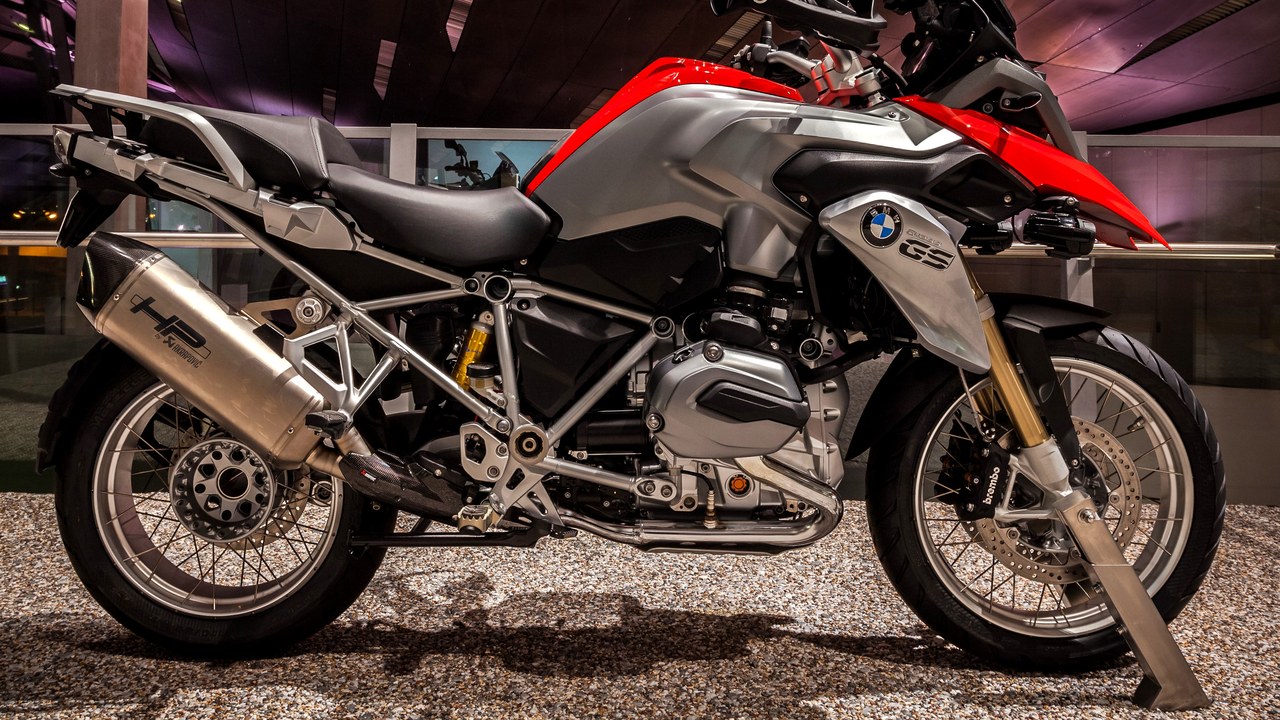
Beginning with the R80 G/S in 1980, the GS line grew into the default choice for riders attempting genuinely long distances. Shaft drive and exposed boxer cylinders make roadside work unusually approachable, and BMW’s dealer coverage across Europe, Asia and the Americas is broad. Round-the-world attempts disproportionately set off on a BMW boxer adventure bike.
Complexity is the counterargument, since electronic suspension and rider aids add failure points simpler machines never have. Owners who keep up with scheduled service and final-drive inspections tend to report the high mileages the badge is known for.
More from Morning Overview
- Long-term use of common heartburn pills is tied to kidney and dementia risk
- A California supervolcano has bulged upward about two and a half feet since 1978
- The FTC is warning about a scam quietly draining thousands from victims
- The NSA is again telling phone owners to switch off one location setting
