
Collector-car values once took decades to climb, but the modern enthusiast market moves much faster than that. Manual transmissions, naturally aspirated engines, and unapologetic combustion performance are vanishing from showrooms, and buyers already know which cars are worth parking away with low miles. Nine current-era models keep surfacing in that speculative conversation.
1. Toyota GR Supra: Bavarian Six, Japanese Badge
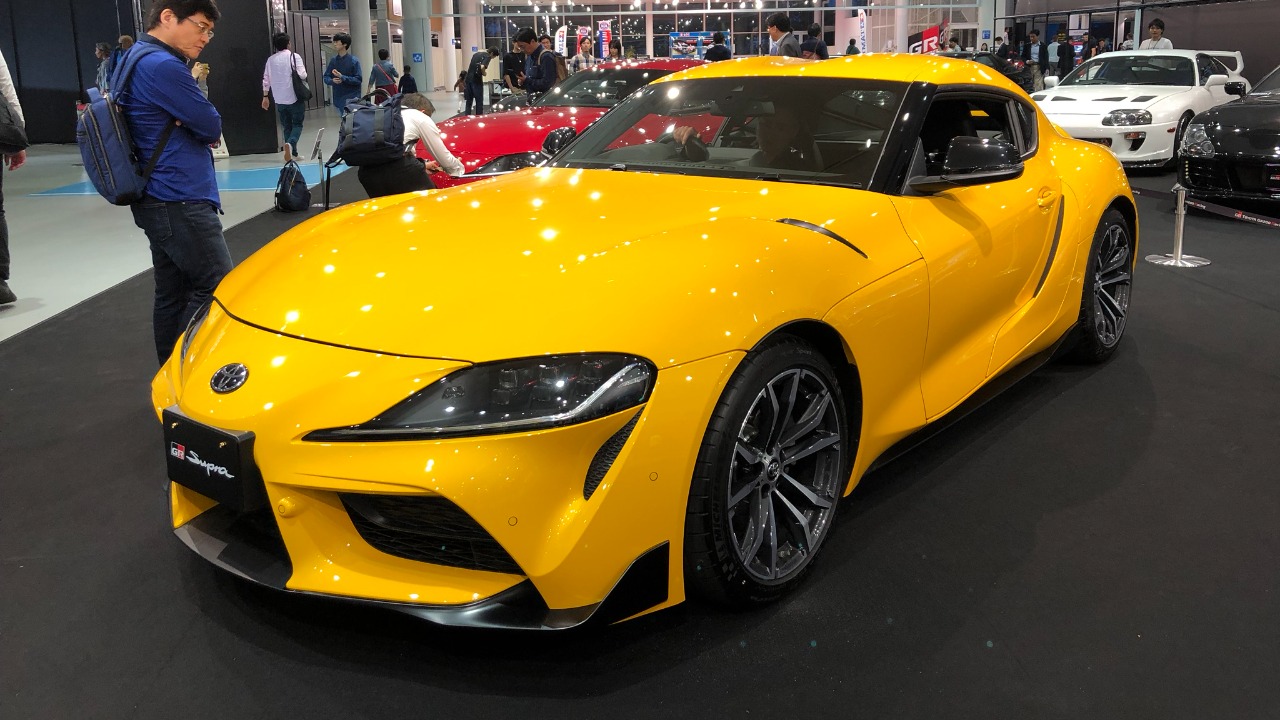
Toyota brought the Supra name back for 2019 after a long absence, and it did so with heavy BMW involvement: the fifth-generation car shares its platform and its turbocharged 3.0-liter inline-six with the Z4, and assembly happens at Magna Steyr in Austria. The revived fifth-generation Supra makes roughly 382 horsepower in current US trim.
That German hardware once drew complaints from purists, but the calculus shifted when Toyota added a six-speed manual in 2023 and the production run began winding down. Low-mileage stick-shift examples are the ones enthusiasts quietly set aside.
2. Honda Civic Type R: Front-Drive Cult Status
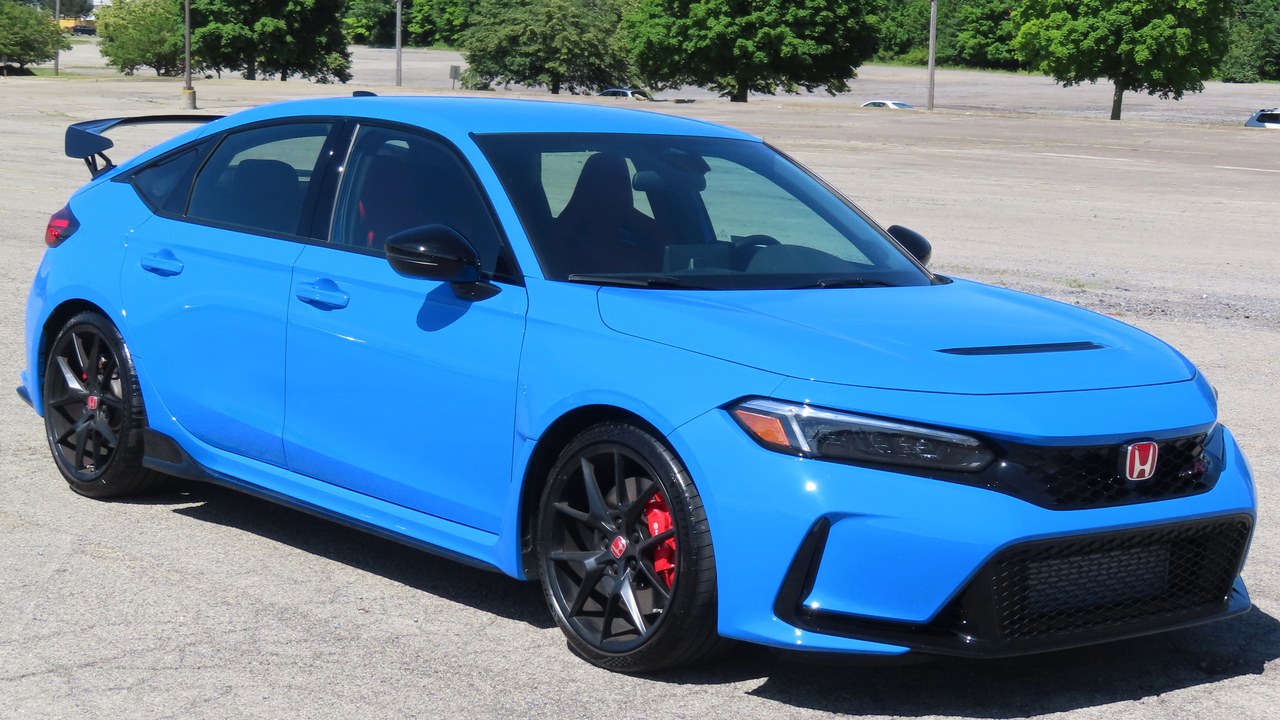
For most of its life the Type R badge never reached American showrooms, which is exactly why the cars that did arrive carry outsized weight. The current FL5 Civic Type R uses a 2.0-liter turbocharged four rated at 315 horsepower, drives the front wheels only, and comes with a six-speed manual and no automatic option at all.
Honda has repeatedly proven the formula can hold a Nurburgring front-drive lap record, and dealers marked early cars up by five figures. Scarcity plus a stick-shift-only order sheet is the classic recipe for a car that stops depreciating.
3. Ford Mustang Shelby GT350: The Flat-Plane Farewell
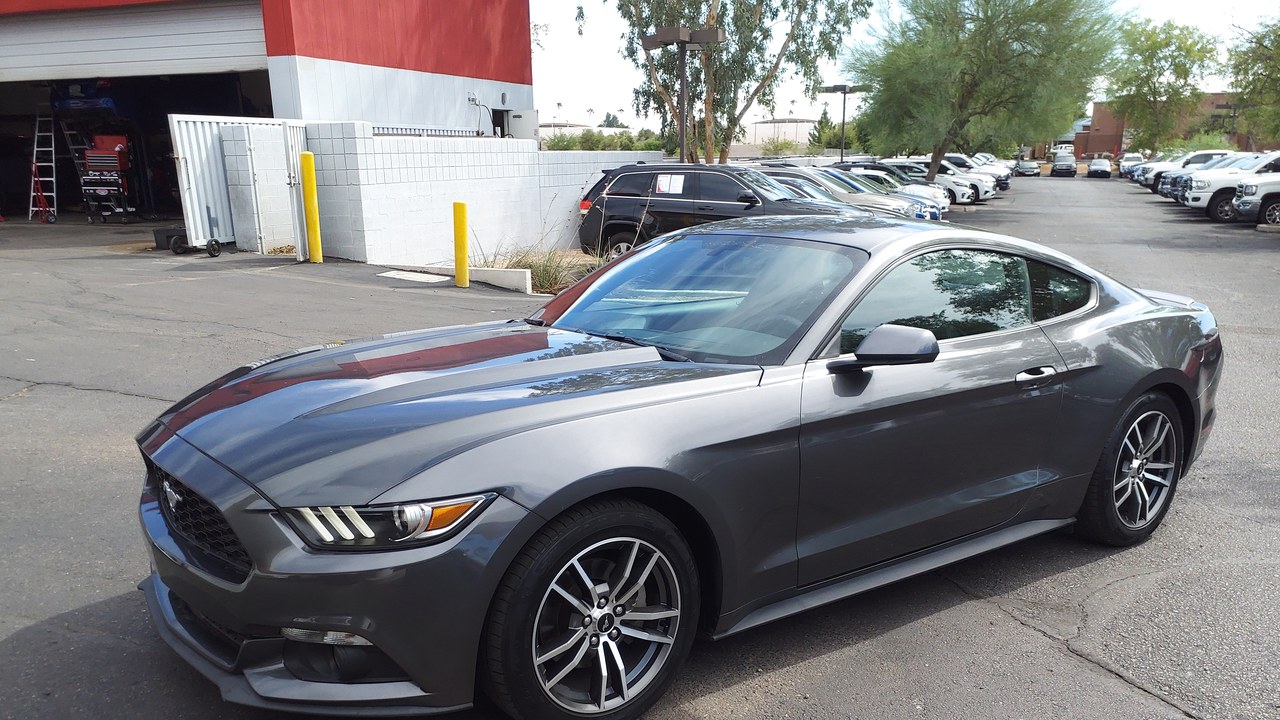
Ford built the GT350 around an engine no other mass-produced American V8 could match: a 5.2-liter unit with a flat-plane crankshaft, 526 horsepower, and an 8,250-rpm redline that sounds closer to a Ferrari than to a Detroit muscle car. It sat atop the sixth-generation Ford Mustang range and left production after 2020.
Nothing in the current lineup replaced it, because the Dark Horse uses a conventional cross-plane V8 instead. A limited-run engine that will never return is the single most reliable predictor of long-term collectibility in the modern market.
4. Chevrolet Camaro ZL1: Supercharged, Then Discontinued
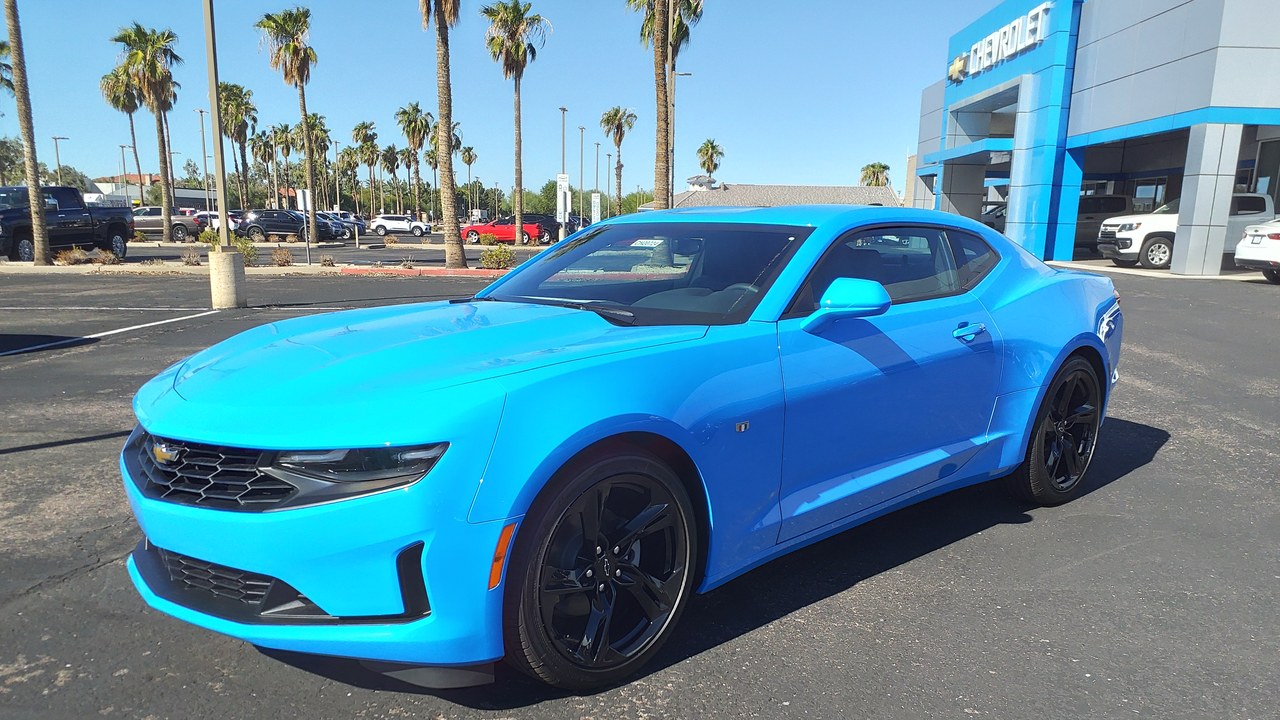
General Motors ended sixth-generation Camaro production in January 2024 without a direct replacement, and the ZL1 was the version that mattered most on the way out. Its supercharged 6.2-liter LT4 V8 produced 650 horsepower, and the optional 1LE package added aerodynamics and suspension hardware that made it genuinely competitive on a road course.
Camaro values historically lagged Mustang values because Chevrolet built so many of them. The ZL1 1LE is the exception: production numbers were small, the car was expensive new, and the nameplate itself is now dormant.
5. Subaru WRX STI: The End Of The Bloodline
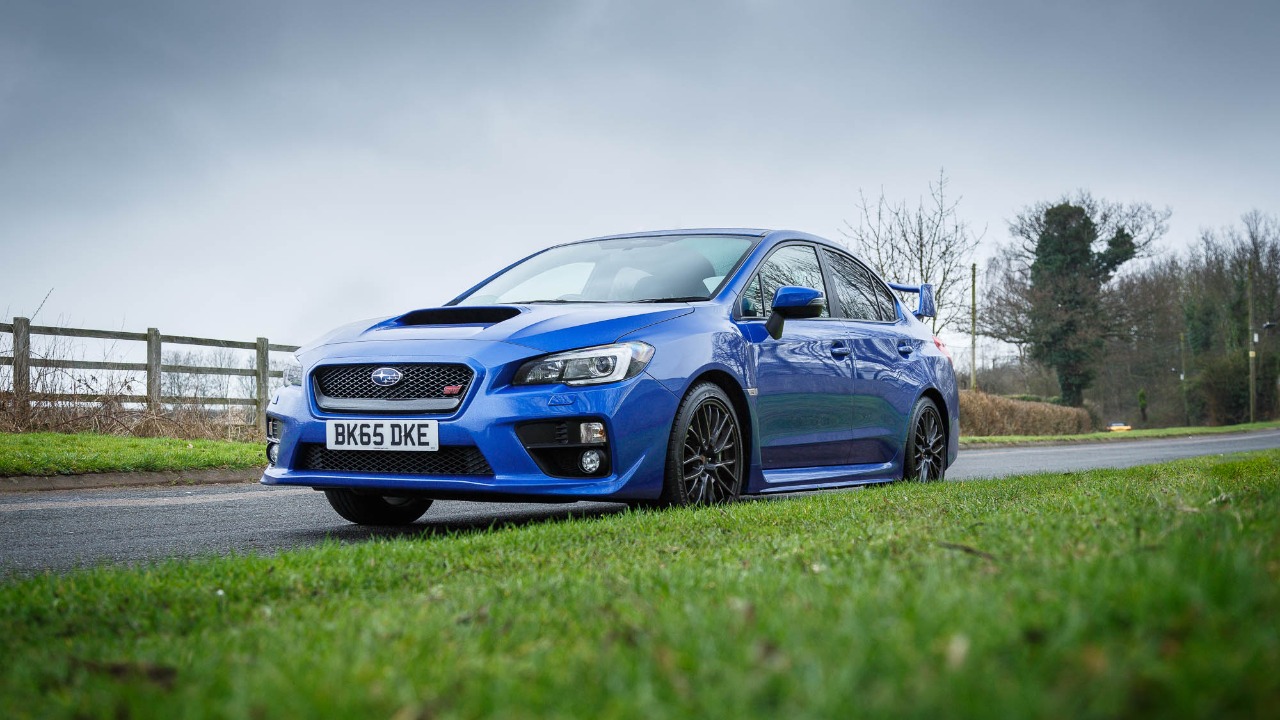
Subaru discontinued the STI after the 2021 model year and has not built a replacement for the current-generation WRX, which makes the final WRX STI the end of a decades-long rally bloodline. The last US cars used a 2.5-liter turbocharged boxer four, a six-speed manual, and a driver-controlled center differential, hardware that no longer exists at any price.
Most were driven hard, modified, or thrashed through winter salt, so unmolested low-mileage examples are genuinely rare. That survivorship gap, not raw performance, is what drives the speculation around clean survivors.
6. Mazda MX-5 Miata: Cheap Now, Not Forever
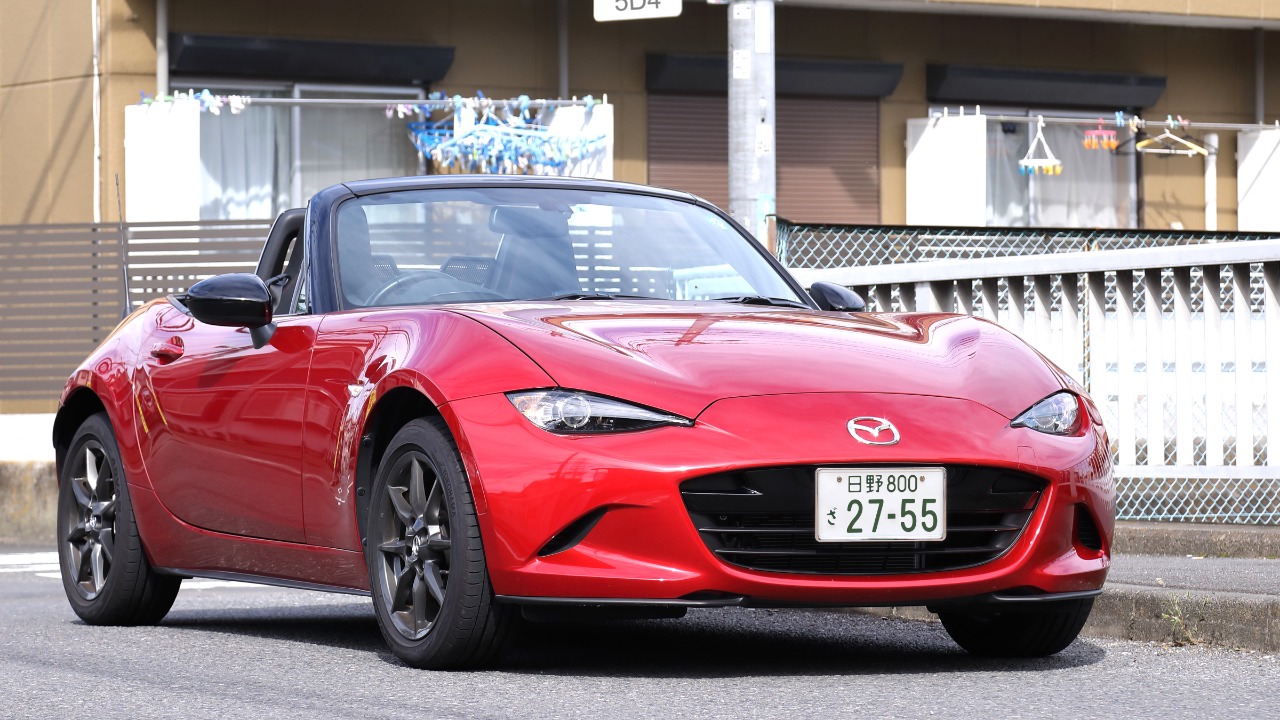
Four generations in, the Mazda MX-5 remains the best-selling two-seat roadster ever built, a Guinness record it has held since the 1990s and extended past the millionth car in 2016. The current ND weighs roughly 2,300 pounds, still uses a manual gearbox and rear-wheel drive, and refuses to chase horsepower figures.
Ubiquity normally kills collectibility, and ordinary Miatas will stay cheap for years. The upside sits in the limited runs, the special editions, club-spec cars, and untouched first-owner examples, which is where a mass-market car quietly becomes a collectible one.
7. Nissan Z: A Lineage Worth Keeping
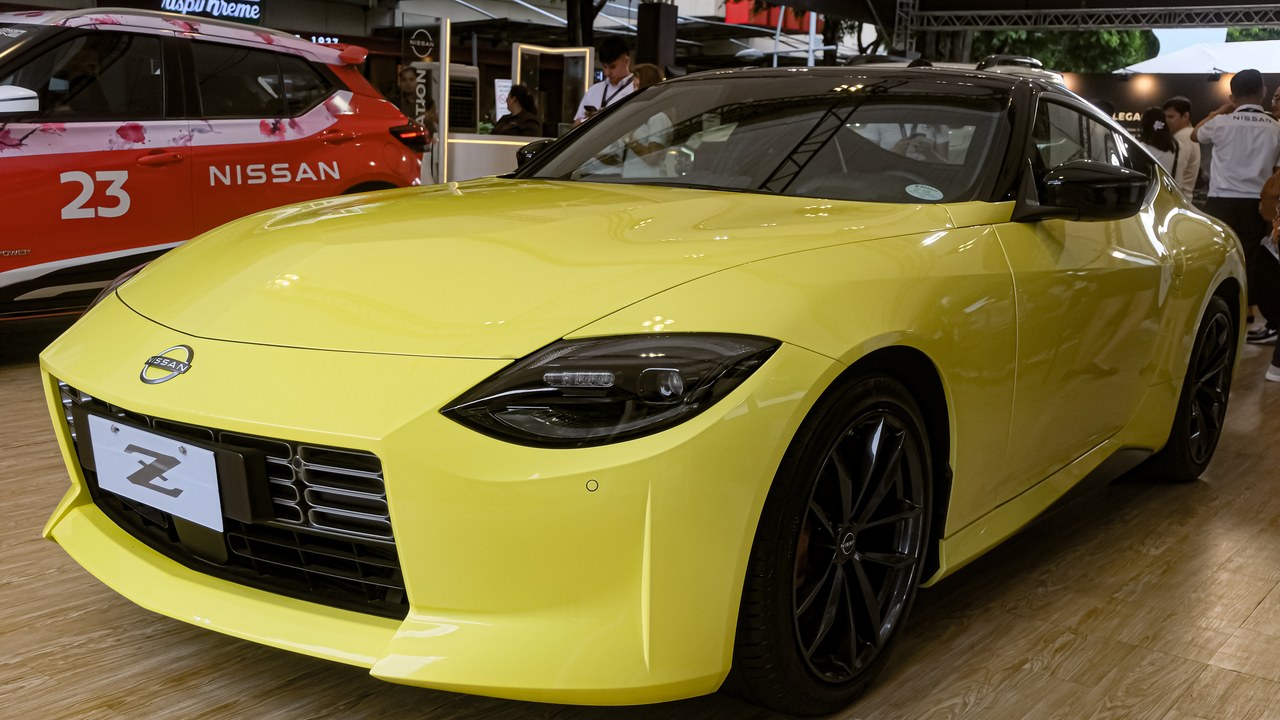
Nissan let the 370Z run for more than a decade before replacing it, and the RZ34-generation Nissan Z that finally arrived in 2022 borrowed a 3.0-liter twin-turbo V6 from Infiniti, rated at 400 horsepower, with a six-speed manual on the option sheet. Its styling deliberately quotes the 240Z and 300ZX rather than starting fresh.
Sales volumes have been modest, which is a problem for Nissan and an opportunity for anyone buying one. A rear-drive manual coupe from a company steadily shifting toward crossovers and electrification is exactly the profile that ages into scarcity.
8. Dodge Challenger SRT Hellcat: The Last Big Hemi
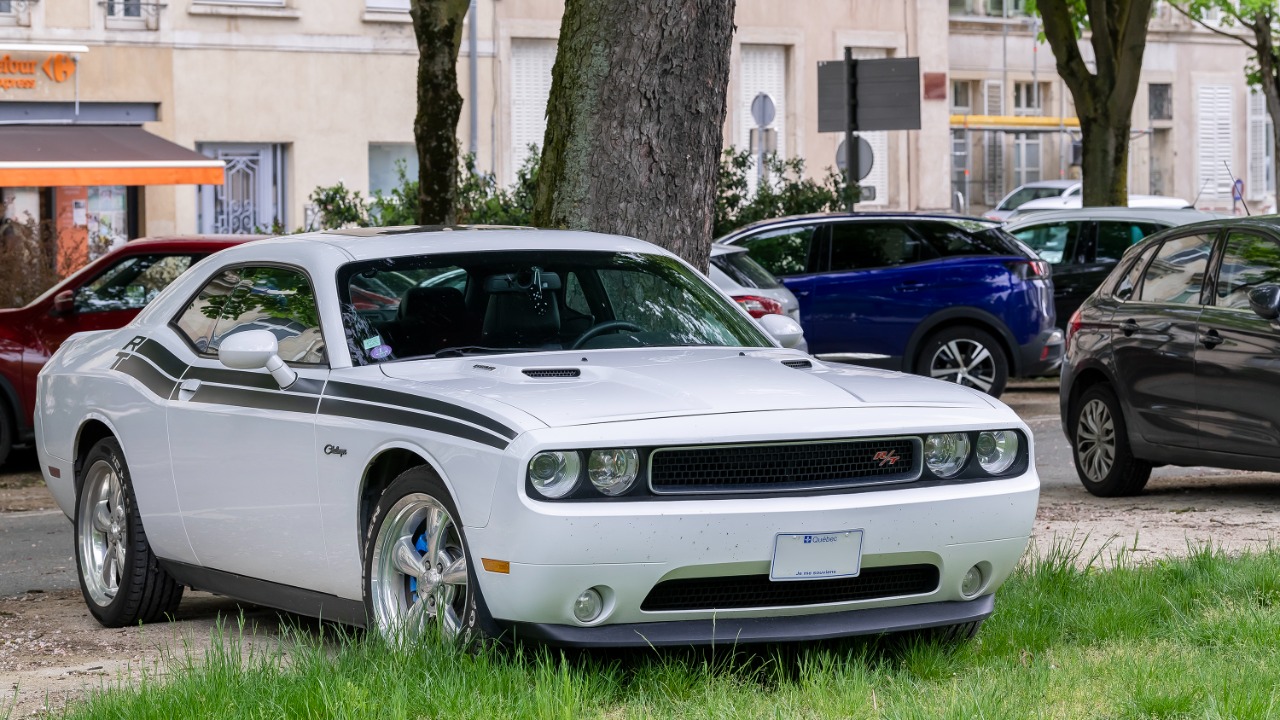
When the Hellcat arrived for 2015, its supercharged 6.2-liter Hemi V8 made 707 horsepower, a figure that had belonged to exotics a few years earlier and now came with a warranty and back seats. Production of the third-generation Dodge Challenger ended in December 2023, closing out an era of big-displacement American muscle coupes.
Dodge replaced it with an electrified Charger, a decision that guarantees the supercharged Hemi will never return in that exact form. Limited variants such as the Demon and the final-year Last Call cars draw the strongest collector interest.
9. Toyota GR Corolla: Three Cylinders, Real Scarcity
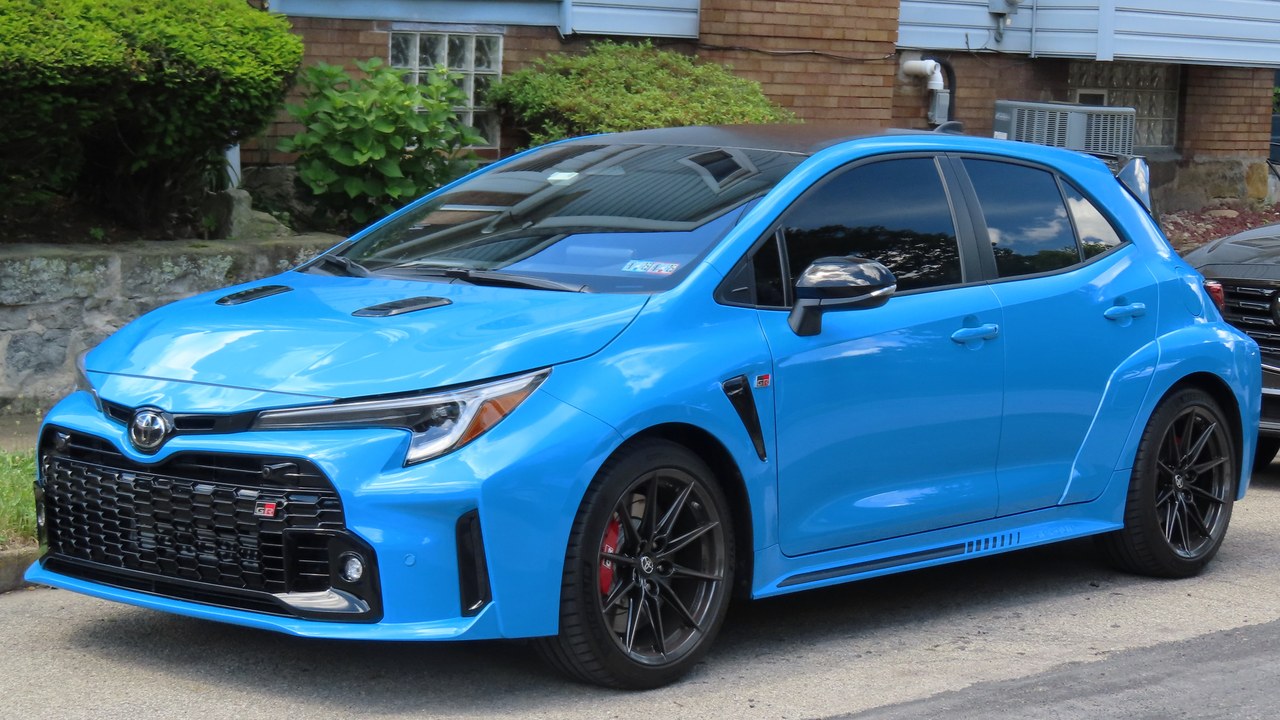
Hot hatches rarely justify collector attention, but the Toyota GR Corolla is an outlier: it uses a 1.6-liter turbocharged three-cylinder producing roughly 300 horsepower, one of the most powerful three-cylinder engines ever put in a production car, paired with the GR-Four all-wheel-drive system and, at launch, a manual gearbox as the only transmission.
Toyota assembles it on a dedicated line rather than the ordinary Corolla production flow, and supply has stayed tight since launch. Rally-derived, homologation-flavored hatchbacks have a long history of appreciating once the factory stops building them.
More from Morning Overview
