Glaciers across the globe are shrinking at a pace that equates to losing around 9 million Olympic-sized swimming pools of ice each year. The shift in monsoon patterns plays a significant role in this accelerated melt, and this raises serious questions about the future of water availability and the impacts of climate change.
Understanding the Scale of Glacier Melt
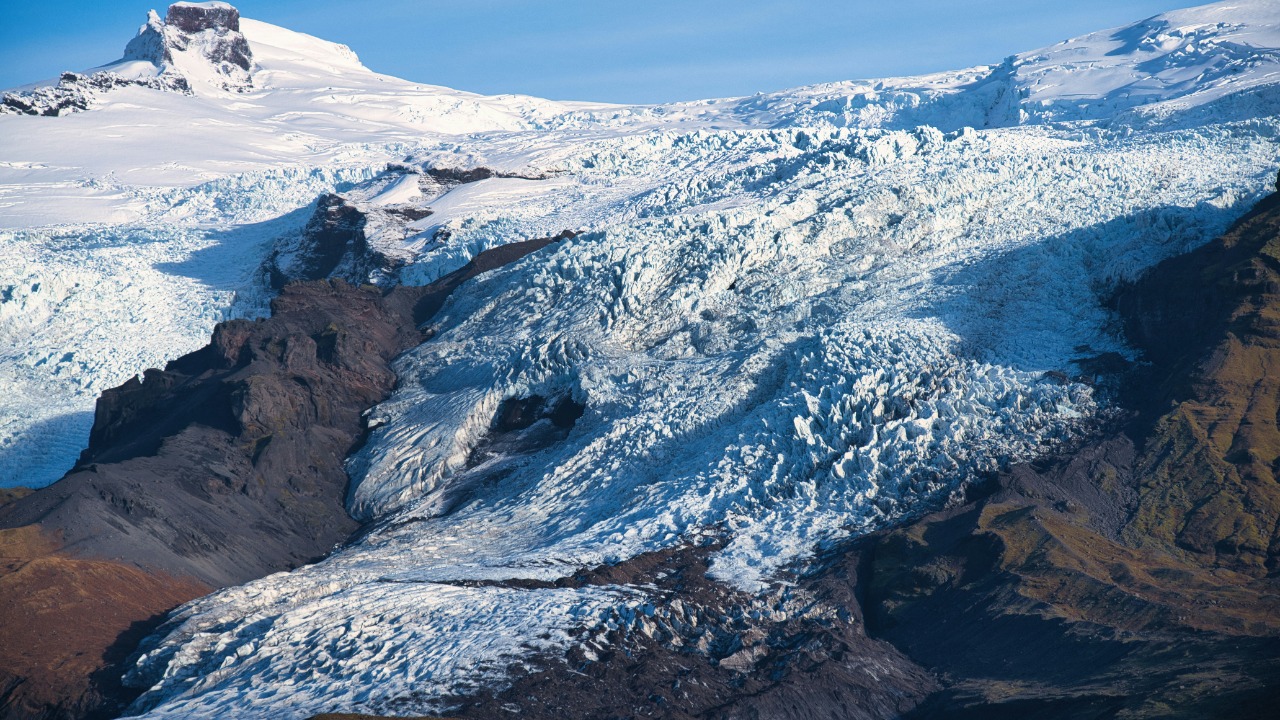
Visualizing the magnitude of glacier melt can be challenging. To understand the scale, imagine the volume of water in approximately 9 million Olympic swimming pools. This staggering amount is what we lose annually in glacier ice. This loss is not just an environmental concern, but it also has a profound impact on our global ecosystems and the lives of millions of people.
One of the most significant impacts of glacier melt is the rise in sea levels. According to the UNESCO, the melting of glaciers contributes about 30% to the observed sea-level rise. This puts coastal regions and low-lying islands at a high risk of flooding and even permanent submersion.
Role of Monsoons in Glacier Melt
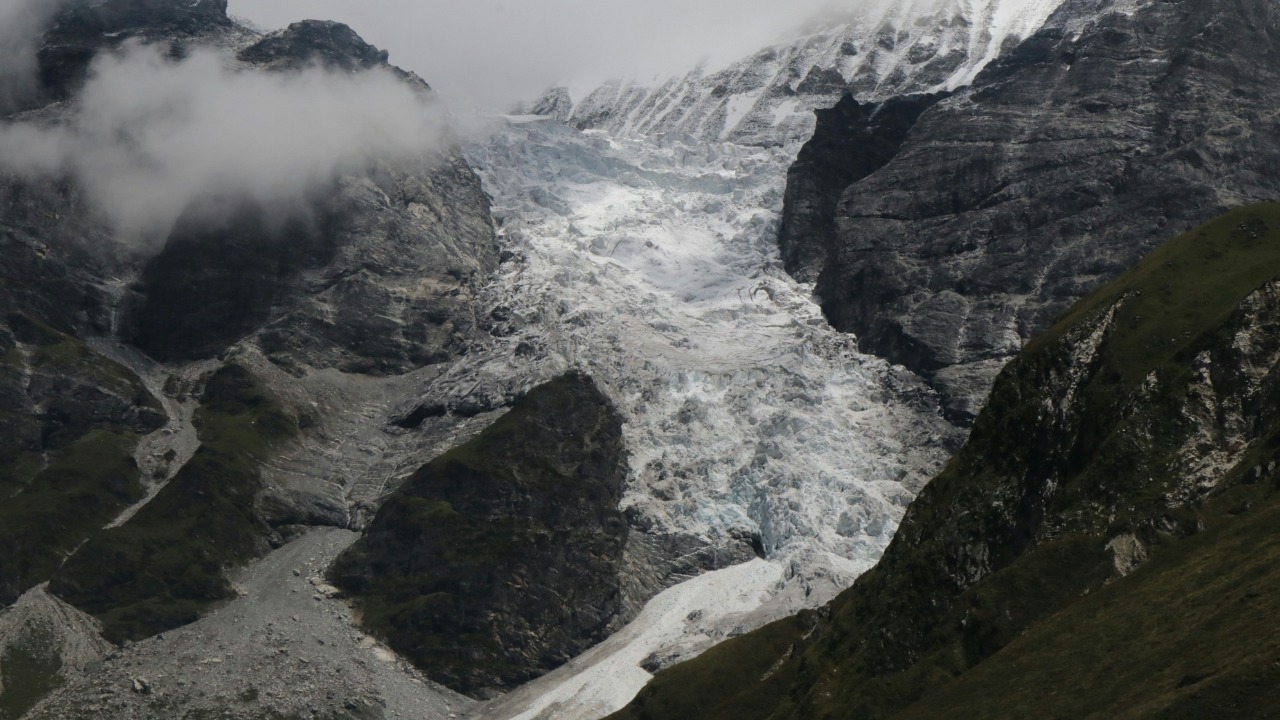
Monsoons, seasonal wind patterns that cause heavy rainfall, have a substantial influence on glaciers. In regions like the Himalayas, monsoons bring about a significant portion of the annual precipitation, which gets stored as glacial ice. However, shifts in these patterns, due to climate change, are causing glaciers to melt at an accelerated rate.
Recent research has linked monsoon shifts to accelerated glacier melt. According to a study conducted by the University of Utah, changes in monsoon patterns are causing glaciers in High Mountain Asia to shrink faster.
The Case of High Mountain Asia
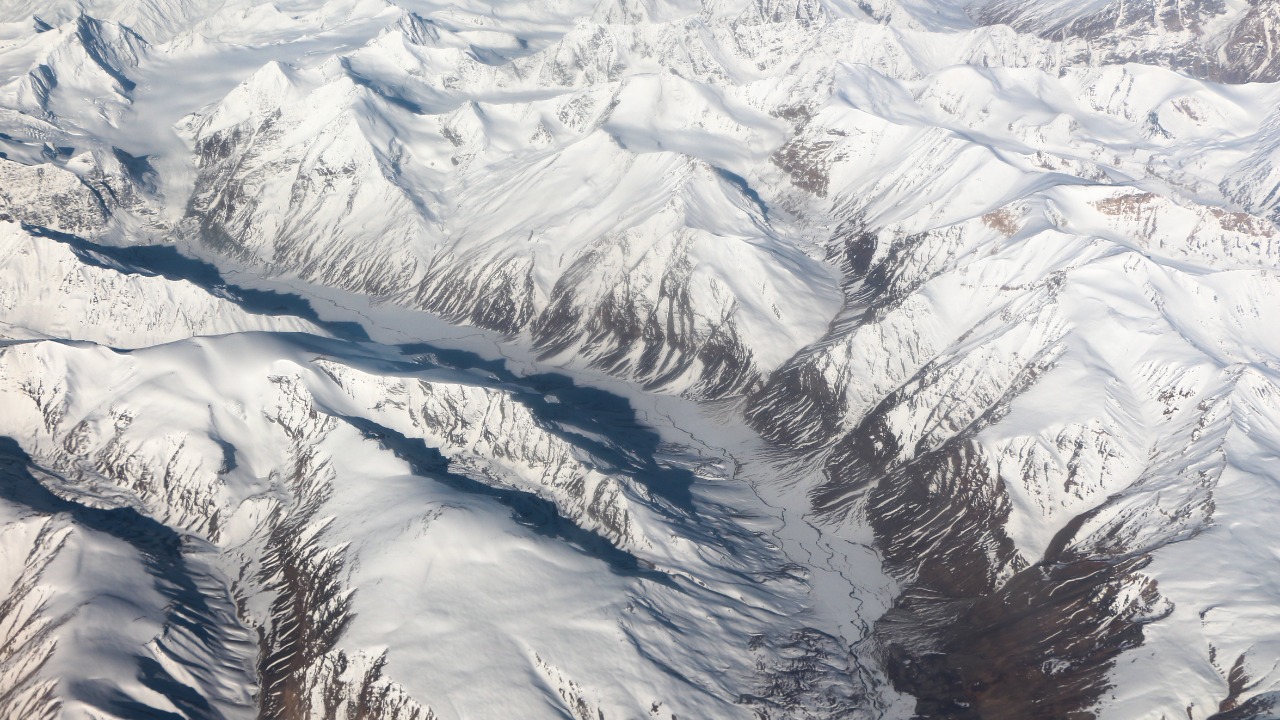
The glaciers in High Mountain Asia, which include the Himalayas, are of particular concern. These glaciers are vital sources of water for millions of people. The study mentioned above concludes that monsoon changes have led to the rapid shrinking of these glaciers.
This phenomenon has severe implications for communities relying on these glaciers for their water supply. As these ice reserves dwindle, water scarcity could become a severe problem, leading to potential conflicts and mass migrations.
The Connection between Monsoons and Climate Change
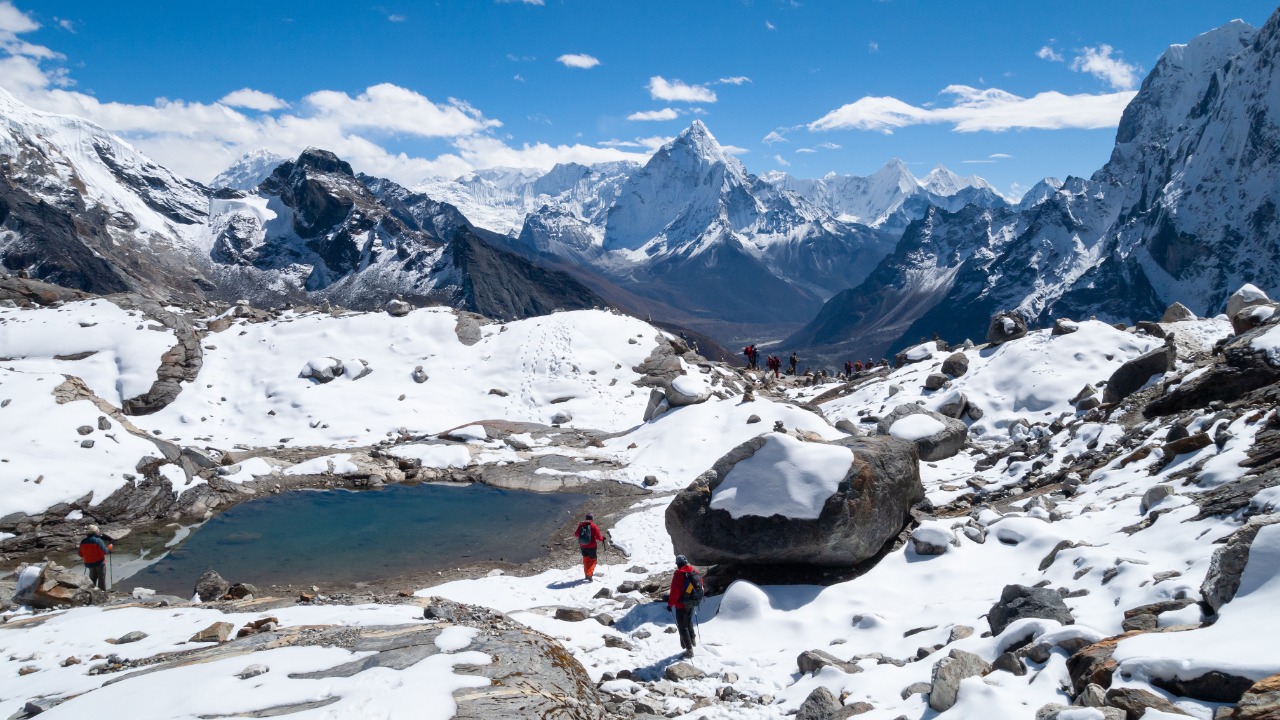
The relationship between monsoon patterns and climate change is complex. Climate change affects monsoons, and in turn, monsoons impact the rate of glacier melt, which contributes to climate change. As the planet warms, we can expect monsoon patterns to become more intense and unpredictable, which could lead to even faster glacier melt.
A study published on De Gruyter highlights that monsoons have become more erratic and intense over the past 50 years due to climate change. This shift in monsoon patterns is expected to exacerbate the melting of glaciers, leading to a vicious cycle of environmental consequences.
Implications and Future Prospects
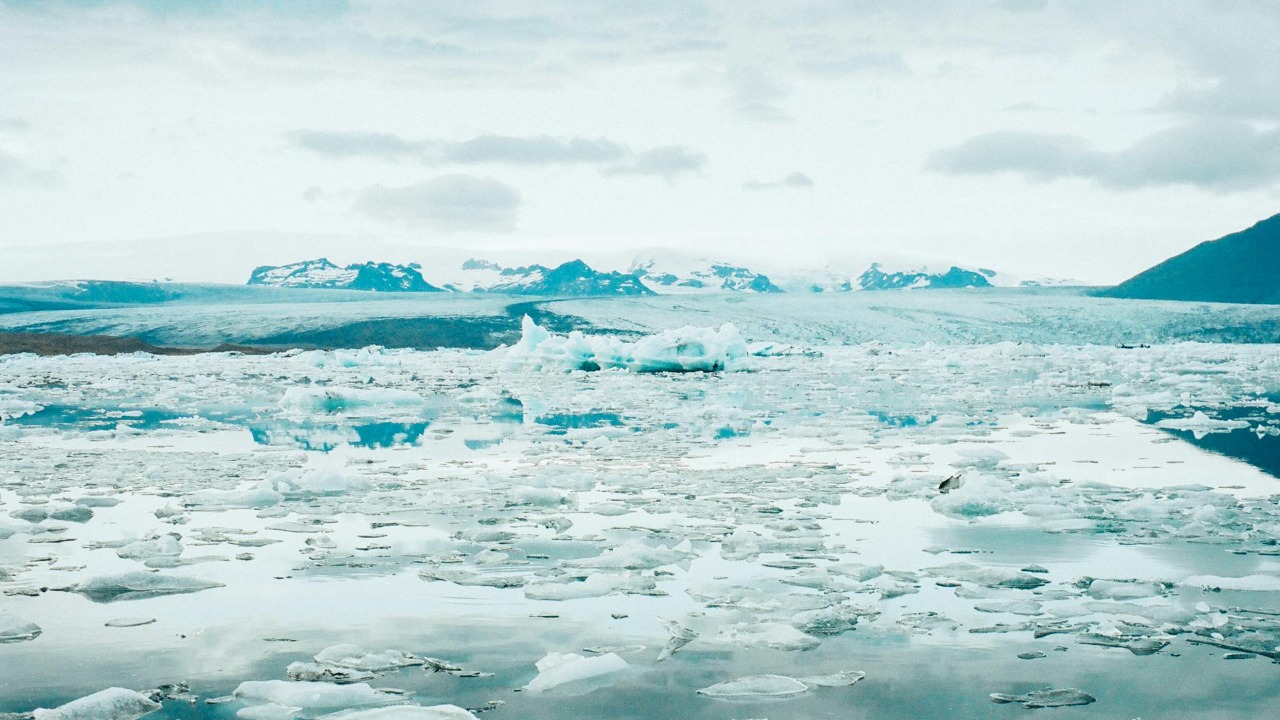
The continued melting of glaciers poses significant challenges. It threatens our water resources and biodiversity. As glaciers retreat, they leave behind barren landscapes that were once thriving ecosystems. Moreover, the potential for sea-level rise puts vulnerable coastal communities at risk.
Addressing this issue requires a concerted global effort to mitigate climate change. Strategies include reducing greenhouse gas emissions, transitioning to renewable energy, and implementing adaptation measures to deal with changing monsoon patterns. However, it’s crucial to remember that every small step, from individual actions to international policies, counts in this collective fight against climate change.
