
Plush leather and quiet cabins usually hint at repair bills that arrive as often as the compliments. Yet a handful of premium four-doors quietly rack up years of low-cost ownership, borrowing engines and build discipline from mainstream siblings. These nine badges pair genuine comfort with the kind of durability that keeps mechanics idle and resale strong.
1. Lexus ES: The Reliability Benchmark
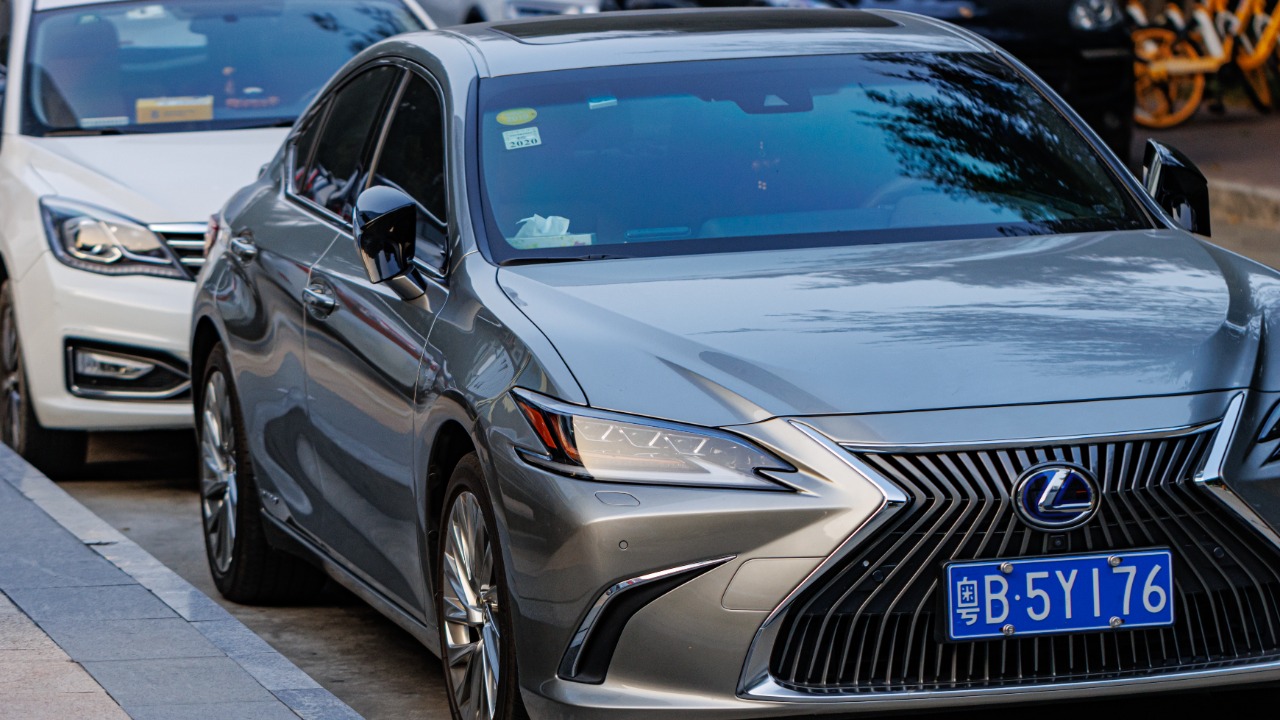
For decades the front-wheel-drive flagship sedan of Toyota’s premium arm has topped dependability surveys, sharing its bones with the Camry and its unhurried, whisper-smooth powertrains. Owners report going well past 200,000 miles on original components, and the roomy, hushed cabin never betrays how little it costs to keep running.
Buyers chasing a badge without the anxiety land here first, because the trade-off is almost nonexistent. The steering feels numb and the styling stays conservative, but those are small prices for a car that rarely visits a service bay. Depreciation stays gentle, softening the sting of the initial premium and rewarding patient long-term ownership.
2. Lexus LS: Flagship Comfort Without The Fear
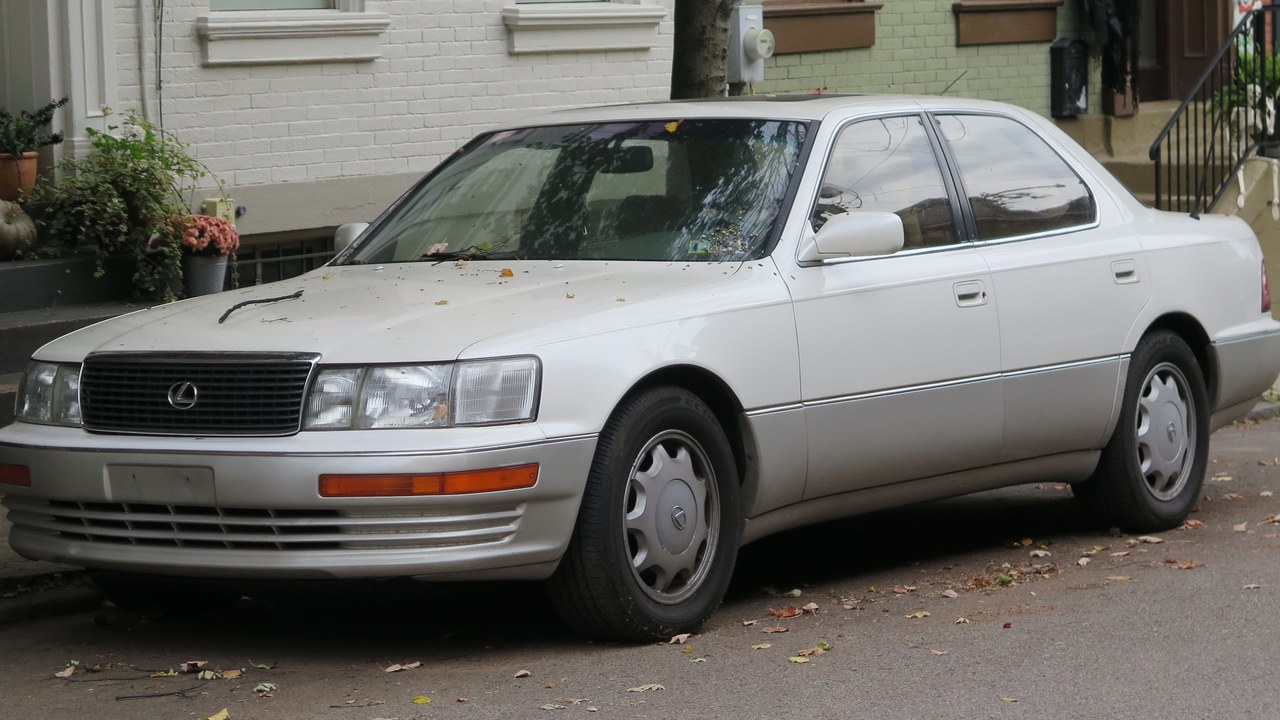
The brand’s full-size statement sedan launched with an obsessive engineering brief and never lost it, pairing hand-finished interiors with mechanicals borrowed from Toyota’s most durable engines. Early V8 examples routinely cross 300,000 miles, and even loaded models with air suspension avoid the catastrophic bills that haunt German rivals.
Depreciation hits the LS hard, which is a gift for second-hand shoppers willing to accept older tech. A decade-old example costs a fraction of its original sticker yet still delivers cosseting comfort and proven longevity. The main caveat is complexity on top trims, so an inspection of the air springs pays for itself many times over.
3. Genesis G80: The Upstart That Earned Trust Fast
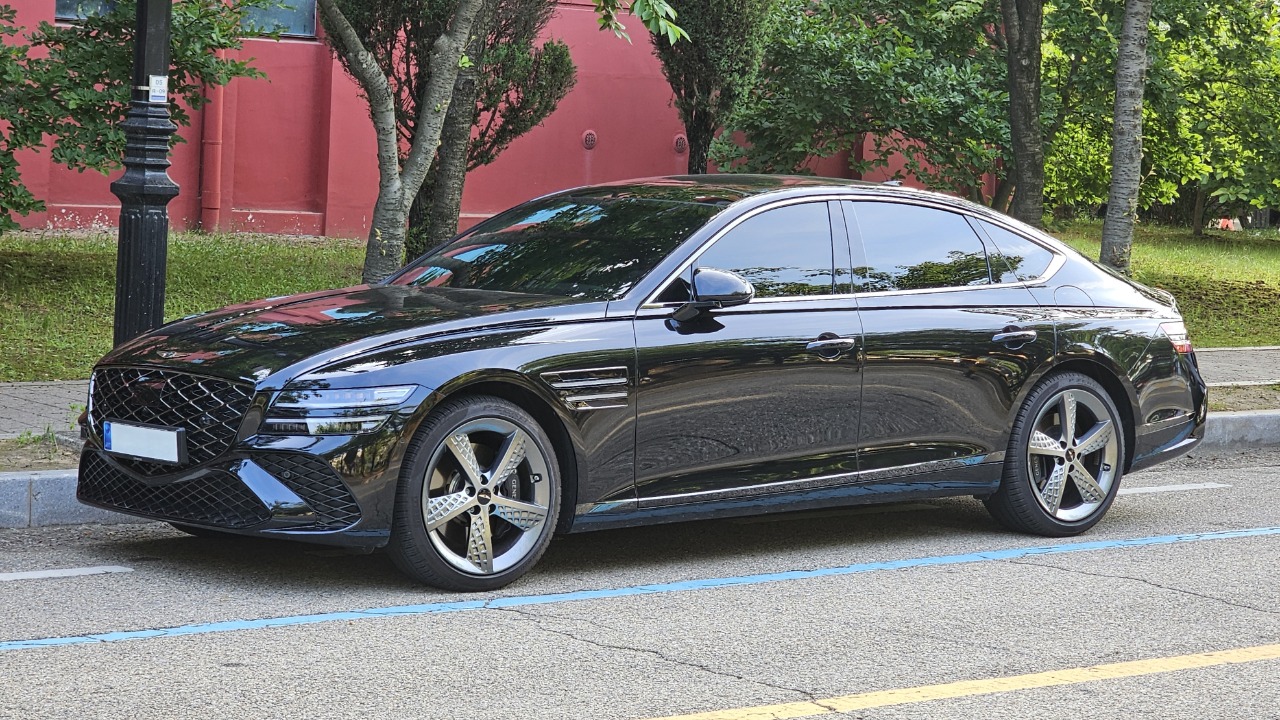
Hyundai’s luxury spin-off arrived without heritage and won owners over anyway, with the mid-size G80 four-door posting high marks on dependability studies within a few short years of launch. It undercuts established German competitors on price while matching them on cabin materials, and its turbocharged and V6 engines have proven durable early on.
Skeptics assume a young brand cuts corners, yet survey data keeps pointing the other way. The bigger unknown is long-term parts availability and resale as the badge matures, since history is still being written. For now the value proposition is stark: near-flagship refinement, strong reliability scores, and a price that leaves budget for premium fuel.
4. Genesis G90: Big Flagship, Small Bills
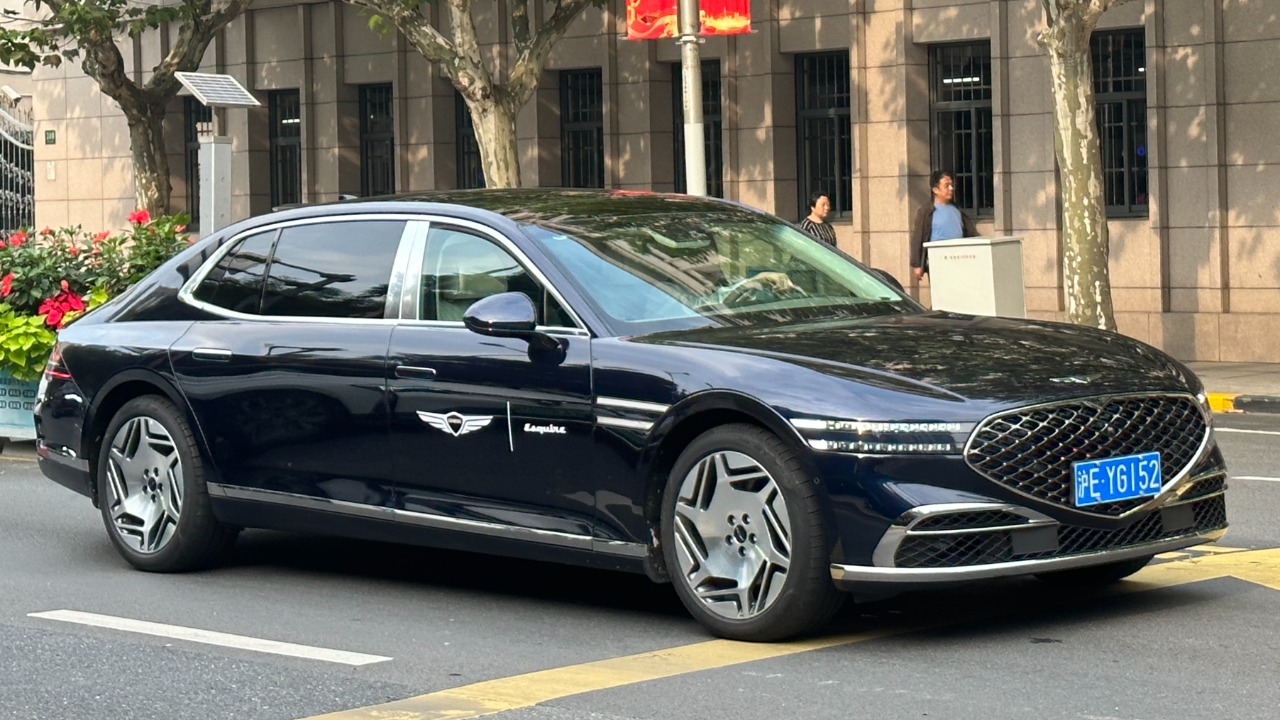
The brand’s largest full-size flagship targets the S-Class and 7 Series head-on, yet it dodges the eye-watering maintenance those cars are notorious for. Massaging rear seats, a hushed cabin, and twin-turbo power come wrapped in a package that early reliability data ranks near the top of its field, thanks to Hyundai’s mechanical conservatism.
The catch is presence rather than performance. The G90 lacks the badge recognition that draws executives to Stuttgart and Munich, and steep depreciation follows. That last point flips into an advantage on the used market, where a lightly aged flagship sells for luxury-adjacent money while still carrying warranty coverage and a dependability record its rivals cannot match.
5. Acura TLX: Honda Bones Under A Premium Suit
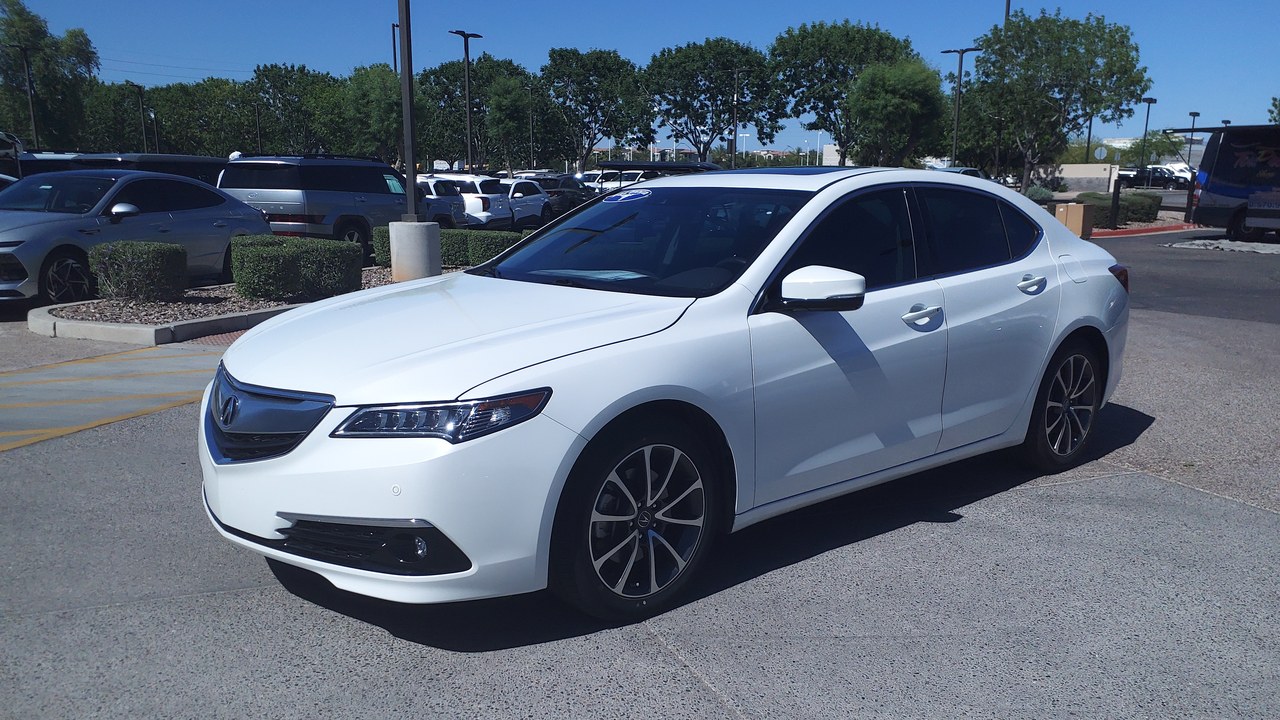
Honda’s premium division builds its sport sedan on the same engineering culture that made the Accord a durability legend, and it shows. Sharp handling and available all-wheel drive pair with naturally aspirated and turbo fours that shrug off high mileage, keeping unscheduled repairs rare. Conservative tech ironically helps, since fewer gimmicky systems mean fewer things to fail.
Enthusiasts occasionally wish for more drama, and the infotainment has drawn criticism, but neither dents the core appeal. This is a car that starts every morning and asks for nothing beyond oil and tires. Resale holds up better than most in the class, and the shared parts bin keeps out-of-warranty repairs affordable at independent shops.
6. Lexus GS: The Discontinued One Owners Refuse To Sell
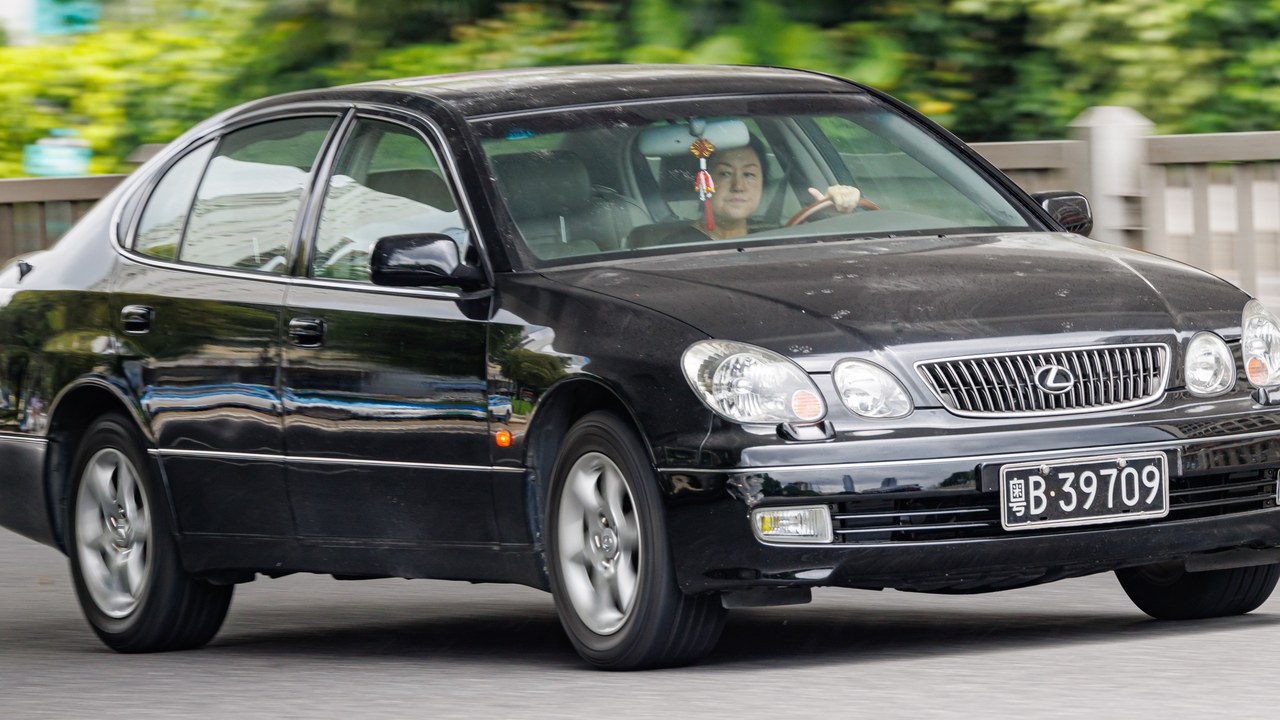
Production ended, but the mid-size sport sedan lives on in driveways because owners simply cannot find a reason to replace it. Rear-wheel-drive balance, a stout V6, and Lexus assembly discipline gave it a longevity streak that rivals its larger LS sibling. Used examples with six-figure odometers still feel tight and refined.
Discontinuation actually helps the buyer, since demand outstrips supply among people who know what they are getting. Prices stay firm as a result, and finding a clean, one-owner car takes patience. The reward is a genuine sport-luxury machine with a reputation for going the distance and a parts supply still fed by Toyota’s global network.
7. Toyota Avalon: Near-Luxury Space, Legendary Guts
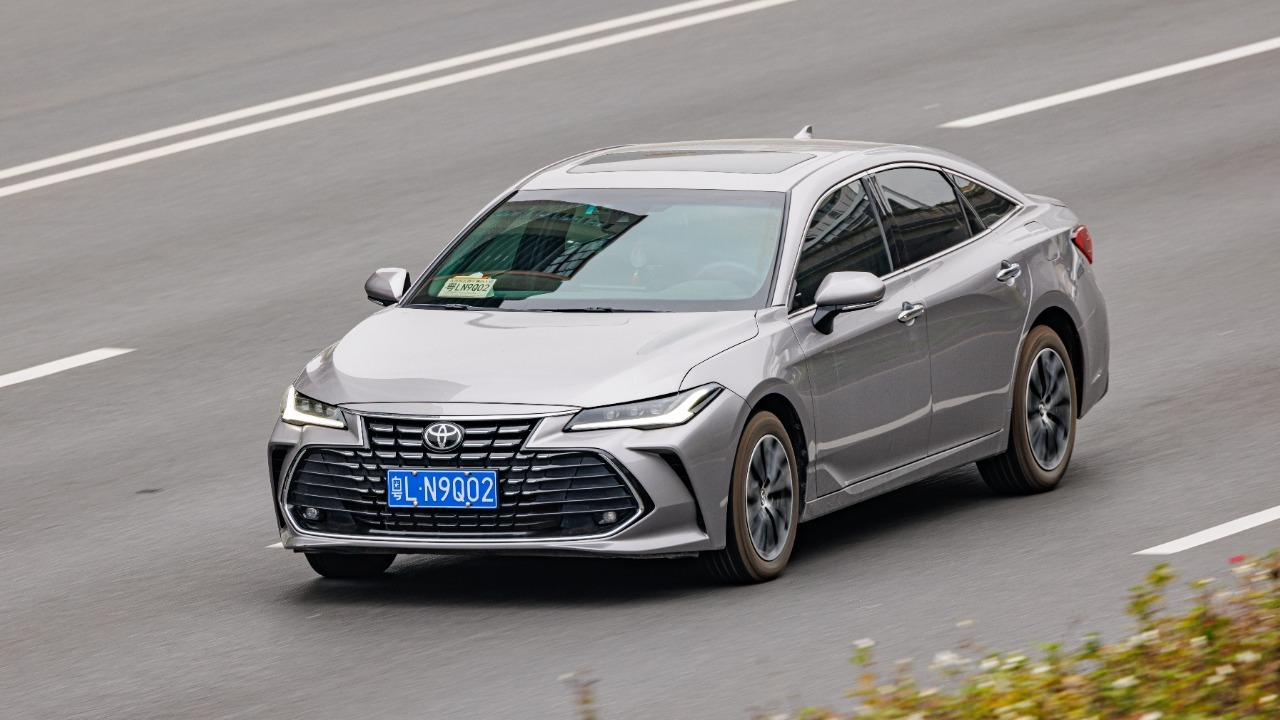
Toyota’s largest full-size sedan flirted with luxury for years, offering limousine rear-seat room and a plush ride without wearing a premium badge or its price. Under the skin sits the same bulletproof V6 and hybrid hardware that powers the brand’s most durable models, and examples crossing 250,000 miles barely make news among loyal owners.
Because it never carried a prestige emblem, depreciation is steeper than the engineering deserves, which spells opportunity for value hunters. The styling reads mature rather than exciting, and enthusiasts look elsewhere for thrills. Anyone prioritizing decades of low-drama transportation over curb appeal, though, finds few sedans that deliver this much space and durability.
8. Buick LaCrosse: The Quiet Cruiser Bargain
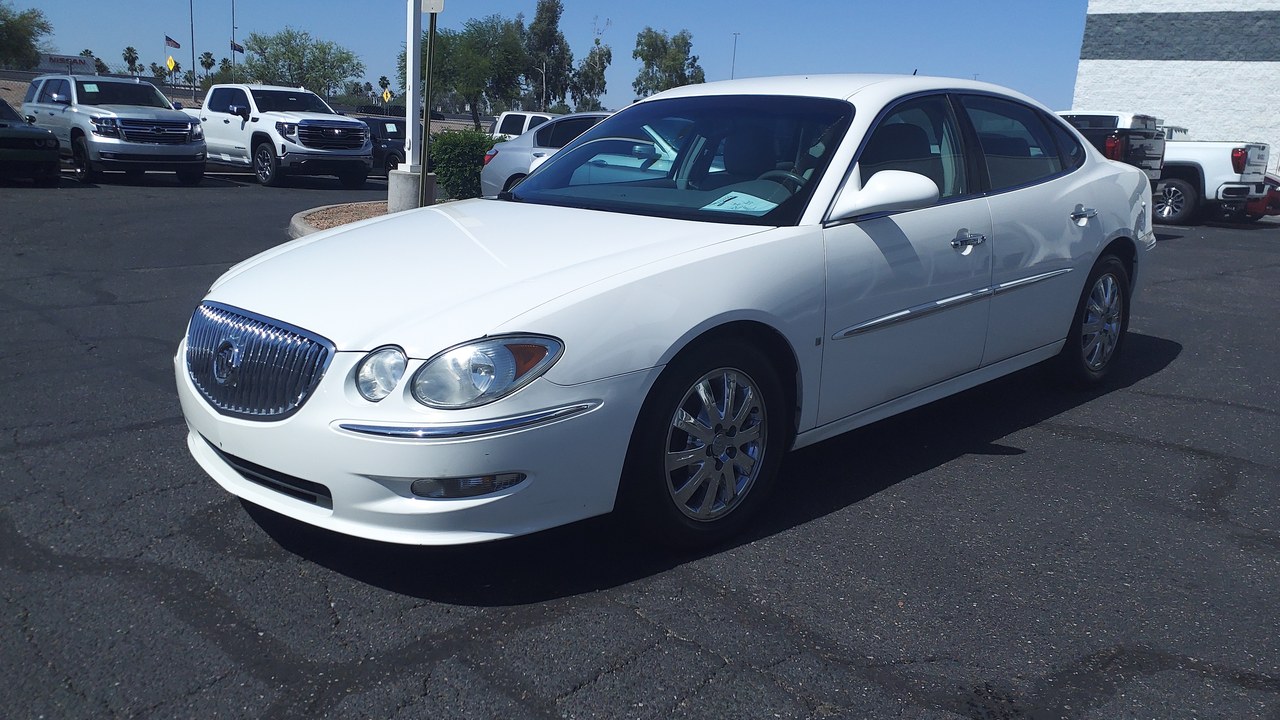
Buick spent years chasing whisper-quiet refinement, and the full-size LaCrosse cruiser delivered it with proven General Motors V6 power and a cabin engineered to hush road noise. It costs noticeably less to maintain than European sedans of similar size, drawing on widely available domestic parts and simple, well-understood mechanicals.
The trade-off is image, since the brand skews older and resale reflects that perception rather than the car’s actual competence. That soft resale is precisely why used examples represent such value, offering big-car comfort for compact-car money. Handling is soft and unhurried, so buyers who equate luxury with serenity rather than sharpness come away satisfied.
9. Acura RLX: The Overlooked Flagship
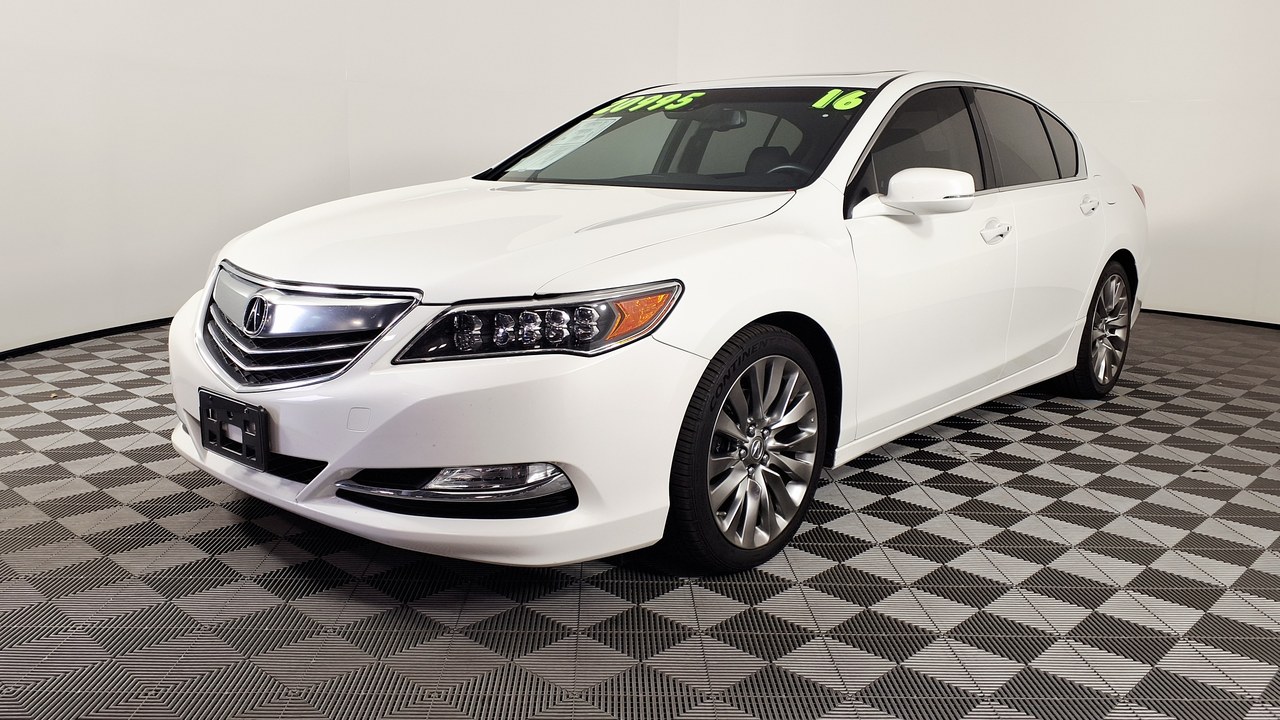
Almost nobody bought Acura’s technology-laden RLX flagship, which is exactly why savvy shoppers should notice it now. Built on Honda’s most durable large-car engineering, it offered a sophisticated hybrid all-wheel-drive system and a spacious cabin that aged gracefully. Reliability across the ownership base has proven strong, with the hardware holding up far better than sales figures suggest.
Obscurity is the whole story here, both the curse and the bargain. Weak demand when new means used prices sit remarkably low for a genuine flagship, and the Honda-sourced components keep servicing straightforward. The complex hybrid variant warrants a careful inspection, but a sorted example rewards its owner with quiet, refined, dependable miles.
More from Morning Overview
