
Buying a badge at the top of the range feels like a smart splurge until the first few years quietly erase a fortune. Flagship sedans carry the steepest sticker prices in the showroom, yet many surrender roughly half their worth before the warranty even lapses. The nine models gathered here show how brutal that early slide can be.
1. BMW 7 Series: The Flagship That Falls Fastest
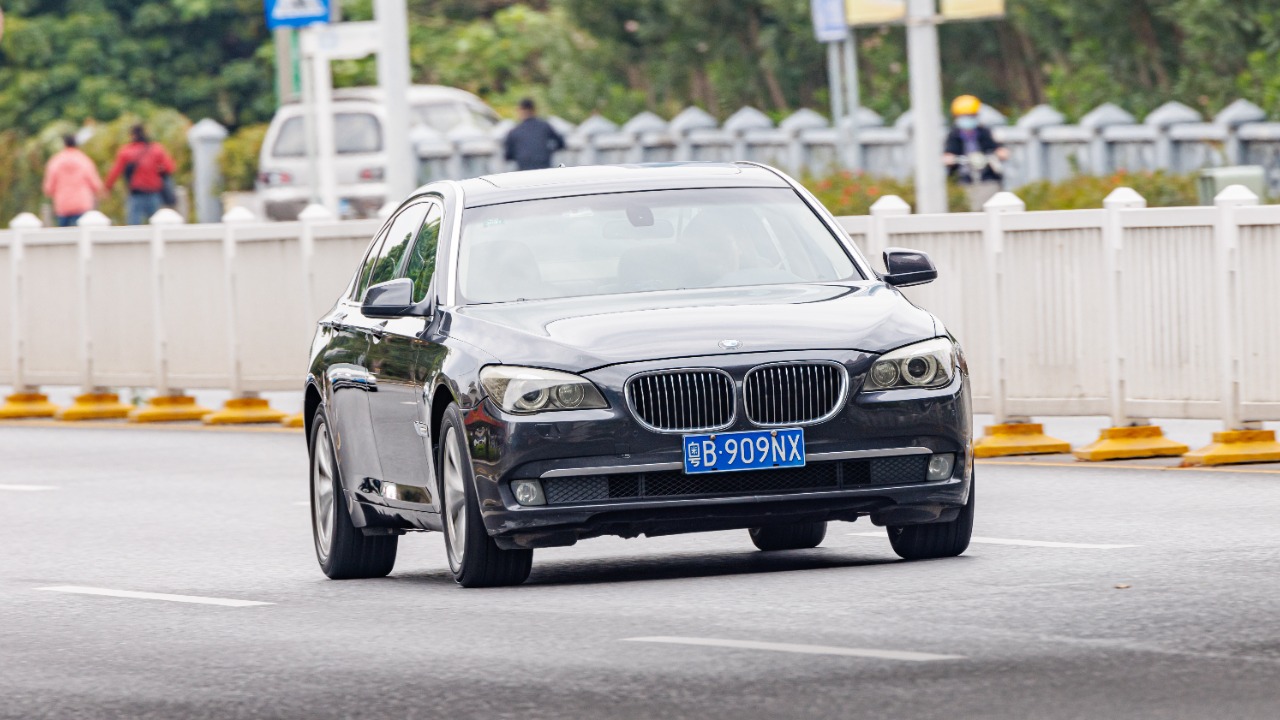
Sitting at the summit of BMW’s lineup, the full-size 7 Series loads on advanced electronics and six-figure options that impress on the lot but rarely translate into resale strength. Its enormous original price gives depreciation a long way to fall, and later owners tend to fear the cost of servicing all that complexity.
That anxiety about repairs pushes used demand down further, dragging values well below half of new within three years. Bargain hunters willing to gamble on maintenance can score a former executive sedan for a fraction of its debut cost, while the first owner absorbs the sting.
2. Mercedes-Benz S-Class: Showroom Star To Bargain
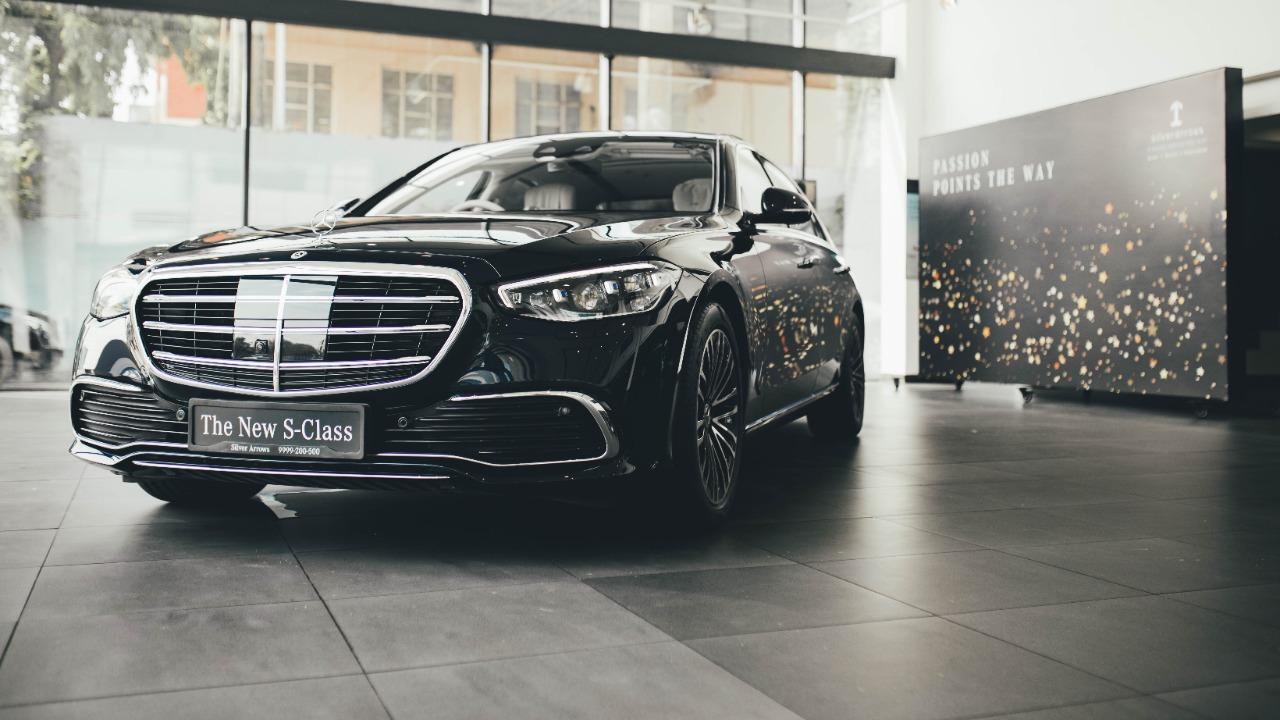
For decades the S-Class benchmark sedan has defined luxury motoring, but that prestige comes with a punishing depreciation curve. Cutting-edge features age quickly, and buyers of used examples worry about the expense of keeping a heavily engineered flagship running smoothly as it accumulates miles.
The result is a car that can shed roughly half its value in a handful of years, making a lightly used version far cheaper than the original window sticker suggested. Wealthy first owners rarely blink at the loss, yet the numbers illustrate how steep the slide can be.
3. Audi A8: Technology Heavy Value Drop
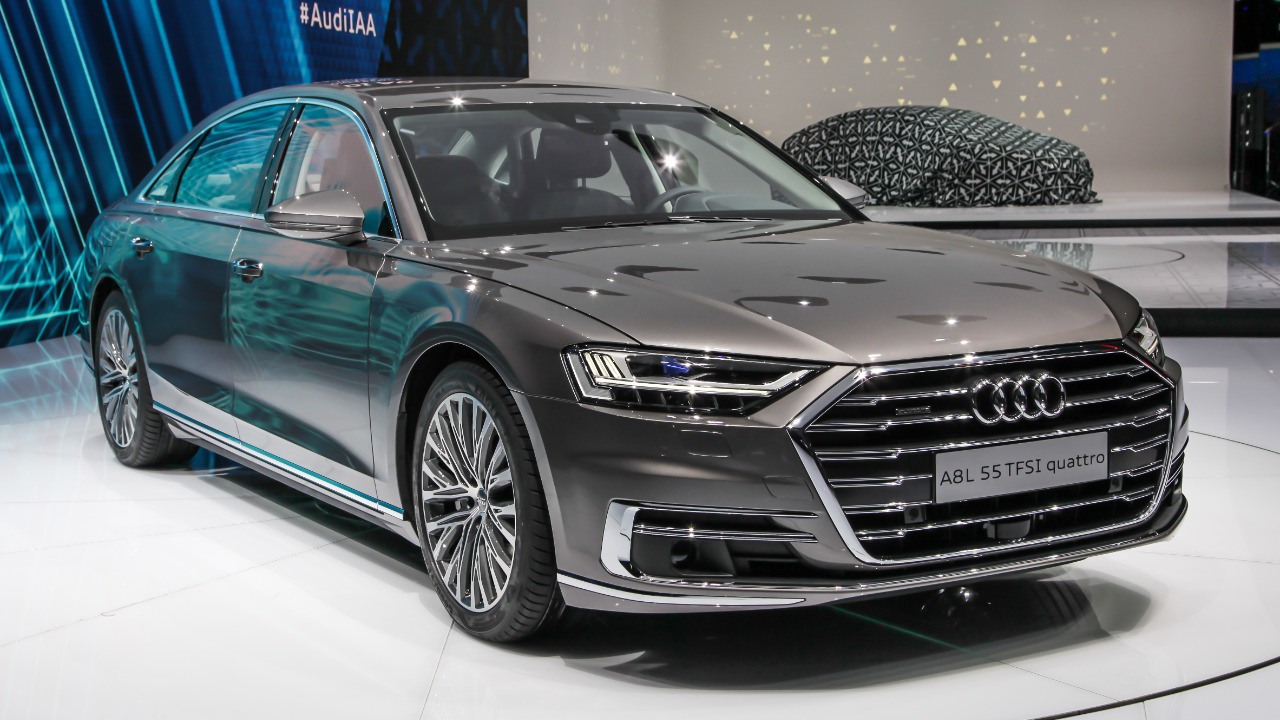
Packed with driver aids and cabin gadgets, the A8 luxury flagship represents Audi’s most ambitious engineering, and that ambition is precisely what hurts its long-term worth. Once newer technology arrives, the outgoing model looks dated fast, and secondhand shoppers hesitate over potential repair bills on its intricate systems.
Because far fewer buyers seek a used full-size Audi than a smaller one, demand thins and prices tumble sharply in the early years. Someone comfortable with the maintenance risk can pick up a plush, capable sedan at a steep discount off its considerable original figure.
4. Maserati Ghibli: Italian Style Steep Losses
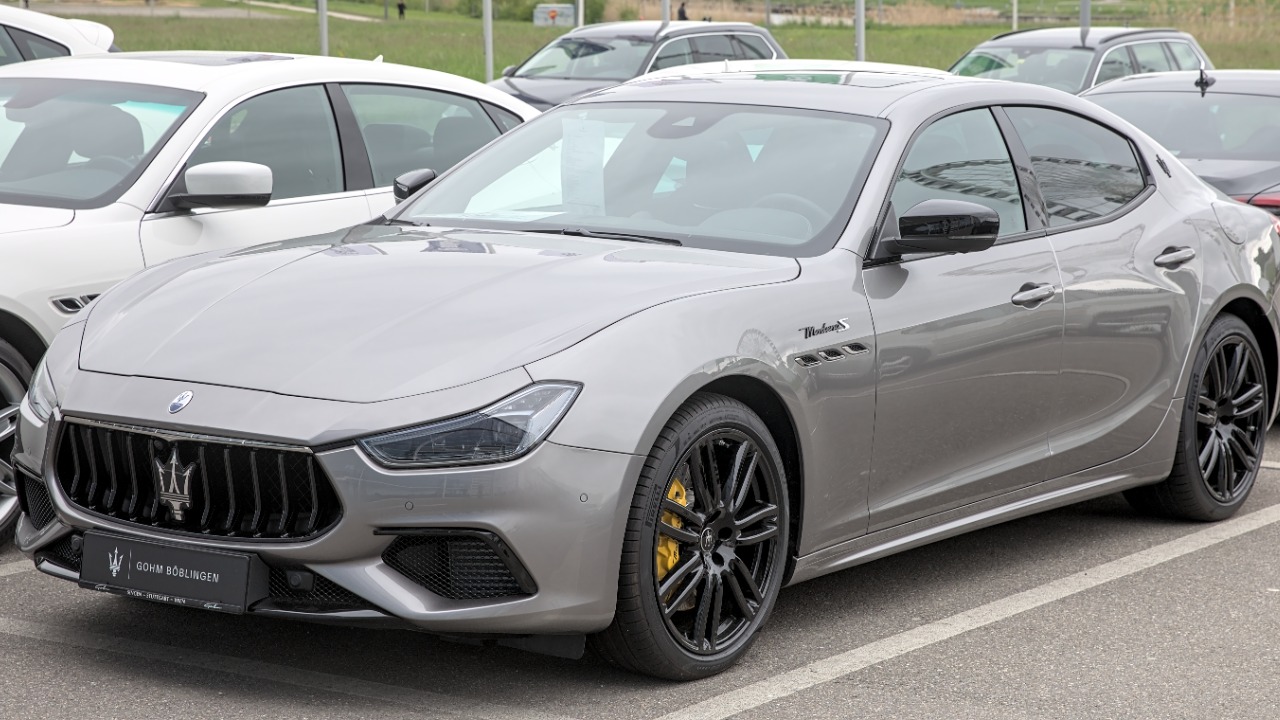
Exotic looks and a Ferrari-linked heritage make the Ghibli sport sedan tempting, yet few luxury cars depreciate as violently in three years. A small dealer network, limited buyer pool, and reputation for costly upkeep combine to gut resale values almost immediately after purchase.
Owners who chase the badge new often find their investment worth a fraction of what they paid when trade-in time arrives. For anyone content to accept the reliability question marks, that collapse turns an aspirational Italian into one of the cheapest ways into genuine exotic ownership on the used market.
5. Jaguar XF: Elegant British Sedan Slide
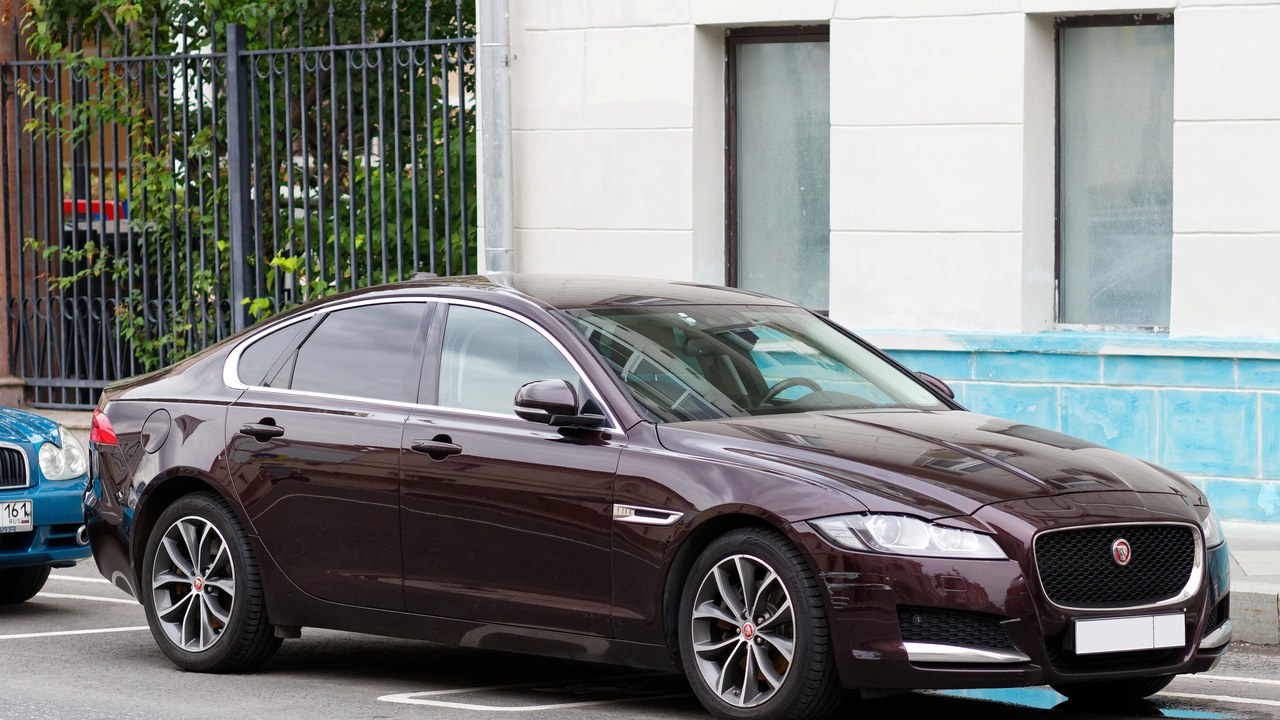
Graceful styling helped the midsize Jaguar XF stand out against German rivals, but the badge carries lingering worries about long-term dependability. Those doubts, paired with a modest resale following, mean prices sink quickly once the car leaves its original owner.
Within a few years many examples trade for well under half their launch price, rewarding patient shoppers who prize character over the newest technology. The catch is that the same reputation depressing values also keeps cautious buyers away, so anyone stepping in should budget for the occasional surprise under the hood.
6. BMW 5 Series: Popular New Cheap Used
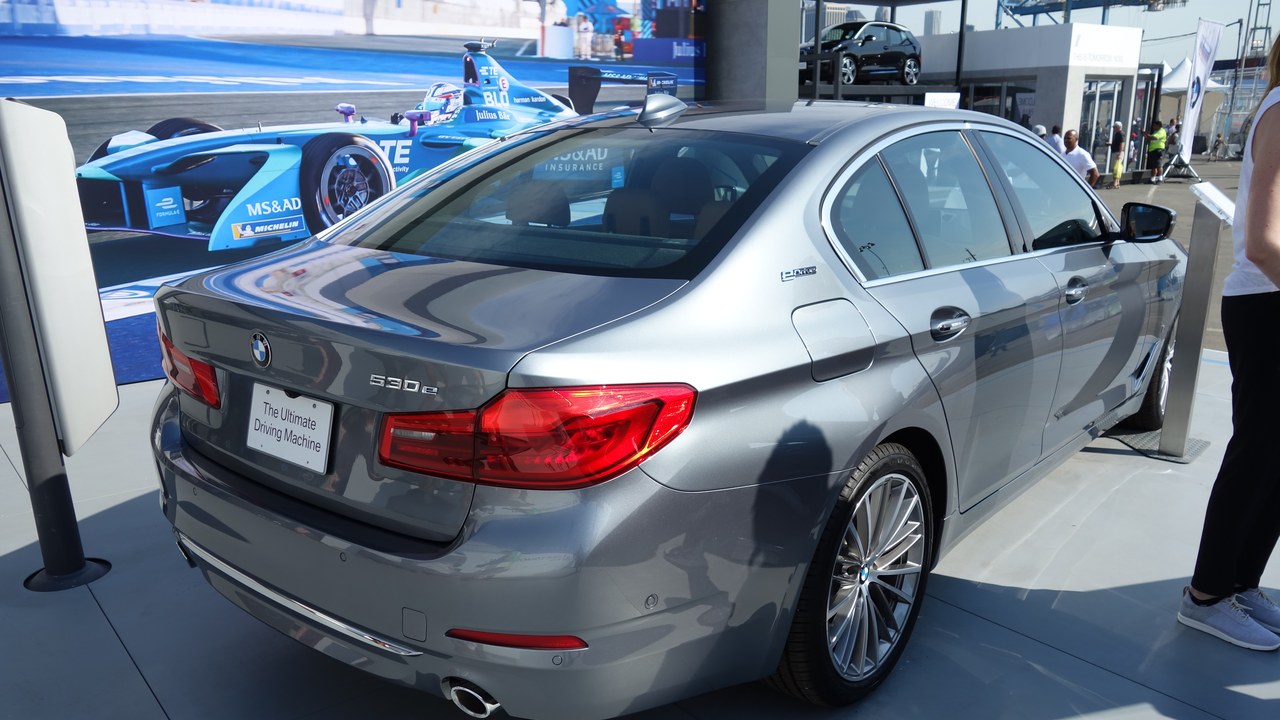
Beloved when new, the executive 5 Series sells in strong numbers, which floods the used market and pushes secondhand prices down. Add lingering concern about the price of servicing a premium German sedan, and its value can fall by roughly half within three years.
For buyers, that dynamic turns a respected sport sedan into a surprisingly affordable proposition compared with its original sticker. The tradeoff is that out-of-warranty repairs can be pricey, so the savings on the purchase should be weighed against the running costs that scared the first owner into selling.
7. Cadillac CT6: Short Lived American Flagship
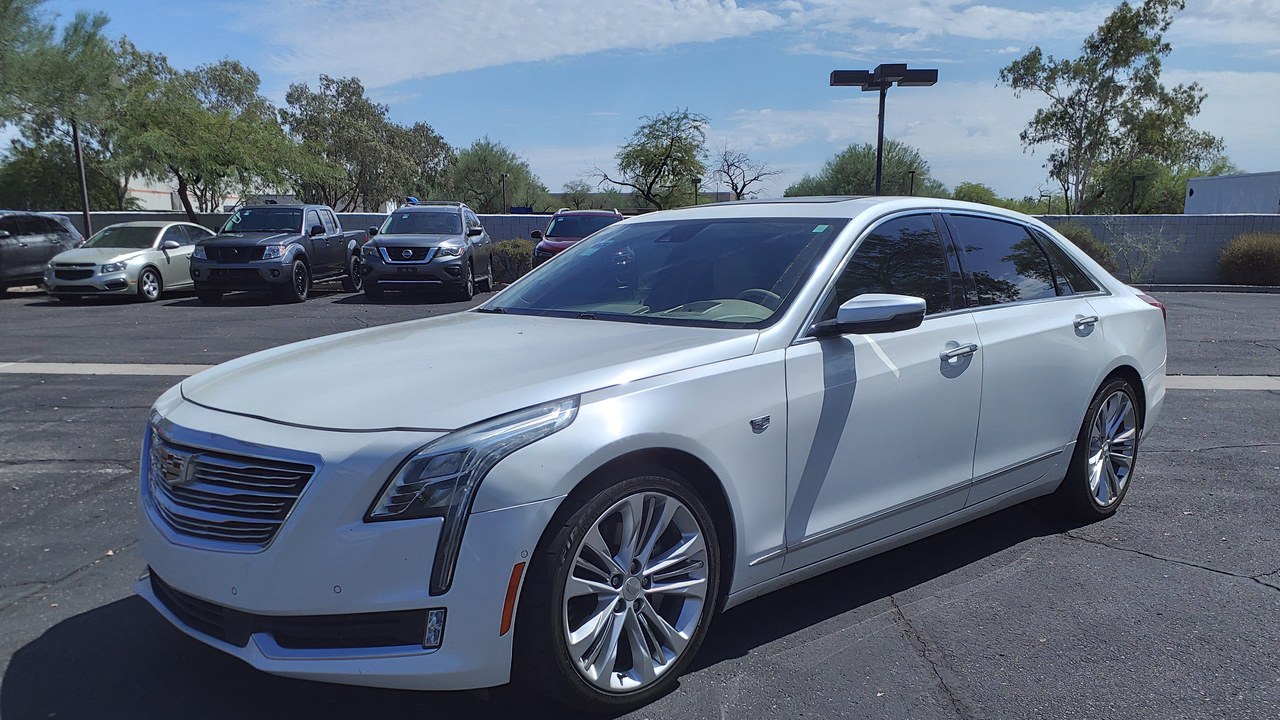
Cadillac aimed the full-size CT6 squarely at established German flagships, but a short production run and soft brand cachet in that class left it depreciating quickly. Limited demand for a large American luxury sedan meant values dropped hard soon after each car left the showroom.
Buyers today can find a genuinely comfortable, capable cruiser for a fraction of its original price, making it a quiet bargain for those who ignore badge snobbery. Because the model was discontinued, parts and specialist knowledge require a little homework, yet the up-front discount remains hard to argue with.
8. Lincoln Continental: Revived Name Sharp Decline
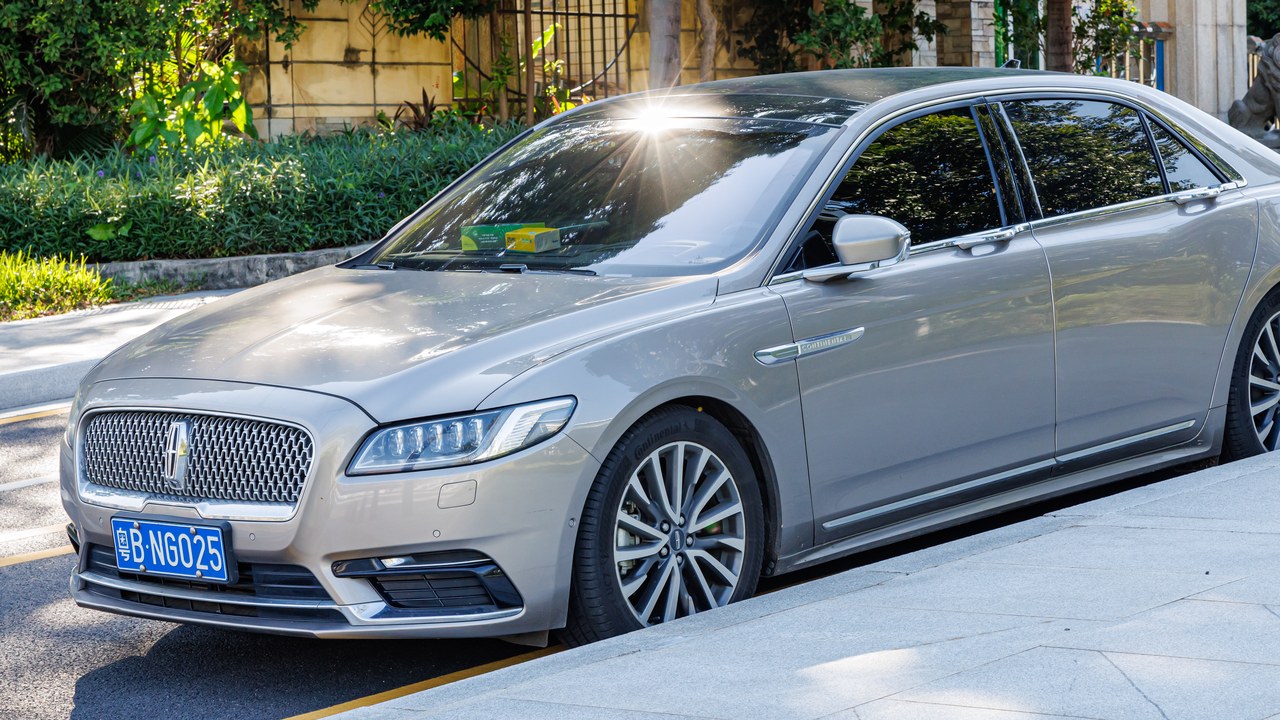
Reviving a storied nameplate, the modern Lincoln Continental sedan offered plush comfort, yet it struggled to command lasting resale value in a market drifting toward SUVs. Weak demand for a large domestic luxury sedan translated into a sharp early decline in worth.
That leaves later buyers able to acquire a hushed, well-appointed highway cruiser for far less than its original price implied. With production ended, the model has become a niche choice, so shoppers trade a little future liquidity for a substantial discount and a distinctive alternative to the usual imported flagships.
9. Mercedes-Benz E-Class: Midsize Benz Early Hit
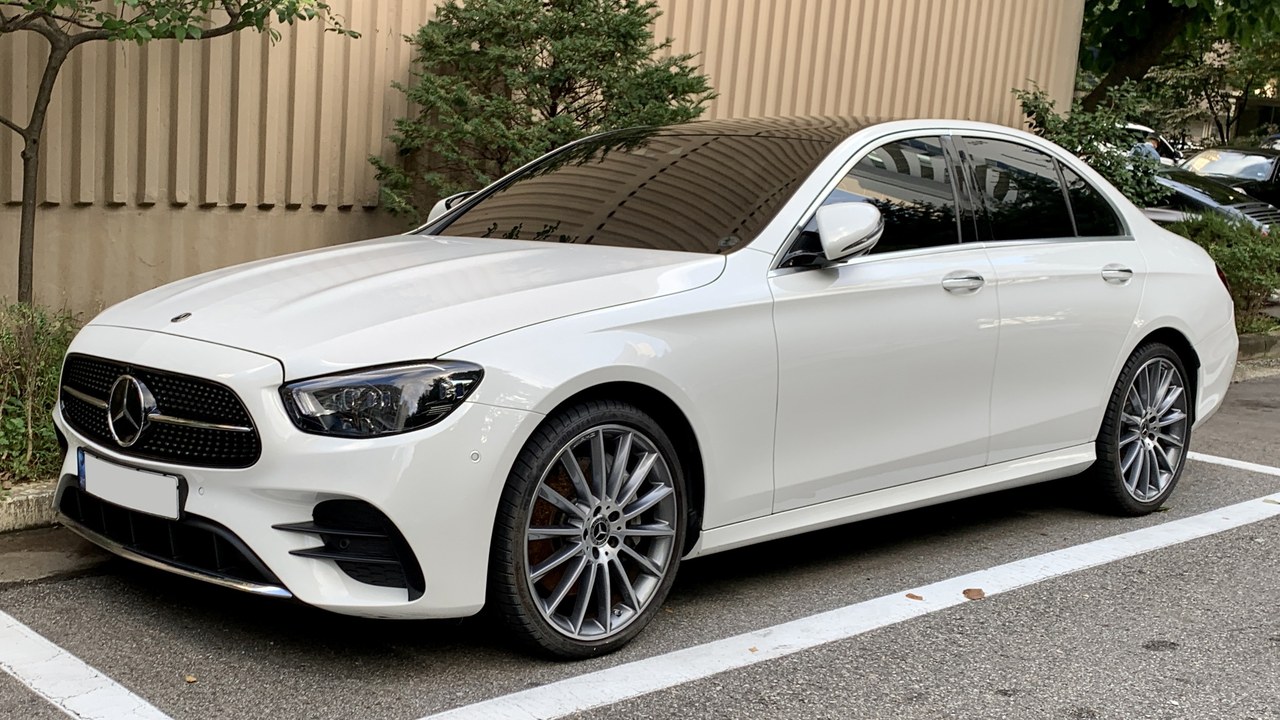
A staple of the executive segment, the midsize E-Class sells widely and leases heavily, which keeps a steady stream of used examples flowing back to dealers. That supply, combined with worries over the cost of maintaining a sophisticated German sedan, drives values down steeply in the first three years.
The upside for bargain hunters is a refined, comfortable Mercedes available at a fraction of its original price. As always, the money saved at purchase should be balanced against potential repair expenses once the factory warranty expires and the complex electronics begin to age.
More from Morning Overview
- The NSA is again telling phone owners to switch off one location setting
- A handful of car transmissions are so tough mechanics say they almost never fail
- A handful of SUVs keep hitting 300,000 miles, and they share one engine trait
- Supplements now rank as the fifth-leading cause of death from liver disease.
