Some of the most destructive animals in North America arrived in shipping crates, aquarium tanks, fur farms and backyard terrariums. Once loose, they found few predators, mild winters and an open landscape, and they multiplied fast. Here are nine introduced creatures that have taken hold on American soil and refused to leave.
1. Burmese python: The Everglades Problem
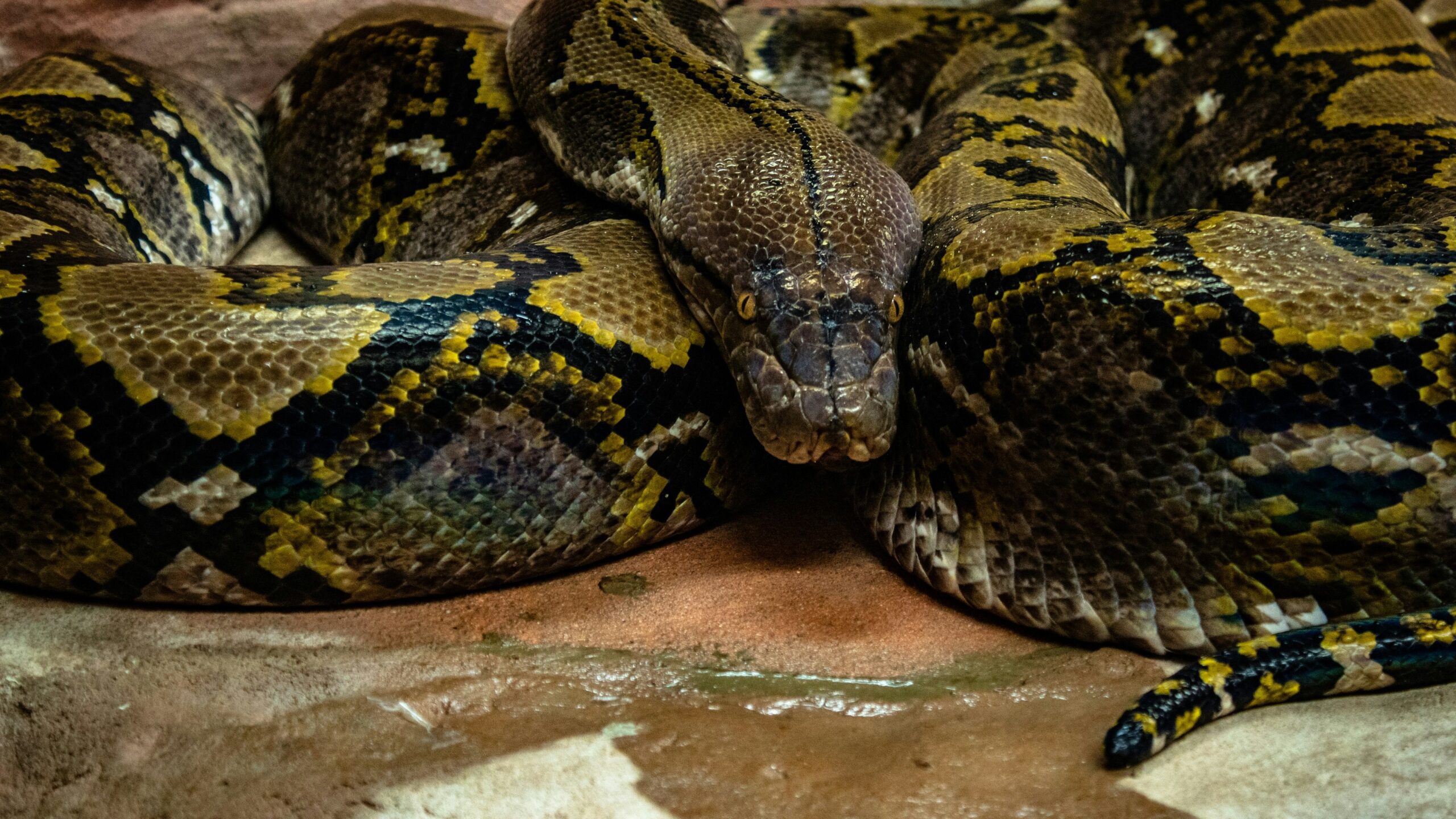
📷 Joshua J. Cotten/Unsplash
Florida’s swamps now hold one of the world’s largest snakes. The Burmese python is native to Southeast Asia and reached the southern tip of the state through the pet trade, with animals escaping or being turned loose until a breeding population took hold in and around the Everglades.
Researchers have linked steep declines in raccoons, rabbits and other small mammals to the snake’s arrival, and it is now regulated as an injurious species. Contracted removal agents and organized hunts pull the reptiles out of the marsh, though tall sawgrass makes any real population count guesswork.
2. Spotted lanternfly: A Vineyard Wrecker
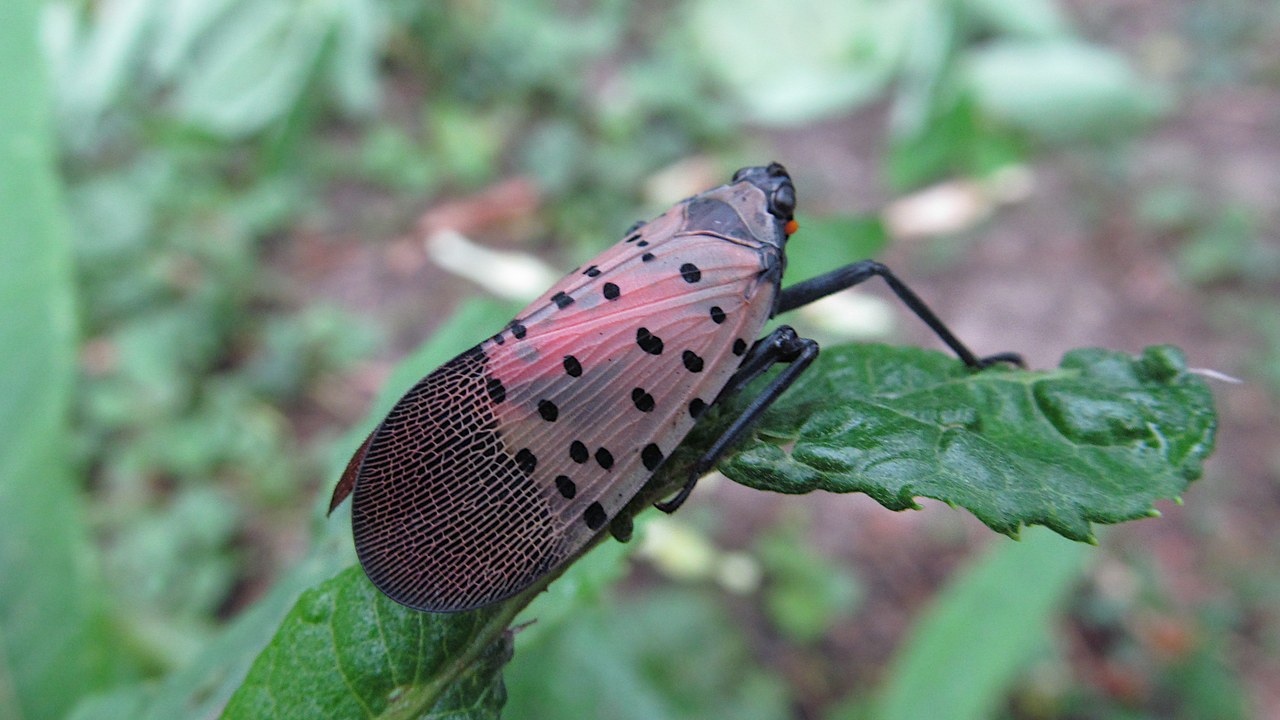
Image Credit: Cbaile19 – CC0/Wiki Commons
Grape growers in the Northeast learned this insect’s name the hard way. First confirmed in Pennsylvania in 2014, the spotted lanternfly arrived from Asia and pushed outward into neighboring states, hitching rides on vehicles, nursery stock and anything else parked beneath an infested tree.
The planthopper drains sap from grapevines, fruit trees and hardwoods, then coats leaves and patios in sticky honeydew that grows a black mold. Several states have imposed quarantines on moving goods out of infested counties and ask residents to scrape the gray egg masses off outdoor surfaces in winter.
3. Silver carp: The Fish That Flies
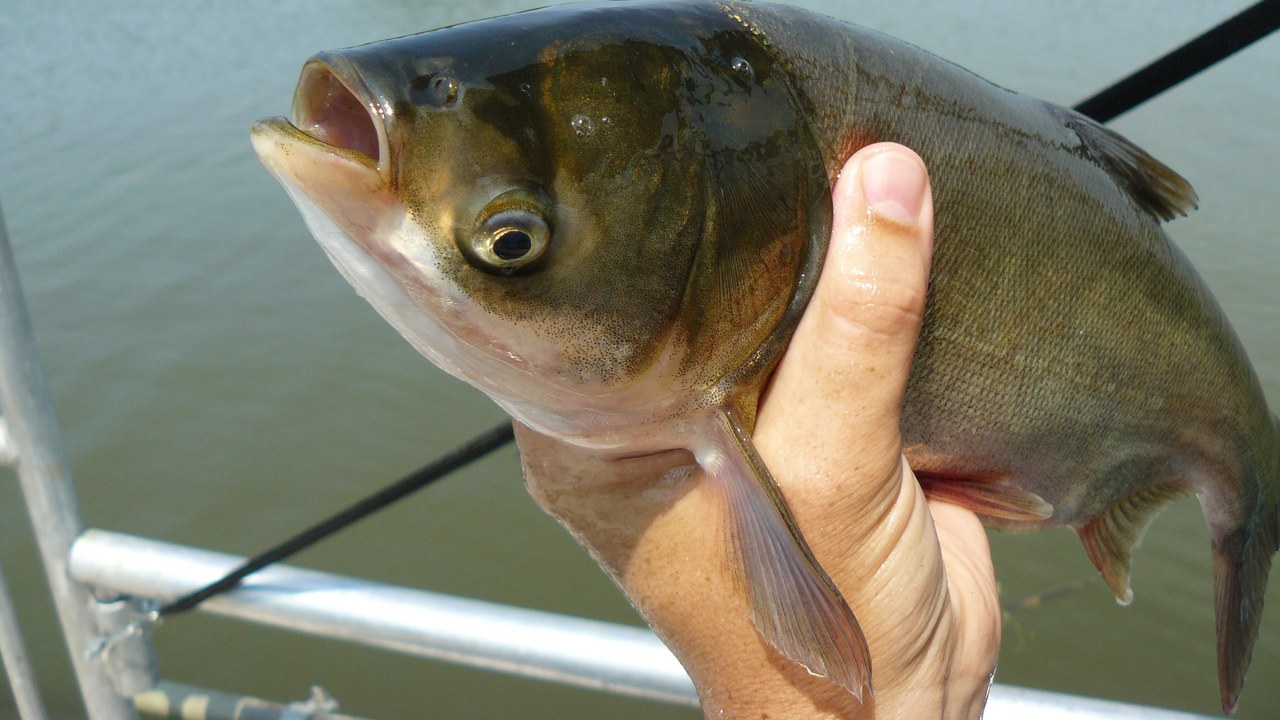
Image Credit: NOAA Great Lakes Environmental Research Laboratory – CC BY-SA 2.0/Wiki Commons
Boaters on Midwestern rivers have been knocked flat by airborne fish. Imported from Asia in the 1970s to clear algae from aquaculture ponds, the silver carp escaped into the Mississippi basin and worked its way up the connected river system over the following decades.
Startled by engine noise, adults hurl themselves clear of the water, and a heavy fish at speed has broken noses and ribs. The quieter damage is ecological, because the filter feeder strips out the plankton native species depend on, which is why electric barriers guard the canal route toward the Great Lakes.
4. Feral hog: Rooting Through the South
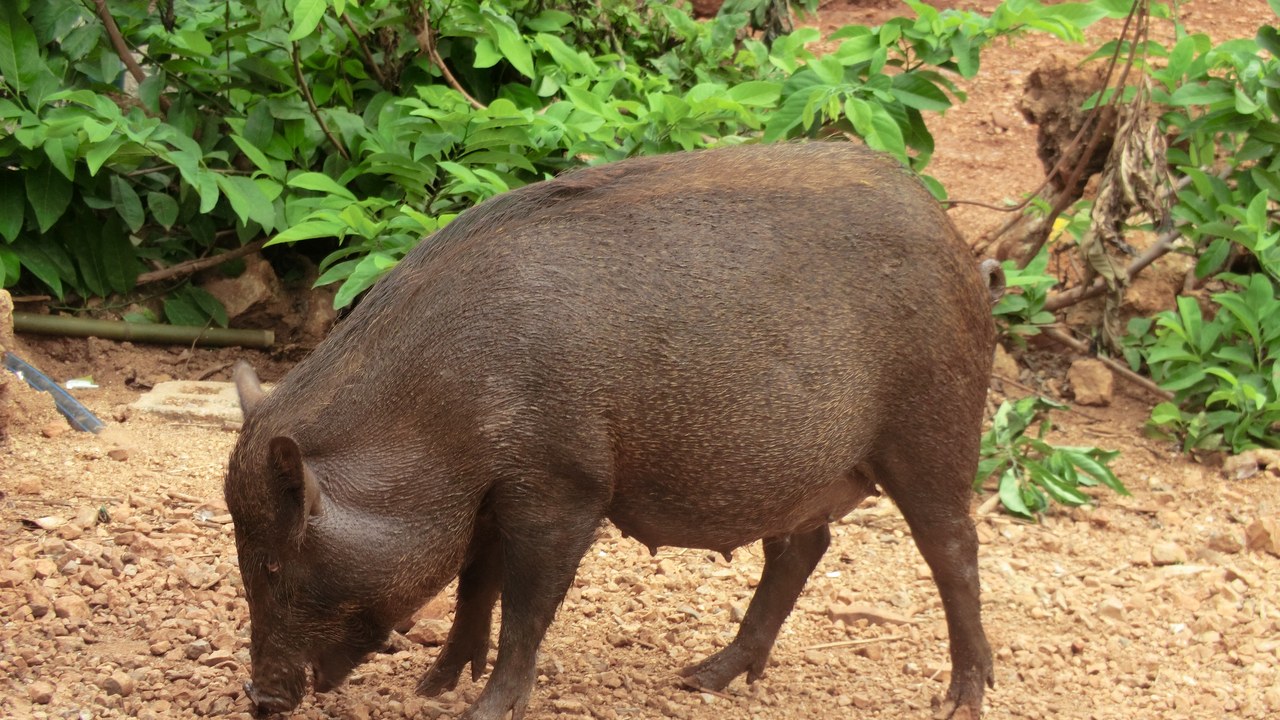
Image Credit: Lobster1 – CC BY-SA 3.0/Wiki Commons
Few introduced animals do more damage per acre. Escaped domestic pigs and Eurasian wild boar brought over by settlers and later by hunting operations interbred and went feral, and their descendants now root through farmland, pasture and bottomland forest across much of the South.
A single group can churn a field overnight, wrecking crops, levees and native ground cover while competing with deer and other wildlife for acorns and forage. The animals breed young and often, carry diseases that worry livestock producers, and have outpaced trapping and shooting in most places they occupy.
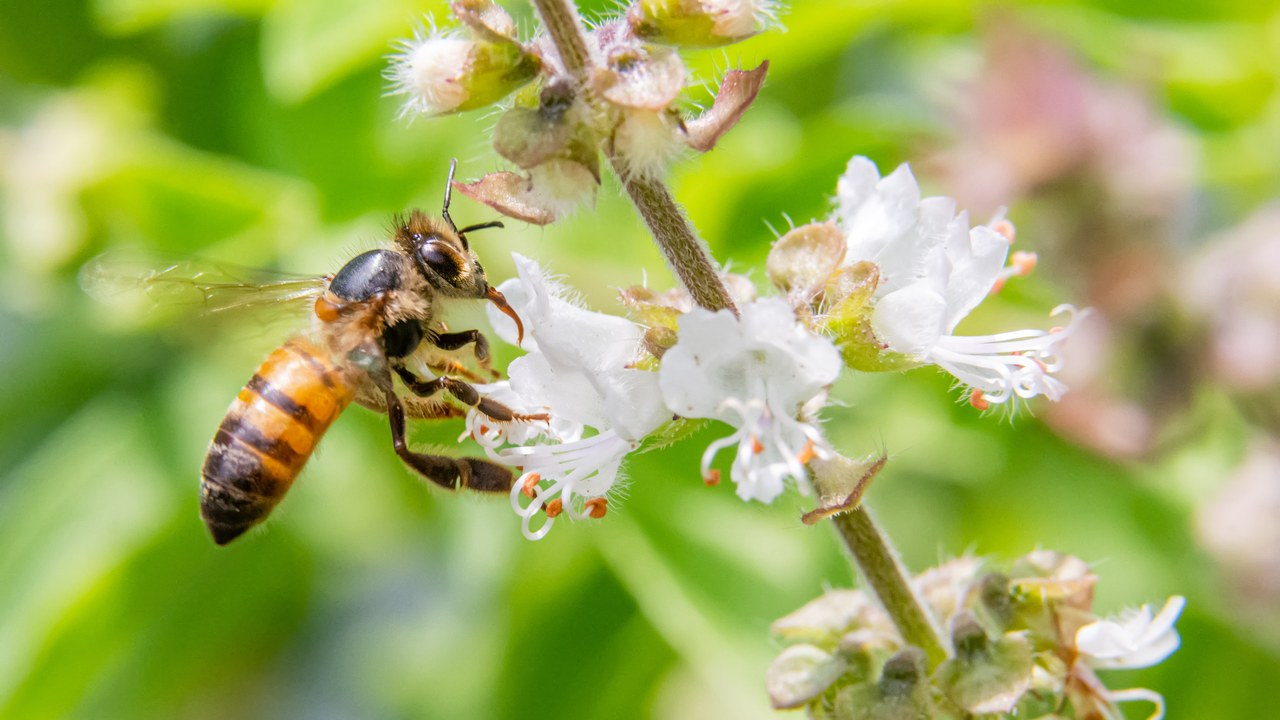
5. Africanized honey bee: Bees With a Temper
Image Credit: Carlos Eduardo Joos – CC BY 2.0/Wiki Commons
This one began as a breeding experiment. Researchers in Brazil crossed African honey bees with European stock in the 1950s hoping for better tropical yields, swarms escaped, and the resulting Africanized honey bee worked its way north through the Americas, reaching southern Texas around 1990.
The hybrid makes honey much like any other honey bee but defends its nest far more aggressively, sending out many more guards and pursuing intruders a much greater distance. Fatal attacks remain rare, yet they do happen, and beekeepers across the Southwest manage colonies with that temperament in mind.
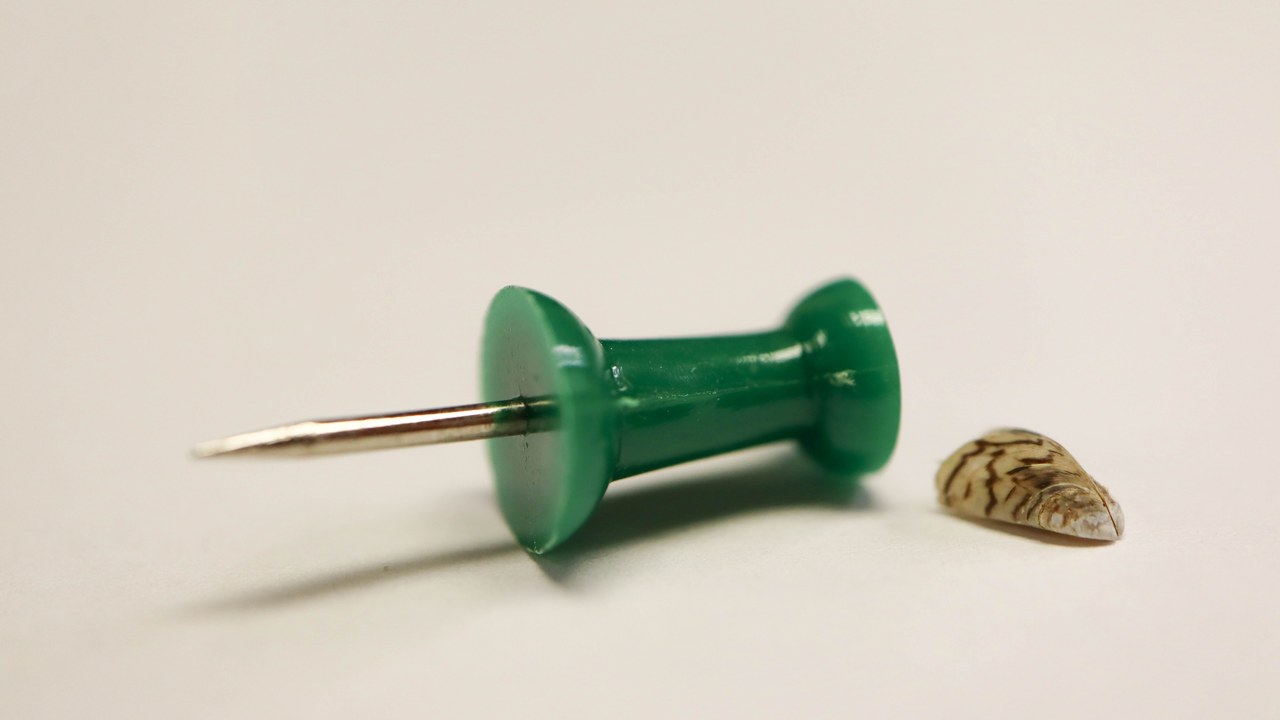
6. Zebra mussel: Small Shell, Big Bill
Image Credit: USFWSAlaska – Public domain/Wiki Commons
A shellfish the size of a thumbnail has cost water utilities dearly. Native to the Black and Caspian Sea drainages, the zebra mussel reached the Great Lakes in ballast water discharged by ocean shipping and was identified in Lake St. Clair in 1988.
It cements itself to hard surfaces with fibrous threads, packing the intake pipes of power plants and municipal treatment works until crews scrape them clear again. Boat hulls and live wells carry it inland to new lakes, which is why launch ramps post clean, drain and dry rules.
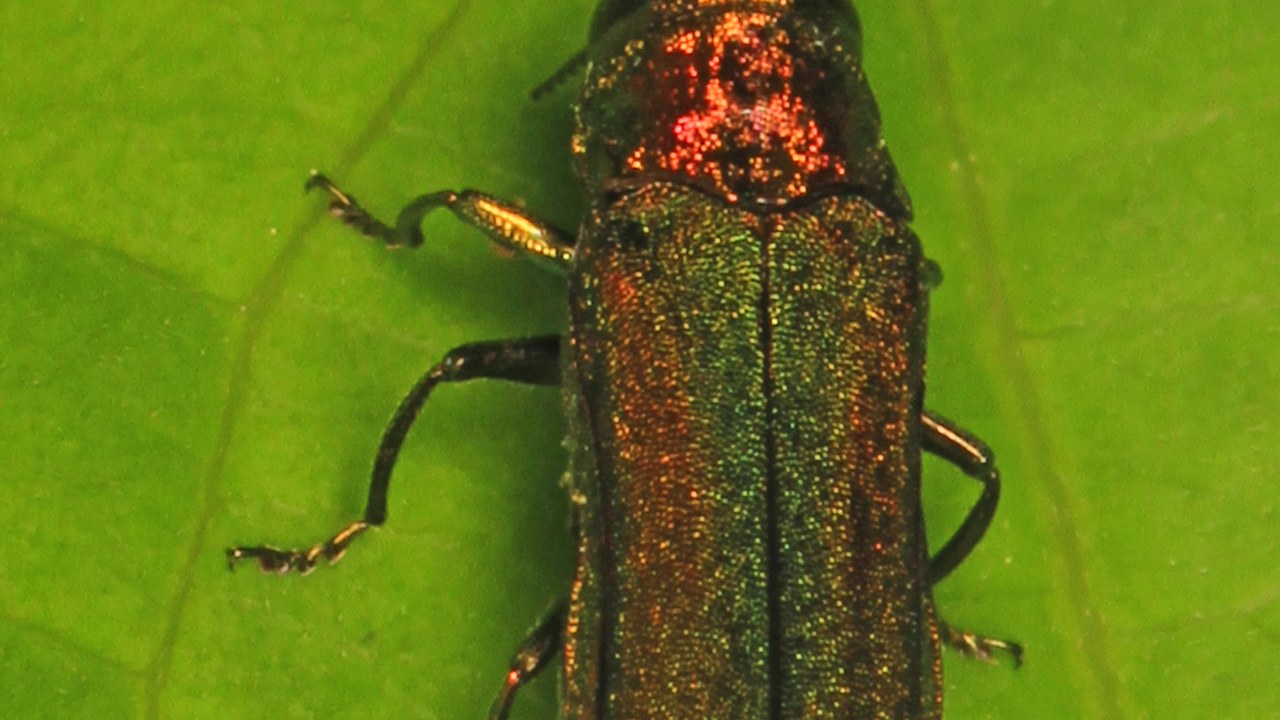
7. Emerald ash borer: Death Under the Bark
Image Credit: Judy Gallagher – CC BY 2.0/Wiki Commons
A metallic green beetle barely half an inch long has emptied whole streets of shade trees. The emerald ash borer is native to northeastern Asia and was identified near Detroit in 2002, most likely having arrived years earlier inside wooden packing material.
Larvae tunnel beneath the bark and sever the tissue that carries water and sugars, so an infested ash usually dies within a few years of attack. Tens of millions of trees have been lost, and restrictions on hauling firewood exist because one moved load can seed an outbreak far away.
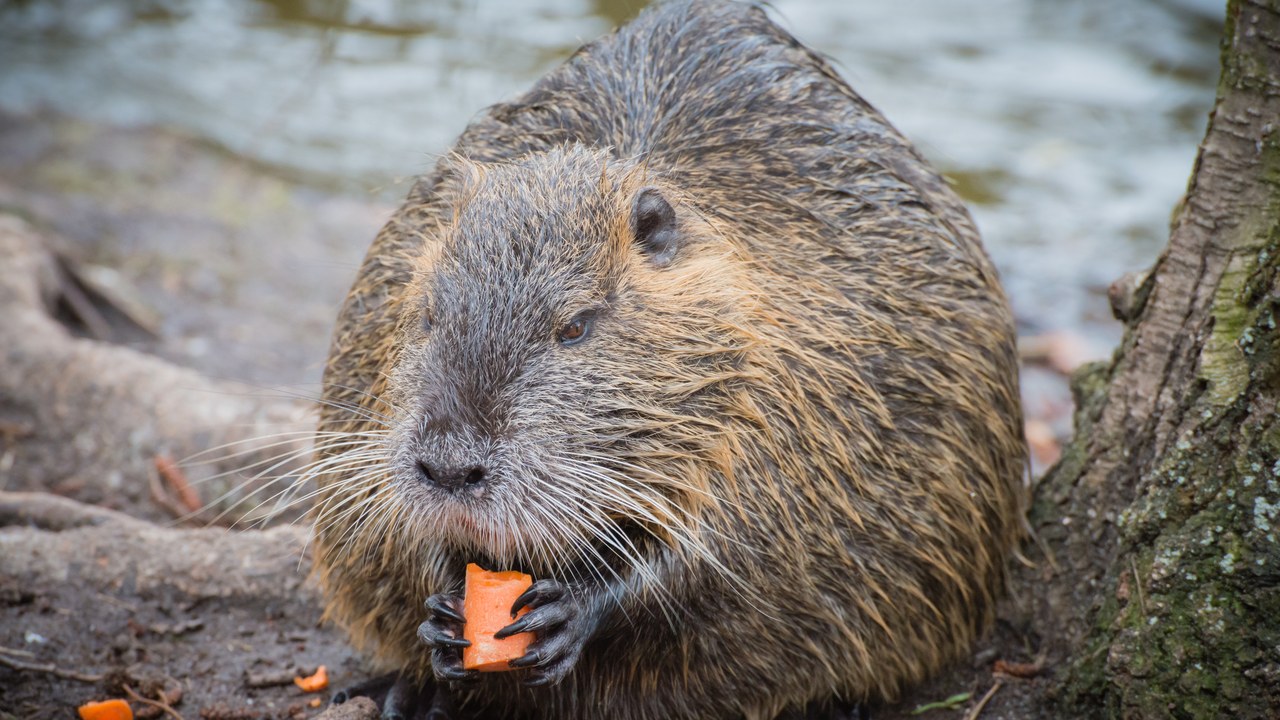
8. Nutria: Marsh Into Open Water
Image Credit: Norbert Nagel – CC BY-SA 3.0/Wiki Commons
Coastal marsh does not bounce back quickly from this rodent. Native to South America, the nutria, or coypu was brought north for fur farming, and animals that escaped or were released established themselves along the Gulf Coast and in scattered wetlands elsewhere.
Nutria eat the roots and rhizomes of marsh plants rather than only the blades, killing off the vegetation that binds soft ground together and leaving open water behind. Louisiana has run a payment program encouraging trappers to take them, treating the animal as a coastal erosion problem as much as a pest.
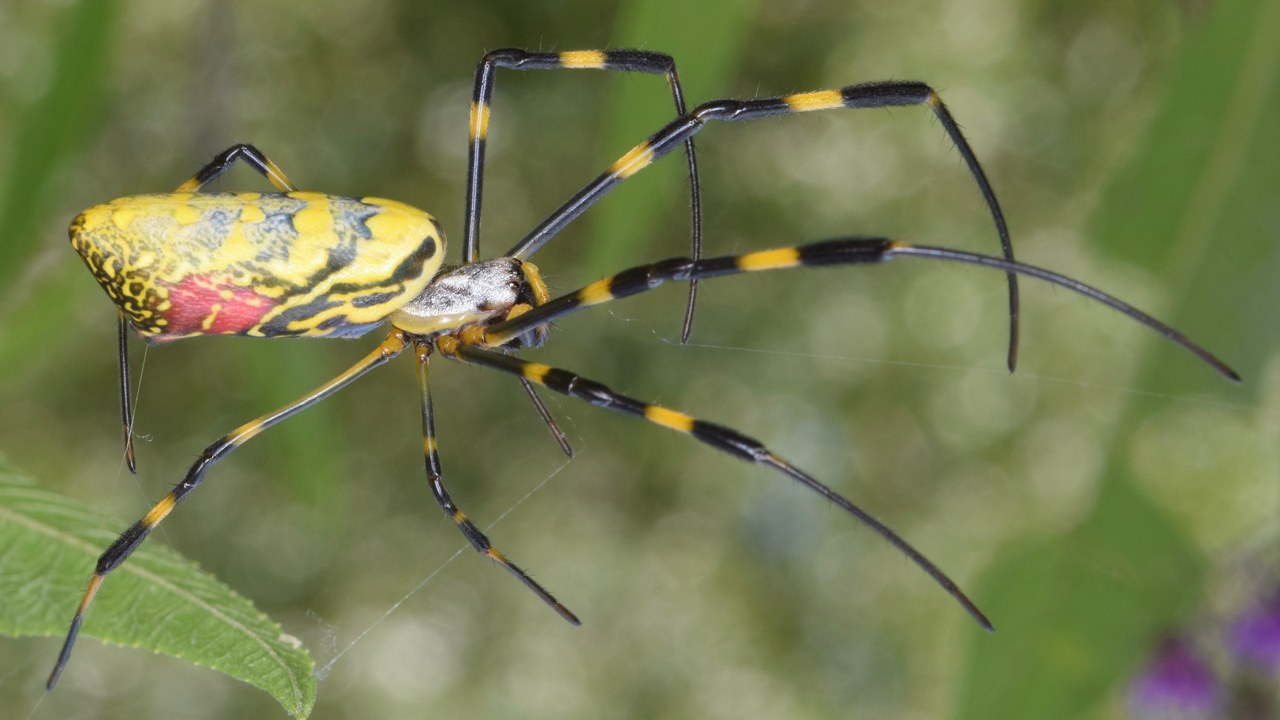
9. Joro spider: Webs at Eye Level
Image Credit: Christina Butler from Georgia, United States – CC BY 2.0/Wiki Commons
Hikers in Georgia began walking face-first into enormous golden webs about a decade ago. The Joro spider comes from East Asia and was first recorded in the southeastern states around 2014, probably arriving in a shipping container, and it has turned up in neighboring states since.
Females are striking, with yellow and blue-black bodies and a leg span that covers a palm, which makes them alarming to meet at eye level. Entomologists describe the species as shy and its bite as medically insignificant, and note that its cold tolerance suggests the range may keep widening.
More from Morning Overview