Fossils offer a window into the past, occasionally revealing stories that challenge established theories. From living fossils to unexpected ancestors, these discoveries compel us to rethink our understanding of evolution and natural history.
1. The Coelacanth: The Living Fossil
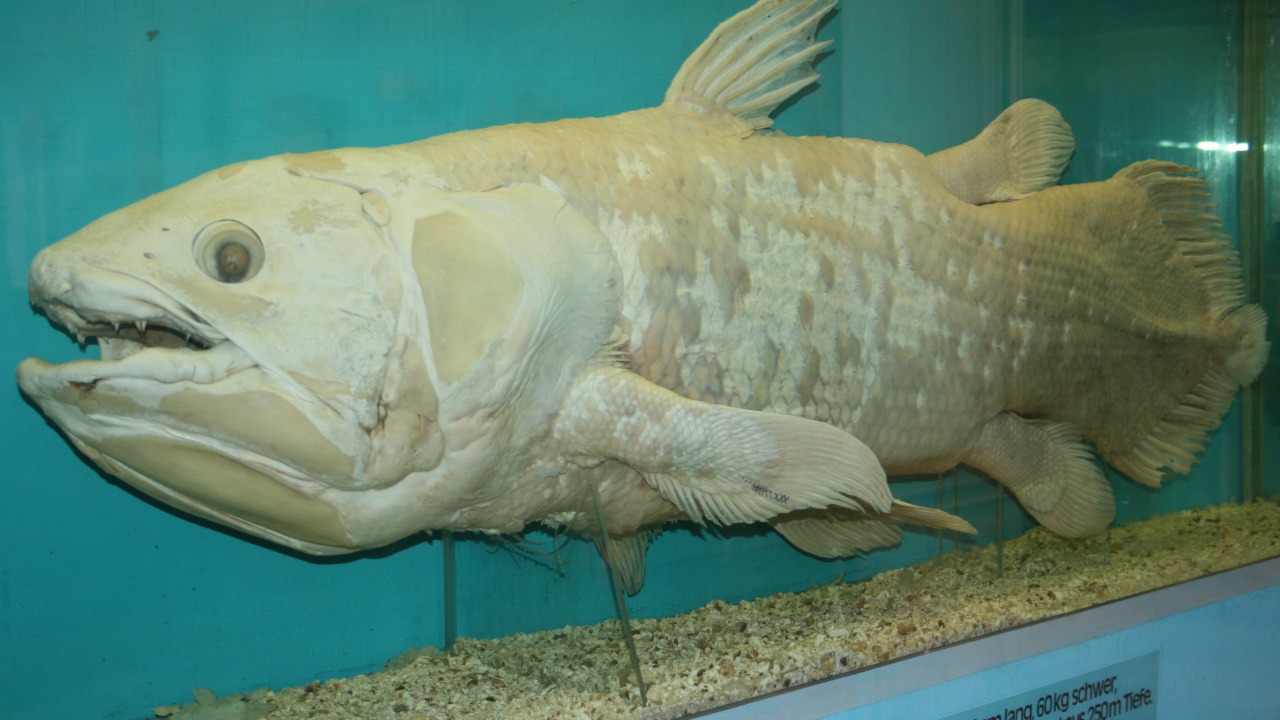
Long thought extinct, the coelacanth surprised the scientific community when it was discovered alive in 1938. This ancient fish, with its lobed fins, was believed to have disappeared 65 million years ago. Its survival challenges our understanding of evolutionary timelines and extinction events. Dubbed a “living fossil,” the coelacanth offers insights into the transition from aquatic to terrestrial life.
The presence of the coelacanth in modern times raises questions about the accuracy of fossil records. It demonstrates that some species have persisted virtually unchanged, challenging the notion of constant evolutionary change.
2. The Archaeopteryx: The Feathered Dinosaur
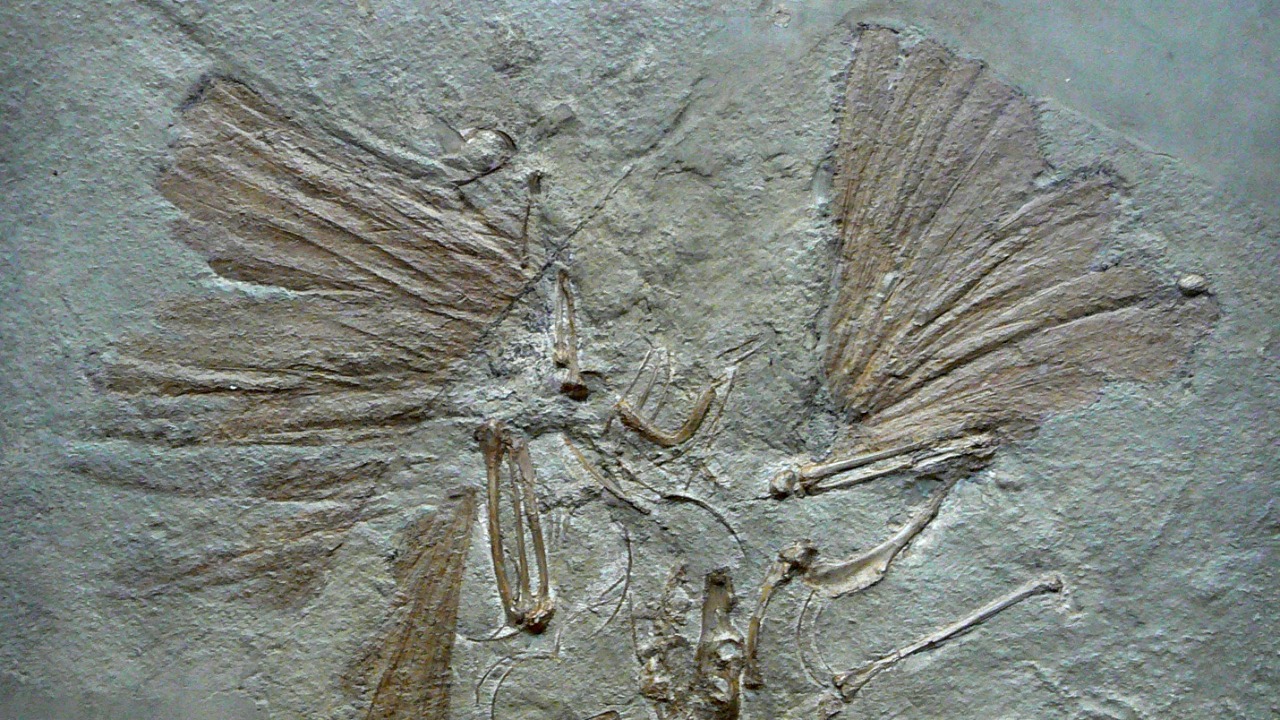
The discovery of Archaeopteryx in the 19th century bridged the gap between dinosaurs and birds, showcasing feathered dinosaurs long before similar finds in China. With features of both birds and reptiles, it was initially thought to be the first bird. However, the understanding of its place in the evolutionary tree has evolved.
Recent discoveries have complicated its status, suggesting it might not be a direct ancestor of modern birds, but rather a side branch. This highlights the complexity of evolutionary relationships and the ongoing refinement of our understanding.
3. Tiktaalik: The Fish with Limbs
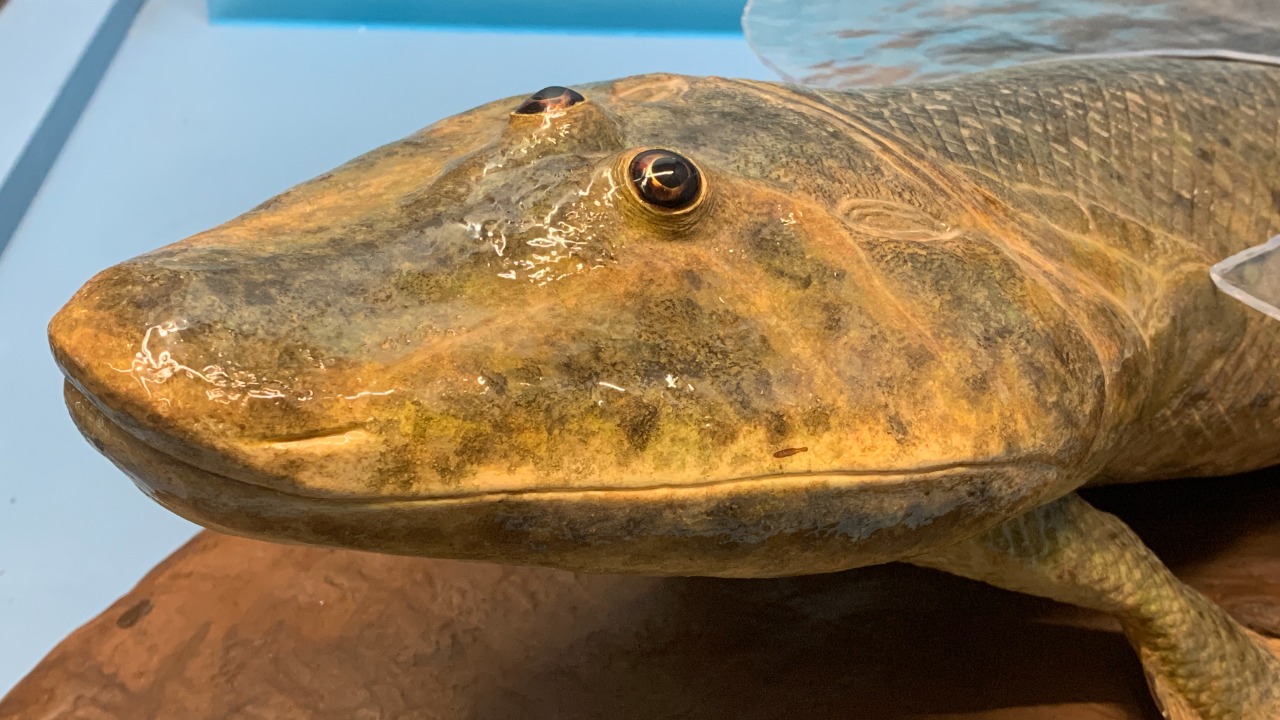
Tiktaalik, discovered in the Canadian Arctic, is a crucial link in the fish-to-tetrapod transition. With features of both fish and early land animals, Tiktaalik provides evidence of the evolutionary shift from water to land. Its limb-like fins suggest adaptations for moving in shallow water or on land.
This fossil challenges simplified views of evolution by revealing the nuanced adaptations that facilitated major transitions. Tiktaalik’s anatomy offers a snapshot of evolutionary experimentation that led to vertebrates’ eventual dominance on land.
4. The Burgess Shale: An Explosion of Diversity
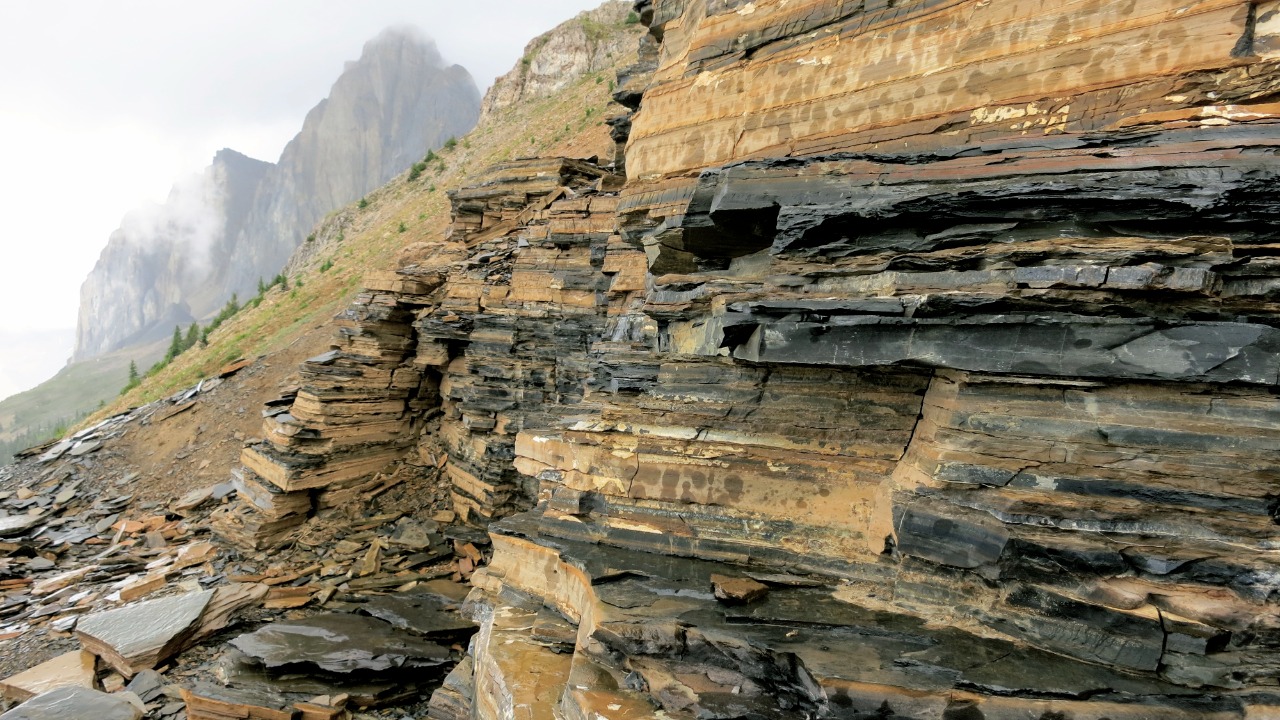
The Burgess Shale, a fossil field in Canada, reveals an explosion of life during the Cambrian period. This rich assemblage of well-preserved fossils offers a glimpse into a time when most major animal phyla appeared. The diversity captured in these rocks challenges previous notions of gradual evolution.
The Burgess Shale’s diverse and often bizarre organisms illustrate the rapid diversification known as the Cambrian Explosion. This period remains a puzzle, prompting debates about the pace and drivers of evolutionary change.
5. The Laetoli Footprints: Early Human Migration
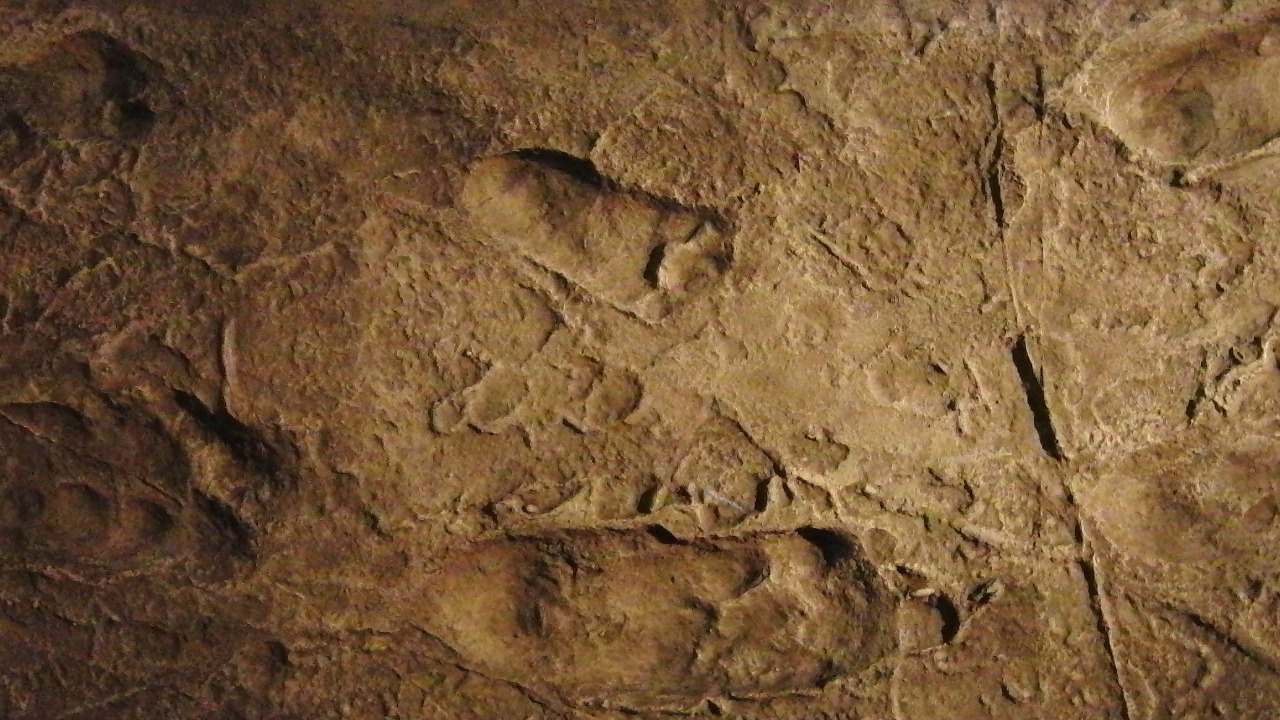
Discovered in Tanzania, the Laetoli footprints are a remarkable record of early human activity. These 3.6-million-year-old prints suggest bipedal locomotion in hominins much earlier than previously thought, challenging models of human evolution.
The footprints provide evidence that early hominins walked upright, pushing back the timeline of bipedalism. This discovery has significant implications for understanding human ancestry and migration patterns.
6. The Homo Naledi: The Unexpected Ancestor
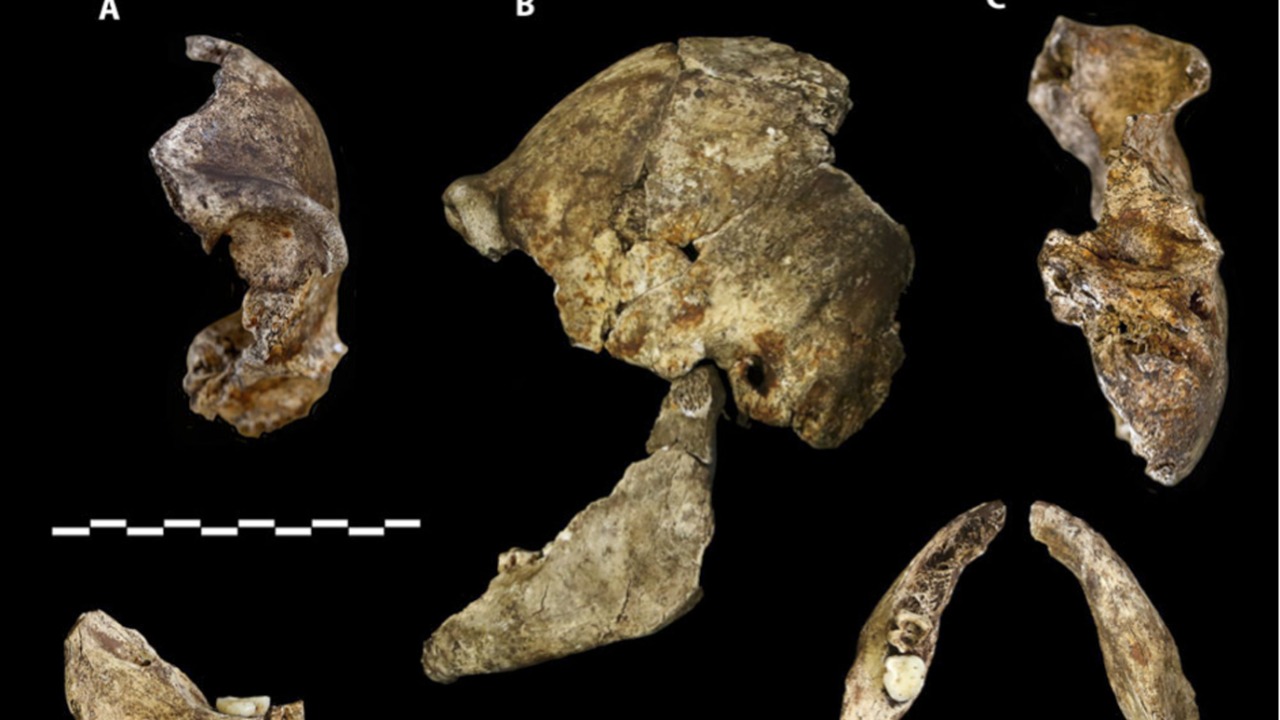
Homo naledi, found in South Africa’s Rising Star Cave, added a new branch to the human family tree. Its mix of primitive and modern features defies easy classification and suggests complex evolutionary pathways. The discovery raises questions about the diversity of hominin species.
Homo naledi’s coexistence with early Homo sapiens challenges linear models of human evolution. It suggests a more intricate web of interactions and adaptations among ancient human relatives.
7. The Giant Ground Sloth: A Recent Extinction
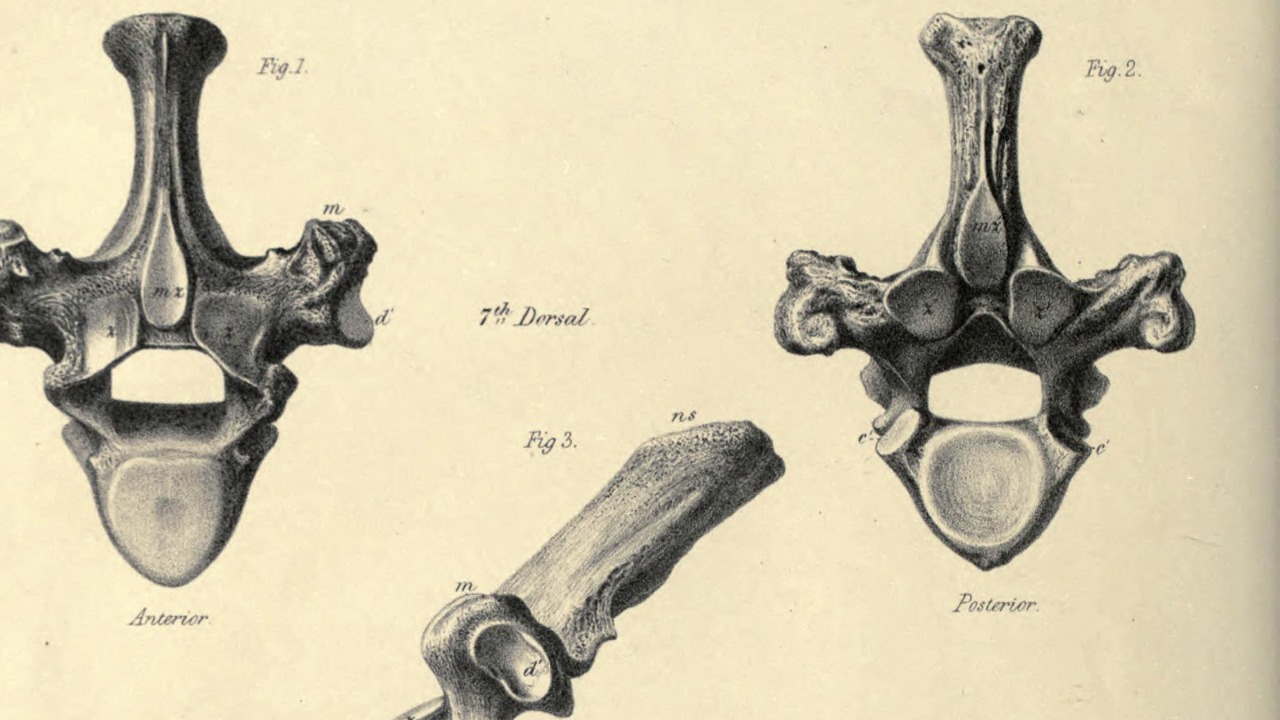
The giant ground sloth, once a dominant herbivore in the Americas, lived until relatively recently, around 10,000 years ago. Its extinction coincides with human arrival, prompting debates about human impacts on megafauna.
The timing of its disappearance challenges assumptions about climate change as the sole driver of extinctions. Instead, it suggests a possible role for human hunting and habitat alteration, offering insights into ancient ecosystems.
8. The Plesiosaur: The Loch Ness Misconception
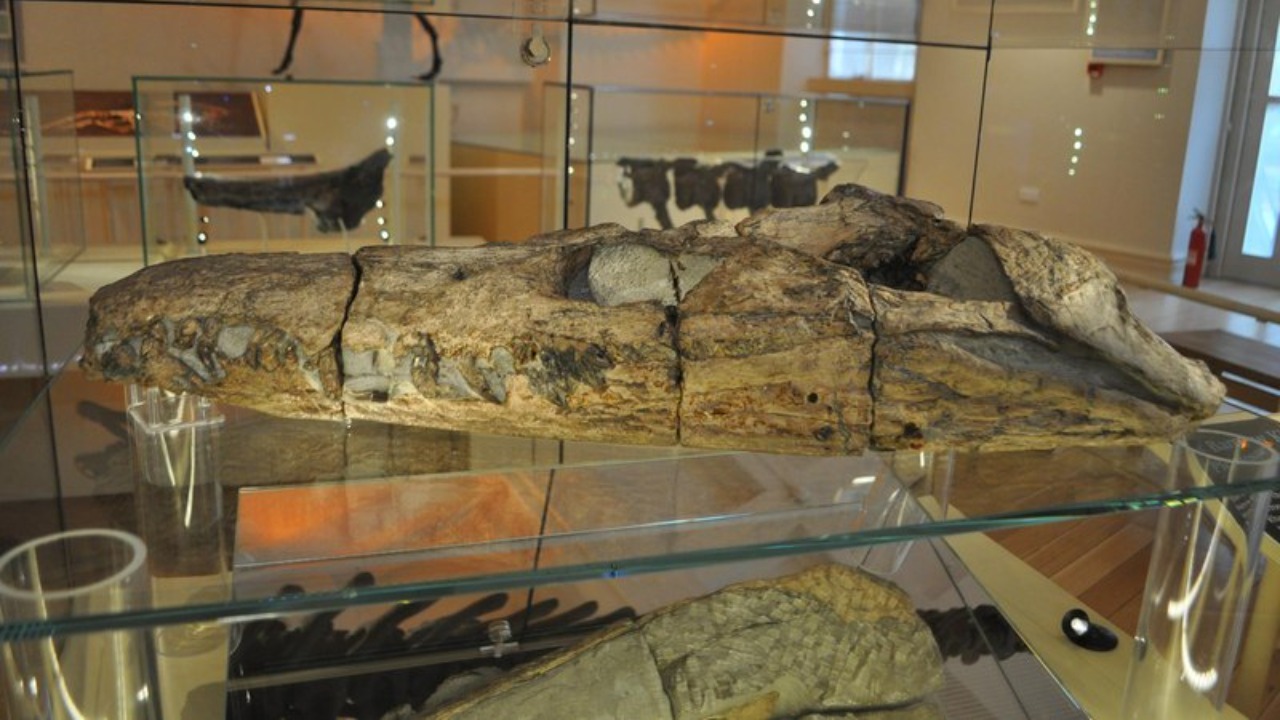
Plesiosaurs, marine reptiles from the Mesozoic era, often feature in discussions about the Loch Ness Monster. Despite popular myths, plesiosaurs have been extinct for millions of years. Their anatomy, with long necks and flippers, is often misinterpreted as evidence of modern sightings.
The fascination with plesiosaurs underscores the power of fossil imagery in popular culture. It also highlights how misconceptions can persist despite scientific evidence to the contrary.
9. The Hobbits of Flores: Revising Human Evolution
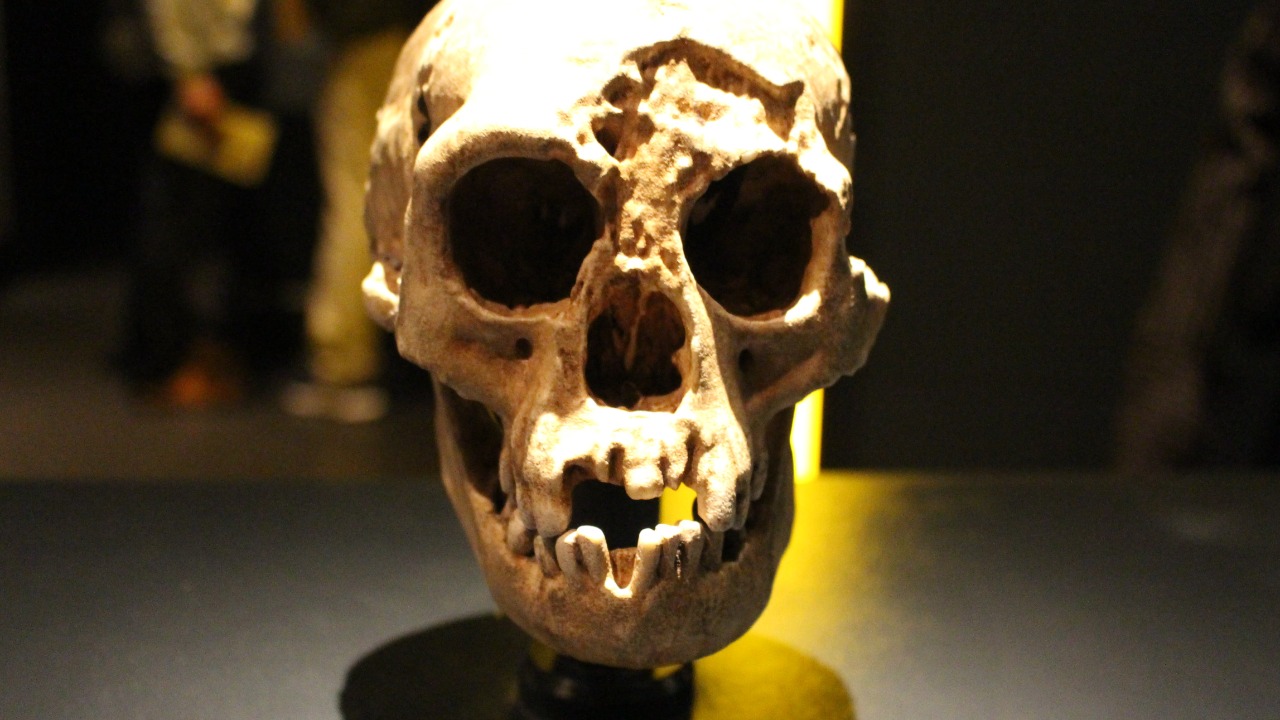
The discovery of Homo floresiensis, or “hobbits,” on the island of Flores in Indonesia, has revolutionized our understanding of human evolution. These diminutive hominins lived as recently as 50,000 years ago, challenging the idea that only Homo sapiens survived extinction events.
The existence of Homo floresiensis suggests a more complex picture of human evolution, with multiple hominin species coexisting. This discovery raises questions about the adaptability and diversity of ancient humans, prompting ongoing research and debate.
